
War has changed far more than borders and technology. It has also transformed what people eat, how food is preserved, and why certain products became kitchen staples.
Canned foods became a civilian pantry essential
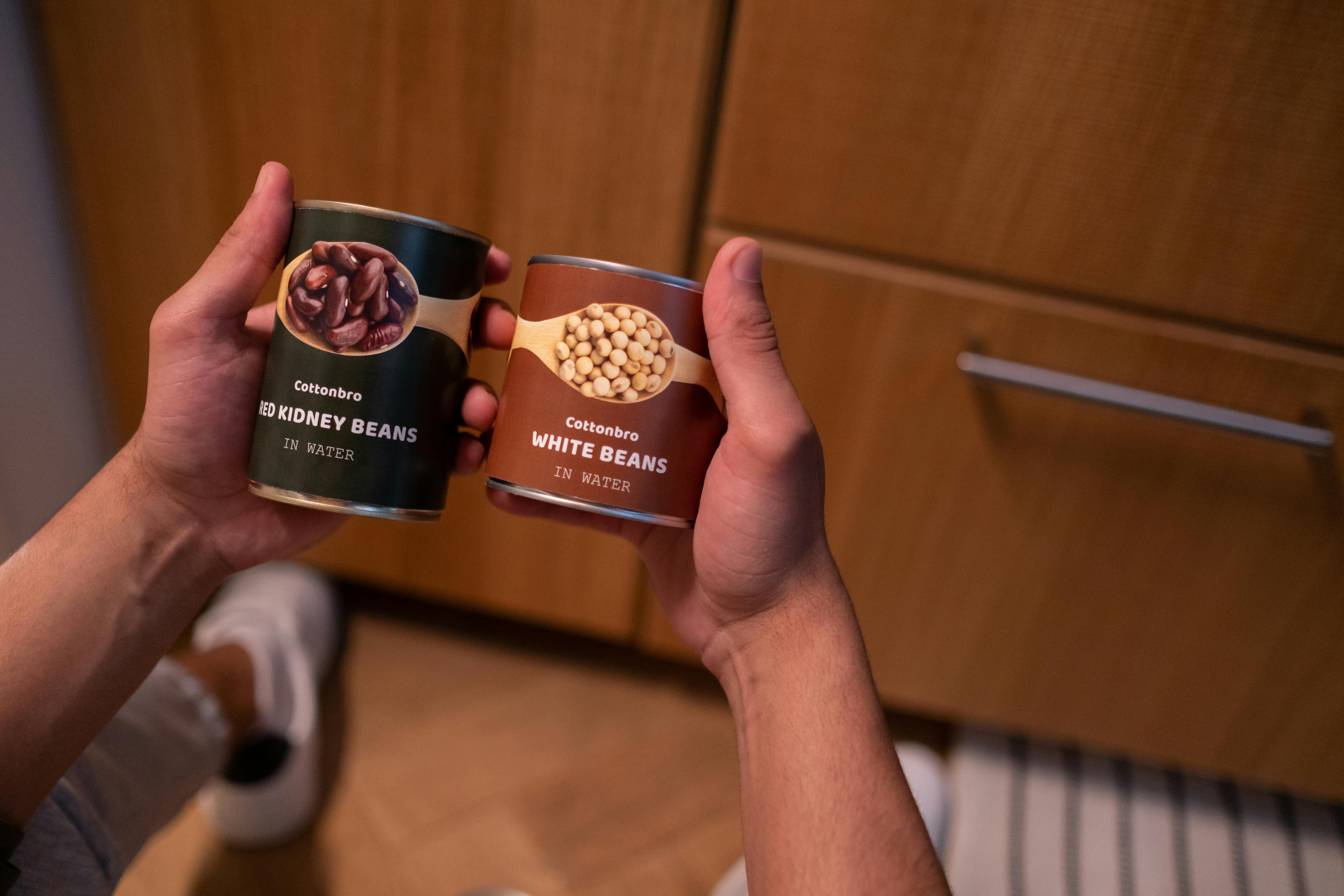
The modern canning story begins with war, not the supermarket. In the early 19th century, Napoleon's government offered a prize for a reliable way to preserve food for troops on long campaigns. Nicolas Appert's heat-sealing method answered that need, and metal cans soon followed as armies looked for durable rations.
For militaries, canned food solved several problems at once. It reduced spoilage, made transport easier, and gave soldiers access to vegetables, meat, and soups far from farms or supply towns. By the time of the American Civil War, canned goods were already proving their value in the field.
After wartime demand expanded production, civilian markets benefited from the same scale and technology. Canned peaches, beans, salmon, and condensed soups became symbols of modern convenience in the late 19th and early 20th centuries. What started as a logistical fix for armies became a cornerstone of the grocery aisle.
Spam turned shelf-stable meat into a household name
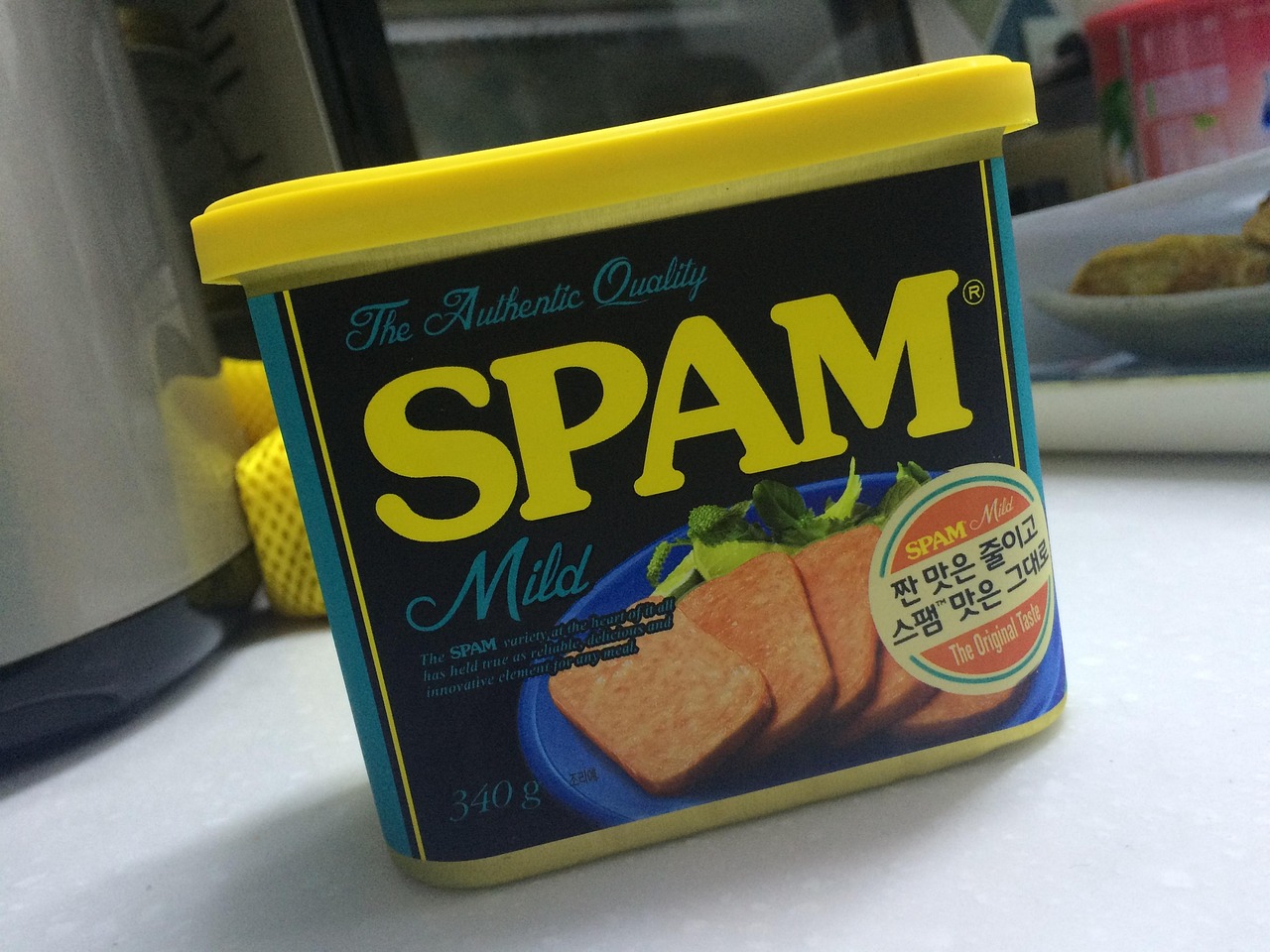
Few foods are more closely tied to wartime memory than Spam. Hormel introduced it in 1937, but World War II made it globally famous when the U.S. military purchased enormous quantities to feed troops overseas. Its long shelf life, compact packaging, and reliable protein content made it ideal for military supply chains.
Soldiers encountered Spam across Europe and the Pacific, often eating it in repetitive and improvised ways. It was not always beloved, but it was practical, and practicality matters in war. The product also reached allies and civilians facing shortages, which widened its cultural footprint far beyond the United States.
When peace returned, Spam did not disappear with the uniforms. It had become familiar, affordable, and easy to store, especially in places where refrigeration was limited or expensive. In Hawaii, South Korea, the Philippines, and Britain, wartime exposure helped turn it into a lasting grocery-store staple with a surprisingly deep culinary afterlife.
Instant coffee was boosted by military demand
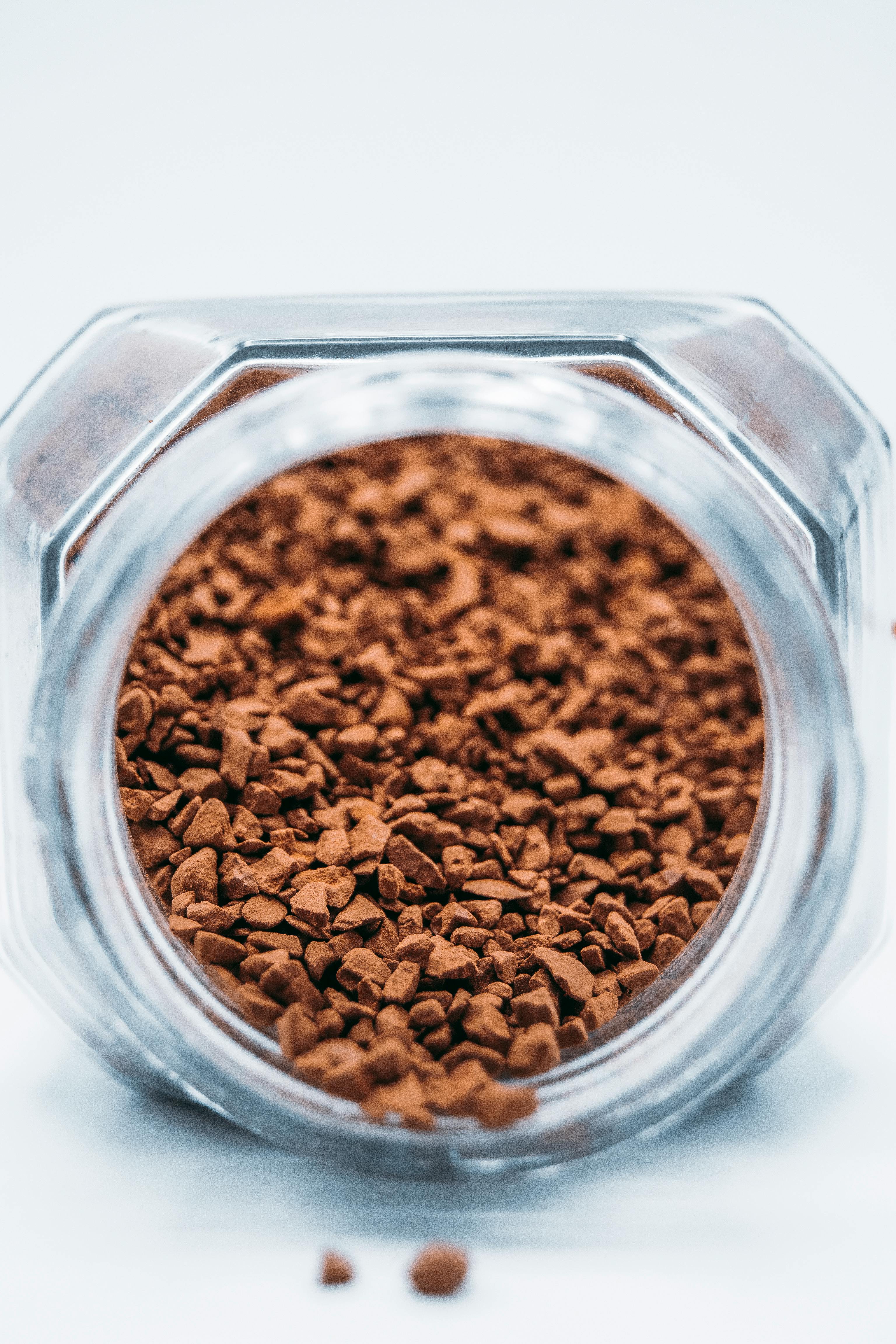
Coffee has long marched with armies, but instant coffee became especially important in the 20th century. Although versions existed earlier, military demand during World War I and especially World War II accelerated production and refinement. Armies wanted caffeine that was lightweight, fast to prepare, and less dependent on field equipment.
For soldiers, instant coffee delivered speed and predictability. A hot cup could raise morale, fight fatigue, and provide a small routine in unstable conditions. U.S. troops consumed huge quantities, and manufacturers learned how to improve flavor, packaging, and shelf stability under the pressure of wartime contracts.
Those wartime advances carried directly into consumer life. After the war, brands marketed instant coffee as a modern shortcut for busy households, office workers, and travelers. Its reputation later suffered among serious coffee drinkers, yet it remained a supermarket mainstay because convenience, the same trait prized by armies, still mattered at home.
Powdered drink mixes gained popularity through rations
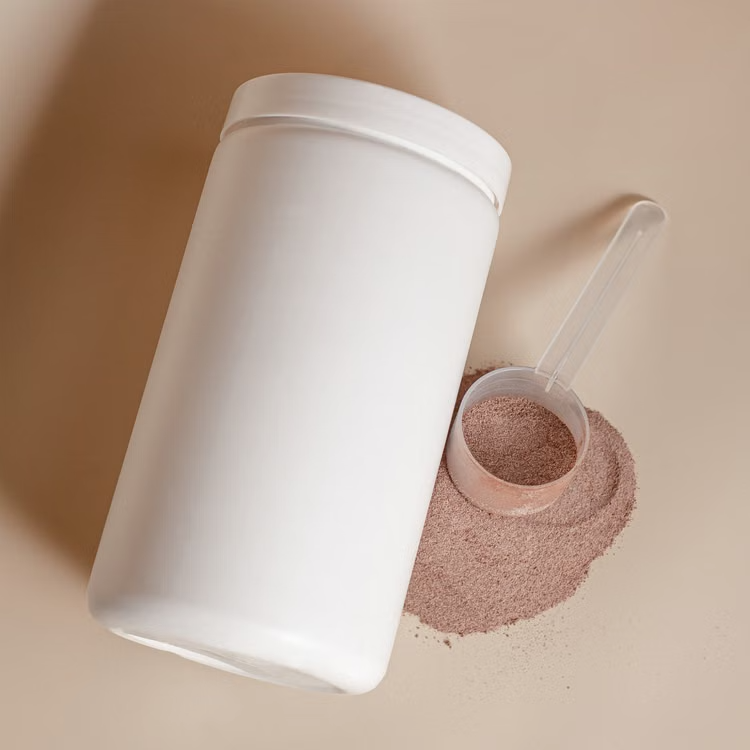
Sweet drink powders may seem like purely commercial inventions, but military logistics helped normalize them. Products such as Kool-Aid predated World War II, yet the broader acceptance of powdered beverages grew as armed forces relied on compact, transportable mixes. They were easier to ship than bottled drinks and safer than questionable local water when prepared correctly.
In wartime, flavor mattered almost as much as nutrition. Drink mixes helped mask the taste of treated or metallic water, encouraging soldiers to stay hydrated in difficult climates. Later, fortified powders with vitamin C and electrolytes became especially useful in hot environments where dehydration threatened performance.
Once consumers saw the same benefits, powdered drinks fit neatly into postwar life. They were cheap, lightweight, and simple to store in kitchens, lunchboxes, and disaster supplies. Grocery stores embraced them because they answered a timeless need first sharpened by war: making safe, palatable drinks available anywhere with minimal equipment.
Frozen concentrated orange juice rode a wartime breakthrough
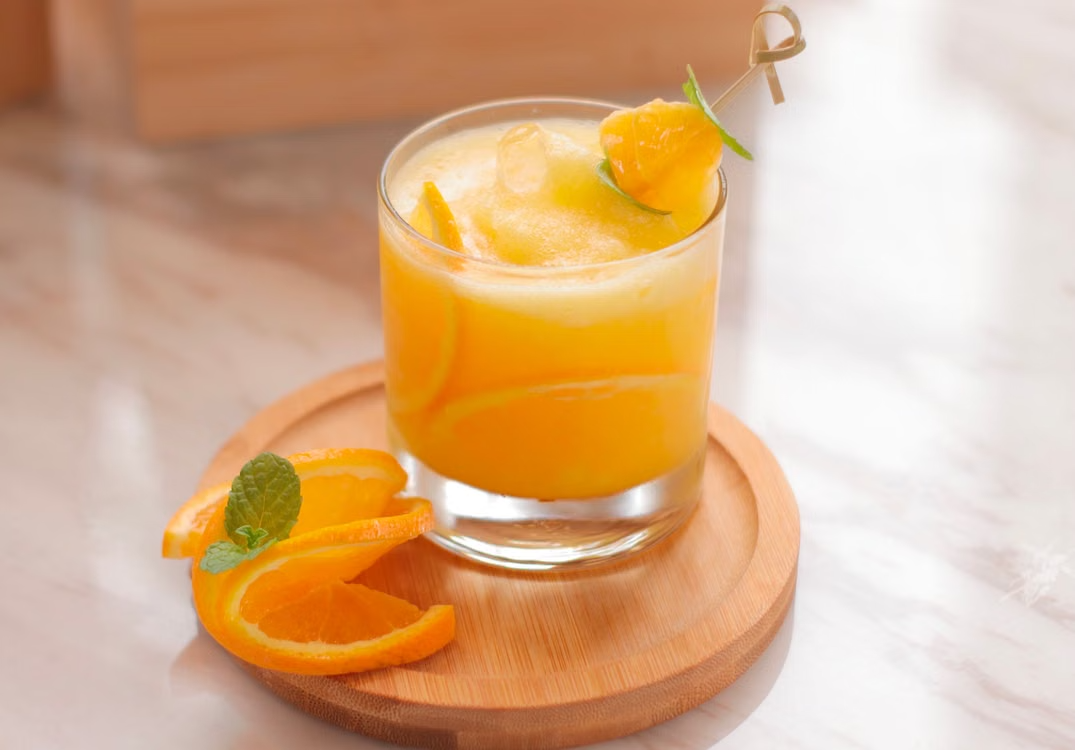
Frozen concentrated orange juice is one of the clearest examples of military research reshaping breakfast. During World War II, the U.S. government wanted a stable way to get vitamin C to troops without shipping bulky fresh fruit. Scientists and food engineers worked on concentration methods that would preserve flavor and nutrition better than earlier attempts.
The breakthrough came when processors improved vacuum evaporation and cold handling, creating a product that could be frozen, transported, and later reconstituted with water. According to food historians, this solved a serious supply problem while opening an entirely new commercial category. Tropicana and Minute Maid later helped bring the product into millions of homes.
Postwar America embraced it because it felt both scientific and wholesome. Families could keep orange juice in the freezer, mix only what they needed, and serve a product linked to health and modern efficiency. A military nutrition challenge had quietly become a defining feature of the supermarket freezer case.
MRE-style snack technology shaped modern convenience foods
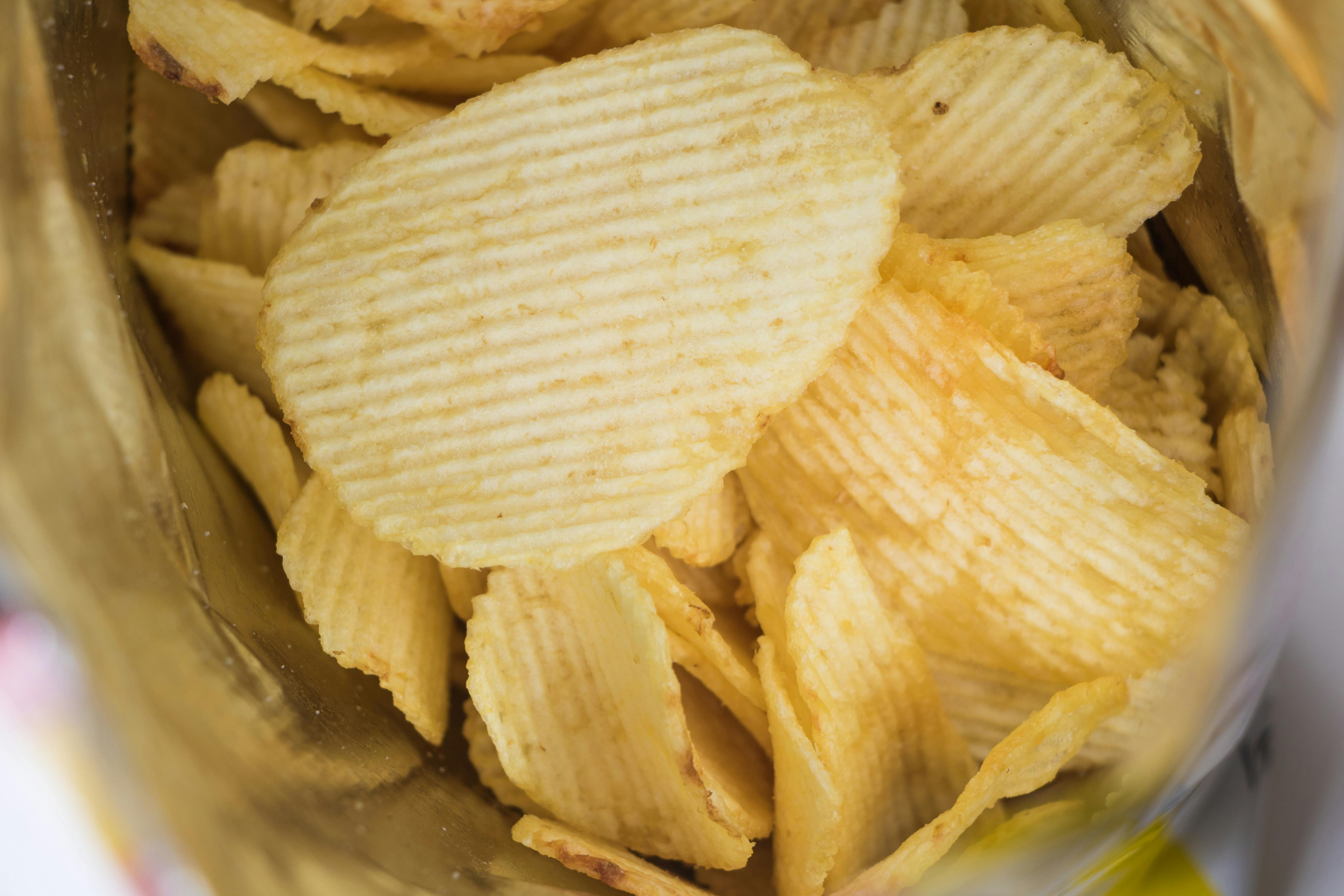
Not every wartime food reached stores in identical form, but military ration research deeply influenced modern packaged snacks. The effort to create Meals, Ready-to-Eat, and earlier field rations pushed advances in barrier packaging, oxygen absorbers, moisture control, and shelf-stable baked goods. Those technologies later migrated into crackers, energy bars, cheese spreads, and ready-to-eat meals.
The military needed foods that could survive heat, rough handling, and long storage without becoming unsafe or inedible. That pressure drove food scientists to improve texture retention, portion control, and laminated packaging materials. Civilian manufacturers recognized the same solutions could help sell lunch foods, camping provisions, and emergency pantry items.
Today, many grocery products borrow directly from that logic of durability and portability. Shelf-stable tuna pouches, protein bars, cracker kits, and microwavable entrées all reflect lessons first sharpened by feeding troops efficiently. The packaging may look friendlier, but the design philosophy is unmistakably military in origin.

Leave a Reply