
Those two labels may look similar on a grocery shelf, but they signal very different things. Knowing the distinction can help you buy with far more confidence.
A probiotic label makes a health claim, while a fermented label describes a process
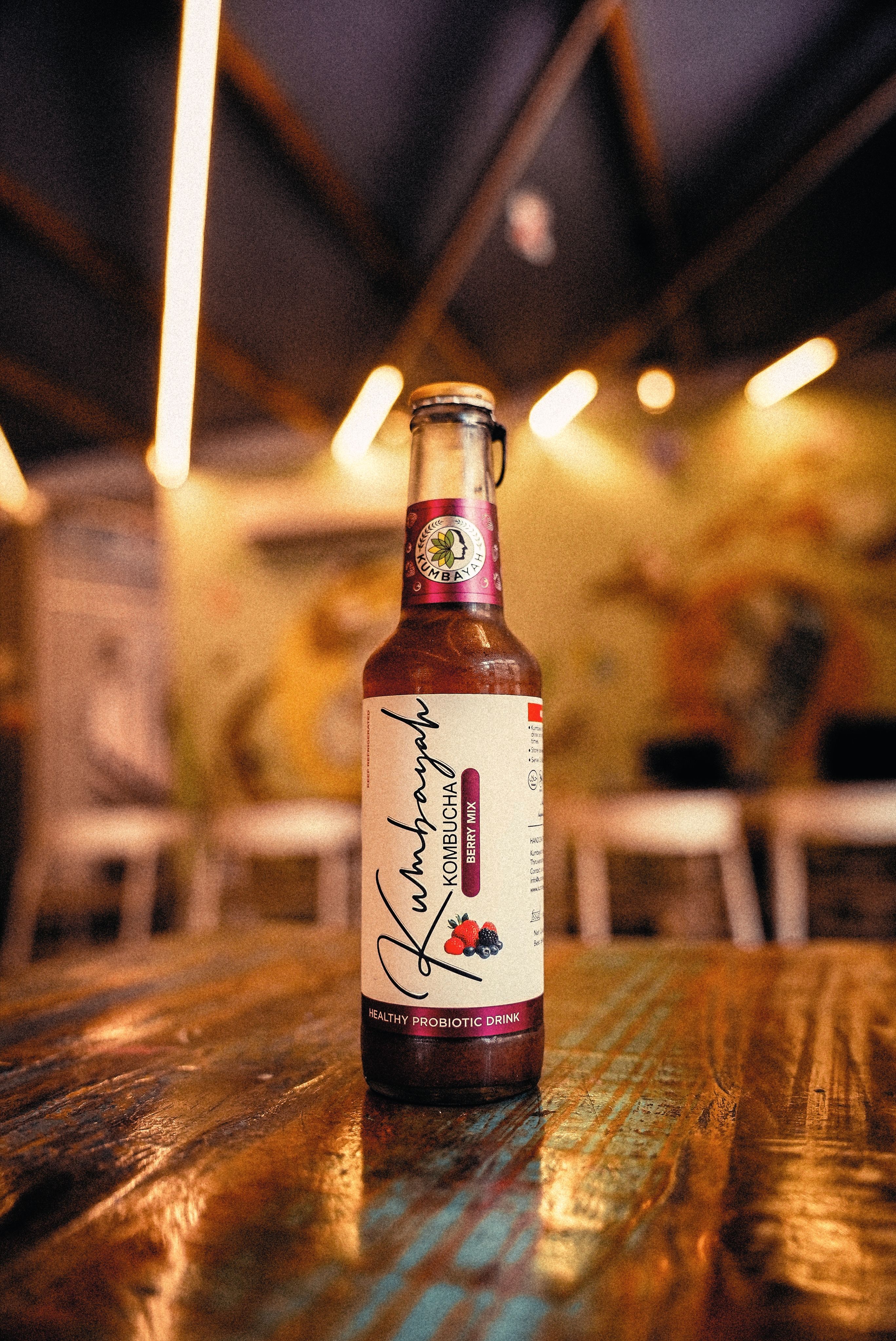
At the most basic level, "fermented" tells you how a food was made. Fermentation is a process in which microbes such as bacteria or yeast transform ingredients, often producing acids, alcohol, or gases that change taste, texture, and shelf life.
"Probiotic," by contrast, is a functional term. The widely cited scientific definition from the International Scientific Association for Probiotics and Prebiotics describes probiotics as live microorganisms that, when administered in adequate amounts, confer a health benefit on the host.
That means a fermented pickle, sourdough loaf, or bottle of kombucha is not automatically probiotic. A product can be fermented without meeting the scientific standard required to call its microbes beneficial in a proven way.
Fermented foods do not always contain live microbes by the time you eat them
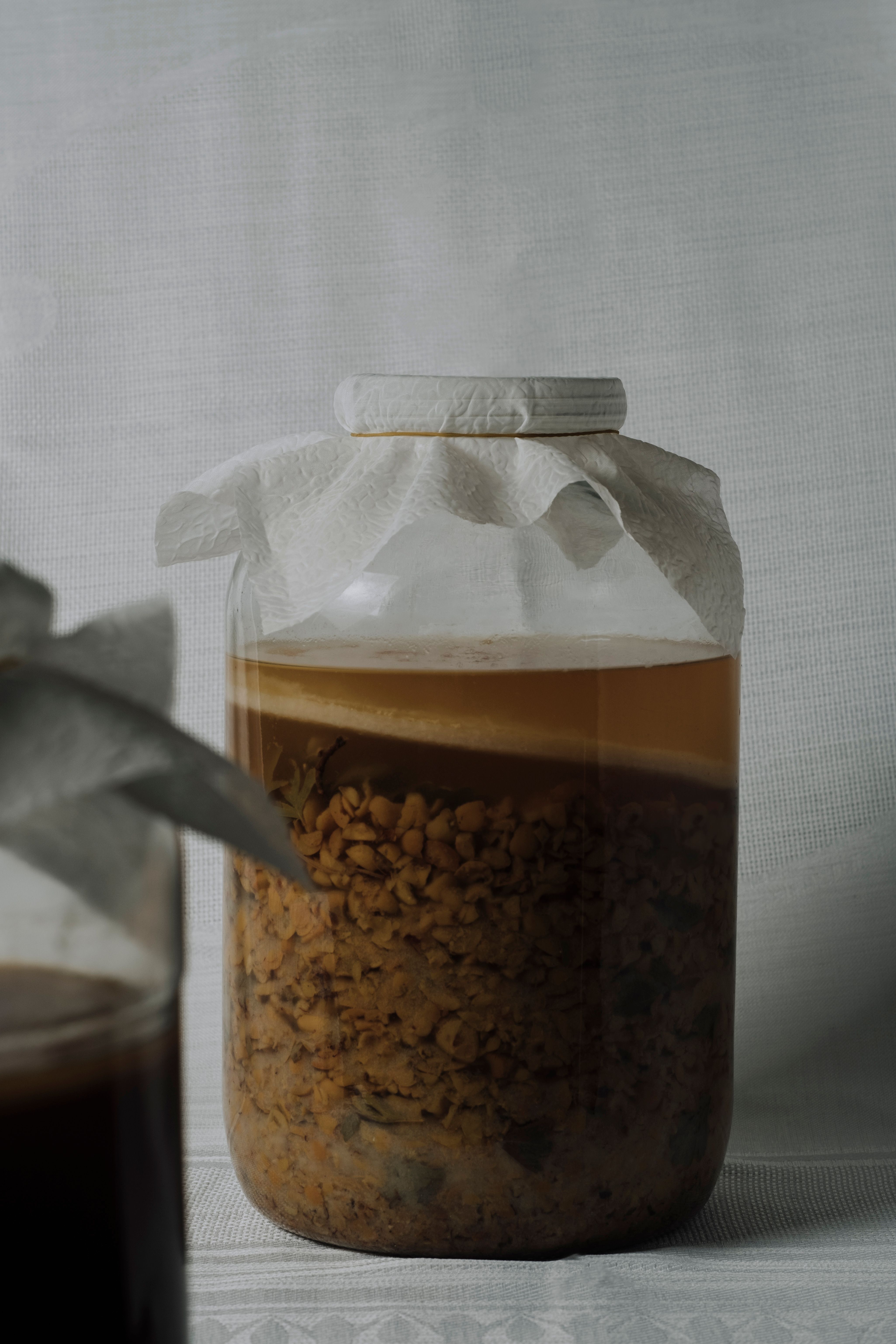
This is where many shoppers get tripped up. Fermentation begins with microbial activity, but the finished food may later be filtered, heated, pasteurized, or otherwise processed in ways that reduce or eliminate live organisms.
Bread is a simple example. Yeast ferments dough, but baking heat kills the live yeast, so the final loaf is fermented in origin yet not a source of live cultures. Many shelf-stable sauerkrauts and pickles are also pasteurized after packaging.
A probiotic food, however, must contain live microorganisms at the time of consumption. If those microbes are no longer alive in meaningful amounts, the product may still be fermented, but it should not be treated as probiotic in practical terms.
Probiotic labels imply specific strains, but fermented labels usually do not

One of the biggest differences lies in precision. Probiotic science is strain-specific, meaning benefits are often tied not just to a species, but to an exact strain such as Lactobacillus rhamnosus GG or Bifidobacterium animalis subsp. lactis BB-12.
A general fermented label rarely tells you that level of detail. It may simply describe the product as kimchi, kefir, miso, tempeh, or yogurt, without identifying which microbes are present, how many survived manufacturing, or whether they were studied for health outcomes.
This matters because not all bacteria act the same way. According to clinical reviews, one strain may help with antibiotic-associated diarrhea, while another may show no effect at all, even if both belong to the same broader bacterial group.
The evidence bar is much higher for probiotic claims than for fermentation claims

Fermentation itself is easy to verify because it is a production method. If cabbage was transformed by lactic acid bacteria into sauerkraut, or milk was cultured into yogurt, the food qualifies as fermented regardless of whether long-term health effects were tested.
Probiotic labeling carries a heavier scientific burden. To be credible, the product should contain identified live microbes in adequate amounts, and those microbes should have evidence of a measurable benefit in humans under the conditions of use.
Regulators vary by country, and enforcement is not always consistent, but the distinction remains important. A fermented food can be marketed accurately with no promise beyond its traditional preparation, while probiotic wording edges closer to a substantiated health positioning.
Serving size and dose matter far more with probiotics

With fermented foods, people often focus on flavor, culinary tradition, or digestion-friendly preparation. With probiotics, dose becomes a central issue because live microorganisms must be present in adequate amounts to match the benefit suggested by research.
That is why some labels list colony-forming units, often abbreviated as CFUs. A yogurt or drink might contain billions of live organisms per serving, but the relevant question is whether the count matches the strain studied and remains stable through the end of shelf life.
Real-world products vary widely. One kefir may deliver robust live cultures, while another may offer less consistency due to storage conditions, formulation, or heat treatment after fermentation, making the probiotic label more demanding than the fermented one.
Storage, shelf life, and manufacturing have different implications for each label

A fermented label can survive processing changes more easily because it points to how the food was made, not necessarily what remains alive in the container. That gives manufacturers more flexibility with refrigeration, heat treatment, and distribution.
Probiotic products are more fragile. Live microbes can decline over time because of temperature swings, oxygen exposure, acidity, and moisture, which is why some products require cold-chain handling or special packaging to protect viability until the use-by date.
This is also why two similar-looking yogurts may perform differently. One may contain added, documented probiotic strains and protective packaging, while another is simply cultured food with no guarantee that enough live beneficial microbes are still present when you eat it.
A smarter shopper reads beyond the front label

The front of the package is often designed for speed, not nuance. Words like "contains live cultures," "naturally fermented," and "supports gut health" can sound similar, yet they point to different levels of evidence, precision, and likely consumer benefit.
A more informed approach is to check the ingredient list and any strain information, look for storage instructions, and note whether the product states a live count through the end of shelf life. If those details are missing, the probiotic value may be unclear.
In practical terms, fermented foods still deserve a place in many diets because they can add flavor, preservation benefits, and culinary diversity. But when a label says probiotic, the standard should be higher, more specific, and backed by live microbes that truly endure.




Leave a Reply