
Food fraud rarely looks dramatic at first glance. It usually hides in ordinary grocery items people buy with total confidence.
Fake Extra-Virgin Olive Oil Flooded Store Shelves
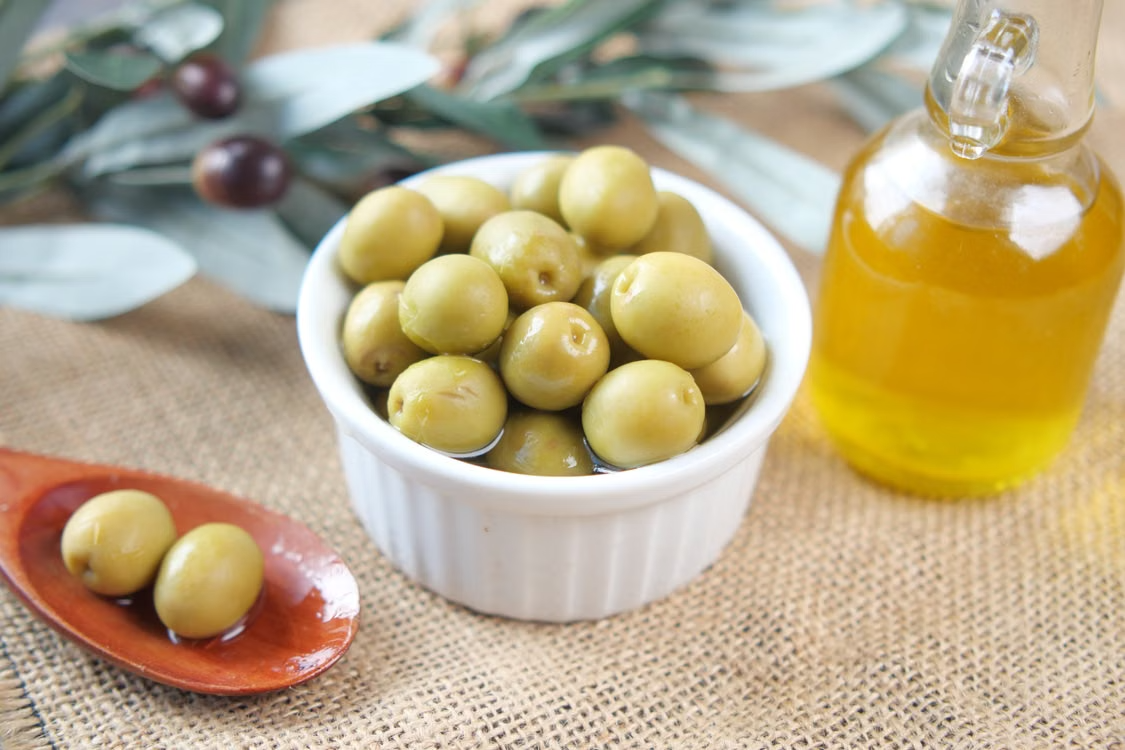
Olive oil built its reputation on purity, place, and tradition, which made it especially vulnerable to fraud. For years, investigators in Europe and the United States found bottles labeled extra-virgin that were diluted with cheaper refined oils or made from lower-grade olive oil.
The scam worked because most shoppers could not easily verify taste, origin, or processing quality at home. Industry groups and customs officials repeatedly seized mislabeled shipments, while journalists and food scientists raised alarms about weak oversight and confusing labeling standards.
Italian authorities carried out several major operations targeting counterfeit olive oil networks. According to reporting by Reuters and other outlets, some cases involved false geographic claims, fake premium branding, and oils sold as high-end despite failing chemical and sensory standards.
The damage went beyond overpaying for a pantry staple. Honest producers lost trust, consumers lost confidence in labels, and regulators faced pressure to tighten testing, traceability, and certification across a global market built heavily on reputation.
Horse Meat Was Sold as Beef Across Europe

The horse meat scandal shocked Europe because it exposed fraud in foods people assumed were tightly controlled. In 2013, authorities discovered that frozen meals and processed meat products sold as beef actually contained horse meat, sometimes in significant amounts.
What made the scandal so unsettling was not just substitution, but the complexity of the supply chain. Meat passed through multiple countries, brokers, and processors, making accountability difficult and allowing mislabeling to continue unnoticed for years in parts of the market.
Retailers pulled burgers, lasagna, and ready meals from shelves as testing expanded. According to the European Commission, the affair revealed how vulnerable processed foods were to deliberate deception when ingredients were chopped, blended, and hidden behind paperwork.
For many shoppers, the betrayal was psychological as much as financial. They were not simply buying a cheaper protein under a different name; they were confronting the reality that traceability systems could fail dramatically in modern industrial food distribution.
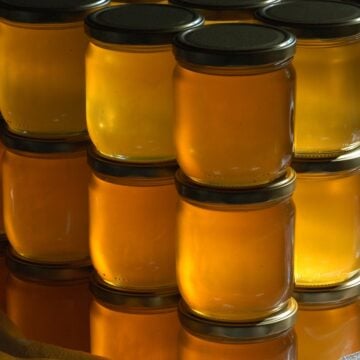
Honey Was Often Diluted and Disguised
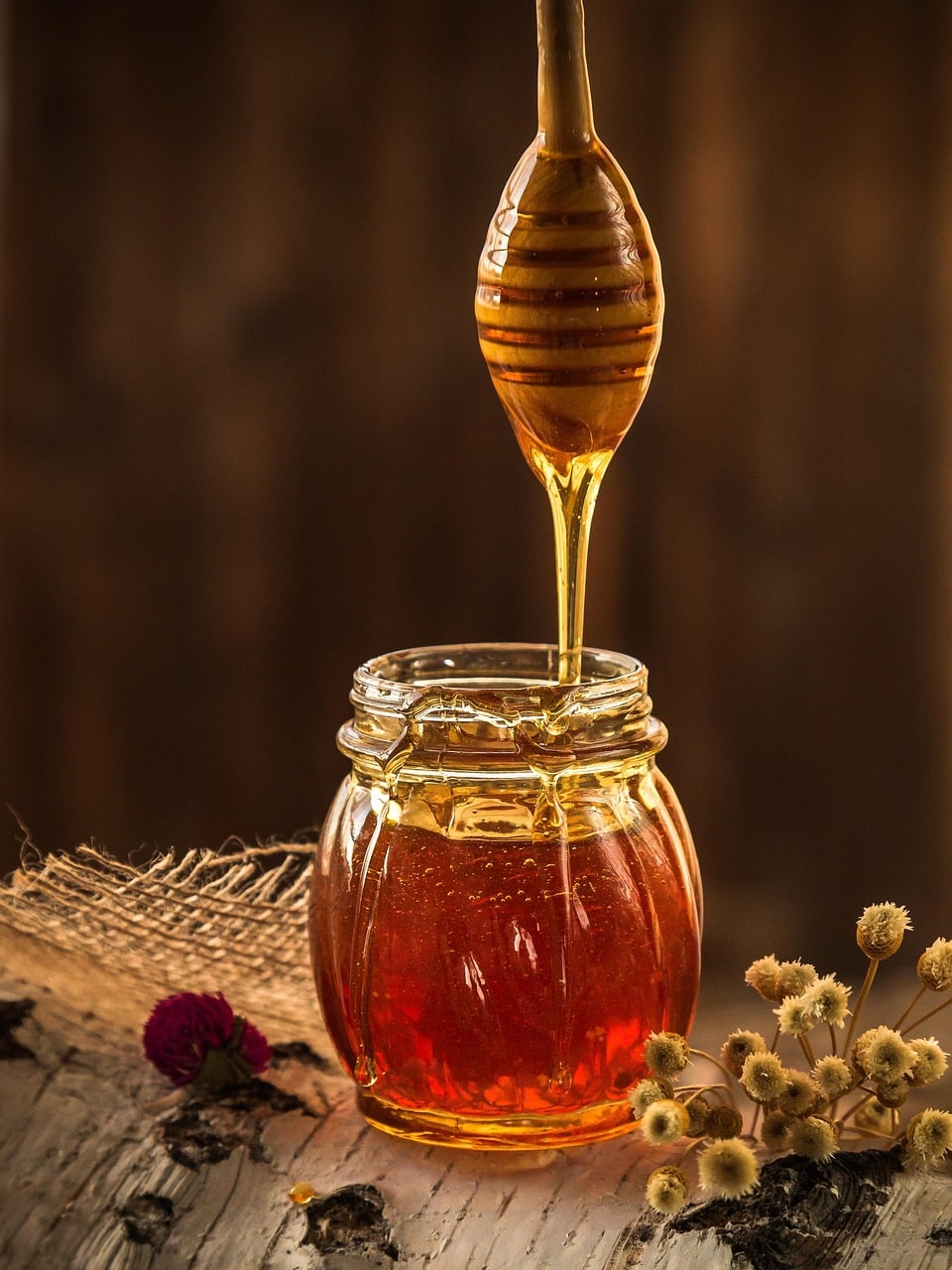
Honey seems simple, but it has long been one of the world's most adulterated foods. Fraudsters boosted profits by blending real honey with cheap sugar syrups derived from corn, rice, or beet, then selling the mixture as pure honey.
The deception lasted because testing is technically challenging and global sourcing is often opaque. Some exporters also manipulated filtration and origin records, making it harder for regulators to identify where a shipment came from or whether it had been adulterated.
Food analysts and customs agencies in several countries have flagged suspicious imports for years. Investigations reported by major news organizations described a cat-and-mouse game in which fraudulent producers adjusted formulas faster than enforcement systems could consistently detect them.
The result was a market where labels often said more than laboratory evidence could support. Consumers paid premium prices for purity, while beekeepers and legitimate packers competed against counterfeit products built on industrial sweeteners and false claims.
Parmesan and Hard Cheeses Were Frequently Imitated
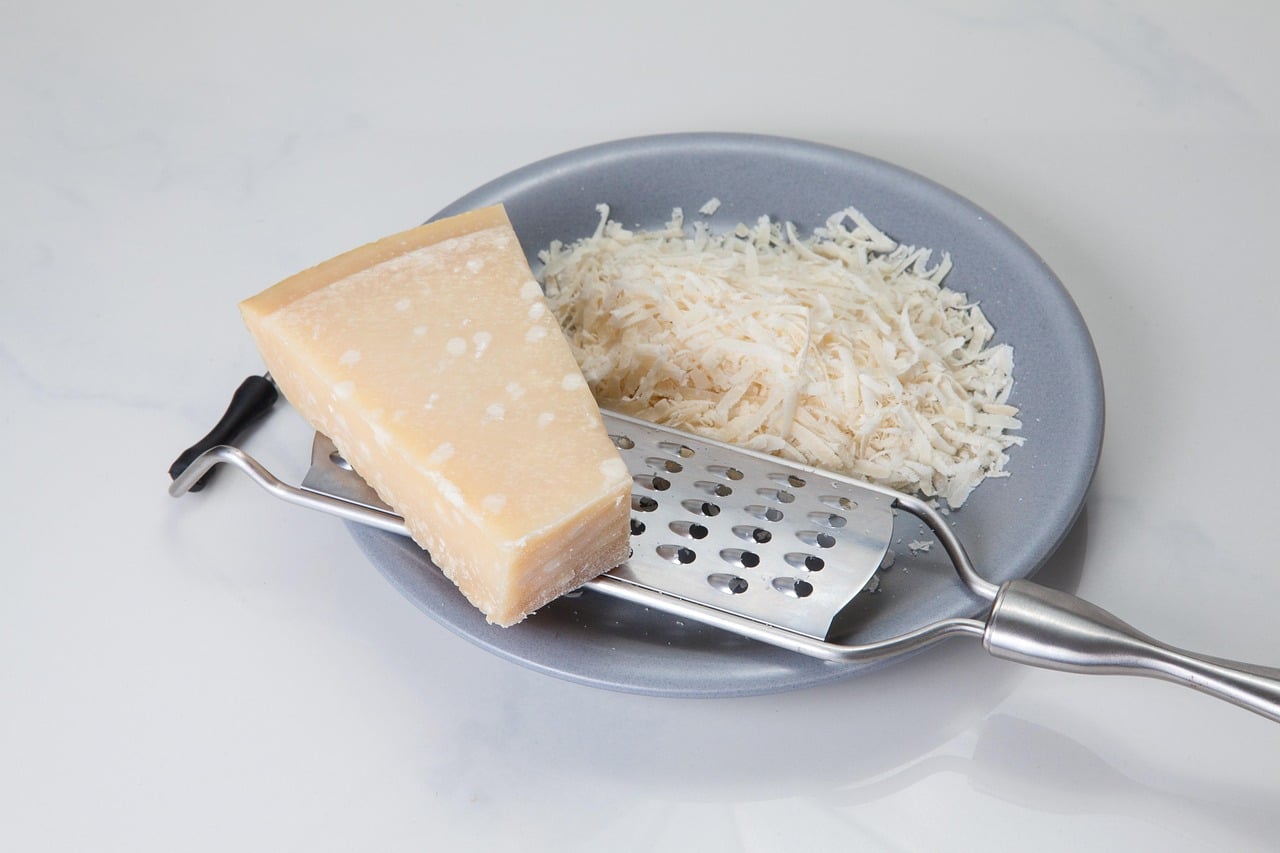
Cheese fraud succeeded by exploiting the authority of famous names. Parmesan was a prime target, with grated products sometimes bulked out by cheaper cheeses, anti-caking agents, or cellulose levels that fueled consumer outrage when test results became public.
In the United States, the issue centered less on toxic danger and more on authenticity and labeling honesty. A product marketed as Parmesan could evoke a centuries-old protected tradition, even when the contents had little connection to true Parmigiano Reggiano standards.
European regulators have long defended protected origin systems because names carry economic value. When imitators mimic packaging, terminology, or aging claims, they capitalize on trust built by genuine producers who follow strict geographic and production rules.
For shoppers, the lesson was clear: food identity can be manipulated as easily as ingredients. A familiar wedge or shaker container may look convincing, but branding, texture, and price alone are poor tools for separating the authentic from the counterfeit.
"Wild" Seafood Was Sometimes Neither Wild nor Correctly Named
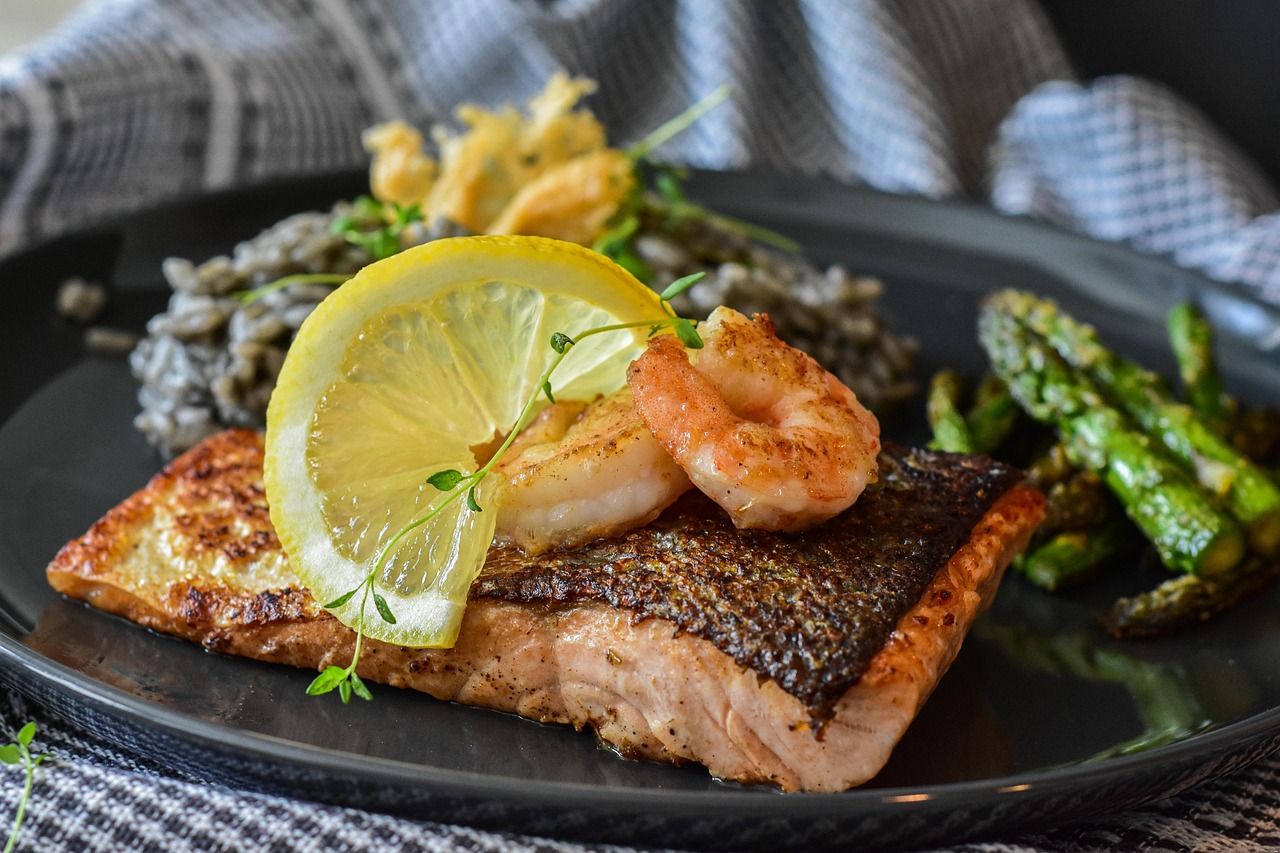
Seafood fraud thrived in restaurants, fish markets, and freezer aisles because fillets often arrive without obvious visual clues. Studies in North America and Europe repeatedly found cheaper species sold as premium fish, including farmed salmon labeled as wild or escolar passed off as white tuna.
This category of deception was especially persistent because species identification usually requires DNA testing or expert inspection. Once skin, head, and bones are removed, many fish become nearly impossible for ordinary shoppers to distinguish accurately by sight alone.
Consumer advocates, academic labs, and government inspections uncovered widespread mislabeling across the supply chain. Some substitutions inflated prices, while others created health concerns, particularly when allergen risks, mercury levels, or digestive side effects differed from the fish named on the label.
Seafood fraud showed how branding can overpower biology. When a menu, package, or counter card promises a prized catch, many buyers trust the label, even though the real story may begin in an entirely different ocean or fish farm.
Leave a Reply