
Food taxes in Canada often confuse shoppers at the checkout. The differences may look arbitrary, but they usually reflect long-standing tax rules designed around fairness, administration, and public policy.
Basic groceries are treated as essentials
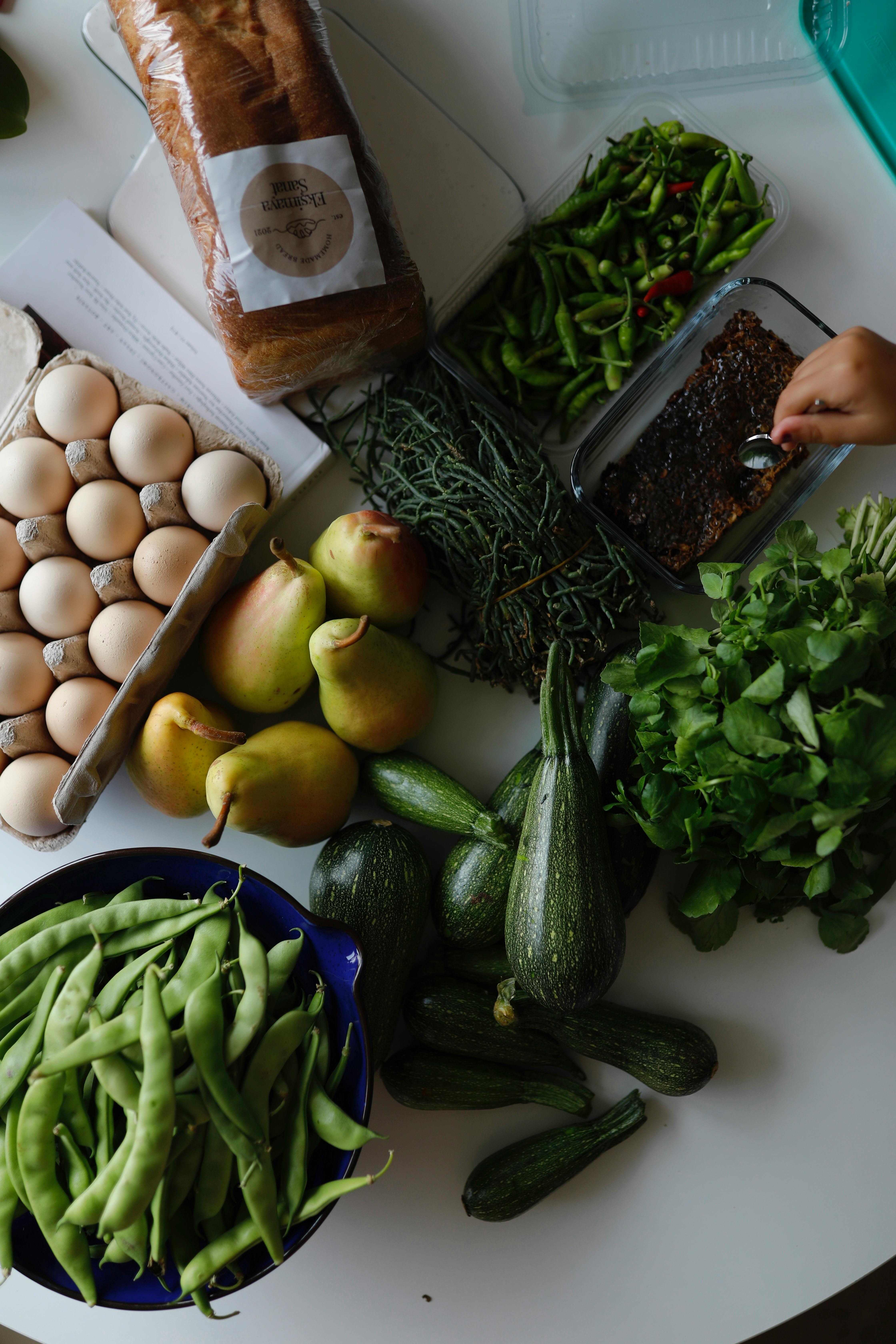
Canada's GST/HST system gives special treatment to most basic groceries because food needed for day-to-day living is considered essential. That is why staples such as milk, bread, eggs, fresh vegetables, and raw meat are usually zero-rated, meaning they are taxable in principle but taxed at 0%.
This approach helps reduce the tax burden on households, especially lower-income families who spend a larger share of income on necessities. The federal framework, administered by the Canada Revenue Agency, tries to separate ordinary nourishment from discretionary spending.
The distinction matters in practice. A bag of rice, a carton of yogurt, or a bunch of bananas is generally taxed differently from candy, soft drinks, or many prepared snack foods because the law sees them as fundamentally different categories of consumption.
Convenience changes the tax treatment

One of the biggest dividing lines in Canadian food taxation is convenience. When food is prepared, heated, served, or packaged in a way that makes it ready to eat immediately, it often stops being treated like a basic grocery and starts being treated more like a meal purchase.
That is why a whole uncut cake from a grocery store may be zero-rated, while a single slice sold with a fork can be taxable. Similarly, cold deli ingredients bought separately can be treated differently from a ready-made lunch combo assembled for immediate consumption.
Tax policy uses convenience as a practical test because ready-to-eat food resembles restaurant service. The more a seller does to prepare the product for instant eating, the more likely the transaction is to attract GST/HST.
Portion size and packaging can affect the rules

At first glance, package size may seem like a strange basis for taxation, but it is built into several Canadian food rules. The system often uses quantity thresholds to distinguish everyday grocery purchases from single-serving snack items.
For example, baked goods sold in larger quantities are often zero-rated, while single portions may be taxable. The same logic can apply to items such as muffins, cookies, or pastries, where the number sold together influences whether the product looks like a household grocery or an individual treat.
These line-drawing exercises can appear overly technical, yet they help create administrable rules for retailers and auditors. Without measurable packaging standards, the system would rely even more heavily on subjective judgment at the cash register.
Public policy shapes what gets taxed

Tax rules are not only about classification. They also reflect public policy choices about what governments want to make more affordable and what they are comfortable taxing as discretionary consumption.
Items such as candies, carbonated beverages, and many salty snacks have long been more likely to attract tax because they are not viewed the same way as core groceries. While Canada does not have a broad national junk food tax, existing GST/HST rules still draw a policy distinction between nourishment and indulgence.
This framework also reflects political compromise. Governments want relief on essentials without giving every edible product the same treatment, so the tax code ends up expressing social priorities as much as commercial definitions.
Provincial systems and legal definitions add complexity

The final reason food is taxed differently in Canada is that the rules operate across a layered tax system. GST is federal, while HST applies in participating provinces and provincial sales tax systems can create different consumer experiences depending on where the purchase happens.
Even when the broad principles are similar, legal definitions remain highly specific. A product's ingredients, temperature, packaging, method of sale, and marketing can all influence how it is classified under CRA guidance and related tax rules.
For businesses, small classification errors can lead to audits, reassessments, or pricing problems. For consumers, that complexity shows up as confusing receipts, but beneath it is a tax structure trying to balance clarity, fairness, and real-world shopping habits.




Leave a Reply