
Kombucha did not explode in Canada with flashy headlines. It grew steadily, shelf by shelf, until it became one of the most noticeable winners in refrigerated beverages.
Health-conscious shoppers wanted something more functional
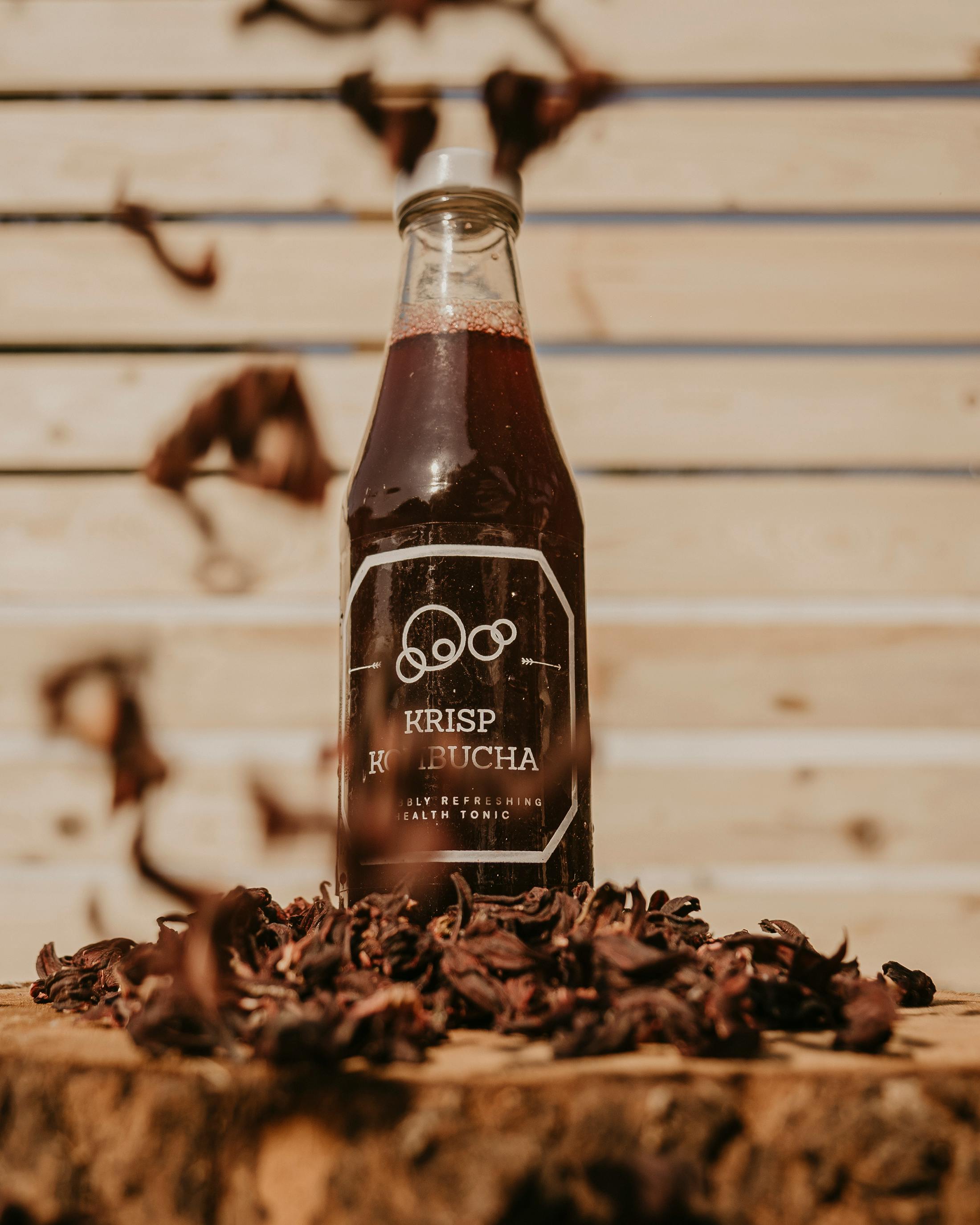
The first driver was simple: Canadians began reading beverage labels more carefully. Drinks that looked overly sweet or artificial lost ground, while kombucha benefited from a cleaner, wellness-oriented image built around tea, fermentation, and live cultures.
That did not happen in isolation. Across grocery and natural food retail, buyers were already shifting toward products linked to digestion, reduced sugar, and fewer synthetic ingredients. Kombucha fit that movement neatly, even when consumers were not experts in probiotics or fermentation science.
Industry tracking from firms such as NielsenIQ and SPINS has repeatedly shown stronger growth in functional beverages than in conventional soft drinks. In Canada, that broader health trend gave kombucha a larger runway, especially among urban shoppers willing to pay more for perceived benefits.
Kombucha became a credible alcohol alternative

Another major reason was timing. More Canadians started moderating alcohol consumption, especially younger adults who wanted social drinks without the aftereffects. Kombucha entered that gap with complexity, acidity, and a ritual that felt more grown-up than soda or juice.
This mattered in practical settings. A chilled bottle of ginger, berry, or citrus kombucha could sit comfortably at dinner tables, parties, and patios where sparkling water once felt too plain. It offered taste and occasion without requiring a cocktail.
The sober-curious movement also helped normalize these choices. Retailers responded by grouping kombucha near premium non-alcoholic drinks, which improved discovery and signaled that it belonged in mainstream adult consumption rather than only in specialty health stores.
Better flavors pulled in people who once avoided it
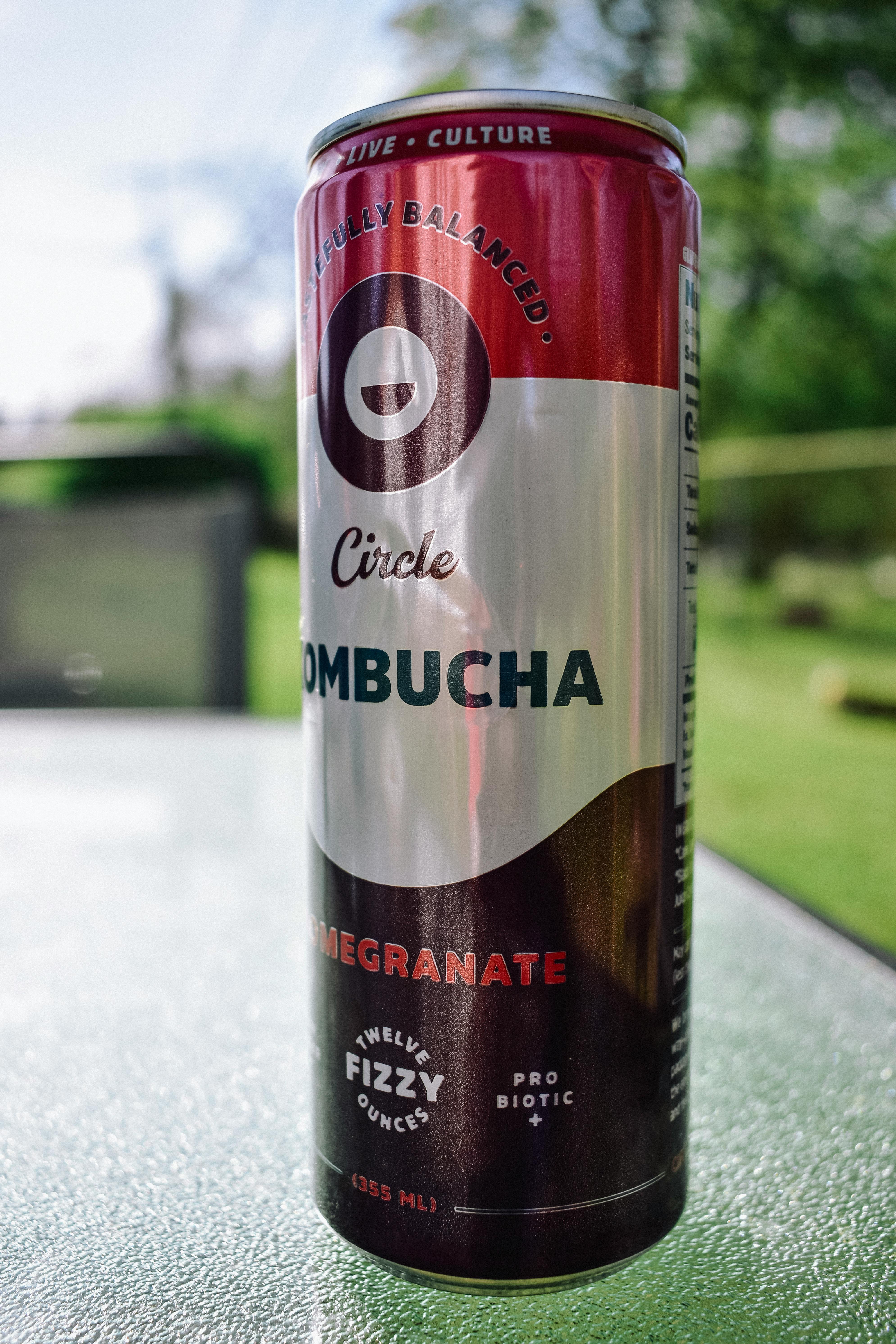
Early kombucha had a reputation problem. For many first-time drinkers, it tasted too vinegary, too funky, or too unfamiliar. That changed as Canadian brands improved fermentation control and developed flavor profiles that were brighter, fruitier, and easier to approach.
The winning strategy was not to remove kombucha's identity, but to soften its rougher edges. Flavors such as mango, peach, raspberry, and lemon-ginger opened the category to consumers who wanted refreshment first and fermentation second.
Packaging also became less intimidating. Cleaner labels, modern bottle designs, and clearer descriptions made the drink feel less niche. Once trial barriers dropped, repeat purchases became more likely, and category growth became less dependent on hardcore wellness consumers alone.
Distribution widened far beyond health food stores
Kombucha also won because it became easier to find. A decade ago, many Canadians encountered it only in independent cafés, farmers markets, or specialty grocers. Once national supermarket chains expanded refrigerated wellness sections, the category gained constant visibility.
Convenience changed behavior. Shoppers who would never make a separate trip for kombucha started adding it to weekly grocery baskets alongside yogurt, eggs, and prepared meals. Placement near produce, deli, or premium drinks increased impulse buying.
Foodservice helped too. More cafés, quick-service outlets, and workplace fridges began stocking recognizable kombucha brands. That repeated exposure mattered because beverage habits are built through routine, and routine is often more powerful than advertising in creating sustained sales growth.
Premiumization made higher prices feel acceptable

Price should have been a barrier, yet for many buyers it became part of kombucha's appeal. Canadians increasingly spend on beverages that promise craftsmanship, wellness, or distinctive ingredients. In that environment, kombucha looked less like an overpriced tea and more like an affordable premium treat.
This is the same logic that lifted cold brew, sparkling water, and zero-proof cocktails. Consumers became comfortable paying extra for drinks that delivered experience as well as function. Kombucha checked both boxes, especially when local sourcing or small-batch production was part of the brand story.
Inflation also reshaped comparisons. When café drinks and alcoholic beverages became more expensive, a bottle of kombucha often looked relatively reasonable. That pricing context, combined with loyalty from repeat buyers, helped sales grow quietly but persistently across Canada.




Leave a Reply