
Food fraud rarely looks dramatic, but it can quietly distort what people buy and eat.
In Canada, the inspection system is built to detect those deceptions through science, surveillance, and enforcement.
Food fraud covers far more than fake luxury products
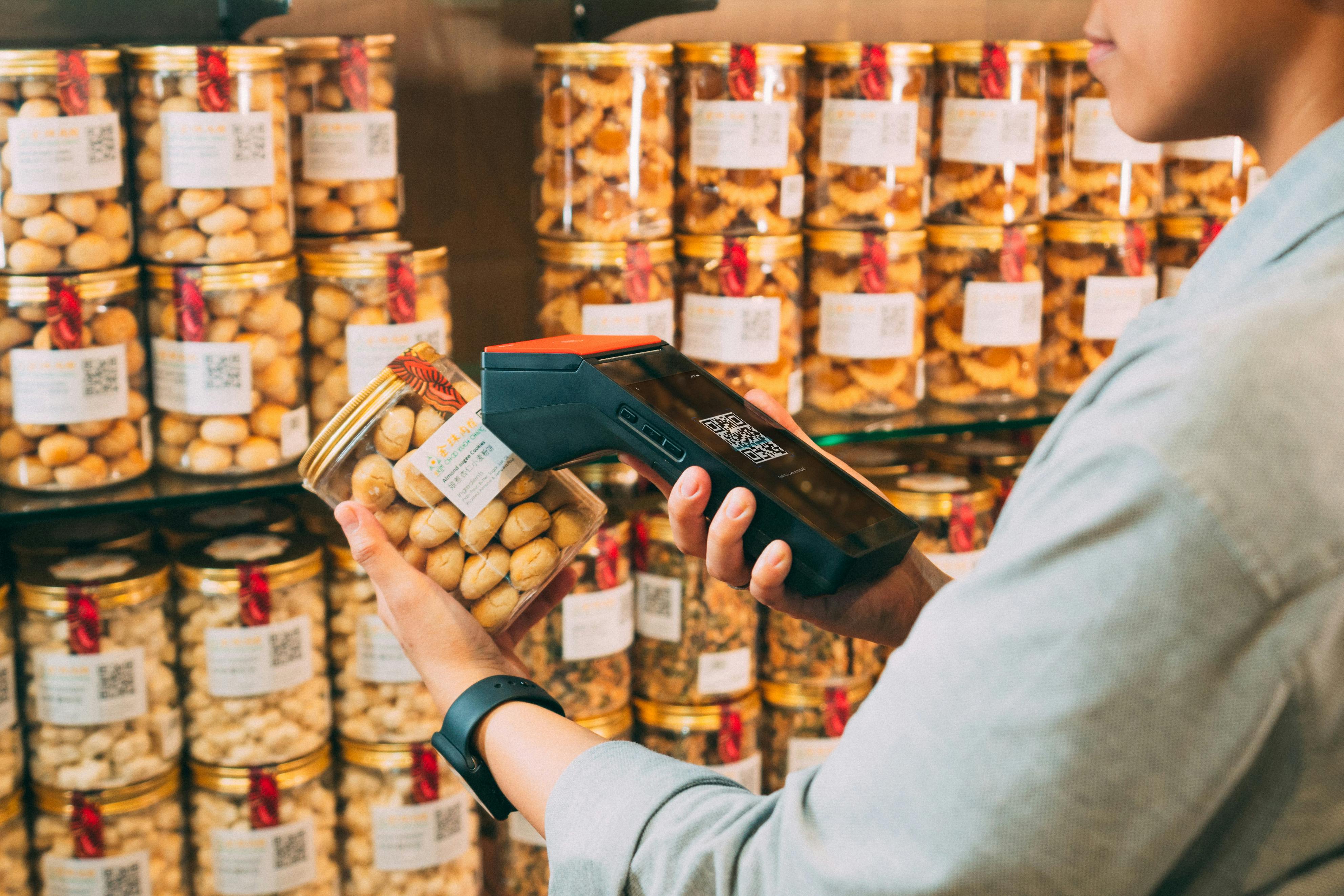
Many people hear "food fraud" and think only of expensive olive oil or mislabeled seafood. In practice, Canada treats fraud as any deliberate substitution, dilution, misrepresentation, or tampering meant to create economic gain. That can include watered-down ingredients, false country-of-origin claims, undeclared species, or packaging that exaggerates quality.
The Canadian Food Inspection Agency, or CFIA, works within a broad food integrity framework because fraud can also affect health. If a cheaper ingredient replaces a declared one, allergens or unsafe substances may be introduced without warning. That moves the issue beyond consumer disappointment and into public protection.
This broader definition matters because it shapes how inspections are planned. Rather than chasing only headline-grabbing scandals, Canada focuses on products and supply chains where incentives to cheat are high and detection is difficult.
The CFIA uses risk-based inspection instead of checking everything equally

Canada does not inspect every product with the same intensity. The system is risk-based, meaning regulators concentrate resources where the chance of fraud, non-compliance, or public harm is greater. That includes foods with long international supply chains, products that are easy to adulterate, and categories with a history of mislabeling.
This approach reflects how modern food markets work. Imported honey, fish, spices, and oils often pass through multiple handlers before sale, which creates more opportunities for substitution or false labeling. A risk model helps inspectors decide where sampling and document reviews will have the most value.
Risk-based inspection also allows Canada to respond quickly to new concerns. If intelligence, complaints, or international alerts suggest a problem is emerging, inspection attention can shift without rebuilding the entire system from scratch.
Laboratory testing is one of Canada's strongest anti-fraud tools

A label can say almost anything, but laboratory analysis can test whether the contents match the claim. Canadian enforcement relies heavily on scientific methods such as DNA testing for species identification, chemical profiling, isotope analysis, and microscopy. These tools help inspectors detect adulteration that cannot be seen by eye.
Seafood is a good example. If a package claims to contain a premium fish species, DNA methods can verify whether it is actually a cheaper substitute. Similar techniques can assess honey purity, identify diluted maple products, or detect the composition of herbs and spices.
Lab testing also strengthens legal enforcement. A complaint alone may raise suspicion, but validated analytical results give regulators and courts stronger evidence when deciding whether products should be detained, recalled, or prosecuted.
Imported foods receive close scrutiny because fraud risks often rise across borders
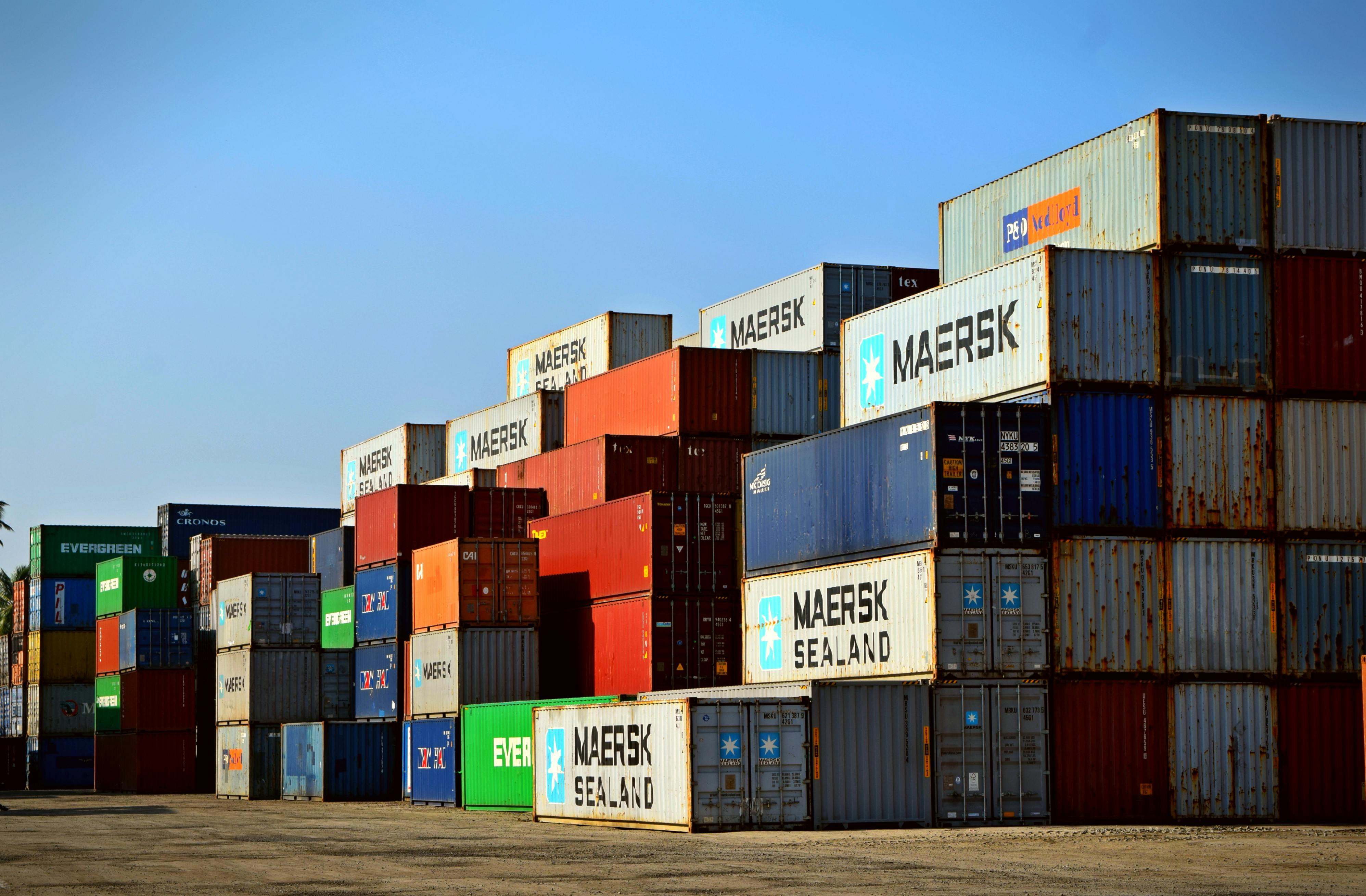
A large share of Canada's food supply includes imported ingredients or finished products. That makes border-related oversight important, especially when goods come from complex supply chains involving brokers, processors, and relabeling steps in several countries. Each added step can make traceability harder.
Canada uses import control programs, licensing requirements, preventive control expectations, and documentation checks to manage that risk. Importers are expected to know their suppliers and ensure products meet Canadian rules. Inspectors can verify records, examine shipments, and sample foods for testing.
This emphasis is practical, not political. Fraud can occur domestically or internationally, but imported food often requires more verification because inspectors cannot rely on direct visibility into every earlier stage of production.
Traceability records are often just as important as physical inspection

One of the least visible facts about food fraud enforcement is how much depends on paperwork and digital records. Inspectors do not simply look at labels and open packages. They examine invoices, supplier declarations, lot codes, shipping documents, and traceability systems that show where a product came from and where it went.
Those records can expose patterns that a physical inspection might miss. If a company sells more "wild" fish than it could realistically source, or buys suspiciously cheap ingredients for a premium line, the numbers may reveal the inconsistency before a lab result does.
Strong traceability also speeds up action. When authorities find a questionable product, good records help them identify affected lots quickly, narrow recalls, and determine whether a labeling error was accidental or part of a deliberate scheme.
Enforcement can include detention, recalls, penalties, and prosecution
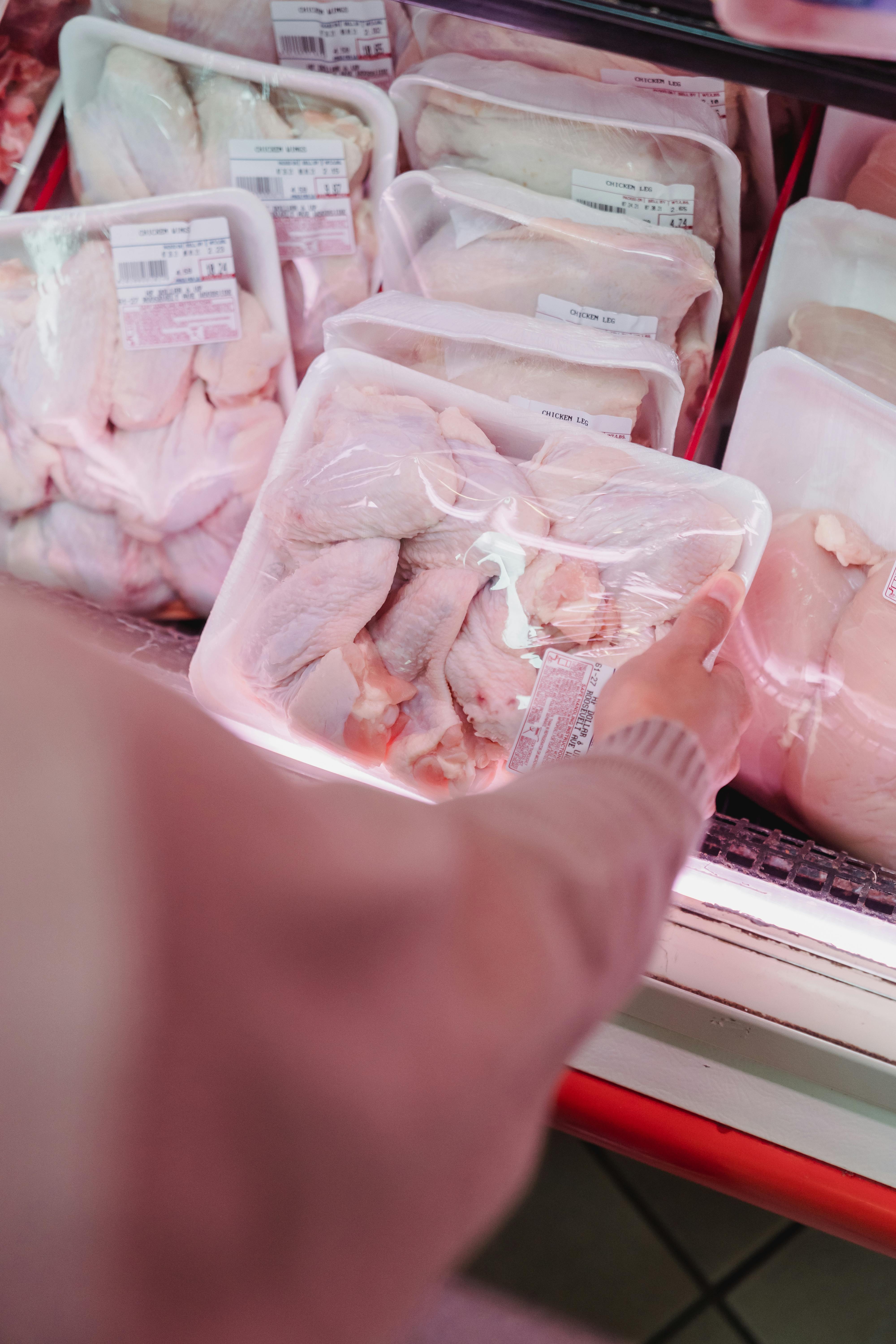
Inspection only matters if authorities can act on what they find. In Canada, responses to food fraud can range from compliance measures and warning letters to product detention, seizure, recalls, administrative monetary penalties, and prosecution in serious cases. The exact response depends on the evidence and the level of risk.
The Safe Food for Canadians framework gives regulators important tools to address false or misleading representations in the marketplace. If a product is marketed in a way that deceives buyers, authorities may intervene even when the issue is economic rather than immediately toxic.
Public reporting is also part of enforcement pressure. Recall notices and regulatory updates can damage a company's reputation, which gives businesses another reason to tighten supplier controls and verify claims before products reach shelves.
Canada's anti-fraud system depends on industry, consumers, and global intelligence

Food fraud inspection is not a closed-door government exercise. Canada's system works best when regulators, food businesses, laboratories, and consumers all contribute signals. Consumer complaints, whistleblower tips, and industry self-reporting can all trigger closer scrutiny of a product or supplier.
International cooperation matters too. Fraud trends often cross borders, and Canadian authorities pay attention to findings from foreign regulators, academic studies, and global monitoring efforts. If another country detects adulterated spices or mislabeled fish linked to shared supply chains, that intelligence can shape Canadian inspection priorities.
The final fact is the most important: prevention is the real goal. Catching fraudulent food after sale matters, but building strong supplier verification, testing, and traceability systems is what makes deception harder in the first place.




Leave a Reply