

It sounds like a joke at first. Then the numbers make it unforgettable.
It was one of the biggest food thefts in modern history

What made this case remarkable was not just the product, but the scale. In 2011 and 2012, thieves stole roughly 3,000 tonnes of maple syrup from a warehouse in rural Quebec, according to widely reported court records and Canadian news coverage.
The syrup was worth about C$18 million at the time, making it one of the largest agricultural thefts ever recorded. That figure instantly pushed the crime beyond local news and into international headlines.
Maple syrup may seem like an unusual target, but in Quebec it is a high-value commodity. The province produces most of the world's maple syrup supply, so a massive theft there carried serious economic weight.
The stolen syrup came from Quebec's strategic reserve
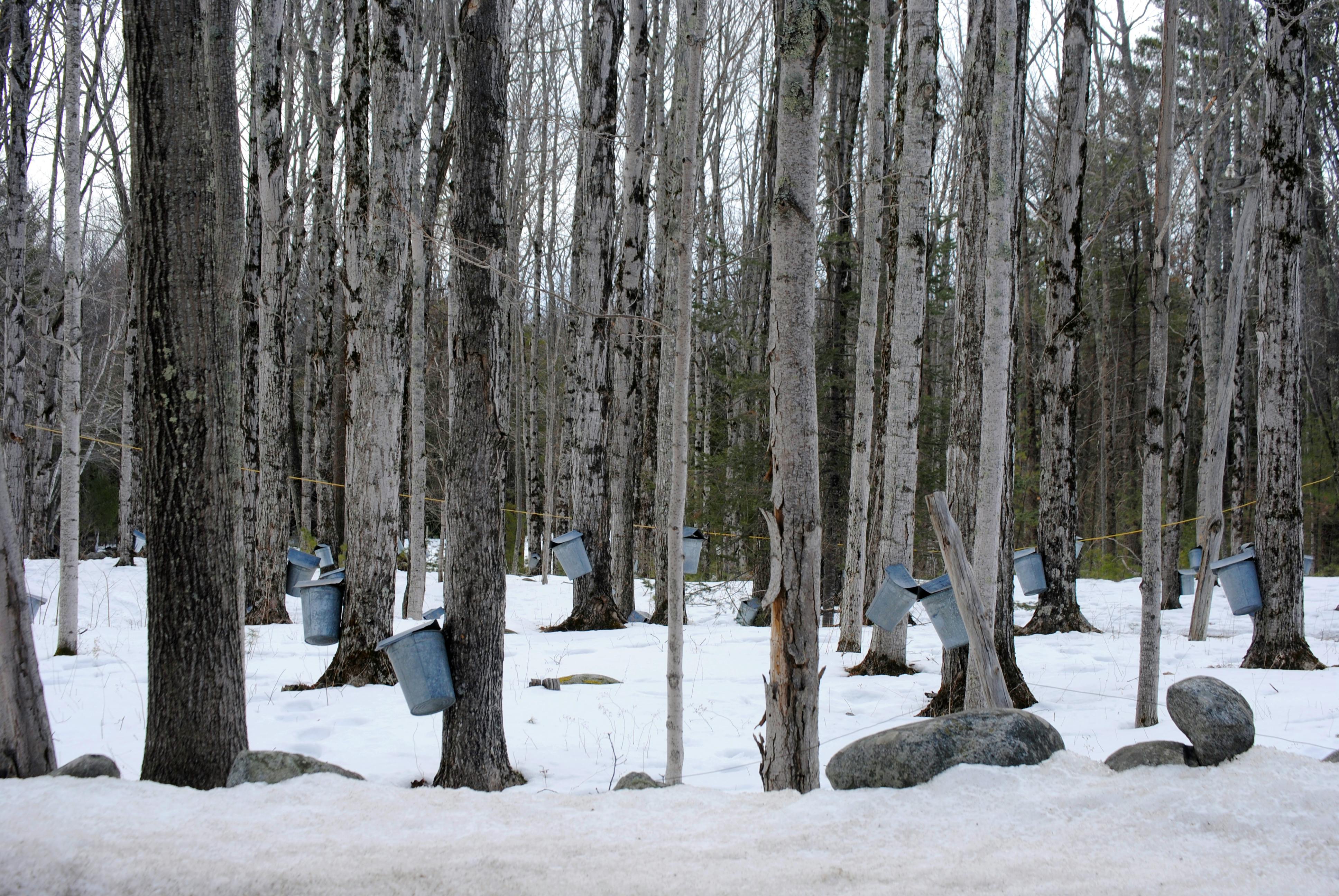
The surprising part is where the syrup was taken from. It was stolen from inventories tied to Quebec's maple syrup reserve, a stockpile managed by the federation that oversees much of the province's syrup market.
This reserve exists for a practical reason. Like oil reserves in energy markets, stored syrup helps stabilize supply and prices when harvests swing from strong years to weak ones.
Barrels were stored in a facility in Saint-Louis-de-Blandford, and that warehouse became the center of the crime. By targeting reserve stock, the thieves were not just stealing product. They were exploiting a system designed to protect the industry.
The thieves used a clever but risky barrel-switching method

At the heart of the heist was a scheme that depended on patience. Investigators said thieves removed full barrels of syrup, transferred the contents, and in some cases replaced them with empty barrels or barrels filled with water.
That swap helped delay discovery because a warehouse packed with thousands of barrels is not checked the way a jewelry case is checked. From a distance, the inventory still looked intact.
The plot began to unravel during a routine inspection when workers noticed some barrels were lighter than expected. Once suspicions grew, the scale of the missing syrup became impossible to ignore, and authorities launched a major investigation.
Police unraveled a network that stretched beyond one warehouse

This was never viewed as a simple one-person theft. Authorities described a network involving transport, resale, and storage, with syrup allegedly moved through multiple channels in Quebec and beyond.
According to reporting from CBC and Reuters over the years, investigators traced barrels, interviewed buyers, and followed unusual sales patterns. Some syrup was reportedly sold to legitimate dealers who did not initially know it had been stolen.
Arrests followed, and the legal process took years. Several people were charged, and court proceedings helped reveal how organized the operation had been, turning an odd headline into a serious case study in commodity crime.
The heist exposed how valuable and tightly controlled maple syrup really is

The lasting lesson is bigger than the theft itself. For many outsiders, the story introduced them to the unusual economics of maple syrup in Quebec, where production quotas, collective marketing, and reserve storage all play major roles.
Supporters of that system say it protects producers from wild price swings and poor harvest years. Critics argue that tight controls can create incentives for black-market dealing when prices are attractive.
Either way, the heist changed how people saw maple syrup. It was no longer just a breakfast staple. It became a symbol of how even familiar foods can sit at the center of a highly organized, highly profitable global trade.




Leave a Reply