What counts as unusual food often depends on where you grew up. Around the world, many dishes that seem surprising to outsiders are everyday staples with deep roots in local history, geography, and taste. This gallery explores six standout examples and the traditions that make them far more meaningful than a quick shock factor headline suggests.
Hákarl in Iceland
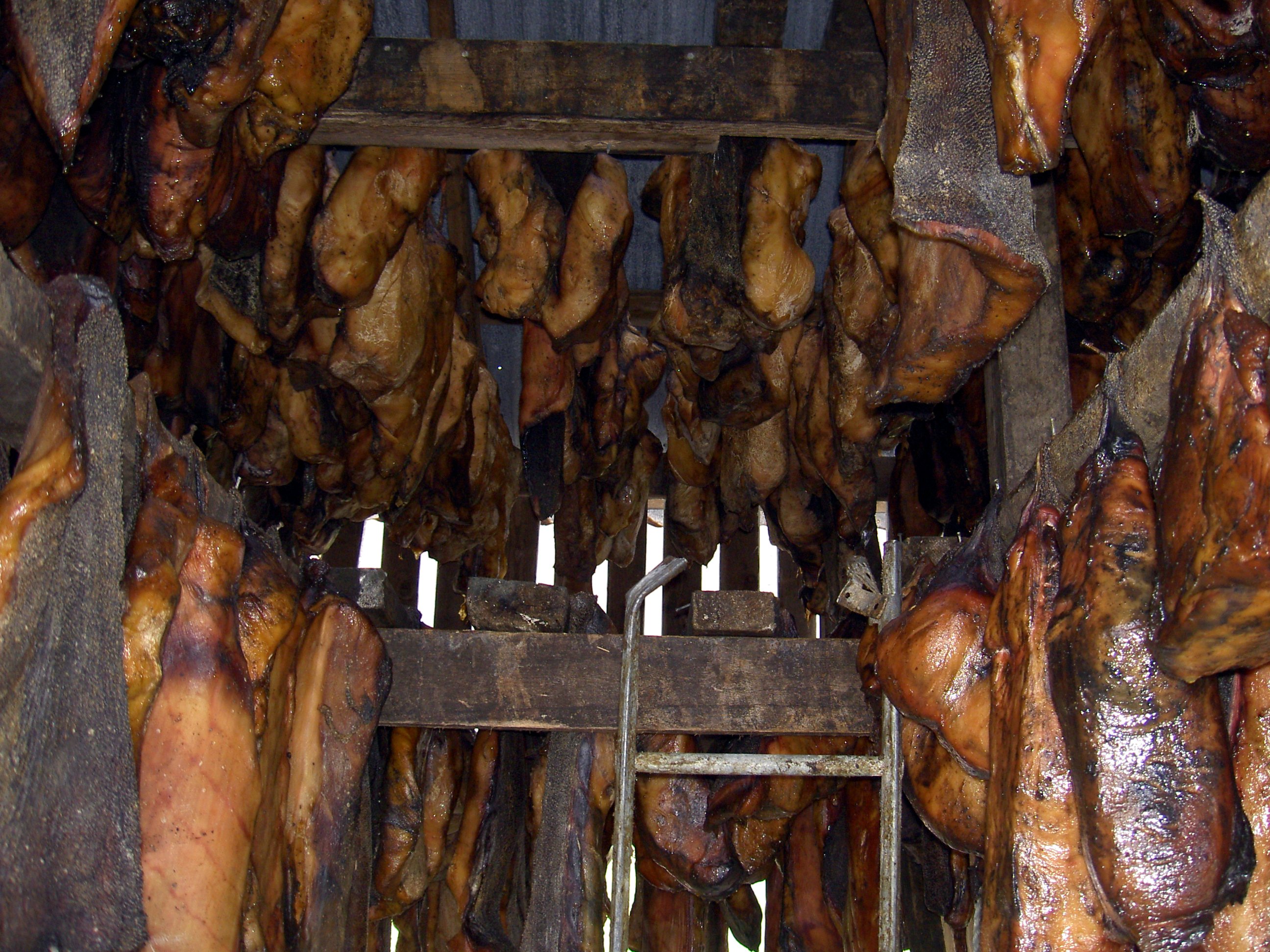
Few foods test first impressions like hákarl, Iceland's famous fermented shark. It is usually made from Greenland shark, a species whose fresh meat contains compounds that are unsafe to eat unless the flesh is processed first. Traditional preparation involves curing the meat for weeks, then hanging it to dry for several months.
The result is a firm, pale cube with a strong smell and an intensely savory taste. Hákarl is tied to Iceland's history of survival in a harsh climate, where preserving protein mattered. Today it is often served in small bites during festivals such as Þorrablót, where eating it connects people to older food traditions.
Casu Marzu in Sardinia

Casu marzu is one of those foods that instantly challenges the idea of what cheese should be. Made in Sardinia from sheep's milk cheese, it develops beyond standard fermentation when cheese skipper larvae help break down the fats, creating an exceptionally soft texture and a very strong, lingering flavor.
For many Sardinians, this is not a stunt food but part of a pastoral tradition shaped by rural life and resourcefulness. Its production has drawn health and legal debate, which is part of why it is difficult to find through regular commercial channels. Even so, it remains a powerful symbol of local identity and culinary inheritance.
Balut in the Philippines

Balut is often described in a way that makes people nervous before they ever taste it. In reality, this fertilized duck egg is a long-established snack in the Philippines and other parts of Southeast Asia, usually sold warm by street vendors and eaten straight from the shell with salt or vinegar.
Its appeal is partly about contrast. The broth-like liquid inside is rich and comforting, while the cooked contents offer a mix of textures in one bite. Balut is valued as affordable, filling food and is often associated with late-night street eating. For locals, it is familiar, practical, and deeply woven into everyday food culture.
Escamoles in Mexico

Sometimes called insect caviar, escamoles have a reputation that sounds more dramatic than the plate itself. These edible ant larvae and pupae, traditionally harvested from the roots of agave or maguey plants in central Mexico, have been eaten since the time of the Aztecs and remain prized for their delicacy.
When cooked in butter or oil, often with garlic, herbs, or epazote, escamoles develop a soft texture and a nutty, slightly buttery flavor. They are not everyday food for most people, partly because harvesting them is difficult and seasonal. That scarcity has helped make them a specialty ingredient in both rustic kitchens and high-end restaurants.
Fried Tarantulas in Cambodia
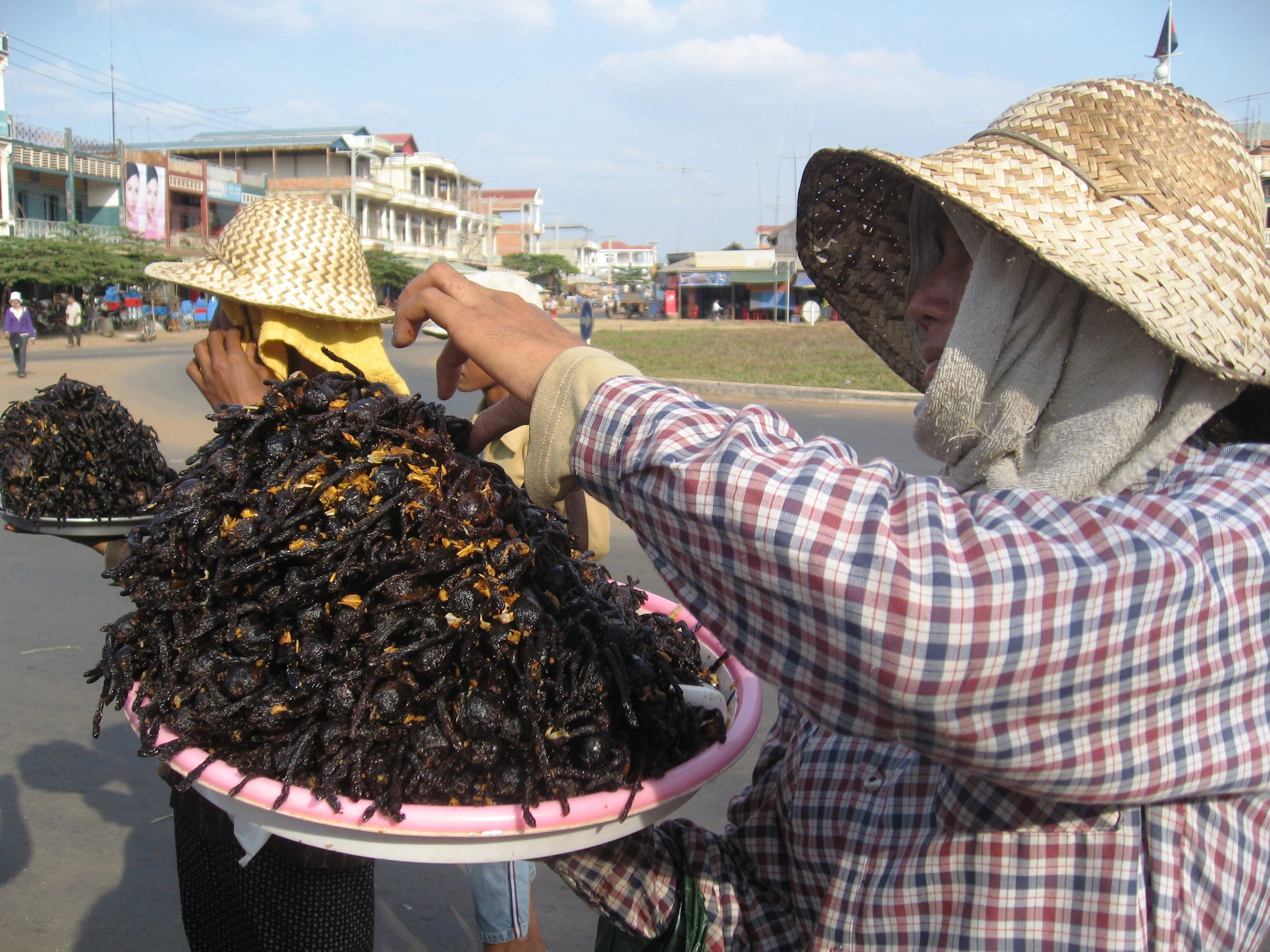
Fried tarantulas are one of Cambodia's most recognizable unusual foods, but their story begins with hardship rather than novelty. During periods of food scarcity, especially under the Khmer Rouge era, people turned to insects and spiders as accessible sources of protein. Over time, the practice endured and became part of local food culture.
Today, tarantulas are commonly associated with the town of Skuon, where vendors sell them as a crisp, seasoned snack. They are typically fried with salt, sugar, and garlic, giving the exterior a crunchy bite while the inside stays softer. For many travelers they are a dare, but for locals they also reflect resilience and adaptation.
Shirako in Japan
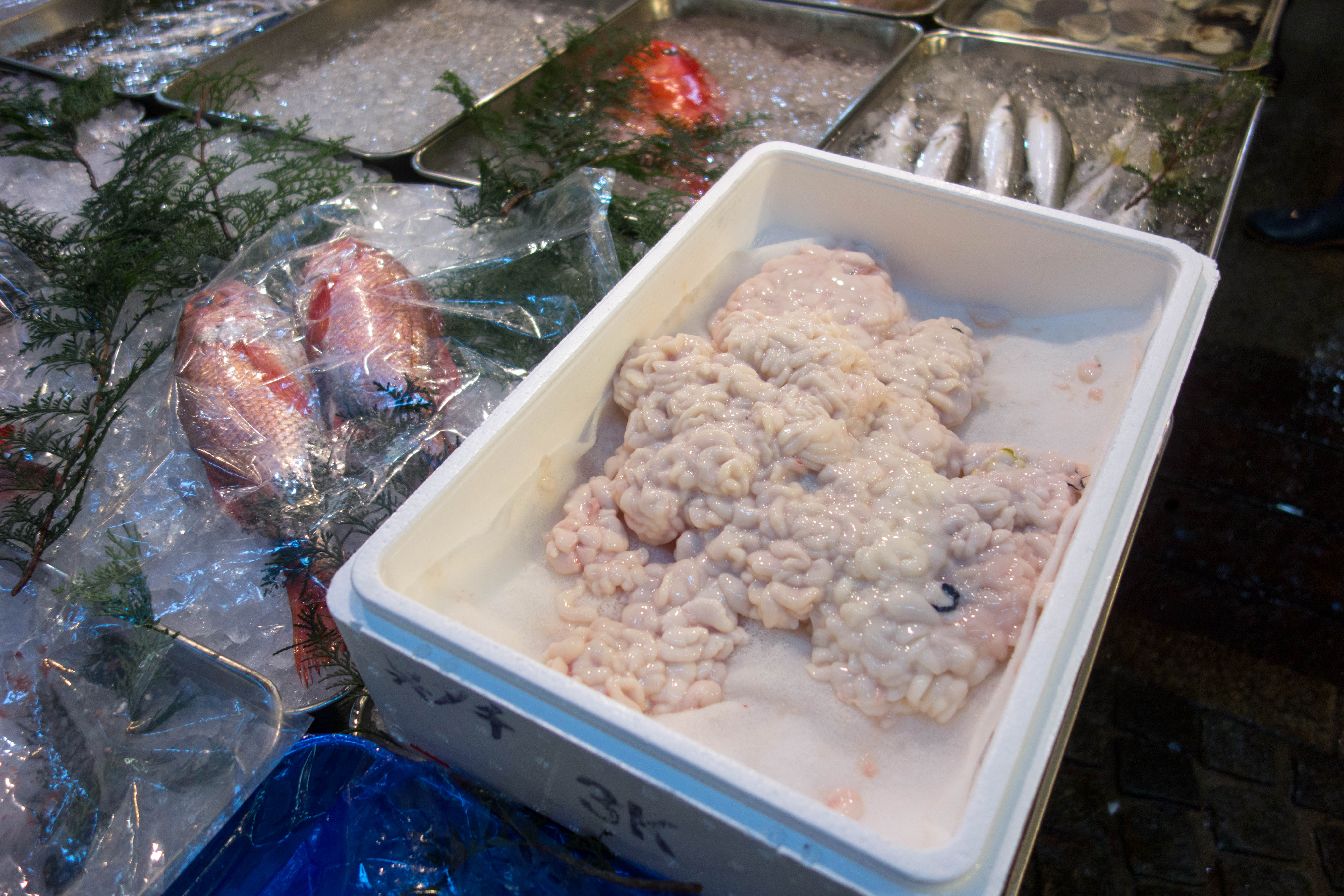
Shirako proves that delicacy is a matter of perspective. The name translates to white children, and the ingredient is the milt, or sperm sacs, of male fish such as cod, pufferfish, or anglerfish. In Japan, it is appreciated for its soft, creamy texture and mild sweetness, especially during colder months.
It may be served raw, lightly steamed, grilled, or added to hot pots, each method highlighting a different side of its texture. Fans often compare its richness to custard or very soft roe. While the idea can surprise visitors, shirako fits neatly into a culinary tradition that values seasonal ingredients, subtle flavor, and careful preparation.