
Before coins became universal, people often reached for what was valuable, portable, and widely desired. In many places, that meant food.
Salt

Salt may be the most famous food ever used like money, and for good reason. For most of history, it was essential for preserving meat and fish, seasoning food, and supporting basic health. In societies without refrigeration, its practical value made it more than a kitchen staple.
In parts of the Roman world, salt was closely tied to wages and state supply systems, which helped cement its reputation as a form of payment. Historians still debate how literally Roman soldiers were paid in salt, but the connection survives in the word "salary," which comes from the Latin tied to salt allowances.
Salt also circulated as trade currency in Africa for centuries. In the trans-Saharan trade, slabs of salt moved alongside gold, textiles, and enslaved people, especially through hubs such as Timbuktu. According to economic historians, in salt-poor regions, dense blocks of the mineral could hold astonishing value because they answered a daily necessity no community could ignore.
Cacao Beans
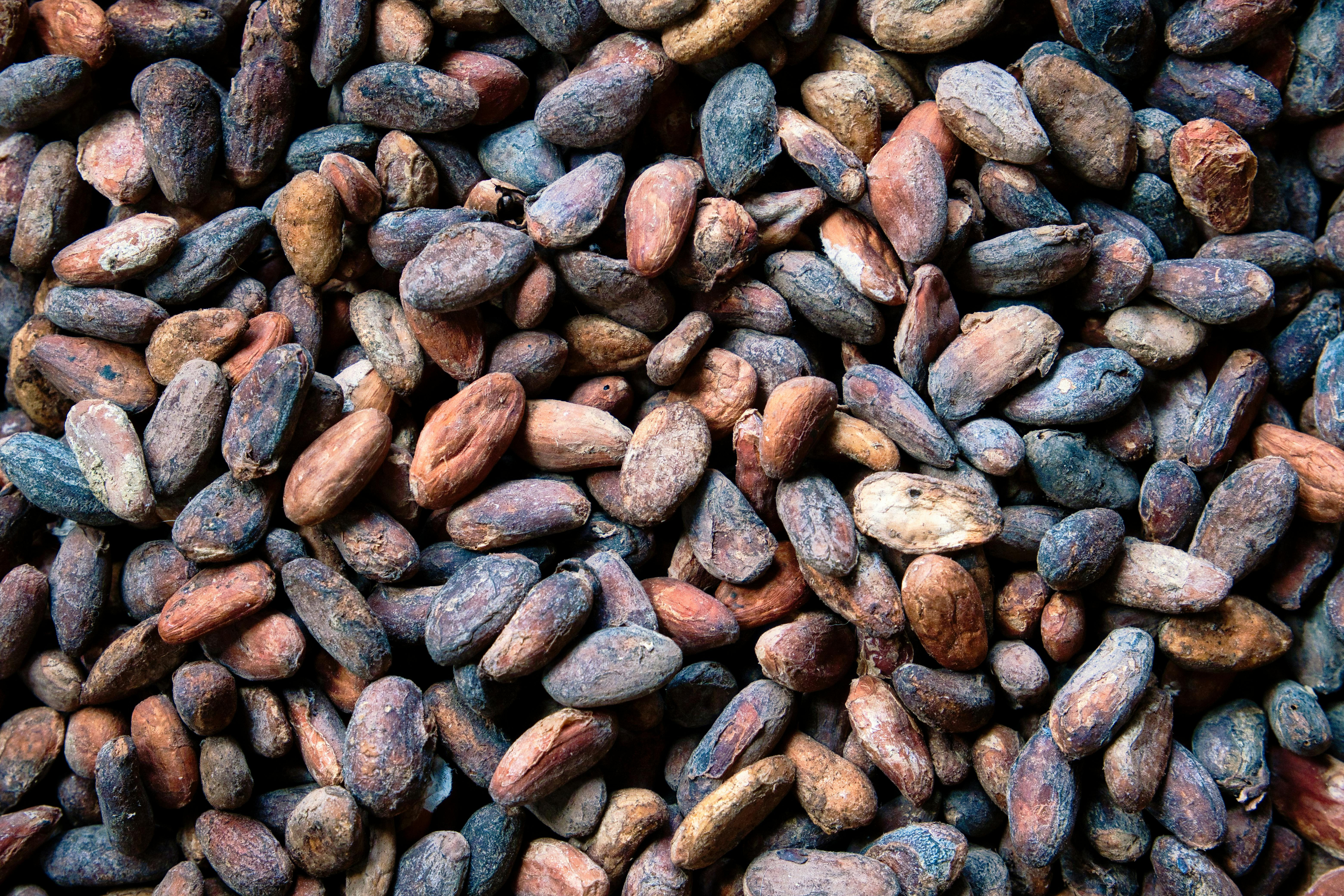
Few foods illustrate the idea of edible money better than cacao beans. In Mesoamerica, especially among the Maya and Aztecs, cacao was prized both as a luxury good and as a practical currency used in markets and tribute systems.
Spanish chroniclers recorded price lists that showed how beans bought ordinary goods. A tomato, a rabbit, or a meal might each carry a value counted in cacao beans, making them small, divisible units ideal for exchange. That mattered in busy market economies where barter alone could be clumsy.
Cacao worked as money because it was recognizable, countable, and in constant demand. It also carried social prestige, since cacao drinks were associated with elites, rituals, and political power. Its weakness was obvious too: beans could spoil, be hoarded, or even be counterfeited, with some reports describing empty shells filled with dirt.
Peppercorns
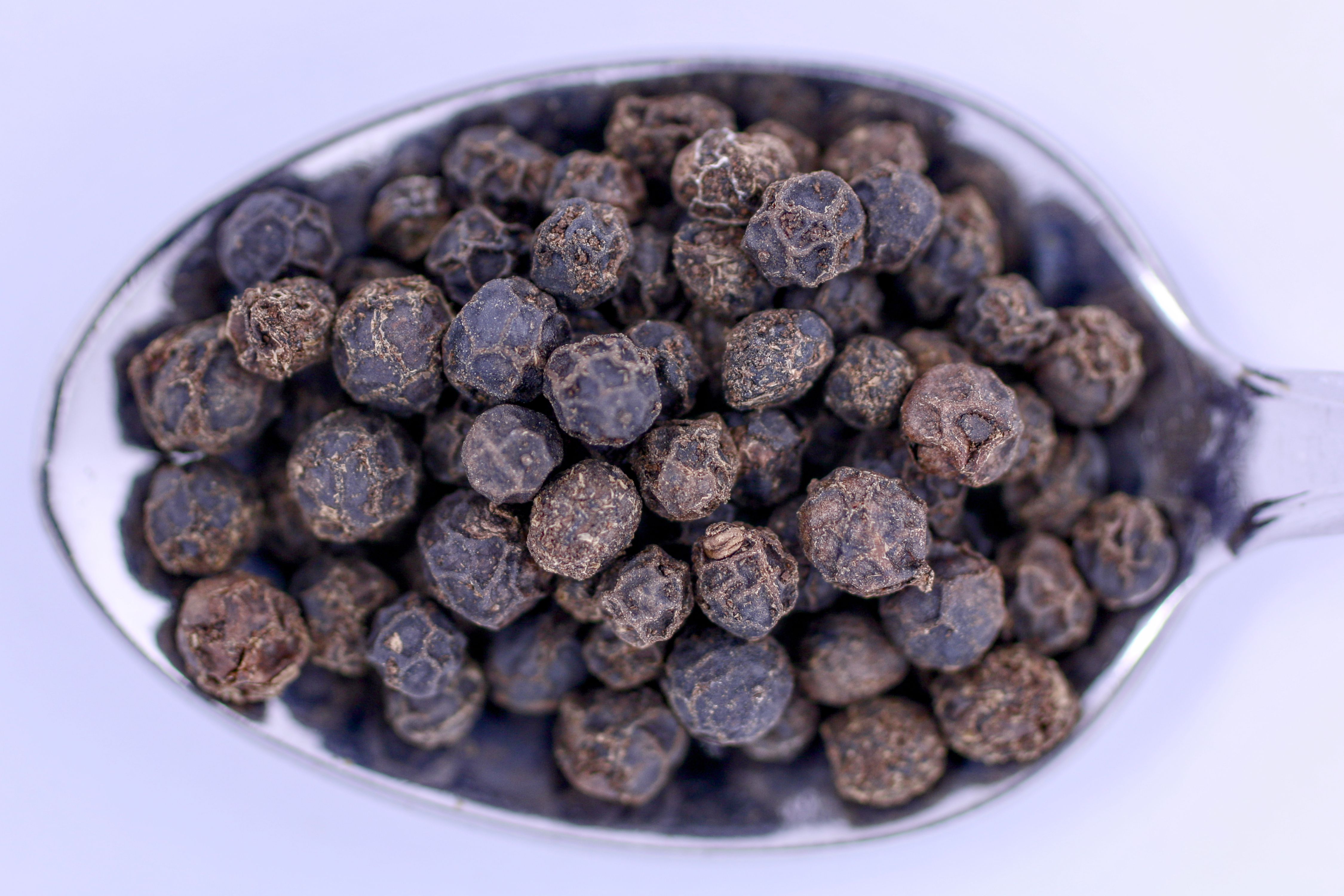
Black pepper once had such high value in Europe that it could settle rents, taxes, and dowries. Today it sits quietly on restaurant tables, but in the Middle Ages it was an imported luxury that traveled long distances from South and Southeast Asia through complex trade networks.
Because pepper was compact, durable, and consistently desired by wealthy households, it became a convenient store of value. The phrase "peppercorn rent" survives in law and property language as a reminder of a time when a token or actual pepper payment could formalize an agreement.
Its monetary role was strongest where imported spices signaled status and scarcity. Venetian and later broader European trade helped keep prices elevated for centuries. In effect, pepper behaved like a high-value commodity currency, especially in elite transactions where trust rested on a good everyone recognized and wanted.
Tea Bricks
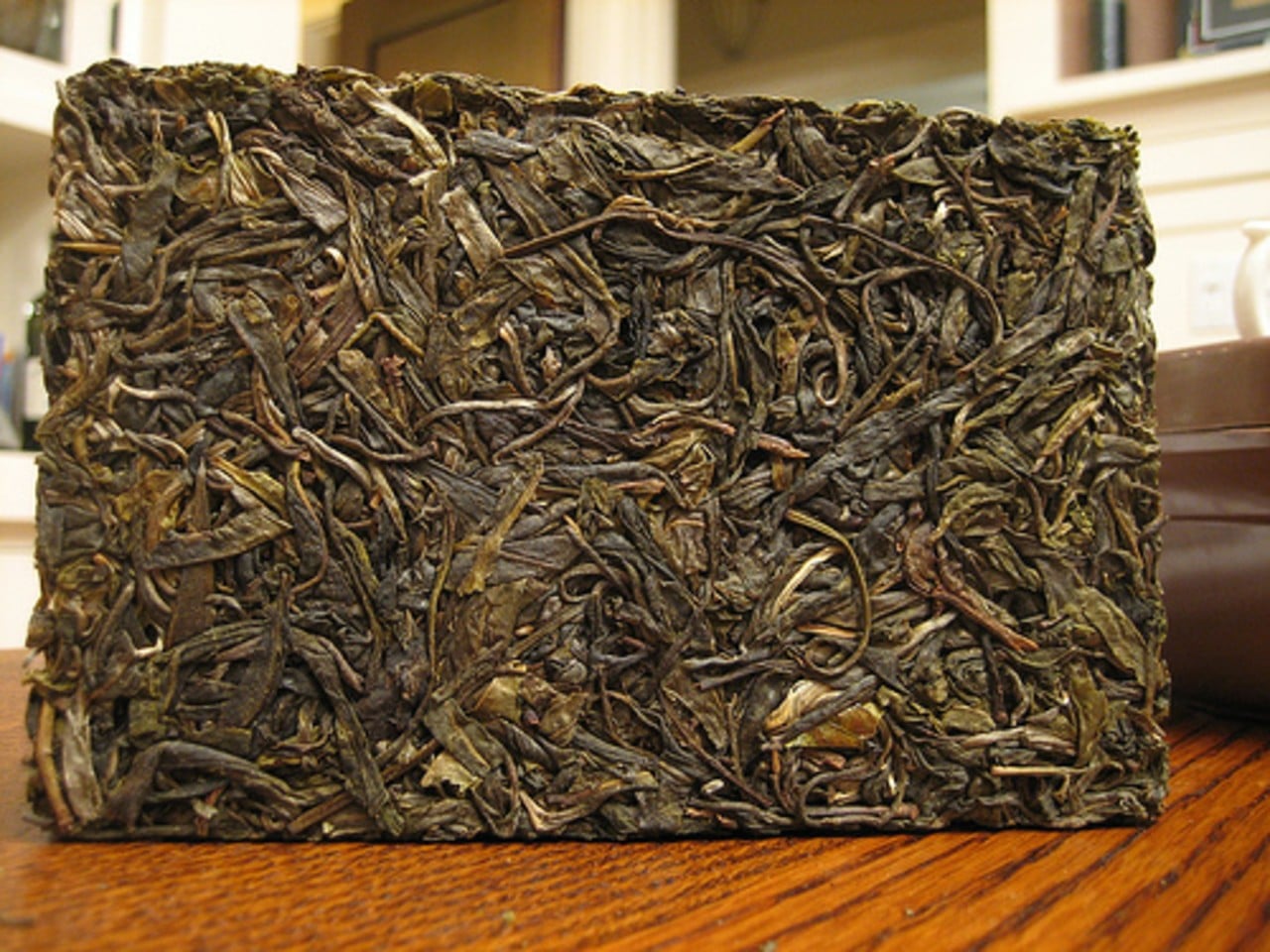
Tea served as money in a form modern readers may find surprisingly literal: compressed tea bricks. In Tibet, Mongolia, China, and parts of Central Asia, bricks of tea were manufactured, transported, traded, and sometimes taxed almost like minted objects.
Their usefulness came from a smart combination of nutrition, habit, and portability. Tea was widely consumed, especially when boiled with butter or milk in highland societies, so demand was built into everyday life. Pressing leaves into bricks made them easier to stack, standardize, and carry across caravan routes.
Travel accounts and regional histories describe tea bricks being used to buy horses, food, and labor. Lower-grade bricks could even circulate in remote areas where coin supplies were thin. Their value depended on quality and weight, but their success as currency shows a key economic truth: money works best when people already trust its everyday usefulness.
Rice

Rice has functioned as a tax payment, wage substitute, and unit of value across much of Asia. In agrarian societies where rice anchored diet, labor, and political power, using it as money was less unusual than it sounds to modern ears.
In Japan, rice was especially important in the feudal era. Wealth was often measured in koku, a unit based on the amount of rice needed to feed one person for a year. Samurai stipends and domain productivity were evaluated through rice, even when accounting became more abstract than the grain itself.
Rice also played monetary roles elsewhere, including parts of Southeast Asia where harvests shaped local exchange. Its great strength was universal need. Its weakness was storage and transport, since grain is bulky and vulnerable to moisture, pests, and spoilage, which limited how efficiently it could function compared with coined money.
Cheese
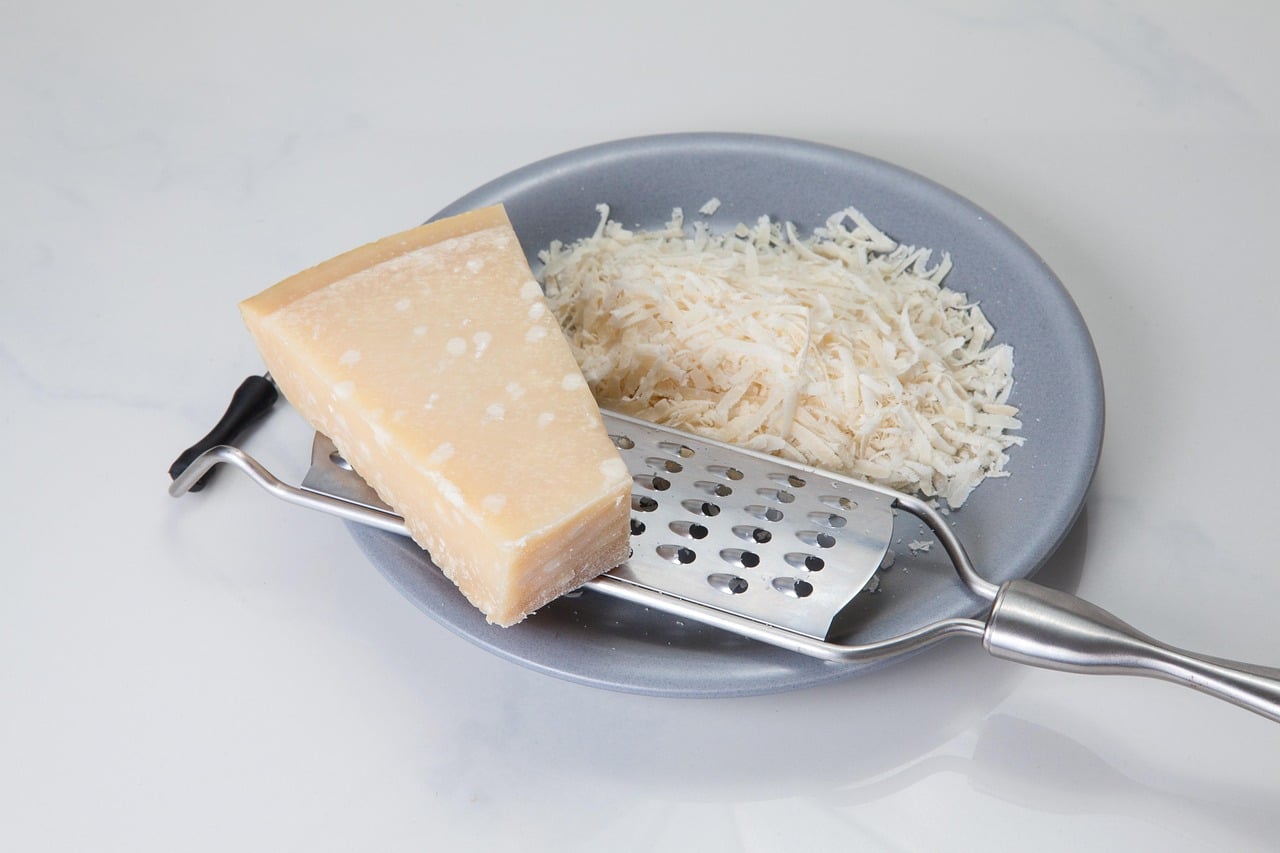
Cheese is the least expected item on this list, yet it did serve as a medium of exchange in specific local economies. In pastoral regions where dairy production anchored survival and trade, hard cheese could represent stored labor, livestock wealth, and market value in a durable form.
Medieval and early modern records from parts of Europe show cheese used in rents, dues, and barter arrangements that operated very much like payment. In rural communities with limited coin circulation, foods with dependable value often filled the gap. Cheese fit that pattern when it was hard, transportable, and locally respected.
Its currency role was usually regional rather than imperial, which makes it historically revealing. Money does not need to be glamorous to work. It only needs broad acceptance, predictable value, and practical usefulness, and in the right setting, a wheel of cheese could meet all three tests surprisingly well.


Leave a Reply