
Space changes more than how people move. It also changes how food tastes.
Fluids Shift Upward and Dull the Sense of Taste
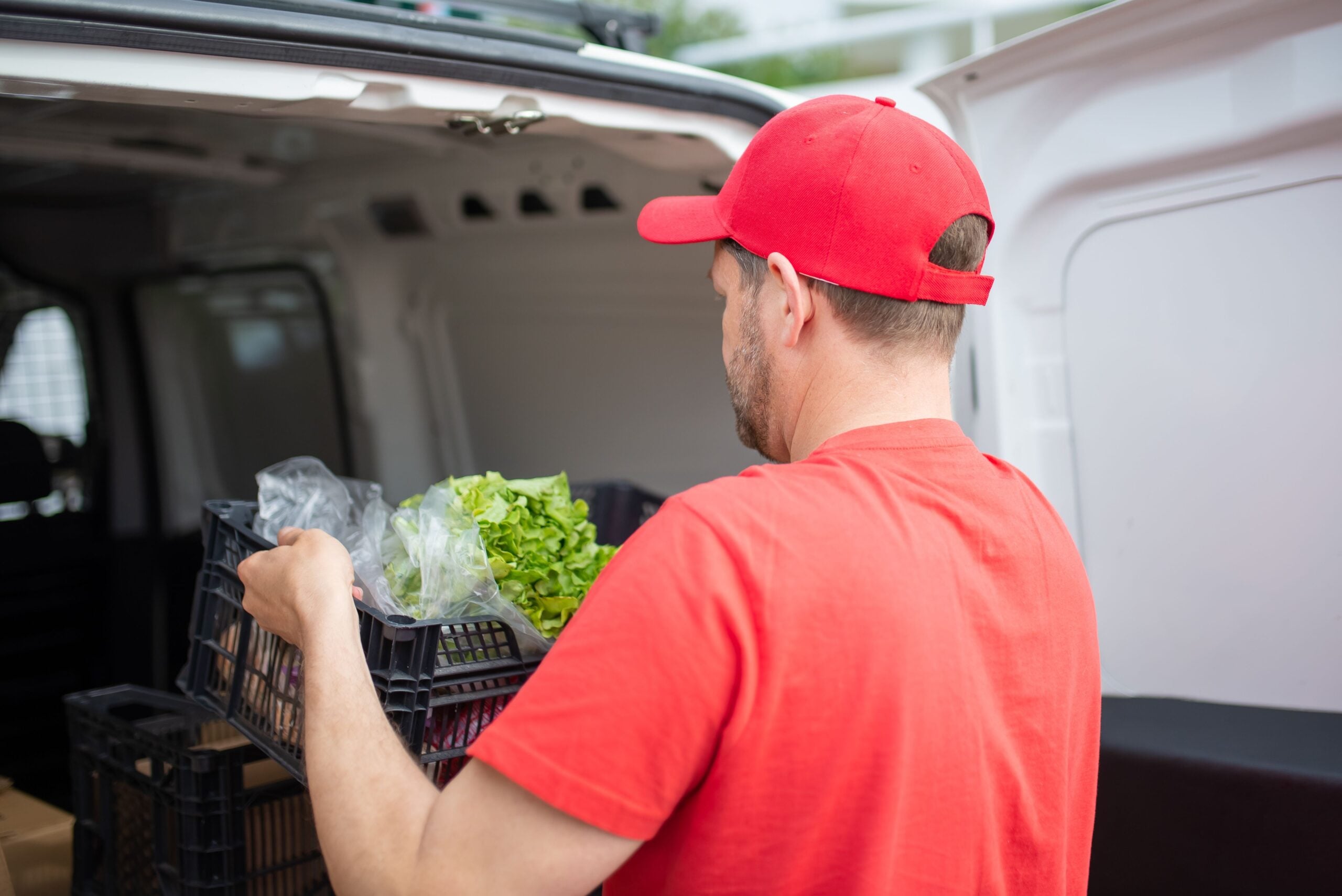
The first surprise of orbit is what happens to the body, not the menu. In microgravity, fluids that gravity normally keeps lower in the body drift upward, creating the puffy face and stuffy-nose feeling astronauts often describe during the first days in space.
That congestion matters at mealtime because smell drives much of what people experience as flavor. When nasal passages feel blocked, subtle aromas become harder to detect, and foods that seemed balanced on Earth can taste muted or flat in orbit.
Former astronauts have repeatedly said they reached for hot sauce, horseradish, and strong condiments because these flavors cut through that sensory fog. NASA has long stocked spicy items including taco sauce and red pepper-based seasonings for exactly this reason.
Researchers who study flavor perception note that when aroma drops, people tend to favor foods with more heat, acid, salt, or texture. In orbit, spicy food becomes less of a thrill-seeking choice and more of a practical way to make meals taste vivid again.
Spicy Foods Deliver Stronger Sensations Than Mild Meals
Not all flavor depends on taste buds alone. Chili peppers activate pain and heat receptors, especially the TRPV1 receptor, which means spicy food creates a physical sensation as well as a taste experience.
That distinction is important in space because even when sweetness or delicate aromas seem blunted, the burn of capsaicin still registers clearly. A bland chicken dish may fade into the background, but a spoonful of salsa or wasabi announces itself instantly.
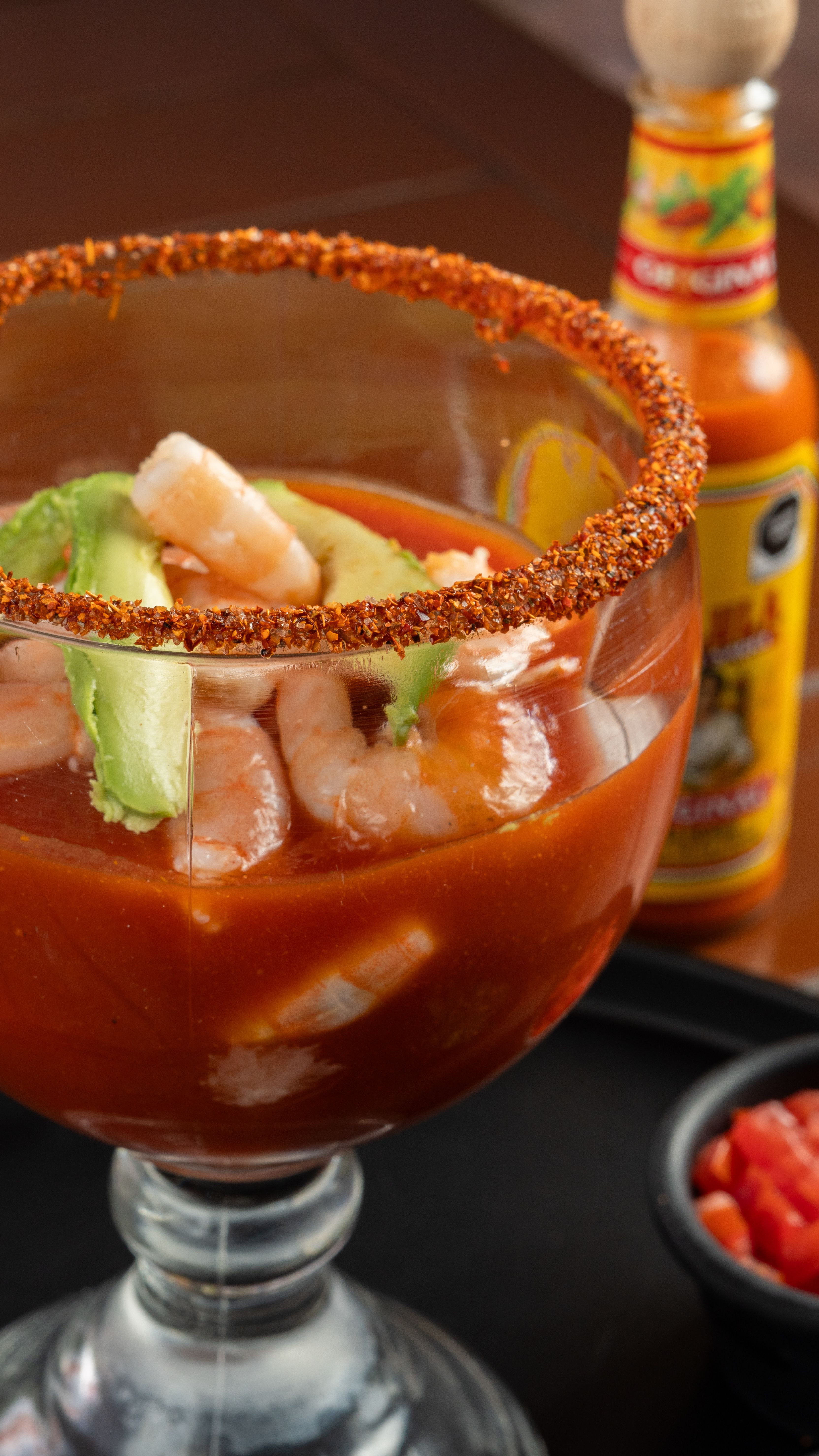
This helps explain why astronauts often prefer assertive foods over gentle ones. On missions, shrimp cocktail became famous partly because its horseradish-heavy sauce delivered a sharp punch that remained satisfying even when other flavors felt subdued.
Food scientists often describe this as multimodal eating. The best space foods do not rely on a single sensory channel. They combine smell, mouthfeel, temperature, acidity, and spice, giving astronauts a fuller eating experience when one pathway is underperforming.
Packaged Space Food Can Flatten Flavor Over Time

Another reason spice becomes attractive is simpler: stored food loses some sparkle. Space meals must survive processing, packaging, and long storage, all of which can soften aromas and reduce the freshness people associate with just-cooked food.
Thermostabilized entrees, freeze-dried ingredients, and shelf-stable snacks are safe and efficient, but they do not always deliver the bright top notes of fresh herbs, fried aromatics, or crisp produce. Over time, that can make repeated meals feel predictable.
Strong condiments help repair that gap. A packet of hot sauce, garlic paste, or spicy mustard can transform a standard item without adding major preparation time, extra crumbs, or significant mass, all critical concerns in a spacecraft environment.
This is one reason menus for the International Space Station include bold options from different culinary traditions. Russian crews, American crews, and international partners all benefit from seasonings that can revive packaged foods and reduce menu fatigue.
Cravings in Orbit Are Also About Comfort and Morale

Eating in space is not only about nutrition. It is also one of the few daily rituals that offers comfort, variety, and a reminder of home, especially on missions where crews live in confined quarters for months.
Spicy foods can carry powerful cultural and emotional value. For some astronauts, a hot sauce or peppery dish tastes familiar, energizing, and personal, which matters in a place where almost every routine is regulated by checklists and schedules.
Psychologists who study isolated environments have long found that enjoyable meals support morale and social bonding. Shared favorites at the table, even a floating one, can lift mood, encourage appetite, and break the monotony of highly structured mission life.
Astronaut accounts often reflect that reality. They do not just say spicy foods taste better. They also describe them as more satisfying, more memorable, and better at making dinner feel like a real event instead of another operational task.
Spices Help Keep Meals Appealing on Long Missions
The longer a mission lasts, the more important food variety becomes. Appetite can drop when meals become repetitive, and that is a serious concern because astronauts must maintain energy intake, muscle mass, and overall health in a demanding environment.
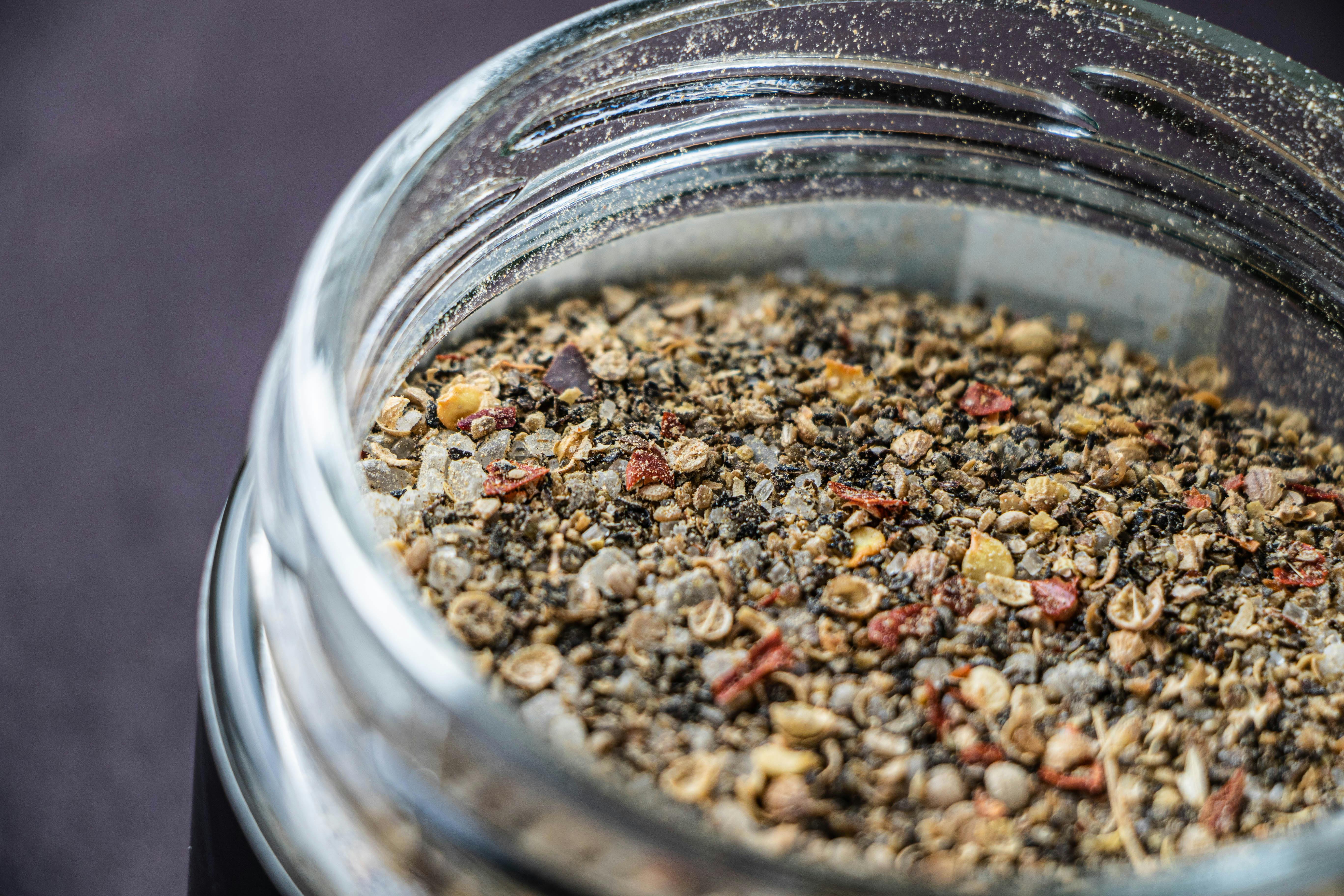
Bold seasonings are one of the easiest tools for preserving interest in familiar foods. A burrito filling can become completely different with chili paste one day, curry seasoning the next, and a vinegar-forward sauce later in the week.
NASA and other space agencies pay close attention to menu acceptance for this reason. If crewmembers consistently avoid certain foods, nutritional targets become harder to meet, so flavor flexibility is not a luxury but part of mission planning.
As agencies prepare for lunar stays and eventual Mars missions, this lesson becomes even more important. Spicy foods are not merely a quirky astronaut preference. They are a smart, evidence-backed way to keep eating enjoyable, consistent, and nutritionally reliable far from Earth.




Leave a Reply