
Some food records are so extreme they sound made up. Yet each one shows how far culinary ambition, engineering, and spectacle can go when people decide bigger really is better.
The tallest burger ever built defied gravity as much as appetite

A burger is usually a handheld meal, but this one became a construction project. The tallest burger ever recorded reached more than 65 cm, turning a familiar fast-food staple into a balancing act that required precision as much as cooking skill.
What makes a record like this remarkable is not just height, but structure. A burger stacked that high risks collapse from moisture, shifting layers, and sheer weight. Builders have to think like chefs and engineers at the same time, choosing buns, patties, and fillings that can hold shape without compressing everything beneath them.
Guinness World Records has documented several giant burger achievements over the years, and in every case, stability is the hidden challenge. Lettuce wilts, sauces slide, and patties settle under pressure. Keeping the tower upright long enough for official measurement is often harder than preparing the ingredients themselves.
These oversized burgers also reveal something important about food records. They are rarely about everyday eating. They are staged feats that combine culinary showmanship, crowd appeal, and technical planning, which is exactly why they seem impossible at first glance.
The world's largest pizza was less dinner than a full-scale event
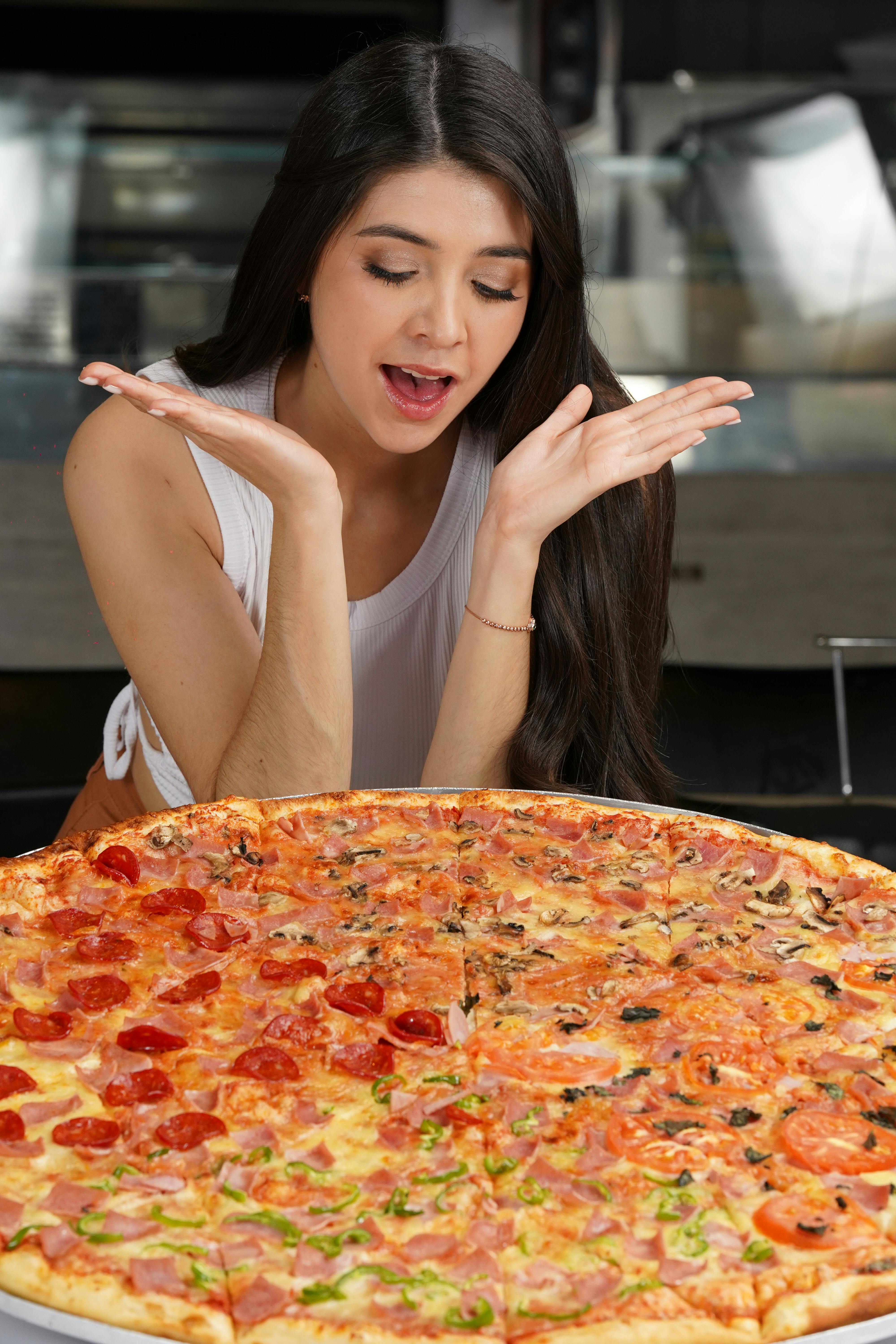
Pizza is built for sharing, but the largest pizza ever made took that idea to an absurd level. Officially measured at more than 13,000 square feet, it was closer to a floor installation than a meal, requiring industrial equipment and carefully organized teams.
The record-setting pizza, created in Rome, was also notable for being gluten-free. That detail mattered because it showed the project was not just about size. It also demanded consistency across a huge surface, which is difficult when dough texture, topping spread, and baking conditions must remain even from edge to edge.
Large food records often become logistics stories. In this case, ingredients had to be moved, distributed, and cooked in sections with extraordinary coordination. Flour, tomato sauce, and toppings were measured on a scale that looked more like event production than kitchen prep.
According to Guinness, giant pizza records are judged with strict measurement rules, because irregular shapes can distort the final number. That makes precision central to the spectacle. A pizza this large is impressive not only because of appetite, but because of planning.
The heaviest cabbage ever grown turned a humble vegetable into a giant

Cabbage is not usually dramatic, which is why this record feels so strange. The heaviest cabbage on record weighed more than 60 kg, transforming an ordinary garden crop into something that looked more like farm machinery than produce.
Records like this begin long before harvest day. Growers select seed varieties carefully, manage soil nutrients in exact proportions, and monitor watering with obsessive attention. A giant cabbage is not an accident. It is the result of months of disciplined horticulture, favorable weather, and protection from pests that could ruin growth in days.
Agricultural experts often note that giant vegetable growing is a niche science. Oversized crops demand space, root health, and controlled feeding, but they also need restraint. Too much fertilizer or water can split heads or weaken structure, ending a record attempt before official weigh-in.
This is what makes the cabbage record so hard to believe. It takes a vegetable associated with slaw and soup and places it in the world of elite competition. Behind the novelty is serious farming knowledge applied at an almost obsessive level.
The longest noodle ever made stretched pasta to astonishing lengths
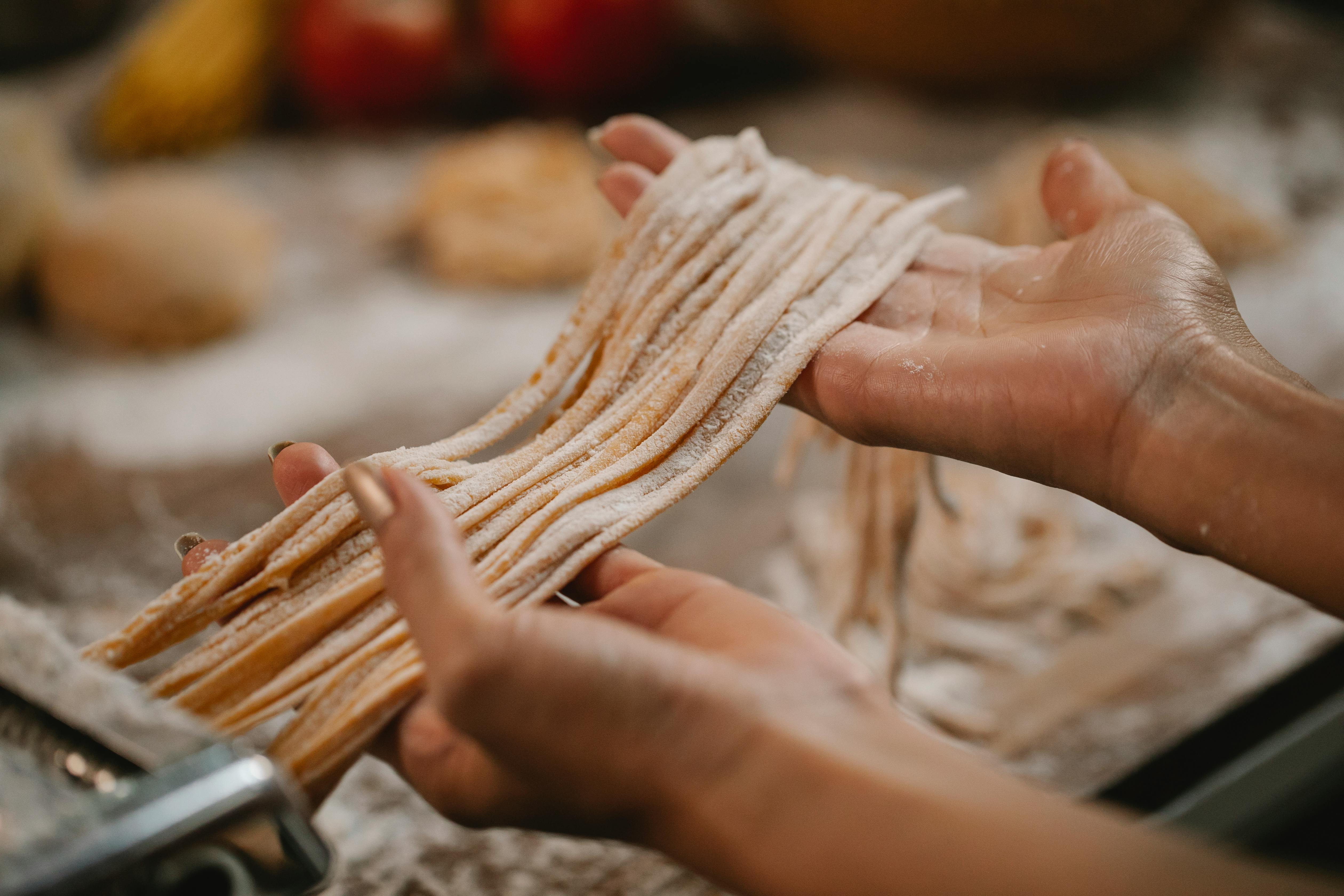
Noodles are normally judged by texture and flavor, but one record turned them into a test of continuous craftsmanship. The longest noodle ever recorded measured well over 3,000 m, a distance so extreme it sounds less like cooking and more like a performance in endurance.
Making a noodle that long is not simply a matter of rolling extra dough. The gluten structure has to be elastic enough to stretch without snapping, while thickness must remain consistent from start to finish. One weak point can ruin the entire attempt instantly.
This is why noodle masters are often central to such records. In many culinary traditions, hand-pulled noodles already require rhythm, control, and years of practice. Scaling that skill into record territory demands not only technique, but environmental control, because temperature and humidity affect dough behavior significantly.
The result is a record that highlights craft rather than bulk alone. Length becomes the headline, but discipline is the real story. A noodle stretching for kilometers captures attention precisely because such fragile material should not be able to survive that journey intact.
The largest box of chocolates proved confectionery can become architecture

Chocolate is usually associated with delicacy, but this record celebrated volume on a monumental scale. One giant box of chocolates weighed several tonnes, turning a familiar gift item into a large-format build that required structural planning, packaging design, and temperature management.
Chocolate becomes difficult at size because it is highly sensitive to heat and handling. Large molded pieces can crack under their own weight, while fillings and coatings react differently depending on ambient conditions. A record attempt therefore depends on much more than recipe quality.
Event organizers also have to consider food safety and presentation. Judges need verifiable dimensions and weight, while spectators expect something visually striking. That combination pushes chocolatiers into a rare space where candy-making overlaps with engineering and exhibition design.
What sounds impossible here is not merely the quantity of chocolate. It is the idea that a product known for precision and finesse can be expanded without losing identity. The biggest chocolate records succeed when they still look unmistakably like chocolate, only on an absurd scale.
The most expensive pizza ever showed that records are not always about size

Not every impossible-sounding food record is gigantic. Some depend on rarity, craftsmanship, and luxury ingredients. One of the world's most expensive pizzas has been priced in the thousands, featuring items such as premium caviar, rare cheese, and seafood prepared with restaurant-level precision.
At that level, the record becomes a question of value rather than scale. The dough may undergo long fermentation, the toppings may be added in carefully timed stages, and the final product may be made only to order. Every component is selected to justify the extraordinary price.
Food economists and hospitality experts often point out that luxury records work because they create scarcity and attention at once. People are not just paying for ingredients. They are paying for exclusivity, storytelling, and the right to say they experienced something few others ever will.
That is why this record sounds impossible in a different way. It challenges the idea of pizza as affordable comfort food and turns it into fine dining theater. The result is less about hunger and more about status, craftsmanship, and culinary spectacle.




Leave a Reply