
Some food sayings feel warm and familiar. Their backstories, however, are often much stranger than the meanings we use today.
Bite the bullet

This idiom is often explained with a dramatic image: a wounded patient clamping down on a bullet during surgery. It is vivid, memorable, and probably wrong. Language historians at Oxford Reference and Merriam-Webster note that hard evidence for this medical story is thin.
The phrase appears in print in the late 19th century, especially in military-style writing, where it meant enduring pain or facing something unavoidable. Soldiers certainly did bite on objects during treatment, but bullets were not standard surgical tools for that purpose. Leather straps or wood were more plausible.
What makes the idiom odd today is that people use it for routine inconveniences. You "bite the bullet" to file taxes or answer email. Once separated from actual danger, the phrase becomes a surprisingly casual way to describe ordinary reluctance.
Bring home the bacon

At first glance, this sounds like a cheerful celebration of breakfast. In modern English, it means earning money or providing for a household. Yet its history is less culinary than economic, and it likely gathered meanings from several traditions rather than one neat origin story.
One often repeated tale points to medieval England, where a married couple could supposedly win a side of bacon by proving marital harmony. Folklore preserves versions of that story, but scholars have not treated it as the main source of the modern idiom.
By the early 20th century, American newspapers were using "bring home the bacon" in the sense of securing success or wages. Sportswriters and advertisers helped popularize it. Once you know that, the phrase sounds less like rustic wisdom and more like a slogan built from older food imagery.
Butter someone up
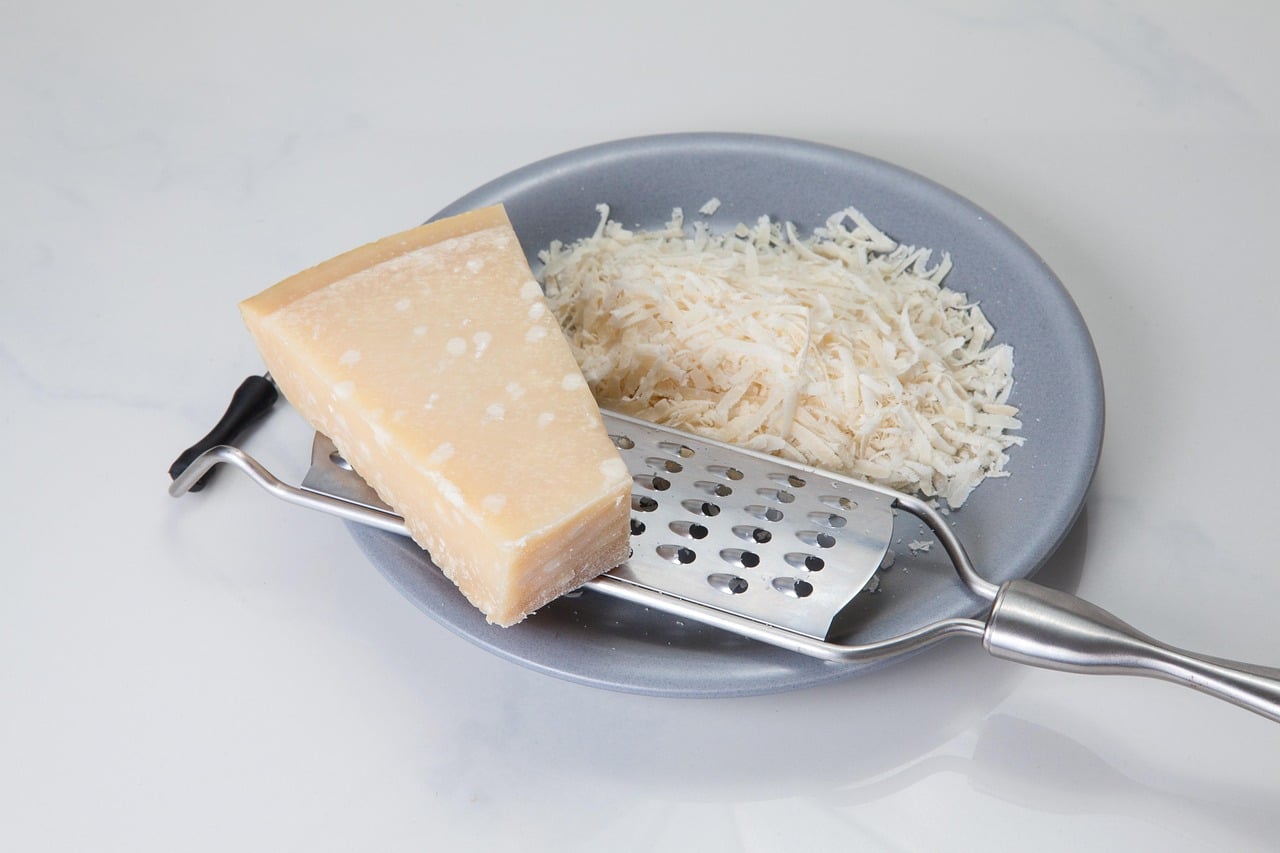
This phrase now means flattering someone to win favor, often in a slightly manipulative way. It sounds modern, almost office-like, but its roots may reach back to ritual offerings. Several dictionaries trace it to ancient customs in South Asia in which people threw balls of clarified butter at statues of gods while praying for favor.
Whether that exact practice directly produced the English idiom is difficult to prove completely. Still, the idea of using butter as a literal medium for persuasion is much older than the modern social meaning. That is what makes the phrase feel so mismatched now.
Today, nobody imagines dairy flying through the air when a colleague praises a manager's presentation. The idiom survives because the logic still works: smooth, rich, pleasing things became linked with softening resistance. The original image, however, is far stranger than the polite flattery it now describes.
Chew the fat

This expression means chatting at length, usually in an easy and informal way. The obvious assumption is that it comes from people literally eating fatty meat while talking. In fact, the evidence is murkier, and the expression may have developed from older associations with chewing tough material slowly over time.
Historical examples show up in the late 19th century, with soldiers and sailors often mentioned in discussions of its spread. Some writers have connected it to preserving meat or shipboard rations, but lexicographers have not settled on a single proven origin.
What is clear is that the phrase shifted from physical chewing to leisurely conversation. That leap is not as natural as it sounds. Once you notice it, "chewing the fat" becomes a strangely graphic way to describe nothing more dramatic than small talk.
Take with a grain of salt
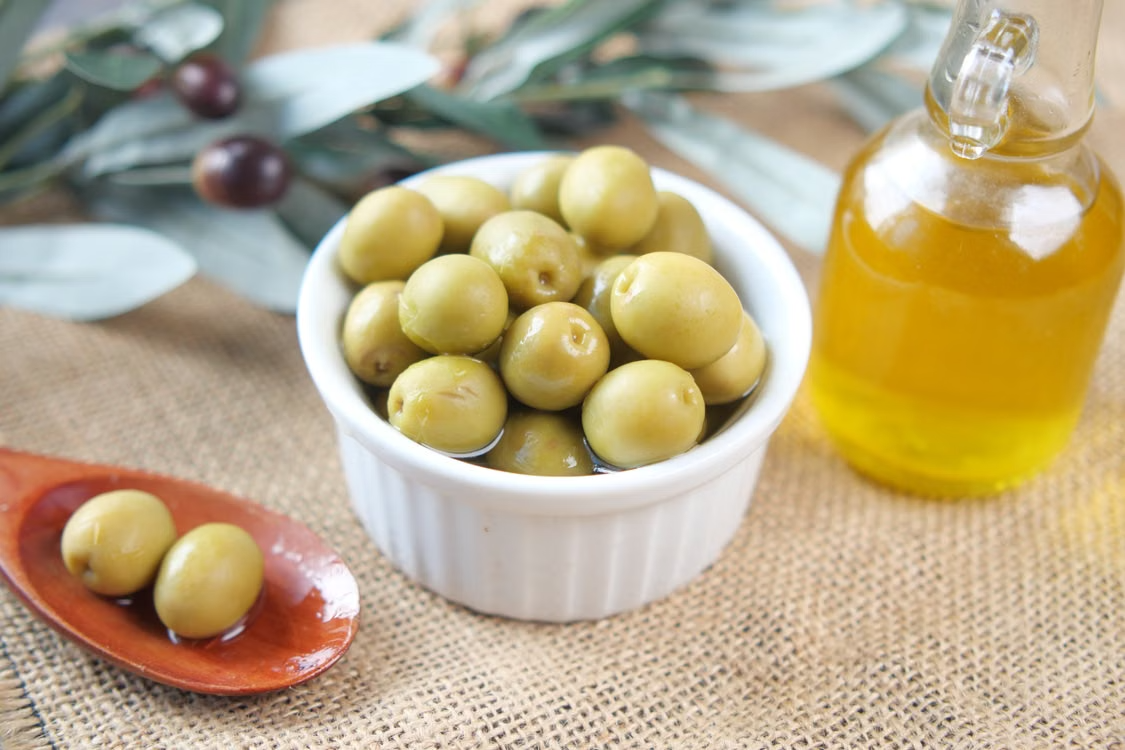
People use this to mean "be skeptical," especially when a claim sounds exaggerated. The phrase feels sensible and understated, but its ancestry points back to ancient ideas about antidotes. The Roman writer Pliny the Elder described a remedy that included taking something with a grain of salt.
Over time, English speakers reinterpreted the idea. Instead of helping medicine go down, the "grain of salt" became a mental seasoning for doubtful information. That shift matters because the modern phrase sounds like a warning about truth, not about treatment.
The result is an idiom that has drifted far from its original world. Today it appears in conversations about rumors, social media posts, and celebrity gossip. Its ancient medicinal shadow is almost invisible, which makes the expression feel oddly detached once the history is known.
Salad days

This phrase usually refers to a person's youthful, inexperienced period, often remembered with affection. Many assume it has something to do with freshness or healthy eating. In reality, the expression is literary, not nutritional, and its famous early appearance comes from Shakespeare's Antony and Cleopatra.
Cleopatra speaks of her "salad days, when I was green in judgment." In that line, "salad" connects to greenness, immaturity, and unripeness rather than to a bowl of lettuce. The image is sharper and less wholesome than modern usage suggests.
That is why the idiom can feel misleading now. People use it nostalgically, almost tenderly, to describe simpler years. Shakespeare's version carried more self-criticism, making "salad days" less about carefree youth and more about the embarrassment of not yet knowing better.




Leave a Reply