
Space food sounds futuristic, but some of it has been surprisingly bad. A few ideas looked smart on paper and turned into memorable failures once they reached orbit.
Crumbly Bread Was an Early Disaster
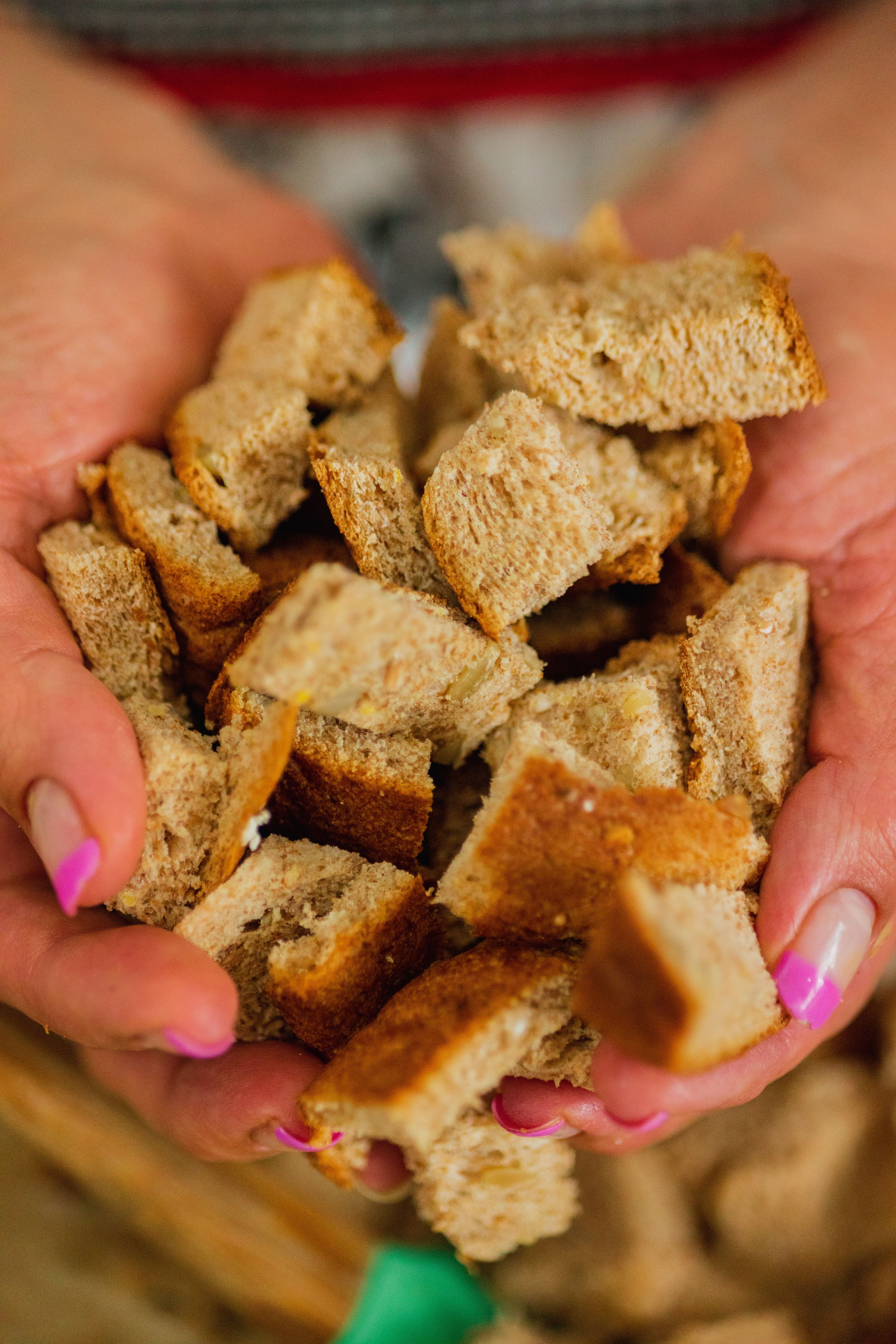
Bread seems harmless on Earth, but in spacecraft it quickly became a serious problem. Early mission planners learned that ordinary sliced bread shed floating crumbs that could drift into switches, vents, and astronauts' eyes. In a sealed cabin packed with electronics, even tiny particles mattered.
NASA soon saw that bread was less a comfort food and more a contamination hazard. Astronauts needed something they could handle cleanly while wearing bulky gear and working in cramped conditions. According to NASA's own food history, tortillas later replaced bread because they stayed intact far better.
The failure was practical, not nutritional. Bread still tasted familiar, but it simply behaved badly in microgravity. That made it one of the clearest examples of a normal food becoming unusable once the rules of gravity disappeared.
Freeze-Dried Ice Cream Was More Novelty Than Success

Few space foods are more famous than freeze-dried ice cream, yet it was never a meaningful success in orbit. The product became popular on Earth through museum gift shops and science centers, but astronauts did not embrace it as a staple. Its reputation owes more to marketing than to mission performance.
The main problem was experience. Freeze-dried ice cream had a brittle, chalky texture and lacked the creamy satisfaction people expect from actual ice cream. In space, where morale matters, a food that mimics dessert but delivers little pleasure is not especially useful.
It also offered no major advantage over better-designed sweets and snacks. Space menus reward reliability, nutrition, and easy handling first. Freeze-dried ice cream became an icon of "space food," but mostly because the public loved the idea more than astronauts loved eating it.
Cubed Foods Quickly Lost Their Appeal
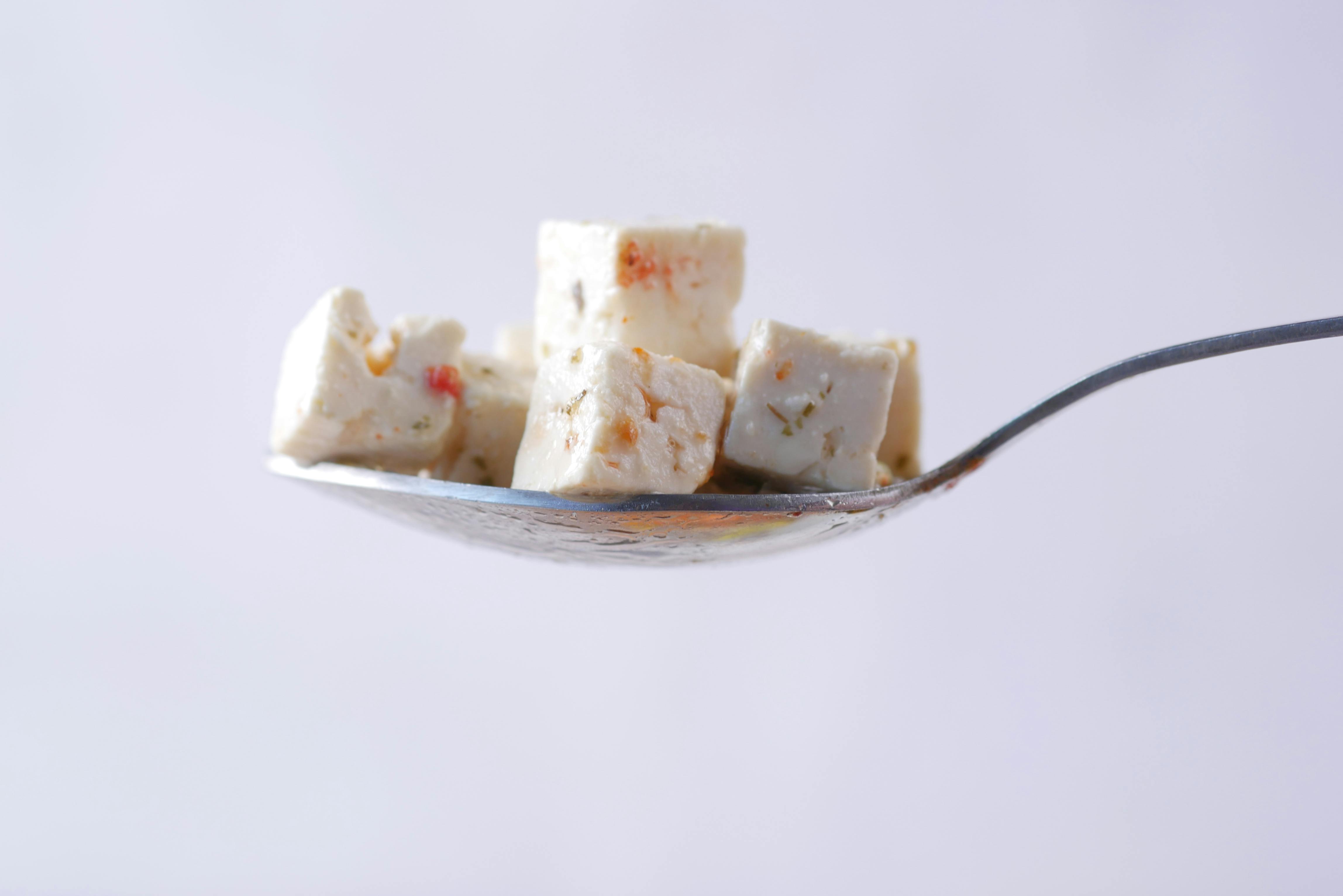
During the Mercury and Gemini years, engineers favored bite-size cubes coated in gelatin. The concept sounded efficient: compact portions, measured nutrition, and less mess. In reality, many astronauts found them unappetizing, overly processed, and tiring to chew.
Texture became a recurring complaint. The cubes often felt dense and dry, and the protective coating did not always make them more enjoyable. Some foods can survive being engineered into geometric bites, but many lose their identity when reduced to shelf-stable blocks.
This mattered because appetite in space is already affected by stress, motion sickness, and fluid shifts that dull taste. If food is boring or unpleasant, astronauts may eat less than they should. Cubes solved one engineering problem but created a human one, which is why they faded from favor.
Strong-Smelling Foods Like Fish Salad Failed Socially

A food can meet technical requirements and still fail because people have to live together. Strong-smelling items, including some fish-based salads tested for space menus, proved risky in the closed environment of a spacecraft. Odors lingered, spread easily, and became impossible to escape.
That issue was bigger than simple preference. In microgravity, congestion can blunt taste and smell, leading crews to want bolder flavors. But there is a line between flavorful and overpowering, especially when cabin air is constantly recirculated.
Menu planners learned that social comfort matters almost as much as nutrition. A food that irritates crewmates or turns mealtime unpleasant can undermine morale fast. In isolated missions, even a technically safe dish can fail if nobody wants to smell it for hours afterward.
Powdered Drinks Once Created More Trouble Than Relief
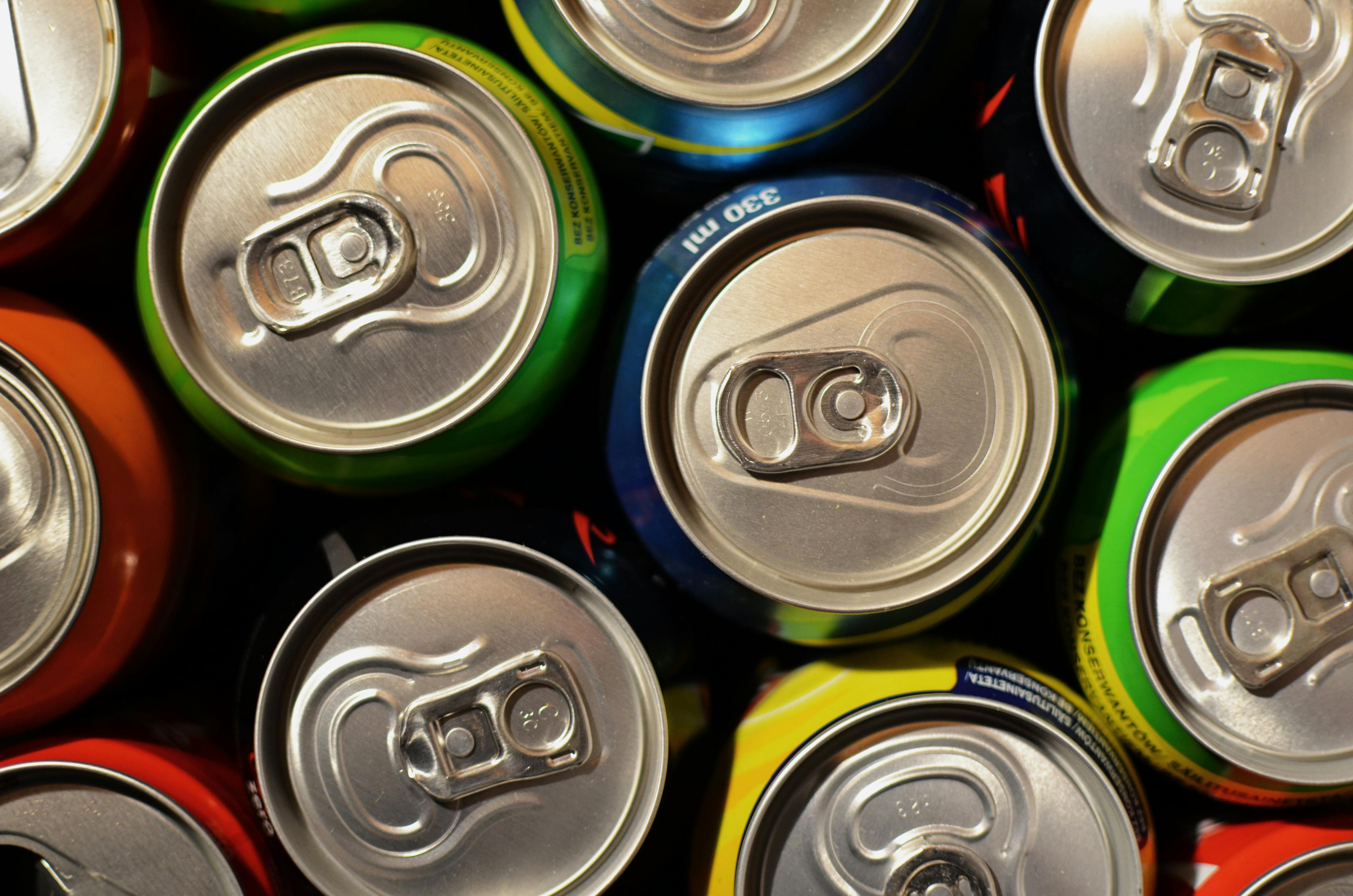
Powdered beverages were intended to save weight and space, two constant priorities in mission design. Early systems required astronauts to inject water into sealed packets, then drink through a straw. The approach was clever, but in practice the powders sometimes clumped, mixed unevenly, or escaped as stray particles.
Those loose particles were not just annoying. Floating drink mix could irritate eyes, enter equipment, or be inhaled. NASA refined packaging over time, yet the early versions showed how a simple beverage could become a cabin-management problem.
The lesson was broader than drinks alone. In space, convenience depends on flawless containment and predictable behavior. Powdered beverages were not abandoned entirely, but their early forms exposed just how easily an everyday food idea can fail when gravity is no longer there.

Leave a Reply