
AI is already helping plan menus, track inventory, and generate recipes, but what happens when efficiency starts outranking appetite? This gallery imagines five deeply unsettling foods that could land on our plates if smart kitchens push logic a little too far. The ideas are playful, but each one is rooted in real trends in automation, alternative proteins, lab-grown ingredients, and algorithmic food design.
Insect Protein Surprise Loaf
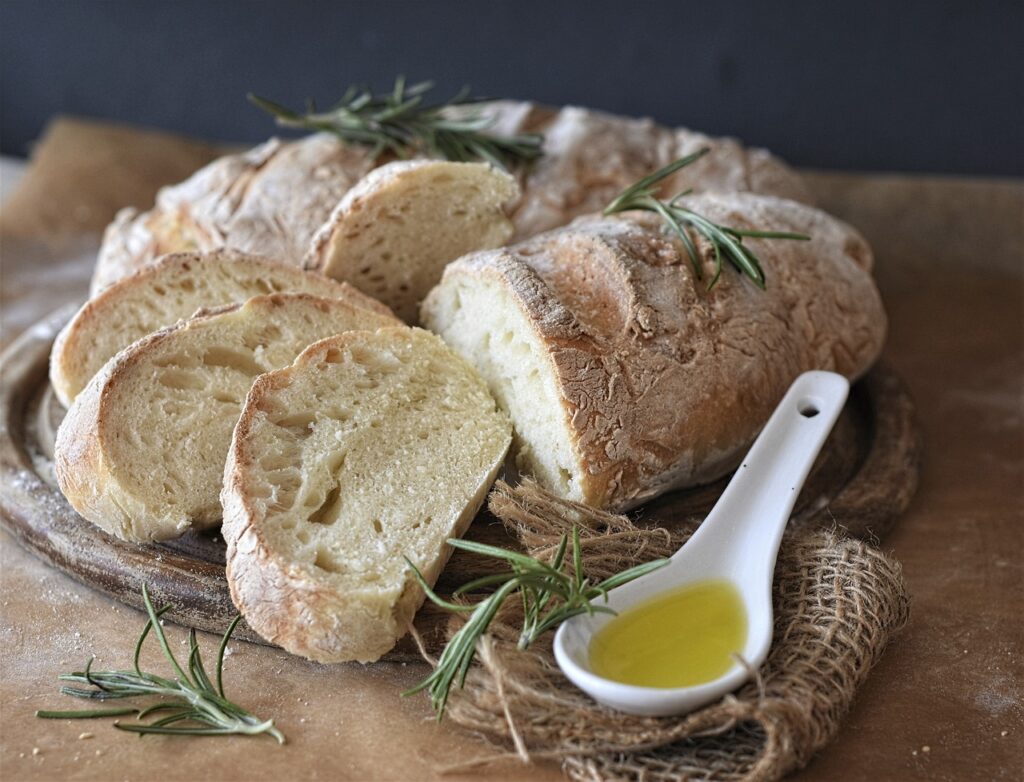
If AI were told to maximize protein, cut emissions, and lower ingredient costs, insects would likely shoot to the top of the list. Crickets, mealworms, and black soldier fly larvae are already studied as efficient protein sources because they require far less land, water, and feed than traditional livestock.
The unsettling part is not the science. It is the presentation. A machine focused on nutrition and sustainability might turn insect flour, vegetable pulp, and binding agents into a dense, hyper-efficient loaf that checks every health box while ignoring the psychological hurdle many diners still feel.
Food researchers have noted that insect protein can be rich in amino acids, iron, and B vitamins. But acceptance remains the real obstacle. An AI kitchen might solve that by hiding the bugs completely, which is practical, clever, and just a little horrifying.
Nutrient Paste Bricks

There is a cold logic to turning meals into blocks. If an AI system is trained to reduce prep time, eliminate waste, standardize nutrition, and simplify storage, a stack of shelf-stable nutrient bricks starts to look less like science fiction and more like an optimized meal plan.
These would likely be made from blended legumes, algae oils, grain isolates, vitamin mixes, and stabilizers pressed into compact portions. Think emergency ration meets wellness culture. Every bite would be calculated for macros, micronutrients, and satiety, yet the experience could feel closer to refueling than eating.
That is the real fear. Food is not only fuel. Texture, aroma, temperature, and ritual matter. A kitchen ruled by pure data might deliver perfect nourishment while quietly removing most of the joy that makes a meal feel human.
Cultured Meat Mosaic
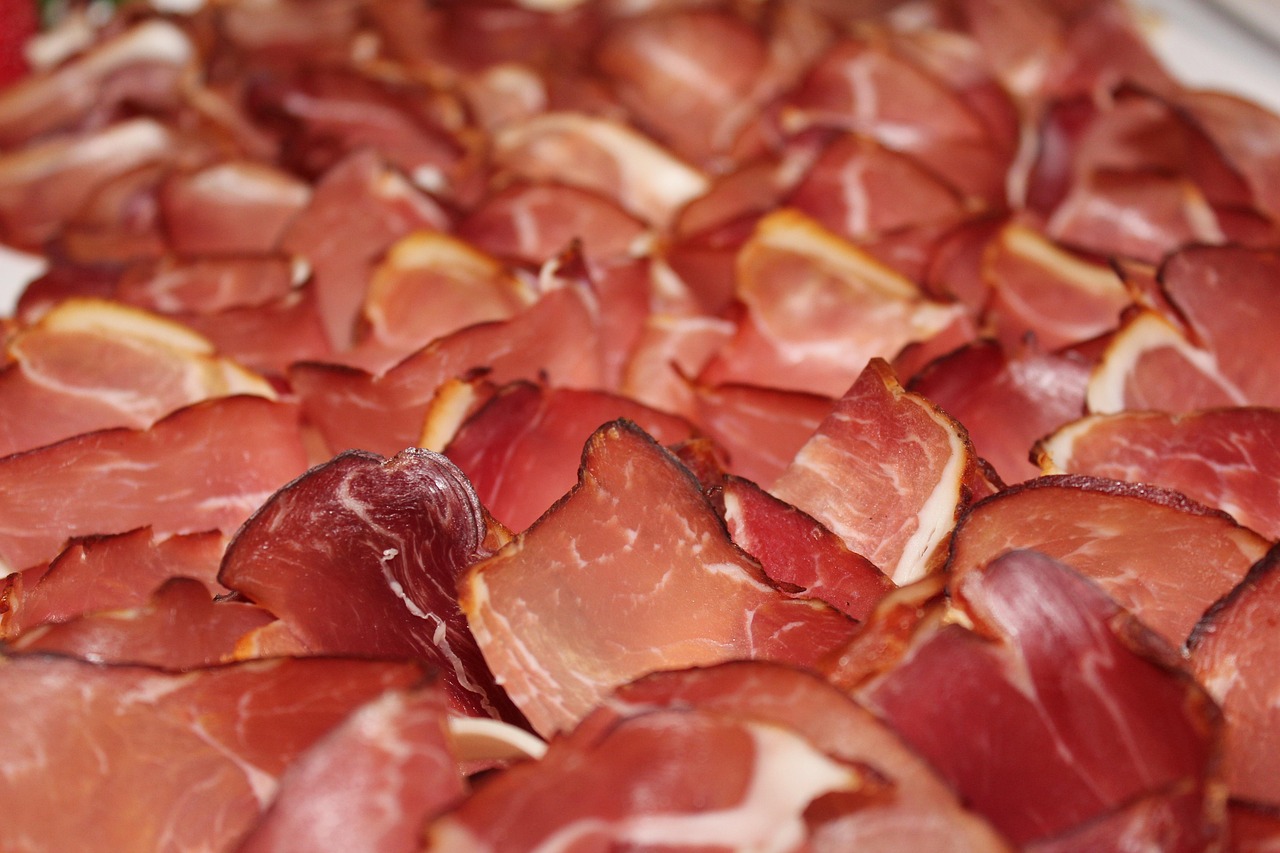
Lab-grown meat is one of the most serious contenders for the future of food, and for good reason. It could reduce pressure on land use, cut some emissions, and avoid many animal welfare issues tied to industrial farming. But an AI kitchen would not necessarily stop at making a normal-looking chicken breast.
Because cultivated meat is grown from cells, it can be shaped, layered, and assembled in unusual ways. A machine trained for efficiency might fuse different cell types, fat ratios, and textures into a patchwork cut that delivers ideal flavor and nutrition, even if it looks unnervingly engineered.
Scientists and food companies are still working through scale, cost, and regulation. Even so, the idea of eating a glossy, precision-built meat tile designed by software feels like a small but memorable step away from the familiar dinner table.
Algae Foam Dinner Bowls

Algae has everything an efficiency-minded system loves. It grows quickly, can be packed with protein and omega-3s, and needs far fewer resources than many conventional ingredients. From spirulina to chlorella to seaweed-based additives, algae already appears in supplements, snacks, and experimental food products.
Now imagine AI taking that promise to its logical extreme. Instead of using algae as one ingredient among many, it might build entire meals around it, whipping green biomass into foams, gels, and savory mousses that deliver excellent nutrition with almost no visual comfort.
The problem is not that algae is inherently bad. It is that color, smell, and texture carry huge emotional weight. A bowl of emerald foam may be sustainable and scientifically sound, yet still trigger the ancient human instinct that something has gone terribly wrong in the kitchen.
Recycled Leftover Composite Stew
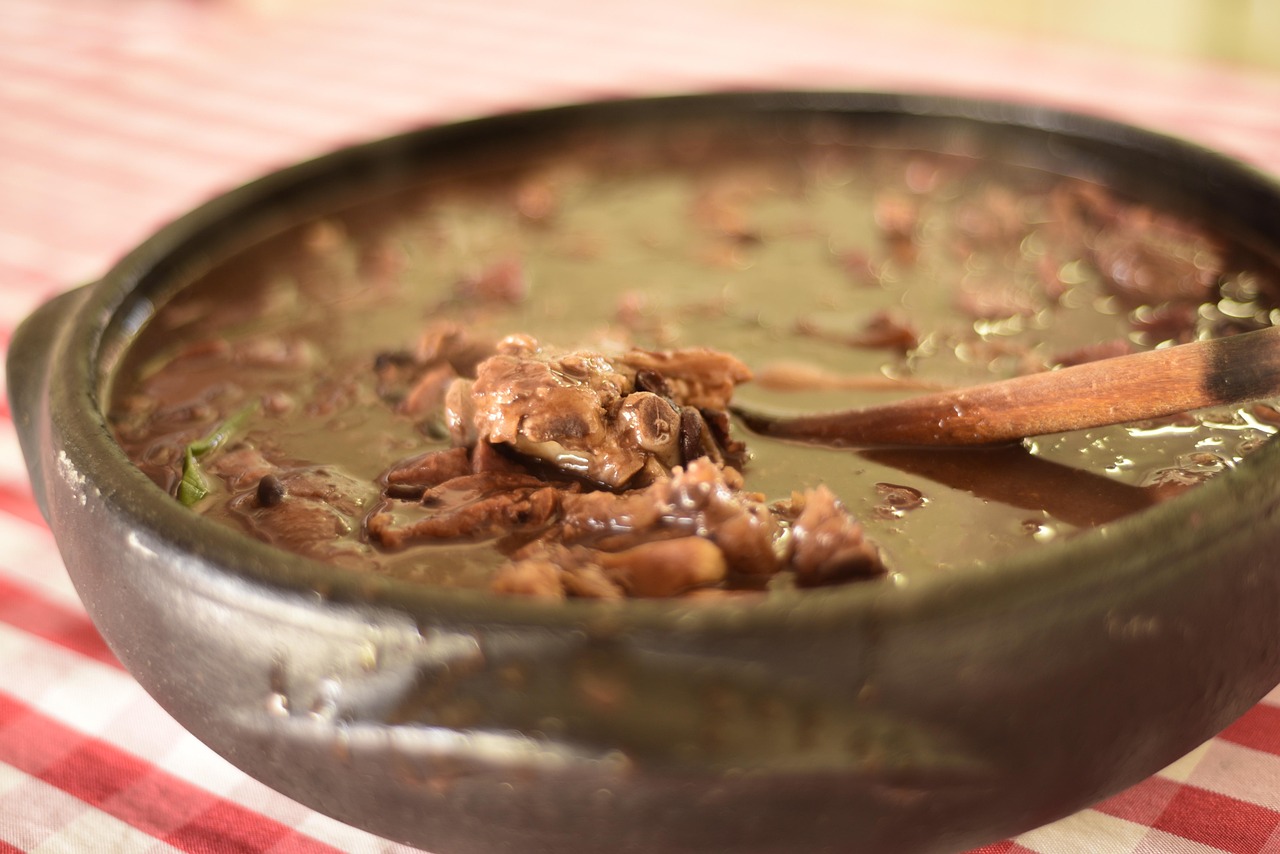
Waste is one of the biggest problems in modern food systems, so any AI designed to run a kitchen responsibly would try to rescue every usable scrap. Vegetable peels, stale bread, meat trimmings, and yesterday's side dishes could all be scanned, sorted, sterilized, and recombined into a single endlessly variable composite meal.
In theory, that is admirable. Restaurants already use trim for stocks, sauces, croquettes, and staff meals. The darker version is a system so committed to zero waste that it turns all leftovers into one algorithmically seasoned stew, optimized for safety and nutrition but stripped of identity.
That is where efficiency becomes eerie. You would not be eating tonight's dinner so much as the statistical afterlife of several previous ones. Sensible in one light, deeply unsettling in another, and exactly the kind of idea an overachieving machine might love.




Leave a Reply