
Canadian grocery shoppers are about to feel a sharper divide. In five provinces, food prices are poised to rise faster than the national pace for reasons that go well beyond the checkout lane.
Why provincial food inflation is splitting apart

Food inflation looks national in headlines, but it behaves locally in real life. The same basket of milk, bread, meat, and produce can move very differently depending on freight costs, crop conditions, labour availability, and how concentrated a province's retail market is.
Canada's Food Price Report has repeatedly shown that fresh vegetables, meat, and restaurant meals are among the most volatile categories. Add a weaker Canadian dollar at times, higher insurance and fuel costs, and regional supply shocks, and some provinces face a steeper path than others.
The five provinces most exposed right now are British Columbia, Alberta, Saskatchewan, Manitoba, and Newfoundland and Labrador. Each has a different pressure point, but all share one thing: consumers there are more vulnerable to faster grocery inflation than the rest of the country.
British Columbia faces transport and housing-driven pressure
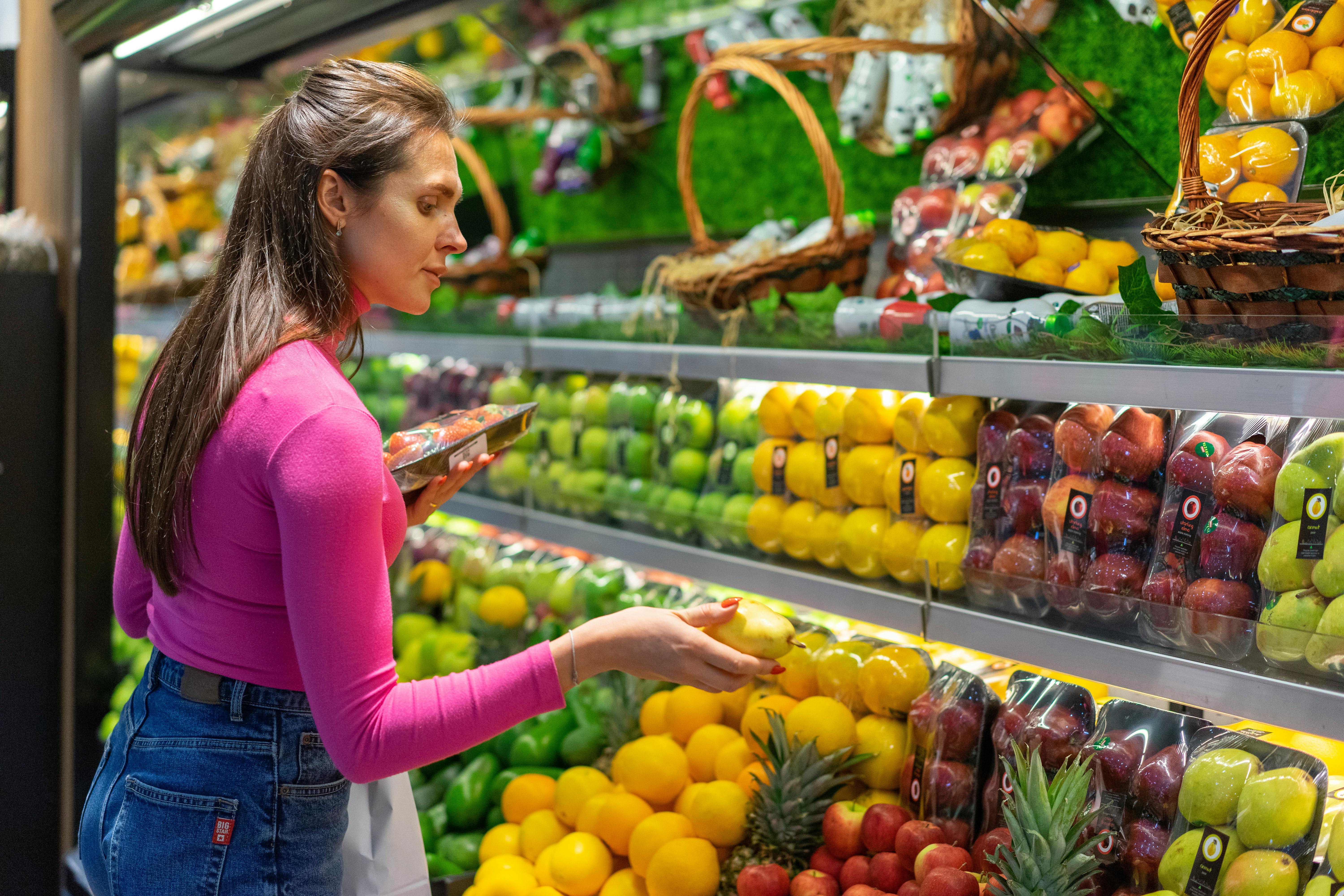
British Columbia's food costs are heavily shaped by geography. A large share of what ends up on store shelves travels long distances through mountain corridors, major ports, and trucking routes that are vulnerable to weather disruptions, wildfire activity, and higher fuel charges.
Housing costs also matter more than many shoppers realize. When retail workers, warehouse staff, and drivers face higher rents, those labour costs are built into food distribution and store operations, especially in Metro Vancouver and parts of Vancouver Island.
Fresh produce is a key weak point. B.C. grows important fruits and vegetables, but extreme heat, drought conditions, and flood-related disruptions in recent years have made local output less predictable, leaving retailers more dependent on imports when domestic supplies tighten.
Alberta and Saskatchewan are vulnerable for different Prairie reasons
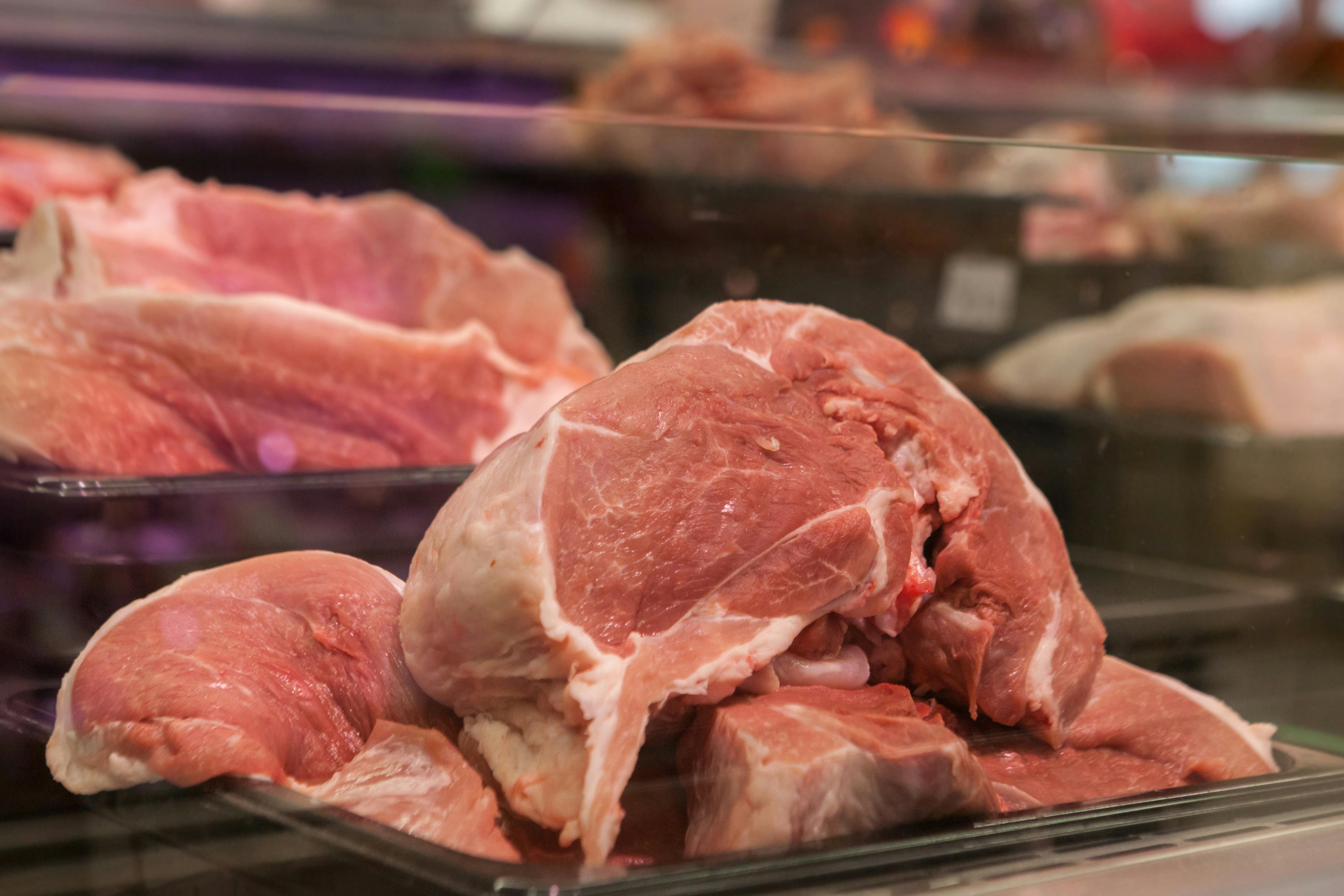
Alberta may be an agricultural powerhouse, yet consumers are not insulated from inflation. Beef prices remain sensitive to herd rebuilding costs, feed prices, drought impacts, and processing capacity, all of which can raise the price of one of the province's staple proteins.
The province is also especially exposed to swings in trucking and energy-related costs. Even when headline inflation cools, diesel, warehousing, and interprovincial freight can keep supermarket prices elevated, particularly in fast-growing cities where demand is expanding quickly.
Saskatchewan's challenge is slightly different. It produces a great deal, but many packaged and perishable foods still travel in from elsewhere. Smaller population centres often have less competition among grocers, which can reduce promotional pricing and keep everyday shelf prices firmer for longer.
Manitoba is squeezed by freight realities and climate risk

Manitoba sits at a transportation crossroads, but that does not make food cheap. Long-haul shipping still plays a major role in bringing in fresh produce, specialty goods, and many processed foods, and any rail or trucking bottleneck can ripple quickly into store prices.
Weather remains another serious wildcard. Flooding, drought, and unstable growing conditions across the Prairies can affect feed, grains, and local farm output, while imported produce can become more expensive when North American harvests are disrupted at the same time.
Winnipeg shoppers may see more deals than smaller communities, but rural and northern households usually face the hardest hit. In those areas, distance, fewer stores, and thinner supply chains can magnify even modest increases in wholesale food costs.
Newfoundland and Labrador may see the sharpest consumer strain
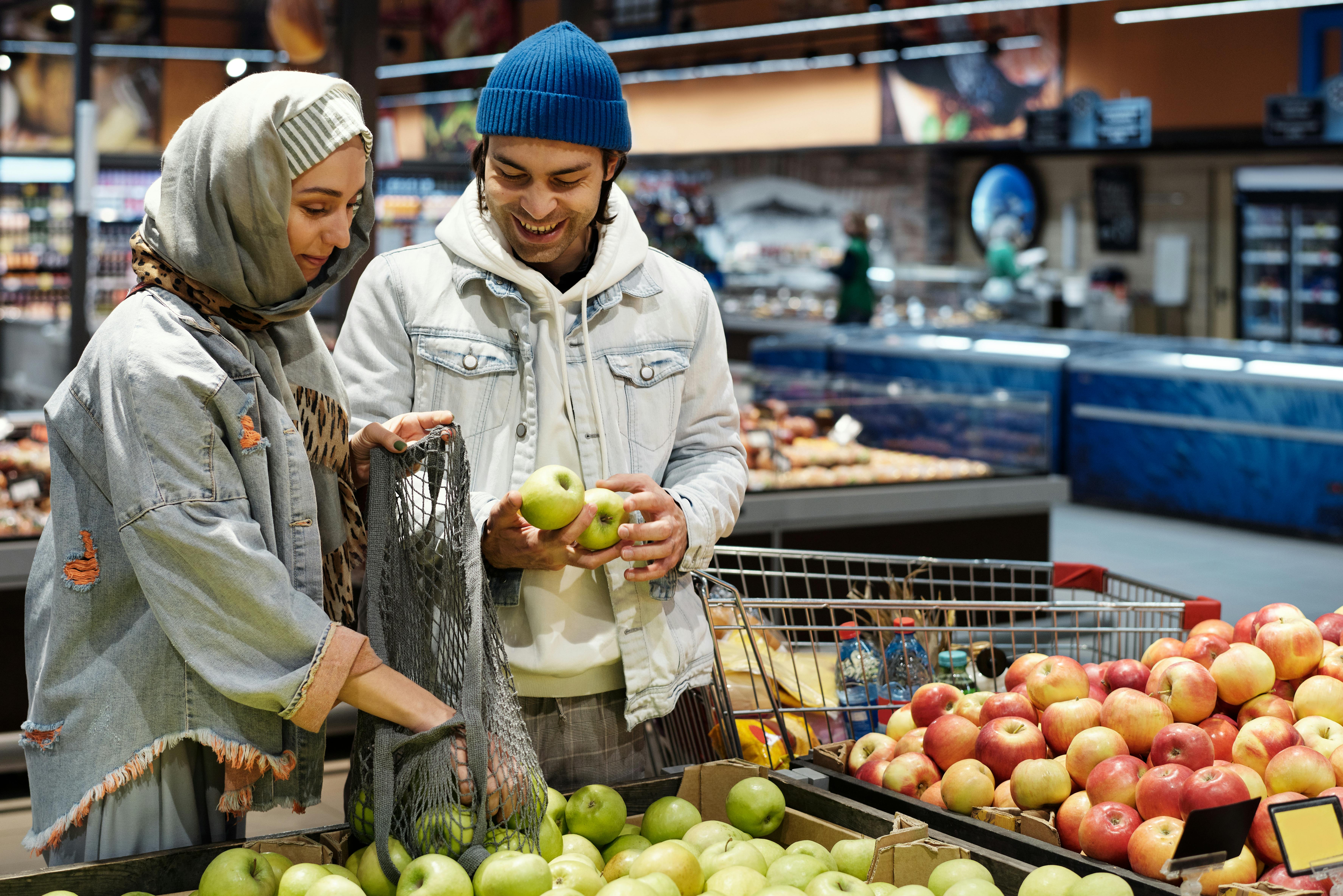
No province is more exposed to distance than Newfoundland and Labrador. A significant share of food arrives by marine transport and truck connections, which means higher logistics costs are often baked into prices before products even reach local distribution points.
That burden grows when storms interrupt shipping schedules or when fuel and refrigeration costs rise. Perishable items such as lettuce, berries, dairy, and fresh meat are especially vulnerable because delays can mean waste, lower availability, and higher prices on replacement stock.
For households, the effect is not just about a few cents more on staples. Food takes up a larger share of budgets when incomes are tighter and choices are limited, so faster inflation in this province can feel more severe than similar price increases in larger mainland markets.



Leave a Reply