
Food recalls can look similar on the surface. The important differences appear once a contamination scare moves from the factory floor to the public.
Different agencies take the lead
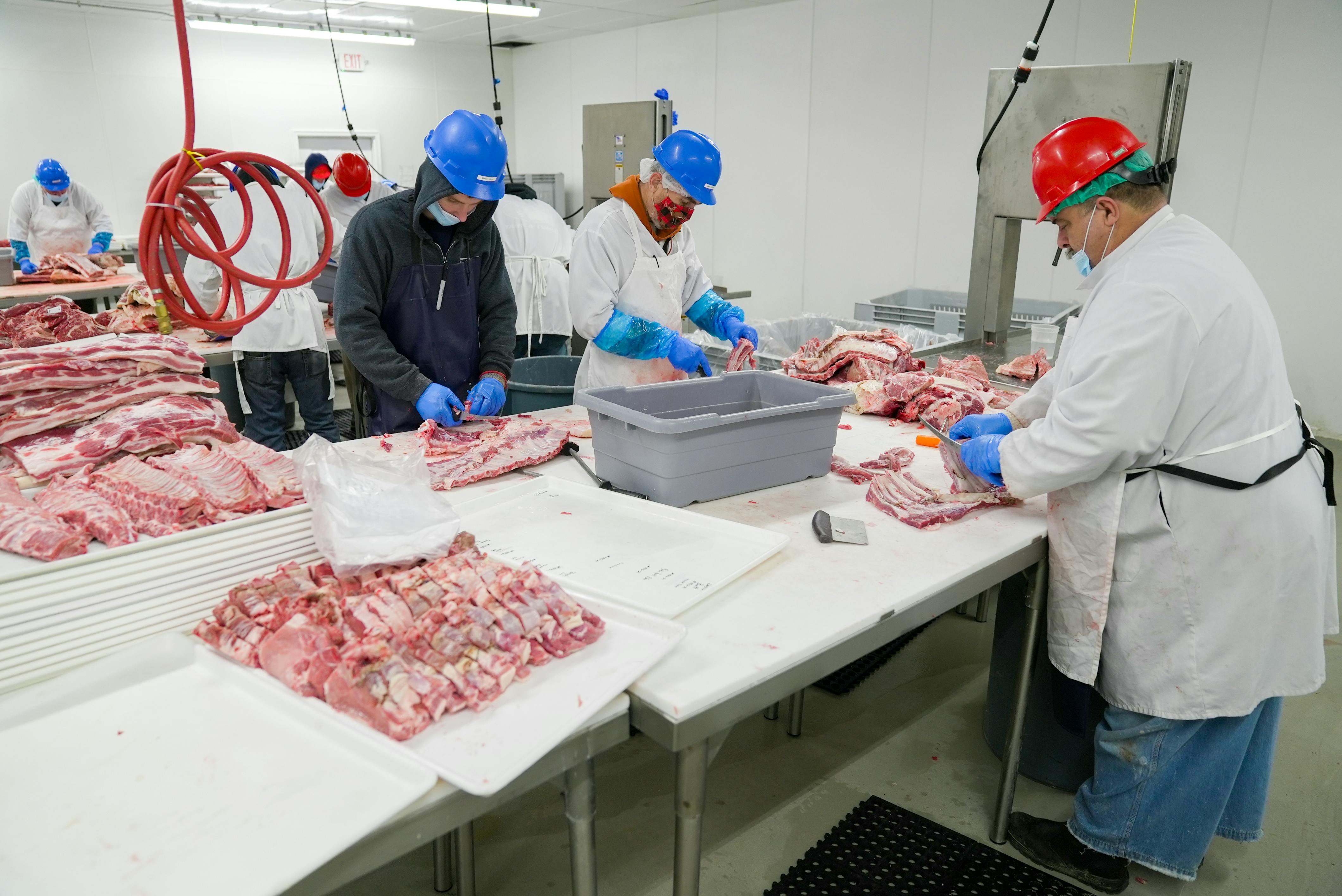
One major split starts with who is in charge. In Canada, the Canadian Food Inspection Agency is the main federal body coordinating most food recalls, while Health Canada supports risk assessment and policy. That gives Canada a more centralized structure for many food products.
In the United States, authority is more divided. The Food and Drug Administration oversees most foods, but the US Department of Agriculture handles meat, poultry, and processed egg products. That split can confuse consumers who assume one national food watchdog manages everything.
The difference matters during large multi-product events. A frozen meal containing meat, for example, may fall under different rules in the US than a snack or produce item from the same manufacturer. Canada's model often presents a more unified public face when recall notices are issued.
Mandatory recall powers are not identical

A recall system is only as strong as the legal tools behind it. In Canada, the CFIA has broad authority under federal law to order recalls when a food presents a risk to public health. Companies often cooperate voluntarily, but the regulator can compel action if needed.
In the United States, mandatory authority depends on the product category and the agency involved. The FDA gained mandatory recall power for many foods under the Food Safety Modernization Act, but USDA's food safety arm has traditionally relied heavily on pressure, negotiation, and public notice rather than formal mandatory orders.
That legal patchwork affects leverage. In practice, many US recalls still happen voluntarily, yet the route to enforcement can differ depending on whether the issue involves infant formula, lettuce, deli meat, or canned soup. Canada's framework is generally simpler for the public to follow.
Public alert systems are handled differently

How people hear about a recall can be as important as the recall itself. In Canada, the CFIA publishes recall warnings with standardized classifications and clear product identifiers, often using a consistent format that helps shoppers quickly compare incidents.
In the US, recall notices may come from FDA, USDA, state agencies, or the company itself. That can produce a more fragmented information landscape, especially during fast-moving outbreaks. Consumers sometimes need to check multiple channels to get a full picture.
Classification language also differs in visibility. Americans often see FDA references to Class I, II, or III recalls, while Canadian notices usually foreground the hazard, such as possible Salmonella or undeclared allergens, in more direct consumer-facing terms. That can influence how urgently the public reacts.
Traceability and reporting expectations vary
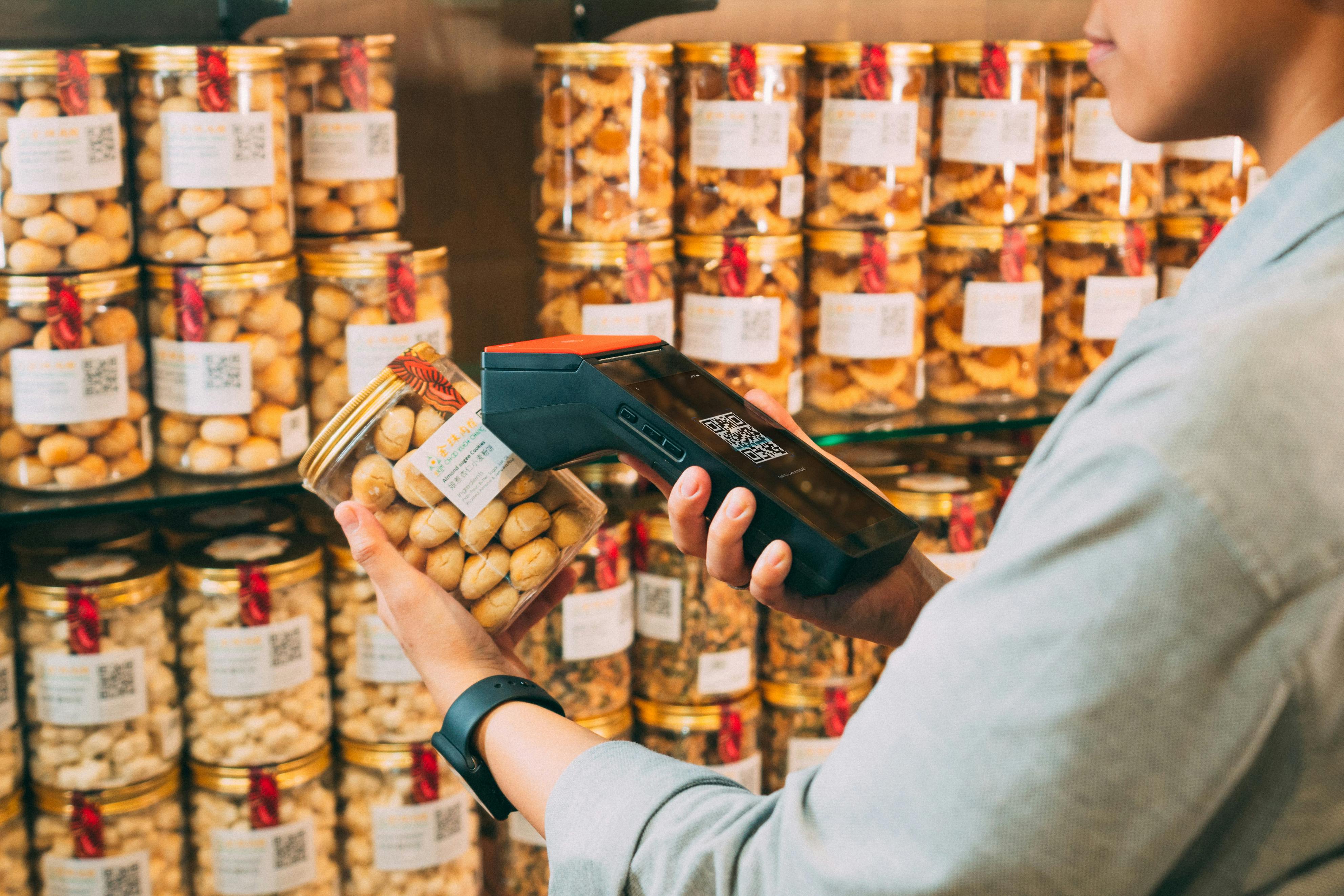
The next difference shows up before any recall is announced. Canada has invested in traceability requirements in several sectors, and federal oversight often emphasizes rapid tracking through supply chains, especially for meat and high-risk products. Faster tracing can narrow recalls and reduce unnecessary waste.
The US has been moving in that direction, particularly through newer FDA traceability rules for certain high-risk foods. Still, implementation is uneven because the American food market is larger, more decentralized, and shaped by a mix of federal and state enforcement practices.
Real-world outbreaks highlight the stakes. During leafy greens and onion contamination cases, investigators in both countries have struggled with complex sourcing records. But Canada's smaller market and more centralized coordination can sometimes make traceback less sprawling than in the US system.
Recall communication and consumer culture differ

Even the tone of a recall can vary across the border. Canadian recall notices tend to read like direct public safety bulletins, with plain instructions to throw out, return, or avoid the item. The wording is practical and usually centered on immediate household decisions.
US notices often include more corporate and legal framing, especially when companies issue parallel statements alongside regulators. Consumers may encounter separate messages from the FDA, USDA, retailers, and brands, each emphasizing slightly different details about risk, refunds, or lot codes.
That difference affects trust and behavior. Clear, centralized communication can improve compliance, while message overload can cause shoppers to tune out. In both countries, the goal is the same: remove dangerous food quickly. But Canada and the US often take noticeably different paths to get there.




Leave a Reply