
A fresh cup of coffee can smell vivid and layered. Reheated coffee, by contrast, often tastes dull, bitter, sour, or strangely stale for reasons rooted in chemistry.
Fresh coffee is chemically unstable from the first minute
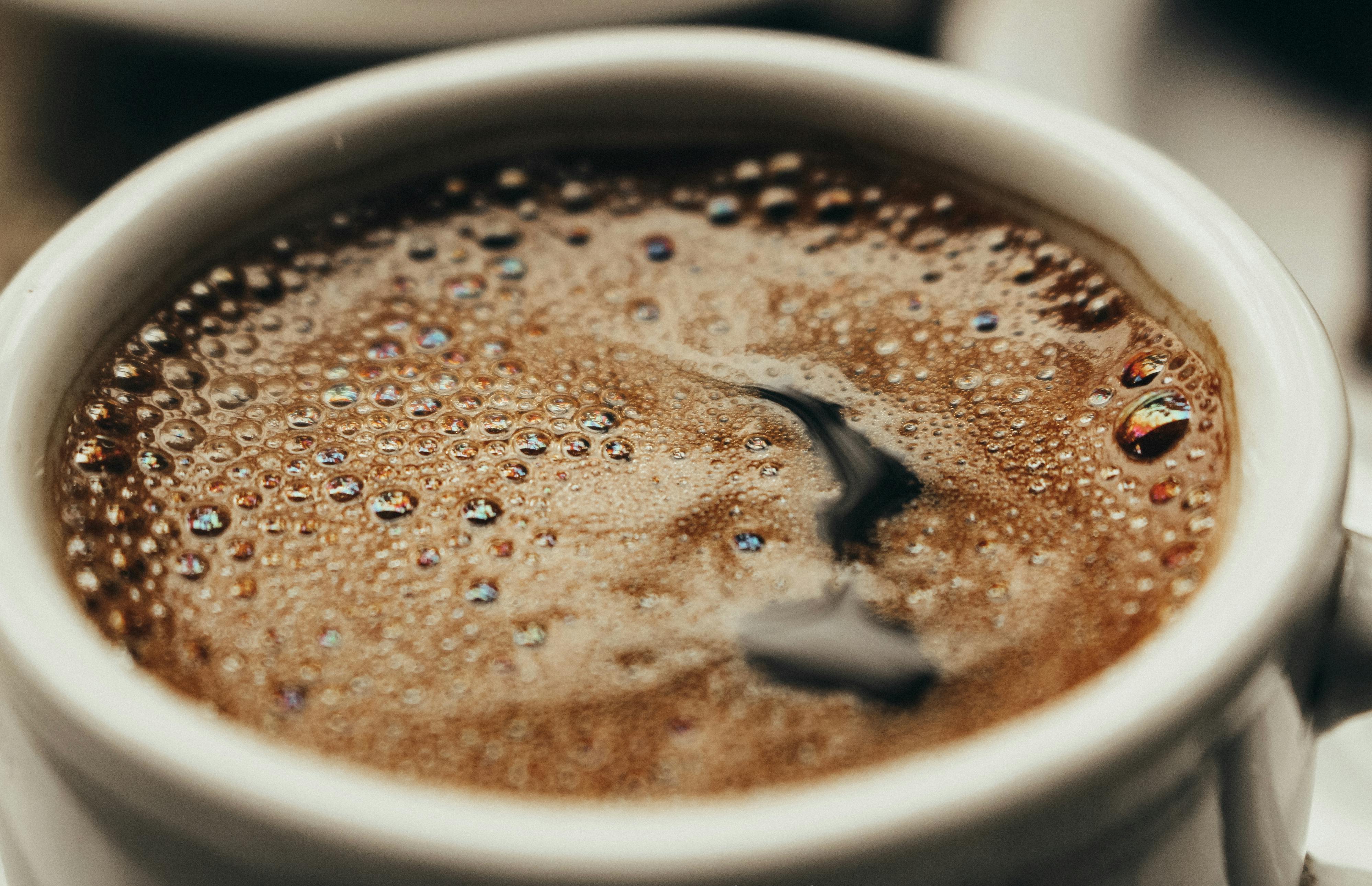
The moment coffee is brewed, it begins to change. A cup contains hundreds of volatile aroma compounds, along with acids, oils, sugars, melanoidins, and tiny dissolved solids extracted from the bean during brewing. Those compounds create the balance people describe as bright, chocolatey, nutty, floral, or sweet.
That balance is fragile because many of the most appealing molecules are highly volatile. They escape into the air quickly, which is why fresh coffee smells strongest right after brewing. As those compounds disappear, the cup loses complexity even before reheating enters the picture.
Coffee is also exposed to oxygen from the moment it leaves the brewer. Oxidation starts affecting lipids and aromatic compounds almost immediately, especially in hot coffee held in a mug, carafe, or warming pot. Reheating speeds up those ongoing changes rather than resetting the cup.
Reheating drives off aroma and concentrates the harsh notes

The first thing reheating does is push more aroma compounds out of the liquid. Many of the molecules responsible for pleasant fruity, floral, and roasted notes are delicate and evaporate easily under renewed heat. What remains is a drink with less fragrance and less perceived flavor.
At the same time, water is lost through evaporation. Even a small amount matters because it concentrates dissolved compounds that were already in the cup, including bitter-tasting phenylindanes and other roast-derived substances. The result is often a sharper, heavier taste rather than a stronger but enjoyable one.
This is why reheated coffee can seem both weaker and harsher at once. It has less aromatic lift, which people interpret as flavor loss, yet more concentration of bitter or astringent elements. That mismatch makes the cup feel unbalanced and unpleasant.
Oxidation creates stale, papery, and rancid flavors
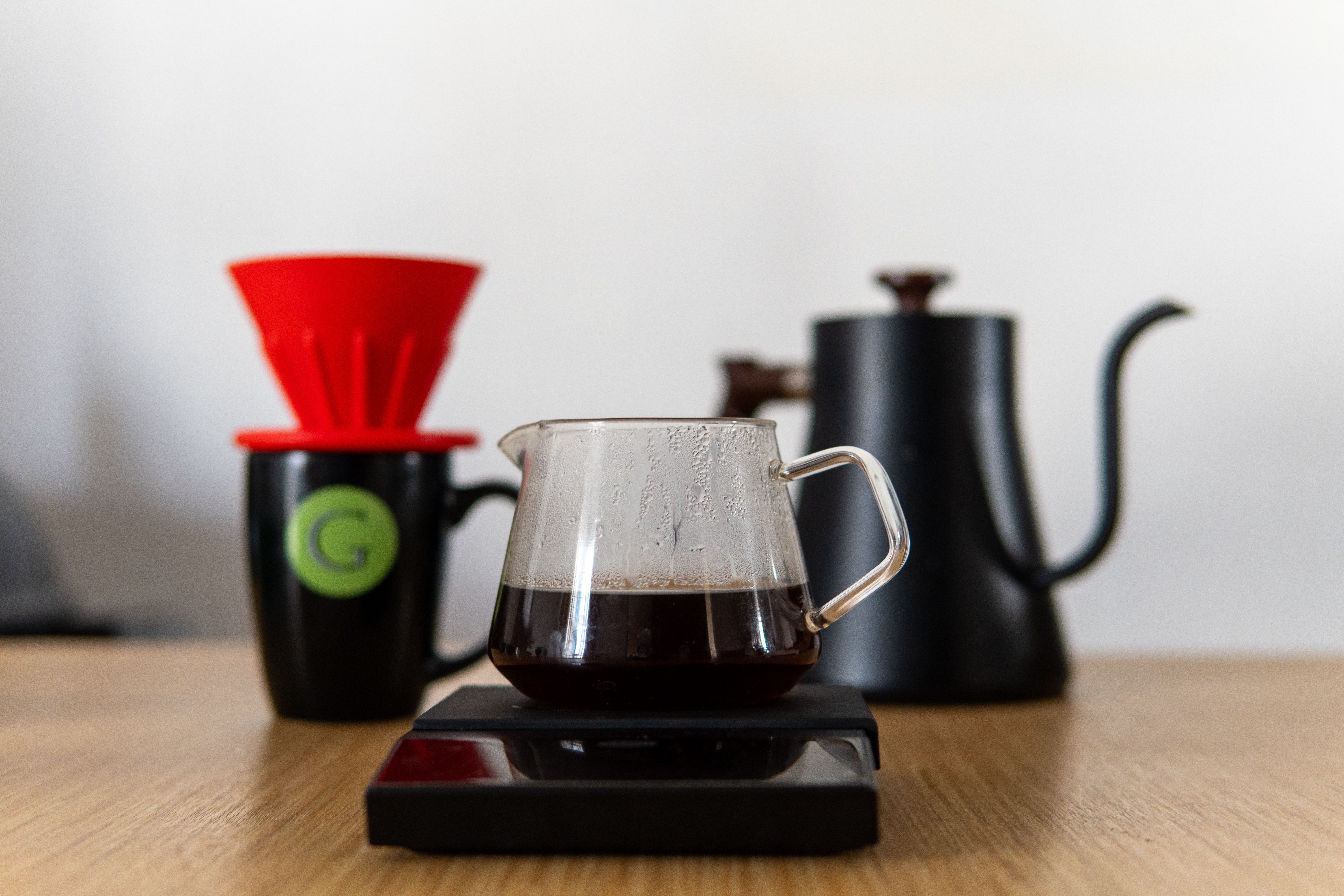
One of the biggest reasons reheated coffee tastes old is oxidation. Coffee contains oils and other organic molecules that react with oxygen, especially when heat is present. Those reactions generate new compounds that do not taste fresh and can resemble cardboard, wood, or stale nuts.
This process is similar in principle to what happens when edible oils sit out too long. The fats slowly degrade and produce off-flavors. In coffee, the amount of oil is modest, but it is enough for people to notice when the drink is held hot for extended periods or heated a second time.
According to sensory research on brewed coffee storage, prolonged heat exposure consistently lowers desirable aroma intensity and increases stale notes. Office drip coffee left on a hot plate is a classic real-world example. It is not just overcooked by temperature, it is chemically aging in fast-forward.
Acidity shifts, bitterness rises, and balance falls apart

A good cup works because acidity, sweetness, bitterness, and aroma support one another. Reheating disturbs that arrangement. Some organic acids degrade, while others become more noticeable as aromatic compounds fade, so the coffee can taste flatter yet oddly sour at the same time.
Bitterness often becomes the dominant impression. Darker roasts are especially prone because they already contain more bitter degradation products formed during roasting. When reheated, those compounds face less competition from sweet-smelling volatiles, so the cup seems harsher even if the total chemistry changed only modestly.
Texture changes matter too. As coffee sits, suspended material settles and dissolved components continue interacting. Reheated coffee may feel thinner in aroma but rougher on the palate. Many drinkers describe this as burnt, though the issue is usually not literal burning but a loss of balance.
Milk and sugar make reheated coffee even more complicated
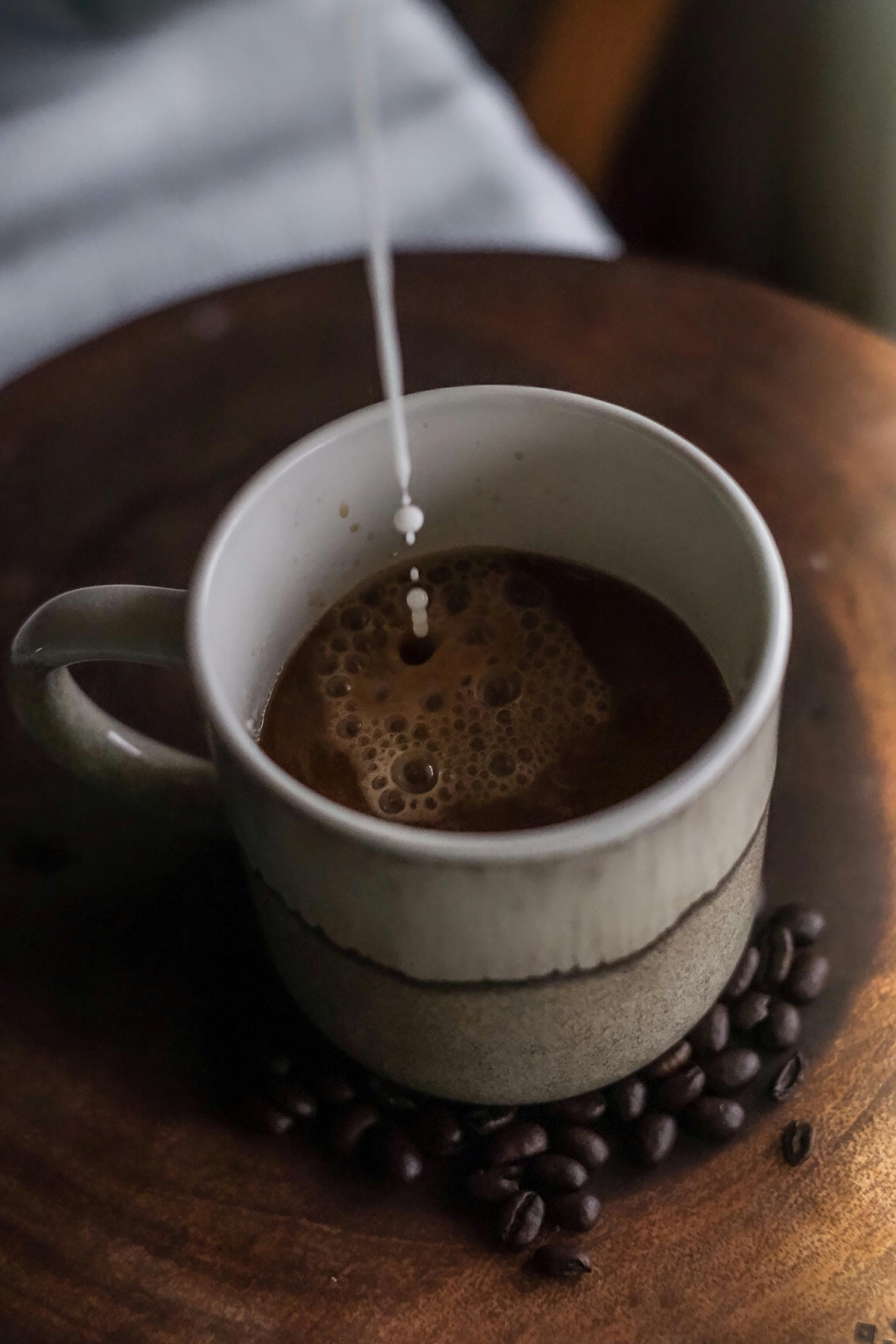
When milk enters the cup, reheating creates another layer of chemistry. Milk proteins can denature with repeated heat, and milk sugars may take on cooked flavors that mute the coffee's liveliness. The result can be a flat, slightly sulfurous, or custardy note that was not there at first.
Sugar changes perception as well. Sweetness can mask bitterness when coffee is fresh, but as aroma fades and oxidation grows, the same amount of sugar may no longer rescue the cup. Instead, the drink can taste strangely sweet on entry and bitter on the finish, which many people find jarring.
Microwave reheating adds a practical problem. It often heats unevenly, producing hot spots that exaggerate volatilization and leave some parts cooler than others. Stirring helps temperature distribution, but it cannot reverse the chemical losses that have already happened during storage and reheating.
The best workaround is preserving heat, not reheating later
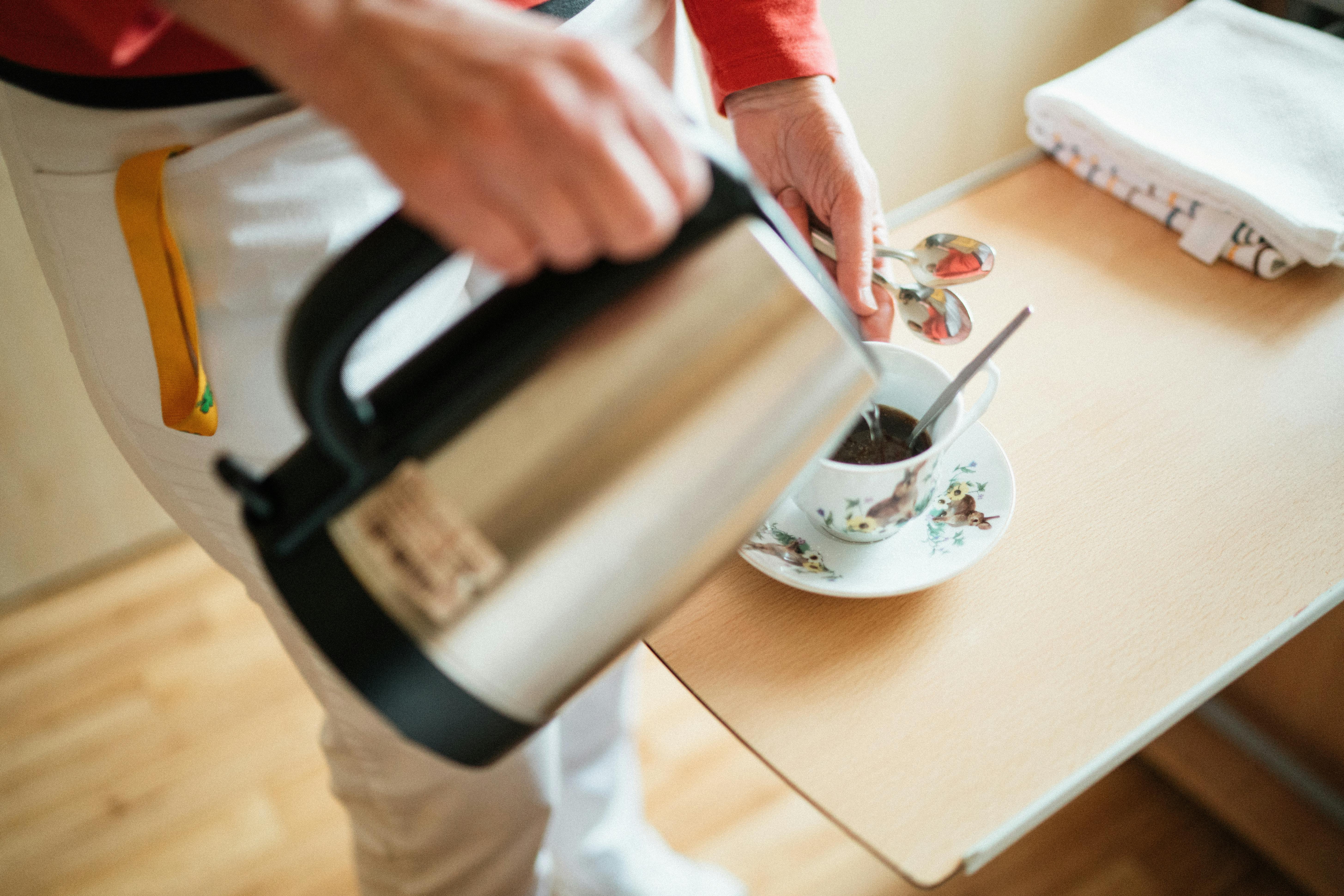
If the goal is better taste, the smartest strategy is minimizing chemical change before the first sip. An insulated mug or thermal carafe slows heat loss without repeatedly exposing the coffee to new heating cycles. That approach preserves more aroma and reduces the pace of oxidation.
Brewing smaller amounts also helps because it cuts down the time coffee spends sitting. Cafes and specialty roasters often recommend consuming brewed coffee within about 30 minutes for peak flavor, though a sealed thermal container can extend drinkability. The key idea is gentle holding, not repeated reheating.
Cold coffee can also be repurposed successfully. Leftovers work well in iced coffee, baking, smoothies, or coffee ice cubes because those uses do not rely on fragile hot aroma compounds. In the end, reheated coffee tastes worse because chemistry keeps moving forward, and fresh flavor is the first thing left behind.



Leave a Reply