
Ground beef looks simple at the store, but it is one of the most closely watched foods in the meat case. Its recall history reflects how many chances there are for contamination to spread fast and wide.
Grinding spreads bacteria throughout the product
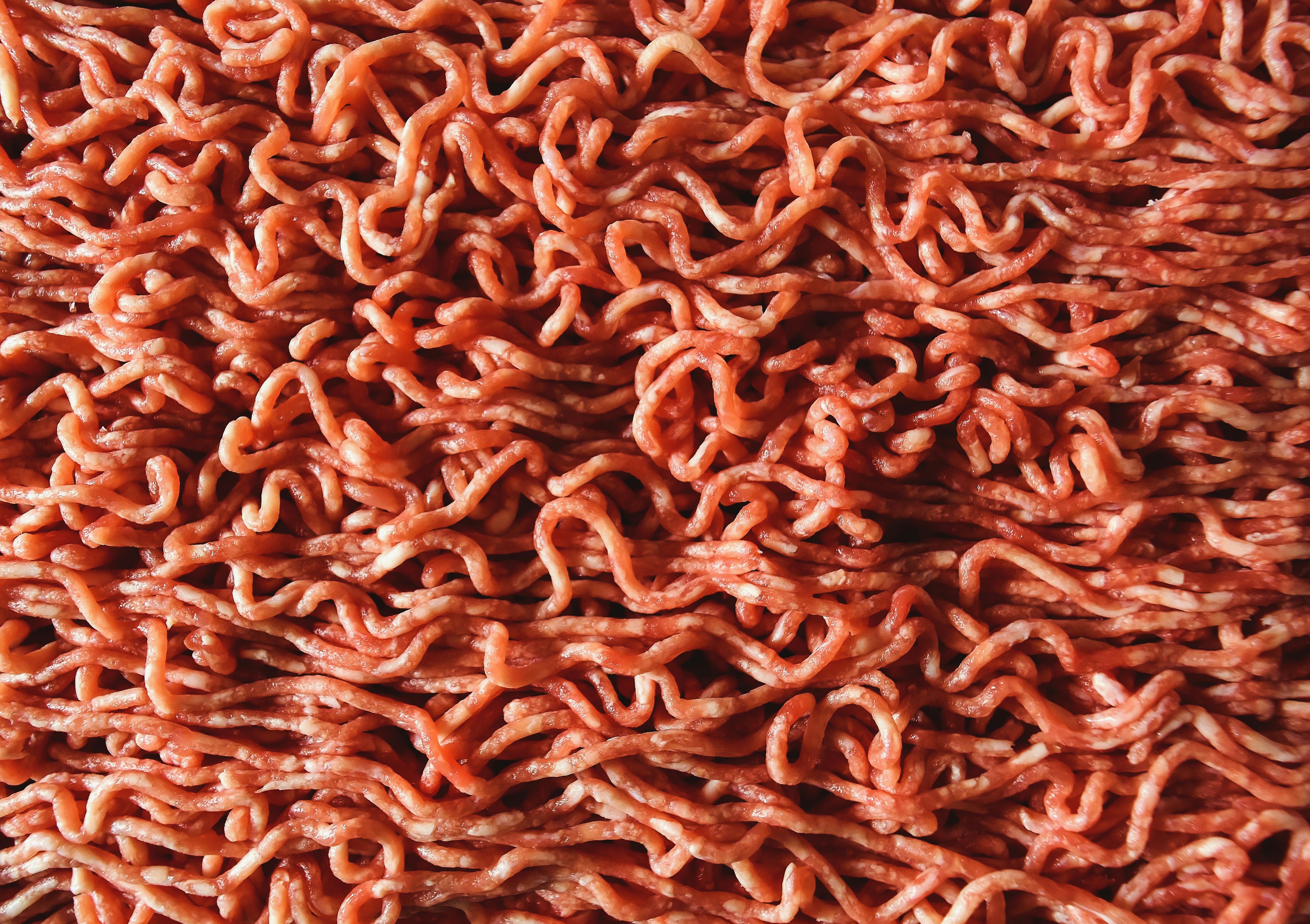
A steak has one major safety advantage: most harmful bacteria typically stay on the surface. Ground beef is different because the grinding process mixes the exterior of many cuts into the interior of one batch.
That matters because pathogens such as E. coli O157:H7 can survive inside the meat if it is undercooked. The USDA has repeatedly warned that burgers are riskier than intact cuts for exactly this reason, since searing the outside is no longer enough.
One contaminated piece can affect a huge volume once it goes through industrial grinders. In real recalls, tens of thousands of pounds have been pulled because bacteria introduced early in processing became distributed through an entire production run.
Ground beef combines meat from many animals and facilities

The biggest hidden issue is scale. A package of ground beef may contain trimmings from multiple cattle, sometimes sourced from different slaughter lots or processing plants before everything is blended together.
Each added source creates another point where contamination can enter. According to food safety experts, this mixing effect increases complexity in traceback investigations because inspectors must identify not only where the beef was packed, but also where every contributing component originated.
That broader supply chain makes recalls more likely when a problem appears. If one supplier tests positive or records show a questionable lot entered production, companies often recall widely out of caution because separating every exposed package can be difficult.
It is handled more, which raises contamination risk
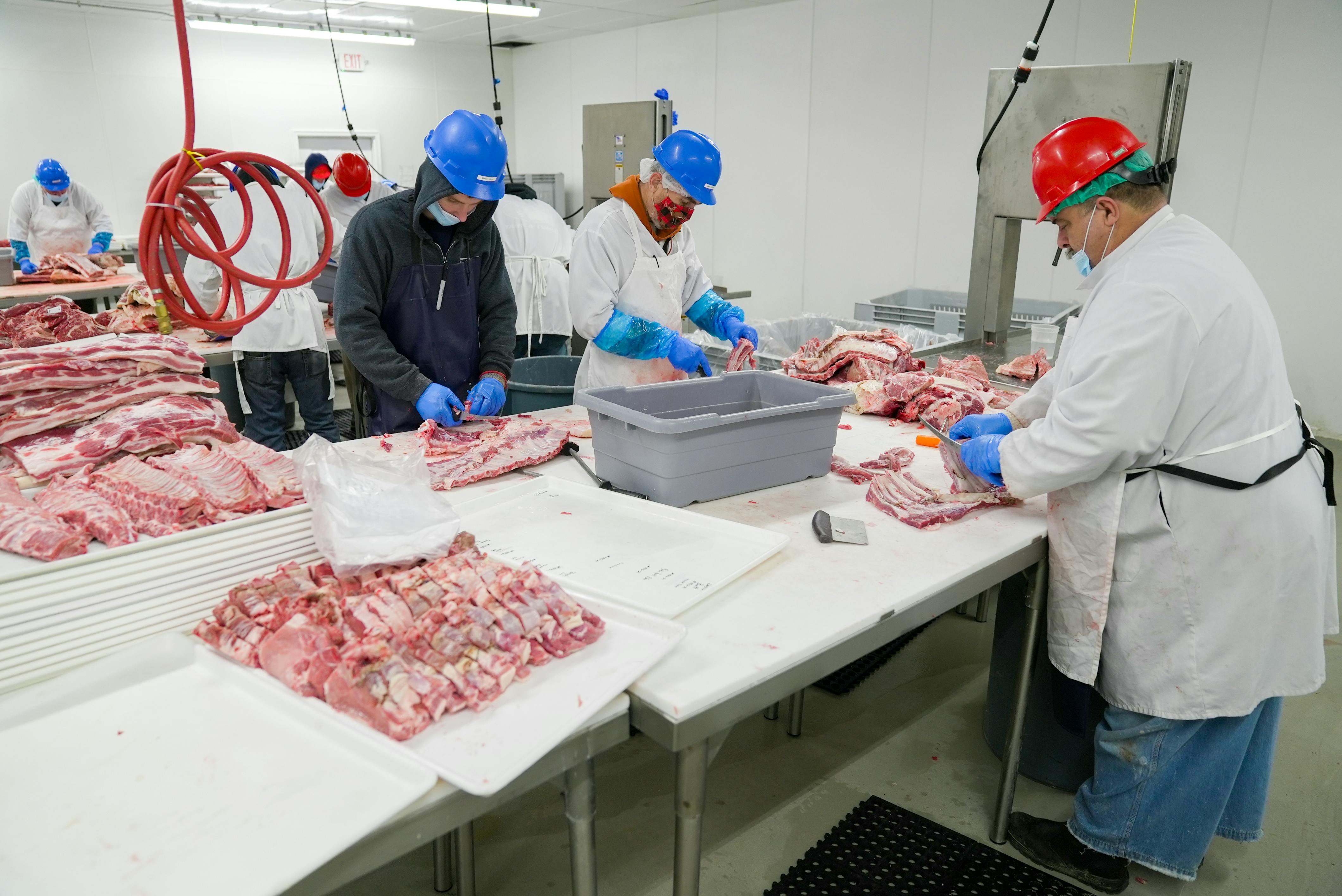
Ground beef goes through more touchpoints than many other cuts. Trimming, transporting, grinding, blending, forming, packaging, and retail repacking all create opportunities for bacteria to move from equipment, surfaces, or workers onto the product.
Even in well-run plants, sanitation has to be nearly flawless. The Food Safety and Inspection Service routinely verifies cleaning controls because equipment like grinders, conveyor belts, and bins can harbor residue that helps pathogens persist from one lot to the next.
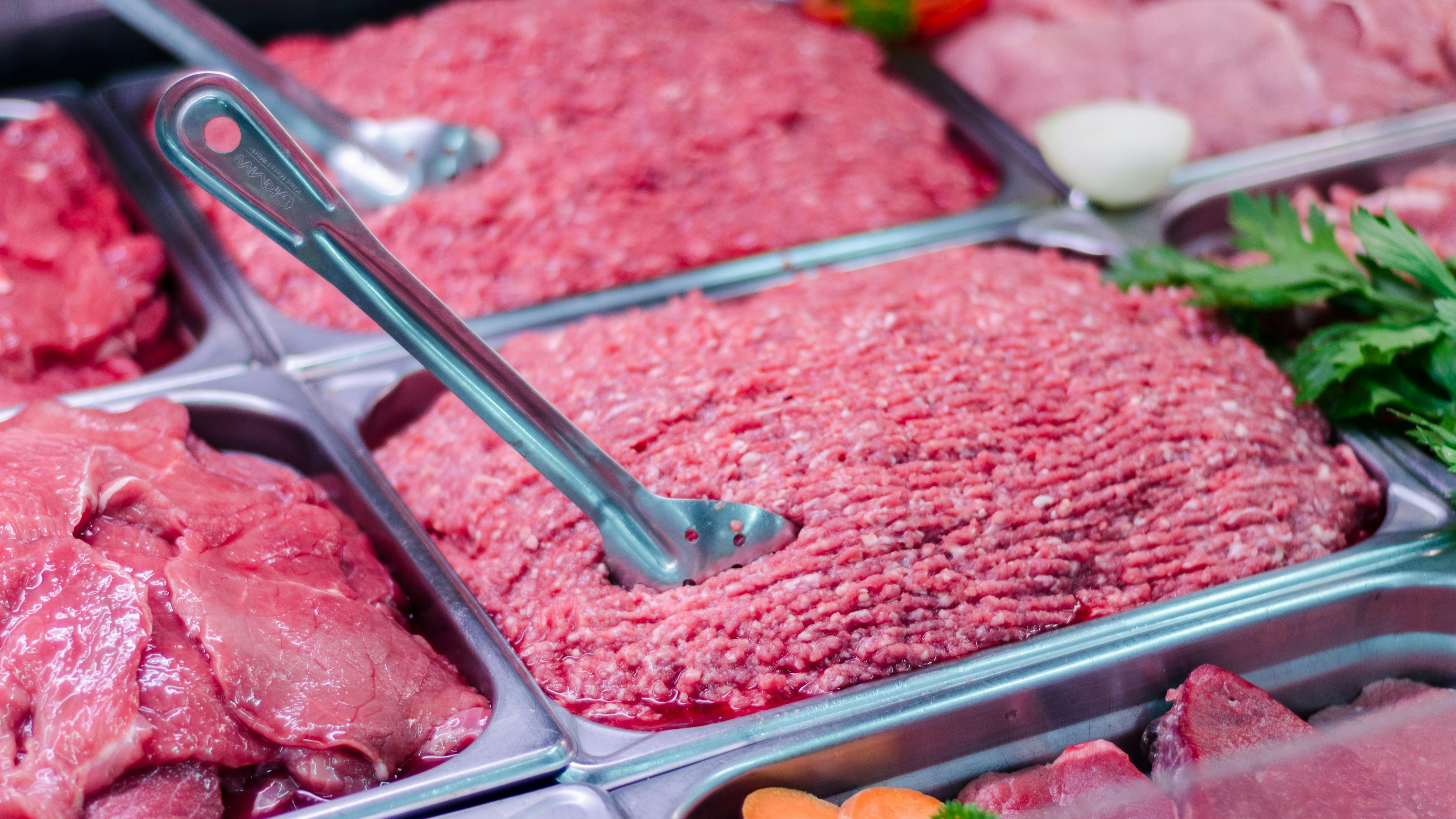
Retail handling adds another layer. Store-level grinding has triggered recalls when contaminated meat was processed on-site and sold quickly before testing or illness reports revealed the problem, expanding exposure across many customers in a very short time.
Consumers often undercook or mishandle it at home
The danger does not end at the plant. Ground beef is commonly cooked by color, texture, or habit, even though food safety agencies recommend reaching 160°F because a brown center is not a reliable sign that pathogens are gone.
Burgers are also associated with cross-contamination in home kitchens. Raw meat juices can spread to cutting boards, sink areas, utensils, and ready-to-eat foods, which means recalls get more attention when officials believe improper home handling could amplify illness risk.
Children, older adults, and people with weakened immune systems face the highest stakes. When illnesses are severe or hospitalization rates rise, regulators tend to respond aggressively, and recalled ground beef often becomes a priority public health issue.
Testing, surveillance, and outbreaks make problems easier to detect

Ground beef is not only risky. It is also heavily monitored. Federal testing programs specifically target raw ground beef for Shiga toxin-producing E. coli and other hazards, increasing the odds that contamination will be discovered before or after sale.
Public health surveillance has also improved dramatically. Lab tools can now connect illnesses across states by matching bacterial fingerprints, which helps investigators link scattered cases back to a common food source that might once have escaped notice.
In other words, ground beef gets recalled often partly because the system is looking hard at it. Frequent recalls do not always mean it is uniquely mishandled, but they do show that when ground beef goes wrong, the consequences can spread quickly and become visible fast.




Leave a Reply