
Food recalls can seem random, but they rarely are. Certain foods keep landing in the spotlight because they are especially vulnerable to bacterial contamination somewhere between farm and fridge.
Leafy greens
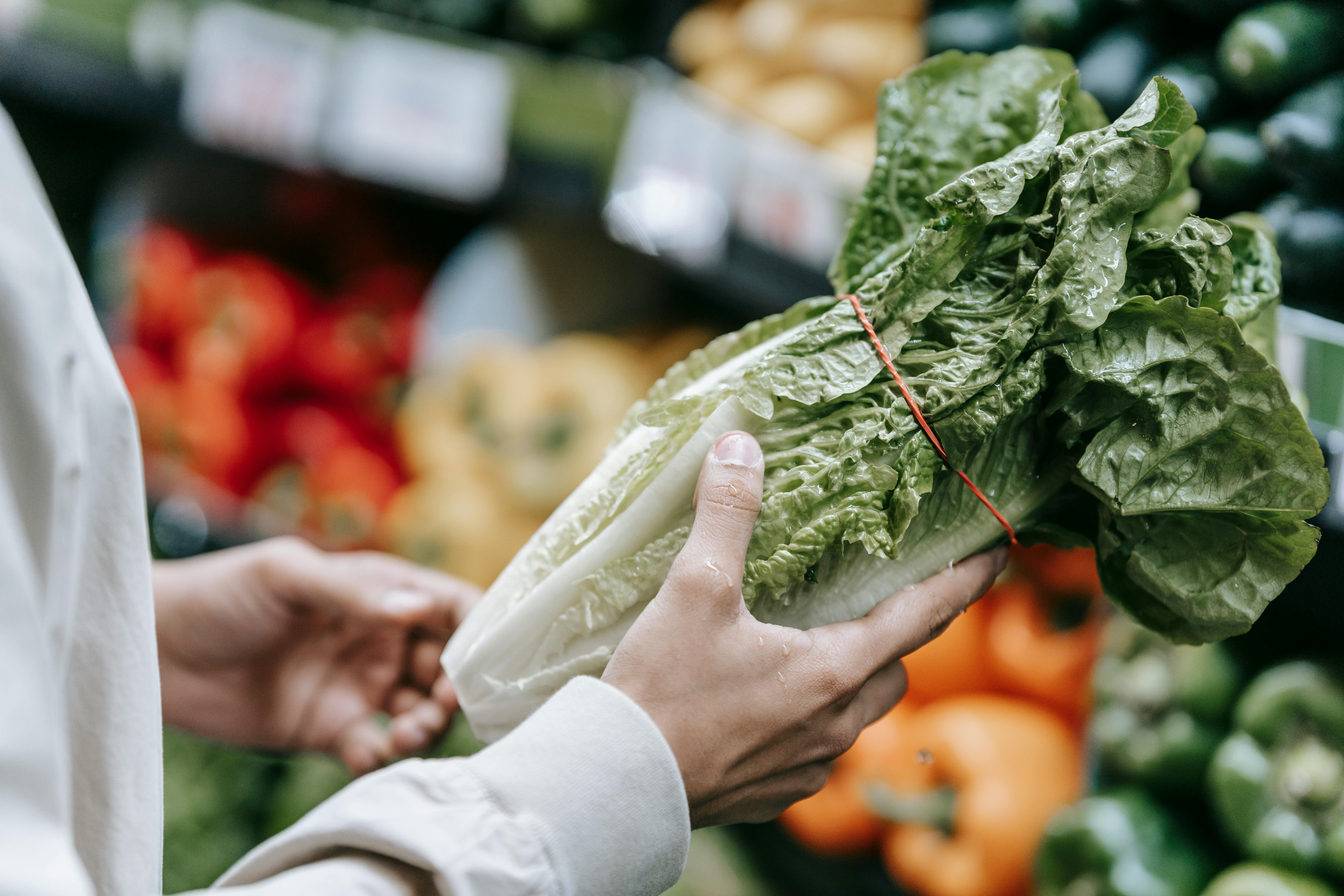
Salad looks harmless, yet leafy greens are one of the most frequently recalled foods in the country. Romaine, spinach, spring mix, and bagged lettuce have all been tied to outbreaks involving E. coli and, less often, Listeria.
The risk starts in the field. Irrigation water, runoff from nearby livestock operations, wild animals, and contaminated soil can introduce bacteria before the greens are even harvested. Because many greens are eaten raw, there is no cooking step to kill what may be present.
Processing can widen the problem. Once leaves are chopped, washed, and mixed in large facilities, contamination from one batch can spread to thousands of bags. Public health investigators have repeatedly traced multistate outbreaks to this kind of centralized packing system.
That is why recalls often involve broad production windows and multiple brands. Even products that look fresh and sealed can carry invisible risk, especially if they are prewashed and ready to eat straight from the package.
Deli meats and sliced cold cuts
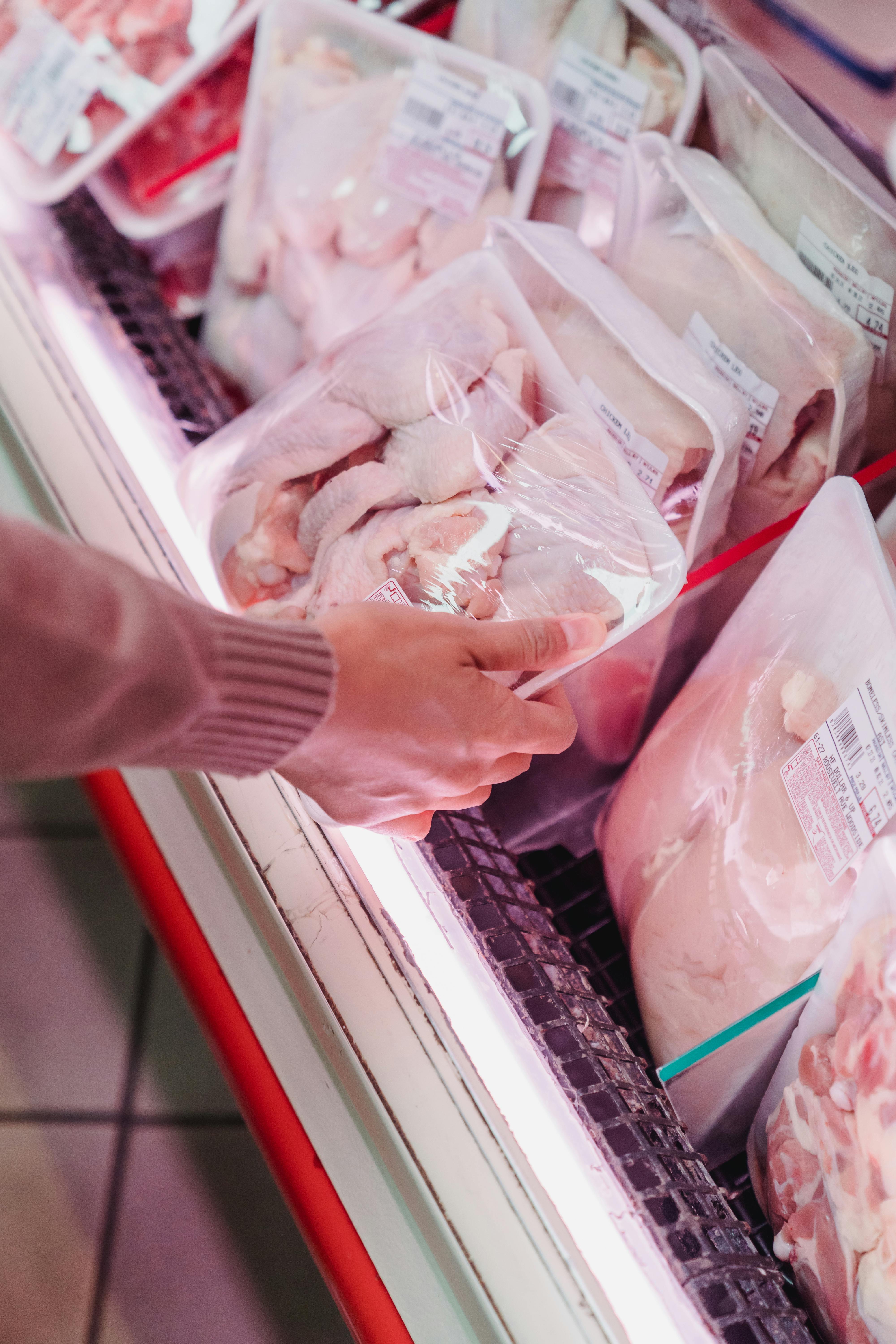
Few refrigerated foods worry safety experts more than deli meats when Listeria enters the picture. Turkey, ham, bologna, salami, and mixed charcuterie products are vulnerable because they are handled after cooking and often sliced on shared equipment.
Listeria is particularly troublesome because it can survive and grow at refrigerator temperatures. Unlike many bacteria that slow down significantly in the cold, this organism can keep multiplying over time, especially if products stay in storage for days or weeks.
Real-world recalls often involve both factory-sealed meats and freshly sliced deli counter items. If a contaminated product touches slicers, gloves, trays, or nearby foods, the bacteria can spread well beyond the original package.
Older adults, pregnant people, and anyone with a weakened immune system face the highest risk of severe illness. That is one reason deli meat recalls are treated so seriously by manufacturers, grocers, and health agencies alike.
Soft cheeses
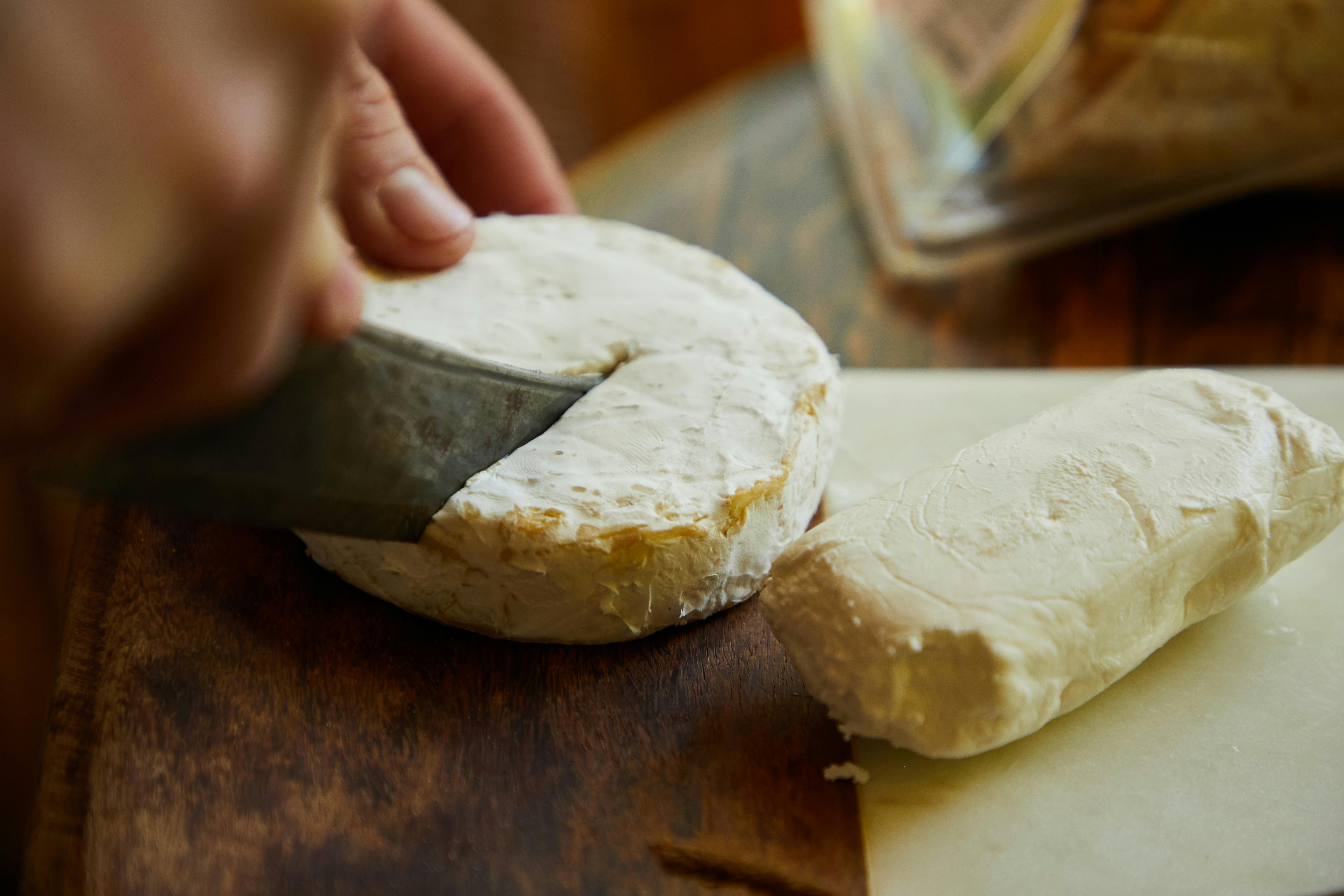
Soft cheese has a long history of bacterial recalls because moisture, handling, and milk quality all matter enormously. Queso fresco, brie, camembert, ricotta, and similar cheeses have been recalled for Listeria, Salmonella, and E. coli contamination.
One major factor is whether the cheese is made from pasteurized or raw milk. Raw milk can carry harmful bacteria from the start, but even pasteurized cheese is not automatically safe if contamination happens later during production, packaging, or storage.
Soft cheeses also have a texture and water content that can support bacterial survival. Fresh varieties are especially sensitive because they are not aged for long periods and are often consumed quickly, with little chance for additional protective processing.
Investigations have found problems ranging from unsanitary drains and equipment to poor temperature control. When recalls hit this category, they often expand fast because specialty cheeses may be distributed to many small retailers and food service operations.
Ground beef
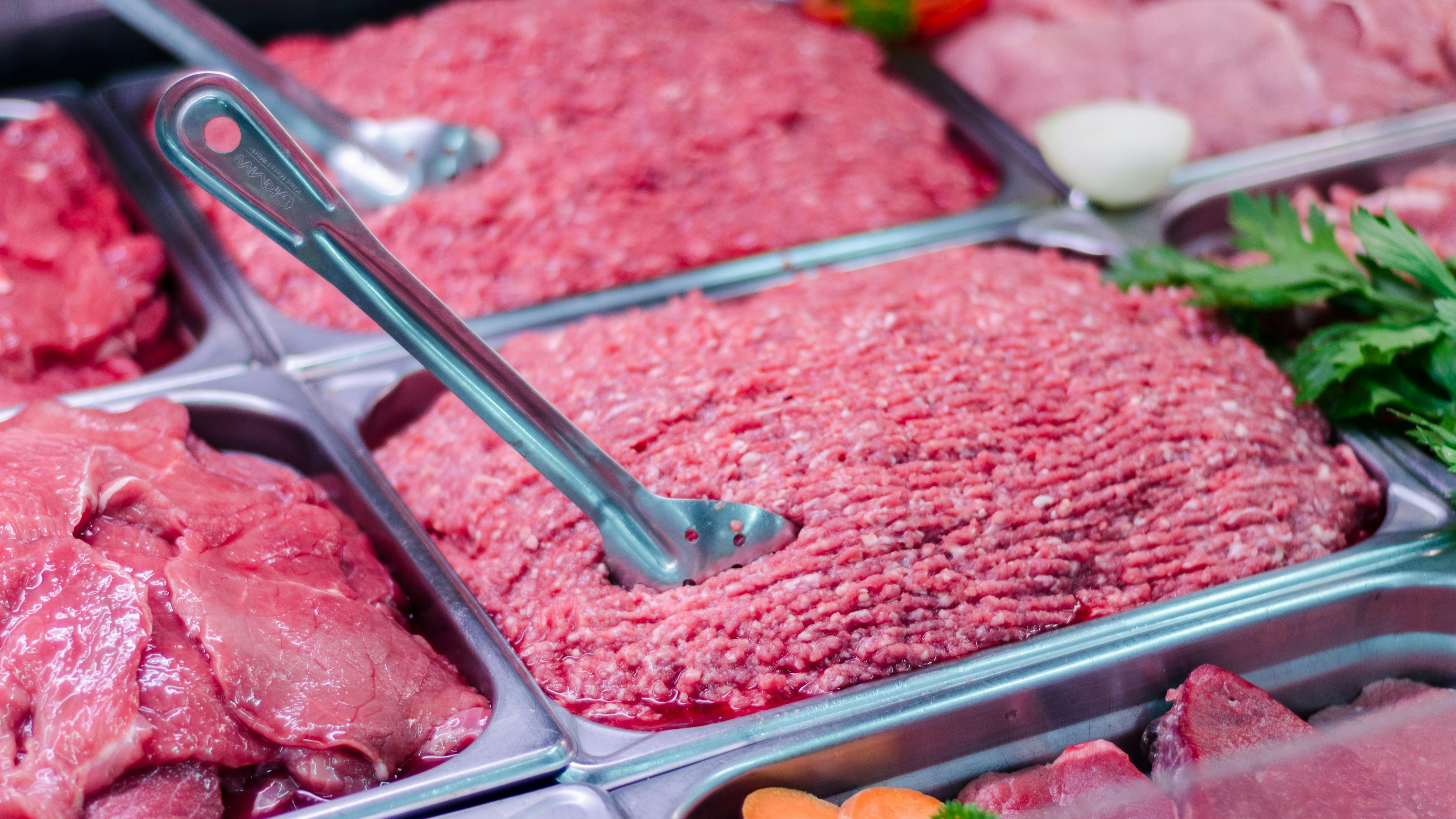
Ground beef is a classic recall category because it mixes surface bacteria throughout the product. Cuts of beef can carry E. coli on the outside, and grinding spreads those organisms through every portion of the meat.
That changes the safety equation. A steak can become safer when the exterior is seared, but a burger must be cooked all the way through because bacteria may be buried in the center. Undercooked patties remain a common source of illness.
Large recalls can start with routine testing by the USDA or a company's own quality checks. When dangerous strains such as E. coli O157:H7 are found, the response is often swift because one production run may have supplied supermarkets, restaurants, and meal services across several states.
Consumer handling matters too. Raw beef juices can contaminate countertops, utensils, and hands in seconds, which is why this category continues to generate concern even beyond the initial recall notice.
Raw milk and unpasteurized dairy
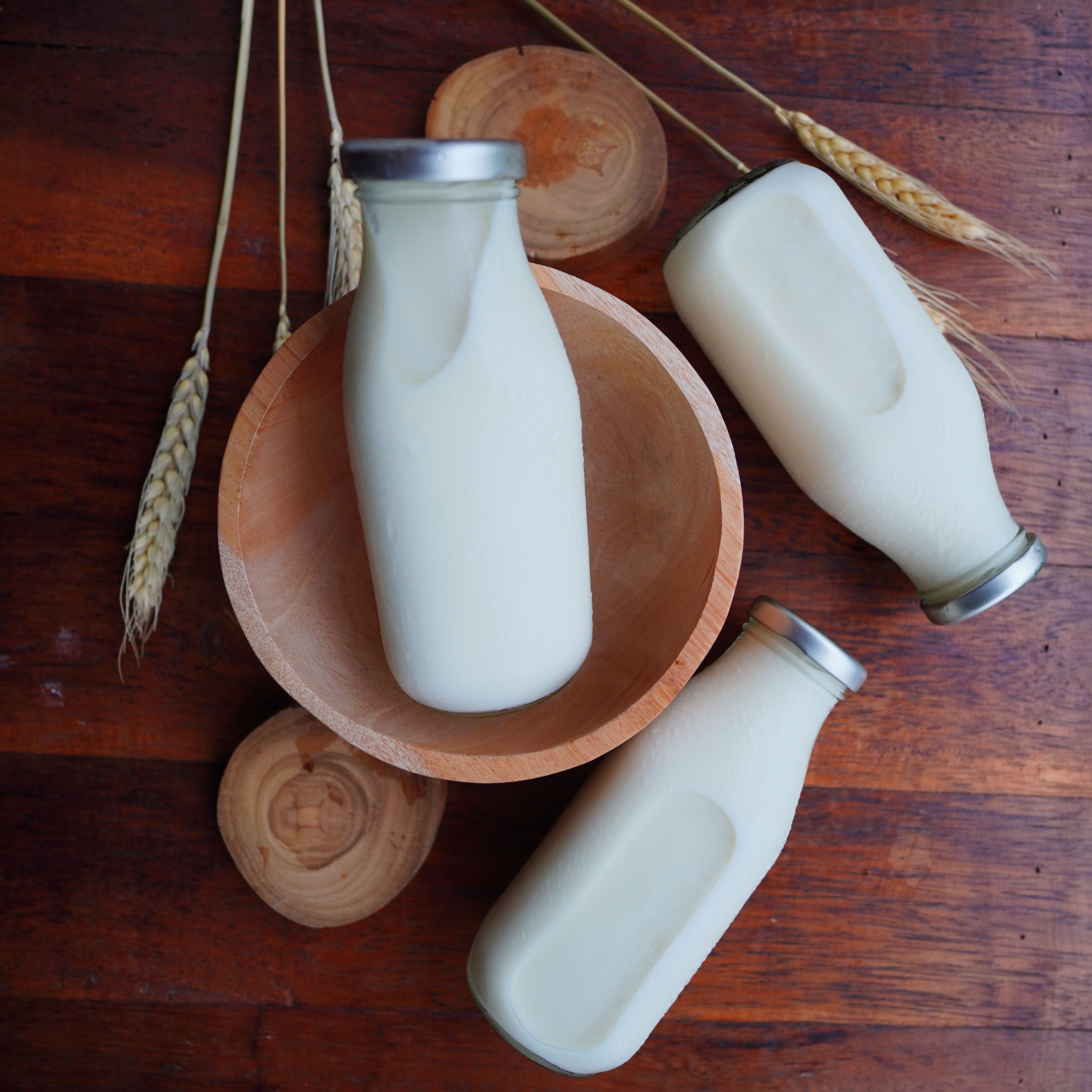
Raw milk has a devoted following, but from a food safety standpoint it remains one of the riskiest products sold. Health authorities have repeatedly linked unpasteurized milk and cream to Campylobacter, Salmonella, E. coli, and Listeria outbreaks.
Pasteurization exists for a reason. It is designed to kill pathogens that may enter milk from infected animals, manure, milking equipment, storage tanks, or transport containers. Without that kill step, bacteria can move directly from farm conditions into the bottle.
Supporters often frame raw milk as fresher or more natural, but regulators focus on the evidence. Outbreak data collected over many years has shown that unpasteurized dairy causes a disproportionate number of illnesses compared with the amount consumed.
Recalls in this category are especially urgent because the consumer may believe the product is wholesome and minimally processed. In reality, minimal processing can mean minimal protection when bacteria are present.
Sprouts
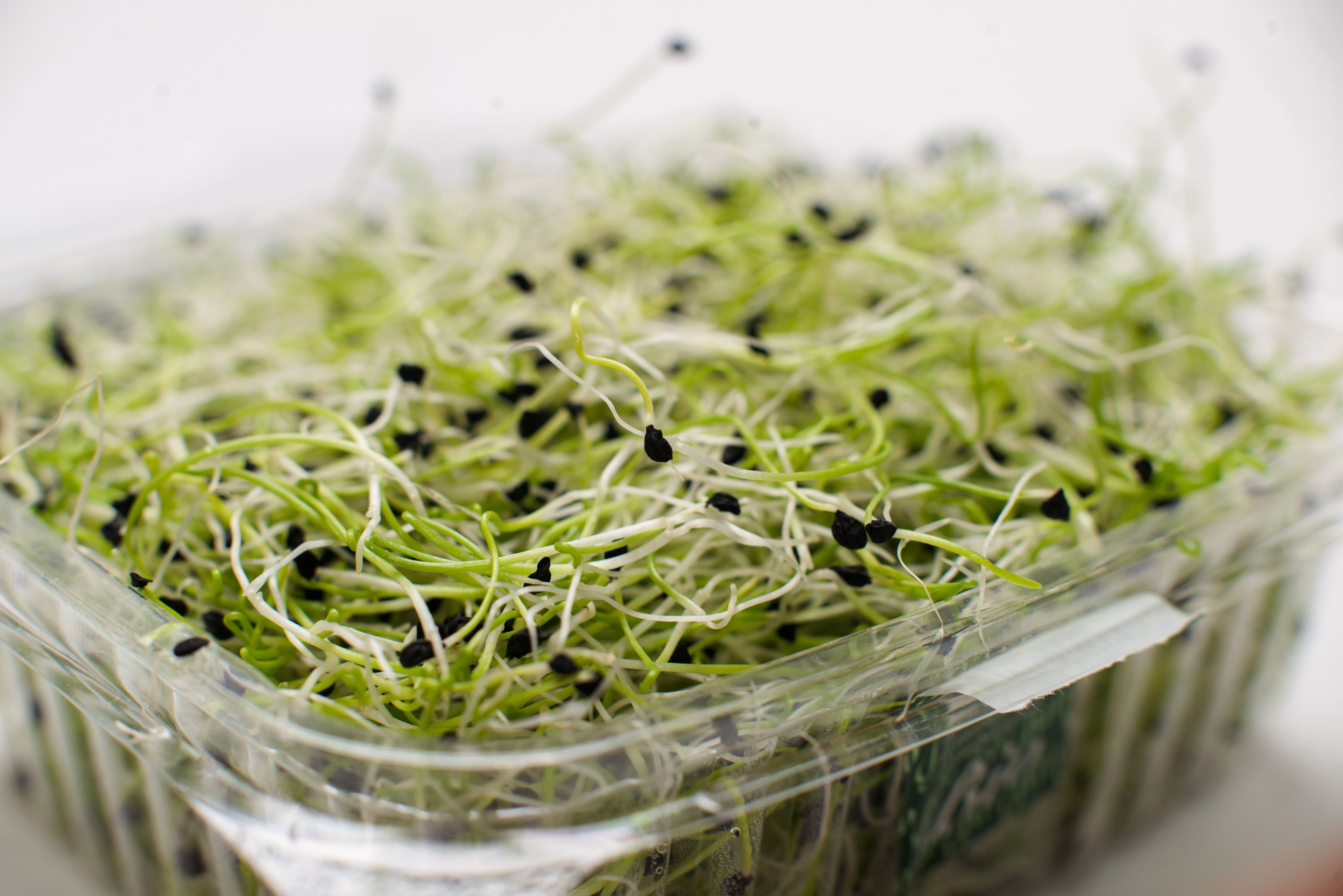
Sprouts have an unusually high-risk profile despite their healthy reputation. Alfalfa, clover, mung bean, and broccoli sprouts have all been linked to repeated outbreaks involving Salmonella, E. coli, and Listeria.
The problem is built into how sprouts grow. Warmth, moisture, and time help seeds germinate, but those same conditions are ideal for bacteria. If pathogens are present on the seed before sprouting begins, they can multiply rapidly during production.
Washing does not solve much here. Bacteria can cling tightly to seeds and plant surfaces, making them hard to remove even with careful rinsing. Because sprouts are often eaten raw on sandwiches and salads, there is again no heat treatment to reduce the hazard.
According to food safety experts, seed disinfection and strict sanitation can lower risk but not eliminate it. That is why sprouts remain a familiar item in recall announcements year after year.
Fresh-cut fruit and melons
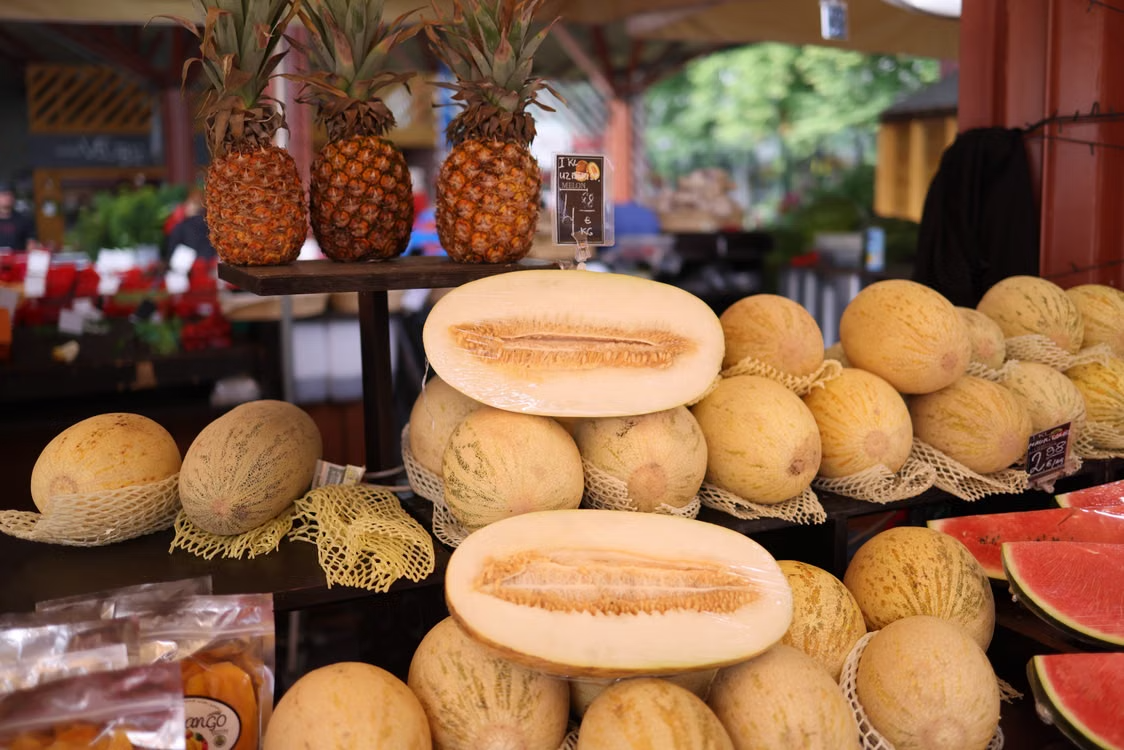
Cut fruit feels convenient and healthy, yet it becomes much riskier once the protective peel is broken. Cantaloupe, watermelon, pineapple, fruit medleys, and prepacked snack cups have all been recalled over bacterial concerns, especially Salmonella and Listeria.
Melons are a standout problem because rough rinds can trap dirt and microbes. When a knife slices through the surface, bacteria can be carried into the edible flesh. From there, moisture and refrigeration can still allow some organisms, especially Listeria, to persist.
Fresh-cut fruit is also heavily handled. Peeling, slicing, scooping, and packing create many opportunities for contamination from equipment, employees, wash water, and cold-room surfaces. Once packaged, these products are usually eaten as-is.
That combination of convenience and vulnerability explains why recalls can be wide-ranging. If one processing line is contaminated, many different fruit blends and store-label products may need to be pulled at the same time.




Leave a Reply