
Some food fraud is modern, but much of it is ancient. Long before barcodes and lab testing, everyday staples were diluted, dyed, stretched, and sold as something finer than they really were.
Olive oil
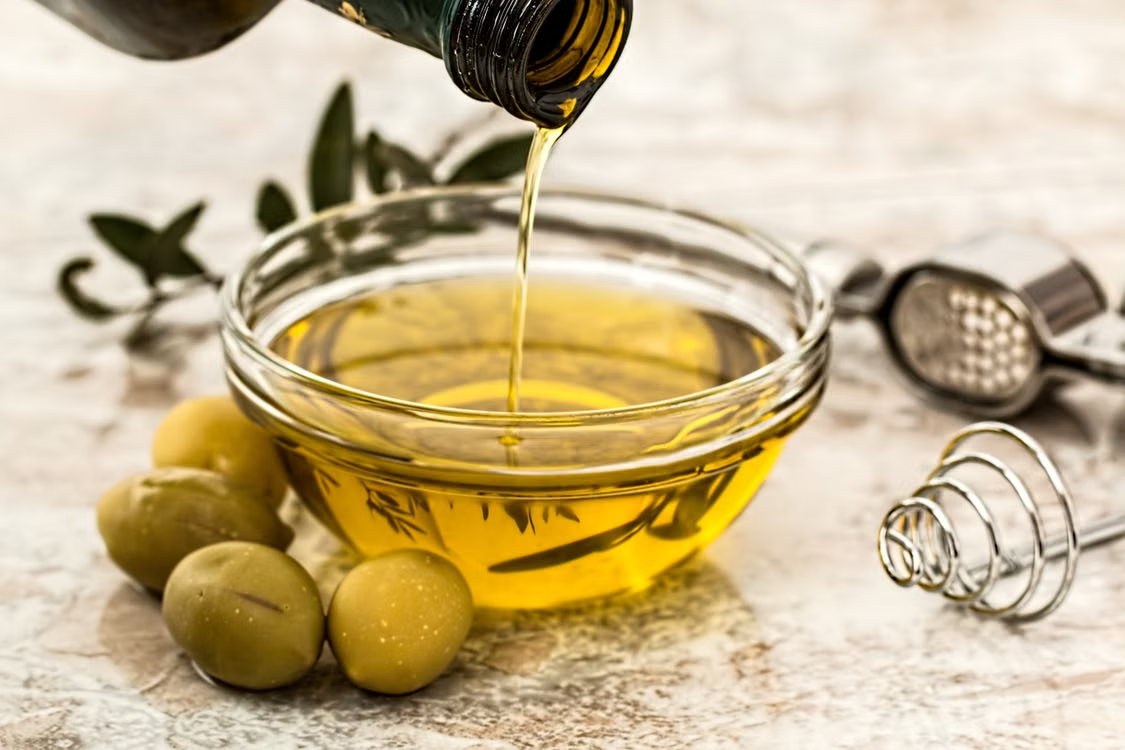
Olive oil has been tampered with since the ancient Mediterranean trade made it valuable enough to cheat. In Rome, authorities tried to regulate oil quality because merchants were already mixing superior olive oil with cheaper seed oils, old rancid stock, or lower-grade lamp oil intended for nonfood use.
The fraud never really disappeared. In modern markets, investigators in Europe and the United States have repeatedly found oils mislabeled as extra virgin when they failed sensory or chemical standards. Some blends were legal but deceptively marketed, while others were outright adulterated with sunflower, soybean, or hazelnut oil.
What makes olive oil so vulnerable is simple economics. Genuine extra virgin oil requires careful harvesting, rapid pressing, and strict storage, all of which cost money. Fraudsters exploit the gap between what shoppers expect from a premium bottle and what many can actually detect by taste alone.
Scientists now use isotope analysis, fatty-acid profiling, and traceability audits to verify origin and purity. Even so, olive oil remains one of the most scrutinized pantry staples in the world because its reputation, price, and global demand still create strong incentives to fake it.
Honey

Honey carries an aura of purity, which is exactly why it has been diluted for centuries. Historical records from Europe and Asia describe beekeepers and traders stretching honey with water, molasses, or boiled syrups, turning a naturally scarce product into a more profitable one.
Today the most common deception involves adding inexpensive sugar syrups derived from corn, rice, or beet. International enforcement agencies and food laboratories have flagged shipments that appeared authentic on basic tests but later raised concerns under more advanced screening, especially when syrups were engineered to mimic natural sugar patterns.
The problem is deeper than sweetness. Real honey reflects floral source, region, and season, and premium varieties such as manuka or acacia can command high prices. That makes origin fraud common too, with jars falsely labeled by botanical type or country of production.
Testing has improved, but honey remains hard to police perfectly. Nuclear magnetic resonance screening, pollen analysis, and carbon isotope methods can reveal some tricks, yet sophisticated adulteration can still evade routine checks. For consumers, honey is a classic example of an ancient food made vulnerable by trust.
Saffron
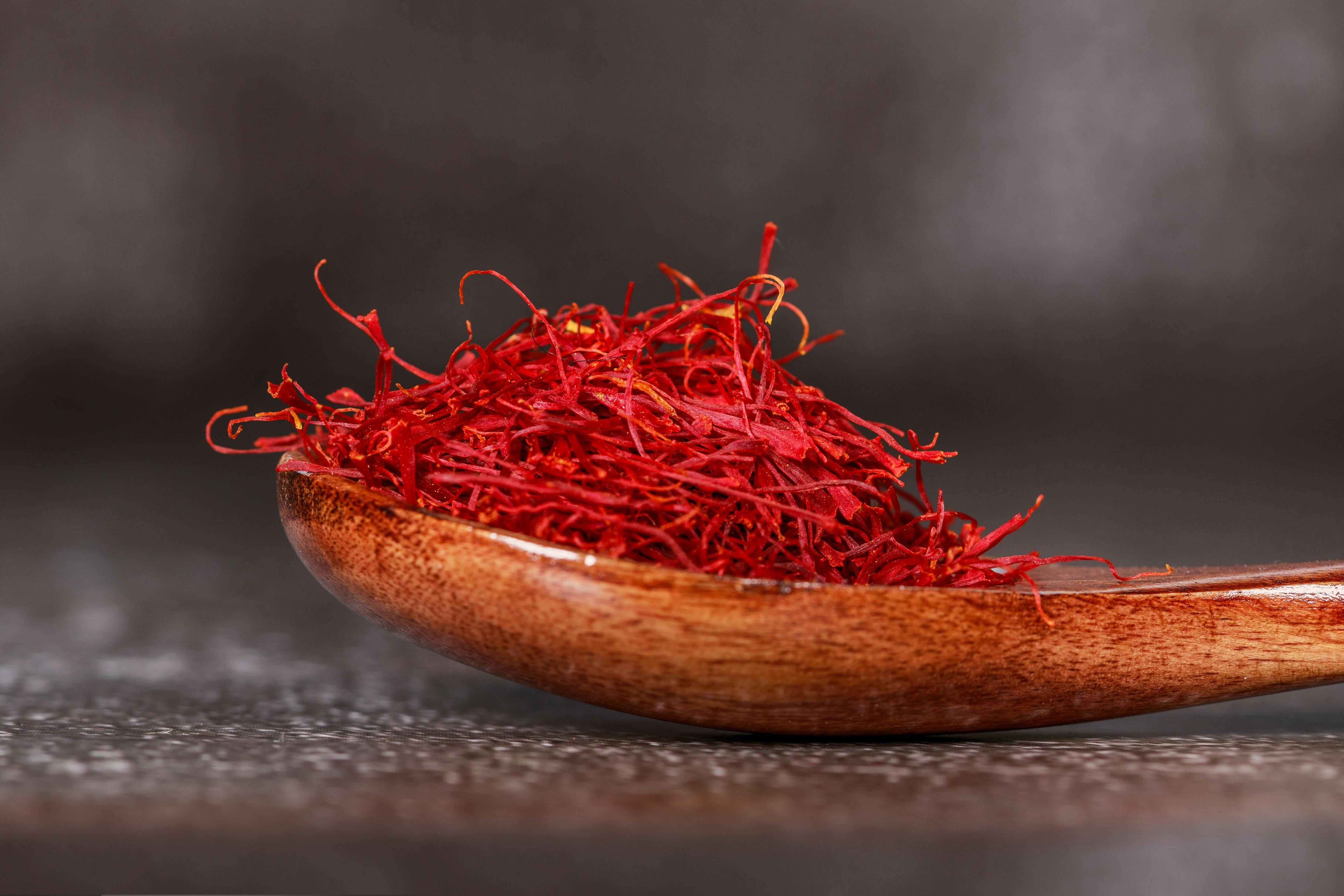
Few pantry staples are as easy to counterfeit as saffron, because the real spice is tiny, labor-intensive, and enormously expensive. Harvested by hand from the stigma of Crocus sativus flowers, saffron has been adulterated for centuries with dyed fibers, plant threads, and exhausted stigmas that had already lost much of their flavor.
Medieval Europe took saffron fraud so seriously that some cities imposed severe penalties. Historians often cite the Safranschou Code in 15th-century Nuremberg, a sign that counterfeit saffron was not a minor annoyance but a serious commercial offense tied to medicine, trade, and status.
Modern scammers use familiar tactics with updated tools. Powdered saffron can be bulked out with turmeric, paprika, sandalwood, or synthetic dyes, while whole threads may be mixed with corn silk or safflower. Moistening the threads also increases weight, letting sellers charge more for less.
Because saffron is usually purchased in tiny amounts, visual trust matters a lot. Laboratories test color strength, aroma compounds, and dye residues, but shoppers still face risk in informal markets. Among pantry staples, saffron remains one of the oldest and most profitable targets for fraud.
Black pepper
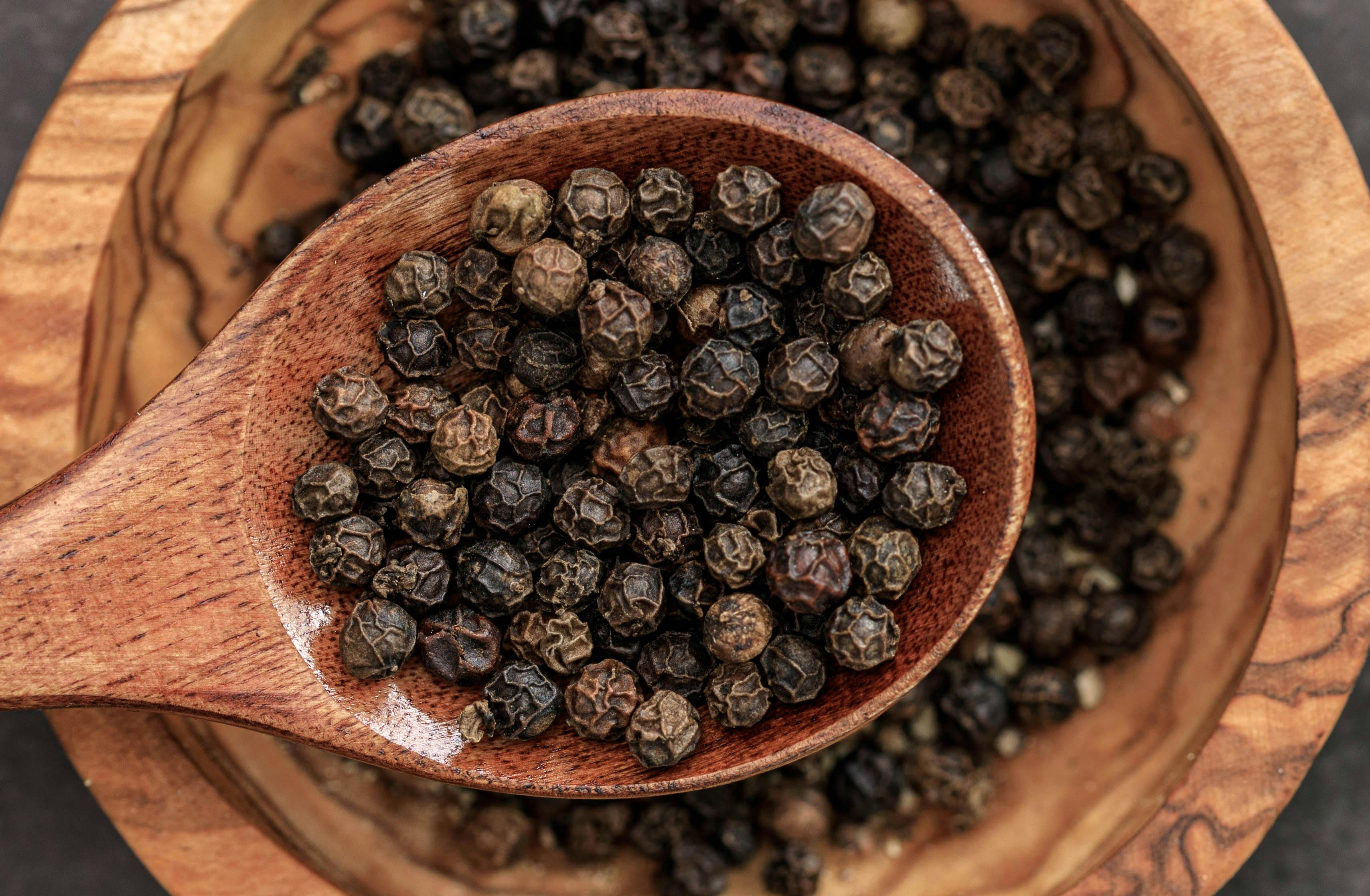
Black pepper was once so valuable that it functioned almost like currency, and wherever value concentrates, fraud follows. Traders historically mixed peppercorns with lightweight debris, spent berries, or cheaper spices, knowing buyers often purchased in bulk and had limited ways to inspect shipments closely.
Ground pepper made cheating even easier. Once the spice was milled, sellers could hide husks, seeds from other plants, flour, or mineral dust inside a dark, aromatic powder. Food historians note that adulteration of pepper and other spices was common enough to become a persistent concern in 18th- and 19th-century food reform movements.
Modern controls are better, but pepper fraud has not vanished. Regulators have intercepted spice products contaminated or diluted with foreign matter, and quality failures still appear in international supply chains. The challenge is that pepper passes through many hands, from farm to broker to processor to retailer.
Pepper's long fraud history shows how vulnerable a global commodity can be when it is sold both whole and powdered. Whole peppercorns are generally easier to assess, while pre-ground forms create more room for substitution. That basic truth has remained consistent for centuries.
Tea

Tea may seem difficult to fake, yet its long commercial history is full of substitution and deception. In 18th- and 19th-century Britain, investigators documented used tea leaves being dried, recolored, and resold. Other batches were padded with leaves from unrelated plants to imitate more expensive teas.
Coloring agents were another major problem. Some counterfeit teas were treated with substances that improved appearance but had nothing to do with quality, and in certain historical cases they included compounds that alarmed early public health officials. The goal was not flavor first, but the illusion of freshness and refinement.
Modern tea fraud often centers on origin and grade rather than dramatic toxic dyes. Premium names such as Darjeeling have long faced imitation, with experts noting that global sales volumes at times appeared to exceed plausible authentic production. Blending is normal in tea, but misleading labels cross the line.
Authentication now involves chemical fingerprinting, geographic verification, and increasingly detailed supply-chain records. Still, tea remains vulnerable because consumers buy stories as much as leaves. When a pantry staple carries prestige, romance, and price, counterfeiters have every reason to imitate it.
Coffee
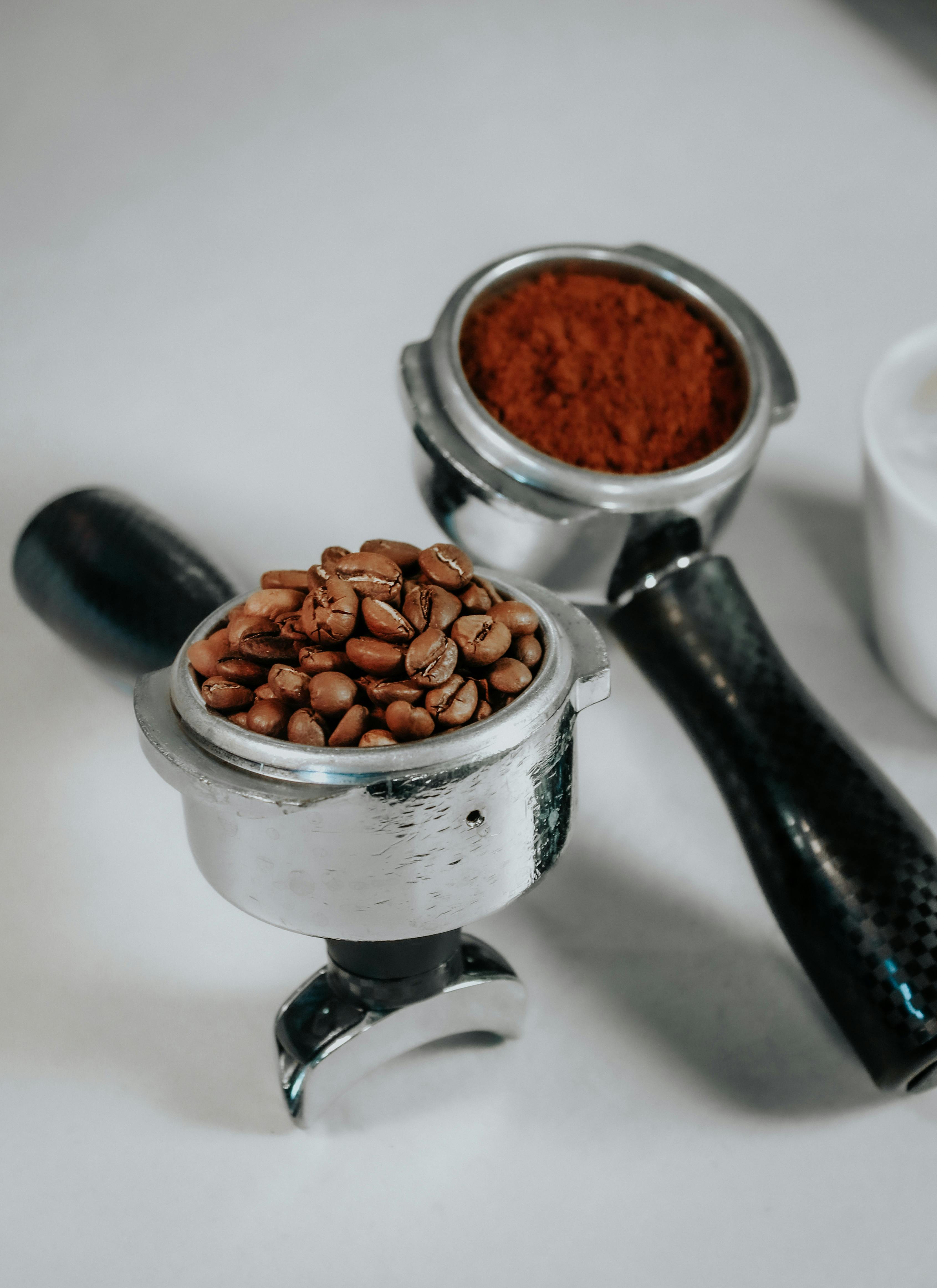
Coffee fraud has a long and surprisingly inventive record. In past centuries, shortages and high prices encouraged sellers to extend ground coffee with roasted chicory, cereals, acorns, figs, or beet products. Some substitutes were openly sold, but others were passed off as pure coffee to protect margins.
The issue became especially pronounced wherever urban demand surged faster than reliable supply. By the 19th century, food analysts in Europe were already examining coffee for fillers and publishing methods to spot adulteration. Their work helped shape the broader consumer protection movement that later transformed packaged foods.
Today the greatest risks vary by format. Whole beans can be mislabeled by origin or variety, while ground coffee is easier to bulk out invisibly. Instant coffee and extracts also raise authenticity questions because complex processing can obscure the raw material behind the final product.
Coffee remains a prime target because branding adds huge value beyond the bean itself. A bag marketed as single-origin, specialty, or rare commands a premium that fraudsters naturally chase. Centuries later, the core temptation is unchanged: sell something ordinary at the price of something exceptional.


Leave a Reply