Bourbon shopping can feel exciting, but it is also full of traps that can leave buyers overpaying or going home with a bottle that does not match the hype. A polished label, a limited release claim, or a locked display case does not always mean quality. This gallery breaks down five red flags worth noticing so you can buy smarter, ask better questions, and choose bottles with confidence.
A sky-high price with no clear reason
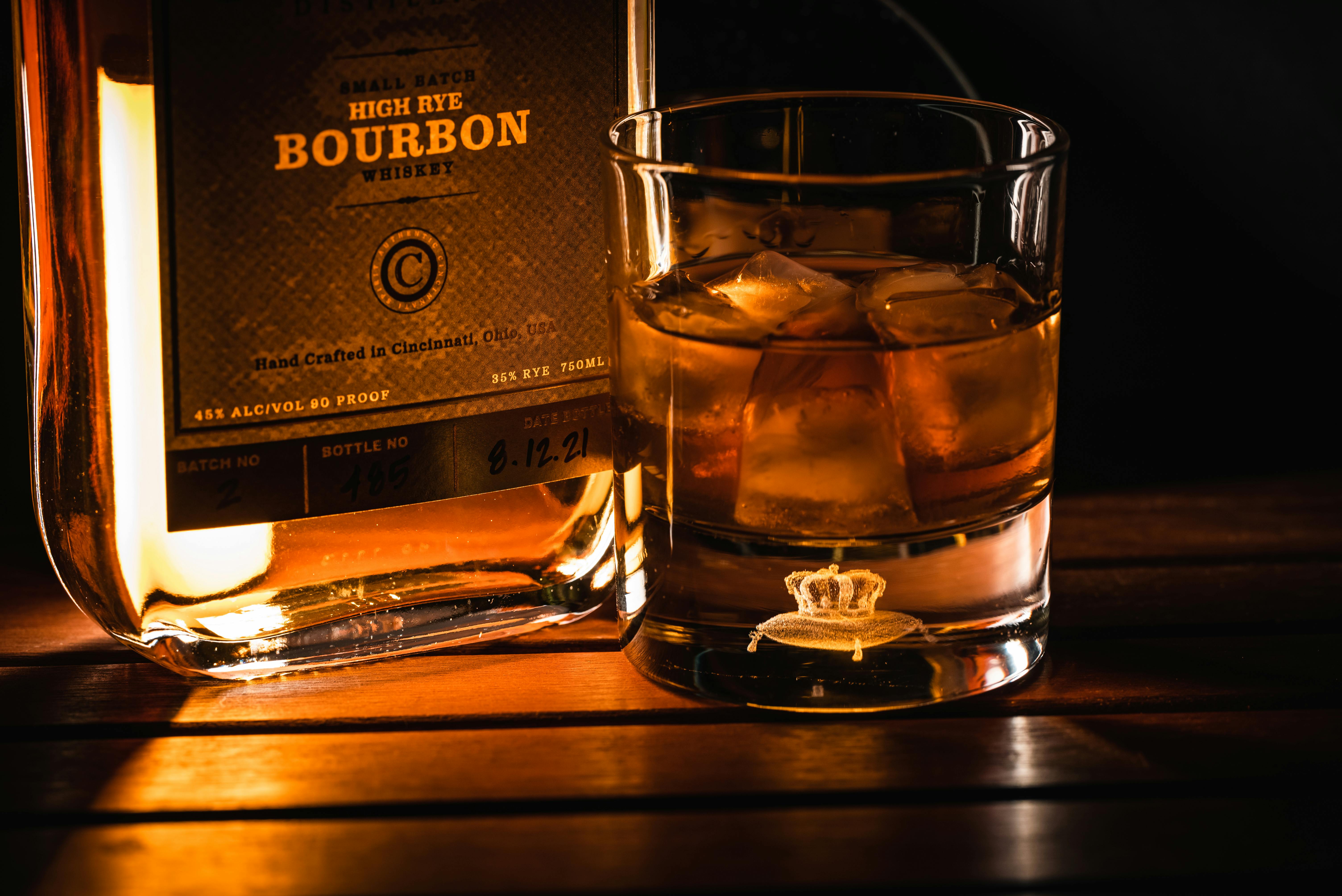
One of the easiest traps in bourbon buying is assuming a higher price automatically means a better bottle. In reality, bourbon pricing can be shaped by scarcity buzz, store markups, regional demand, and collector hype just as much as age, production quality, or flavor. A bottle that should sell near its suggested retail price can suddenly cost far more simply because the category is hot.
That matters because many excellent bourbons live in the middle price range. If the store cannot explain why a bottle is dramatically more expensive, that is a warning sign. Look for proof, age information, distillery reputation, and release details that actually justify the cost instead of paying for excitement alone.
A label that sounds impressive but says very little
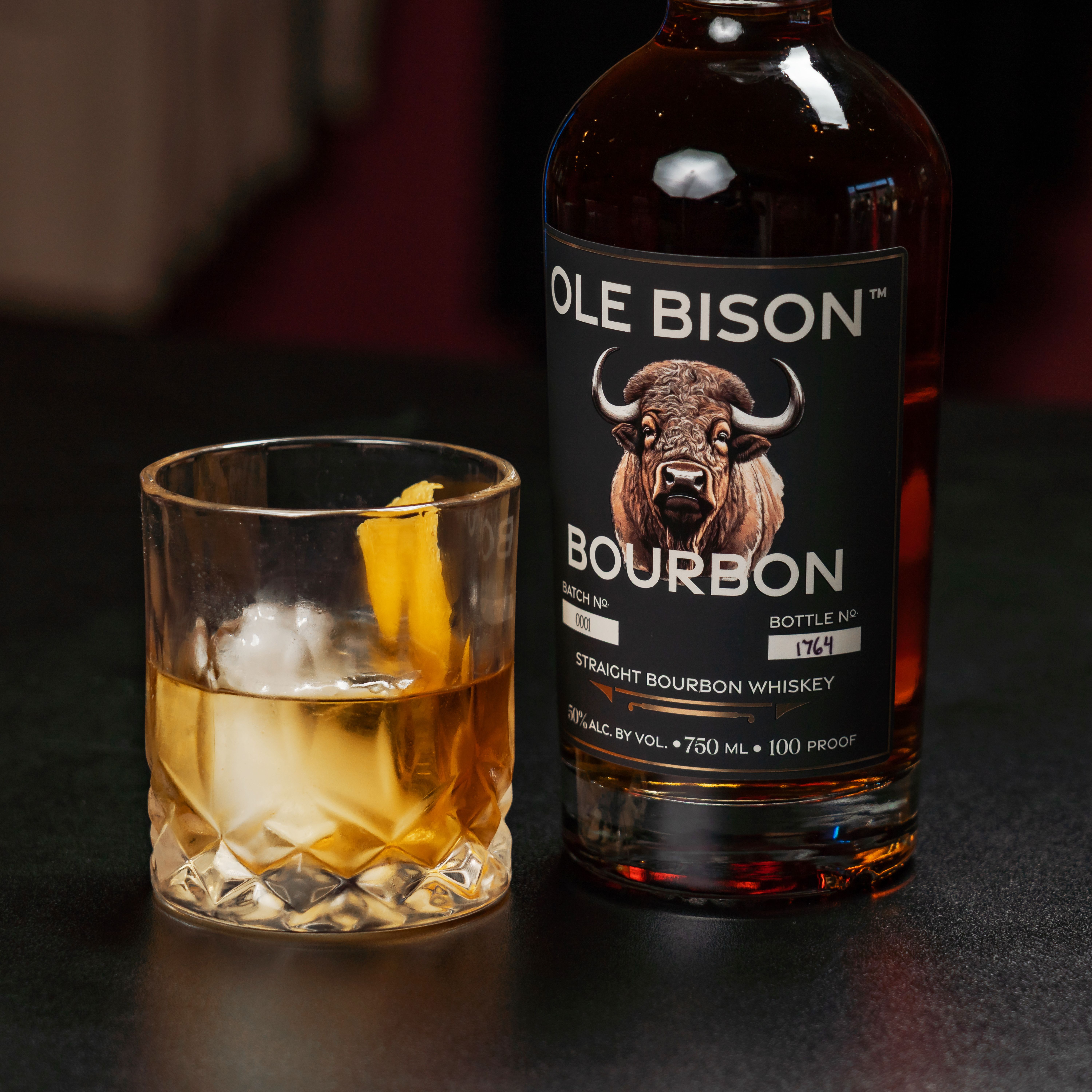
Some bourbon bottles lean hard on language like small batch, handcrafted, reserve, or premium, even when those words tell you almost nothing useful. In the United States, several of these terms are loosely defined or used mainly for marketing. They can create an image of rarity and care without giving buyers concrete facts about age, mash bill, proof, or where the whiskey was distilled.
A trustworthy label usually gives you something real to work with. That might include the distillery name, bottling proof, age statement, or whether the bourbon is bottled in bond. If the front label is heavy on storytelling but light on specifics, slow down and read more carefully before assuming the bottle is special.
No age statement when the brand wants you to assume maturity

Age is not everything in bourbon, but it still matters, especially when a brand uses dark packaging, old-fashioned design, or vague language to suggest deep maturity. If a bottle looks like it is trying to telegraph long aging without actually stating an age, that deserves a second look. Non-age-stated bourbon can be excellent, but it can also be a blend built for consistency rather than depth.
The point is not to avoid every bottle without an age statement. It is to watch for branding that nudges you toward an assumption the label does not support. When age is a selling point, serious producers usually say so plainly. If they do not, flavor and price should carry more weight than appearance.
Artificial scarcity and pressure to buy immediately
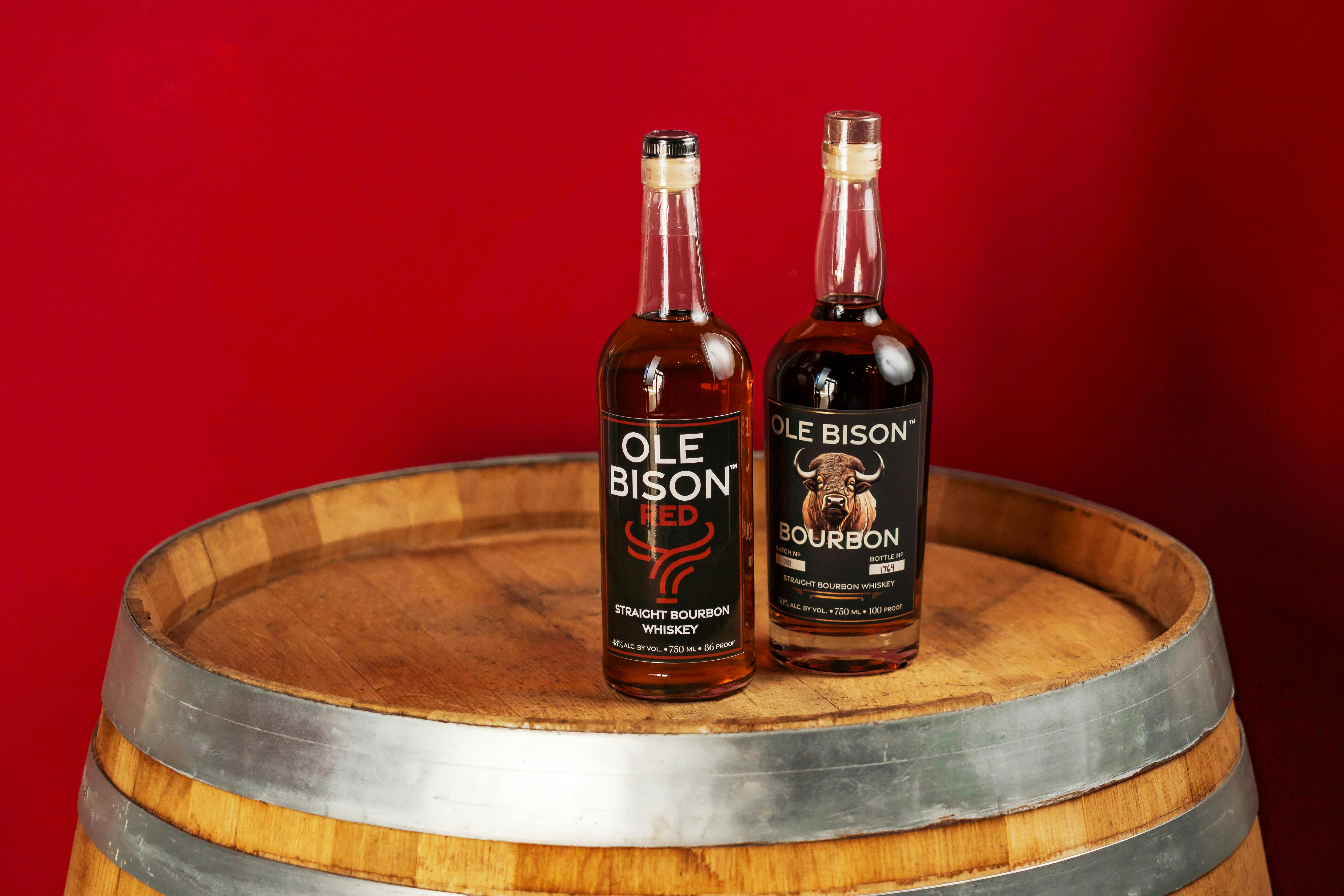
Few things push shoppers faster than being told a bottle will disappear in minutes. Sometimes that is true. Limited releases and allocated bourbons do sell quickly. But some stores use urgency as a sales tactic, especially when they want buyers to accept inflated prices or skip comparison shopping. Phrases like last one, impossible to find, or buy it now can short-circuit good judgment.
A rare bottle should still make sense on its own terms. Ask when it arrived, whether it is part of a regular allocation, and how the price compares with typical retail. If the sales pitch feels breathless or theatrical, that is your cue to pause. Scarcity can be real, but it should not replace honest value.
A bottle built more for collecting than drinking
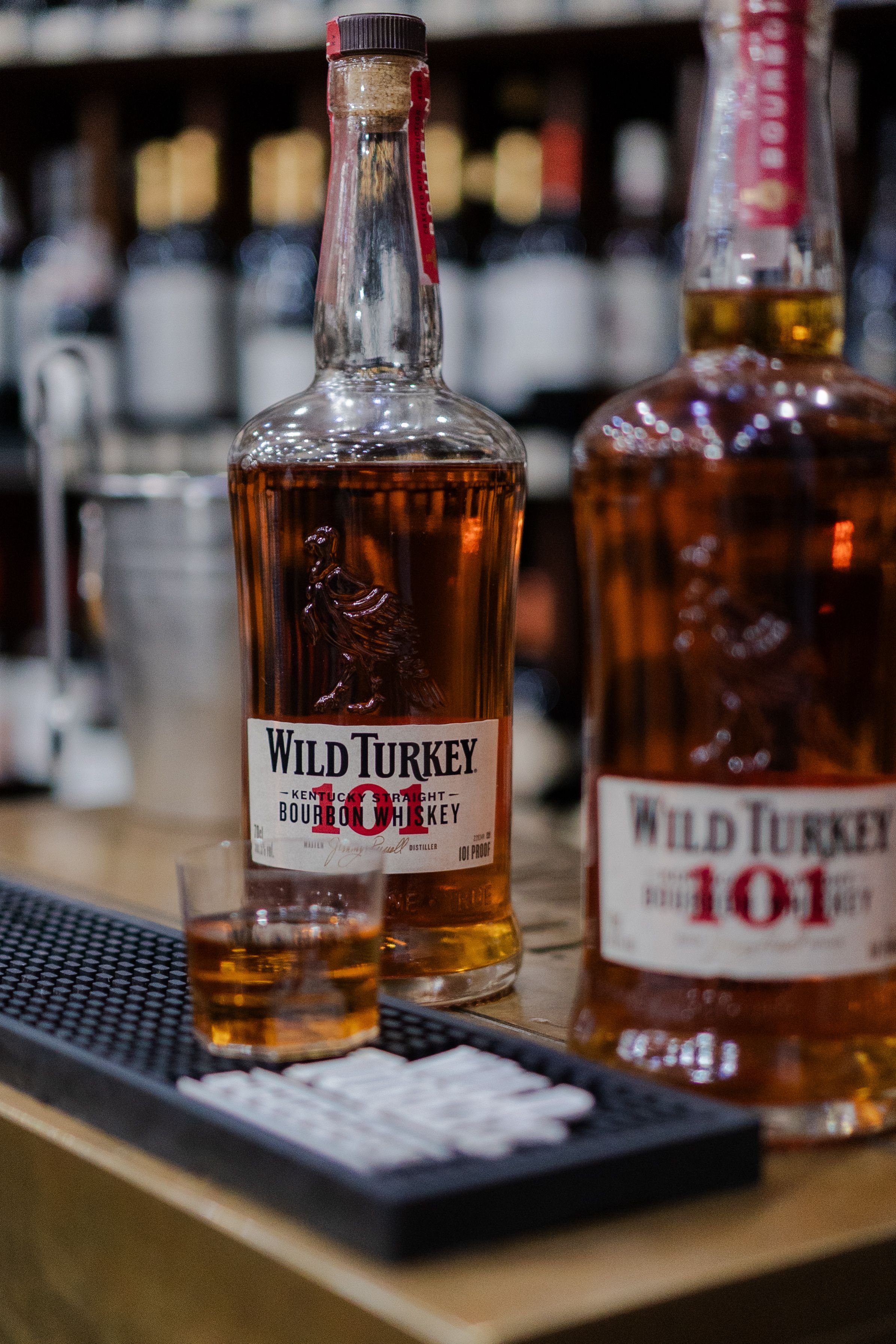
Some bourbons are sold like luxury objects first and spirits second. Heavy glass, ornate toppers, velvet boxes, and dramatic backstories can create a sense of occasion, but they can also distract from what is actually in the bottle. Packaging adds cost, and in some cases buyers end up paying more for presentation than for exceptional whiskey.
That does not mean beautiful bottles are bad purchases. It means the liquid should still earn its place. Check proof, producer, age information, and reviews from experienced tasters, not just social media excitement. If most of the appeal lives in the bottle's look, status, or resale chatter, that is a red flag for anyone shopping to drink.