
The weekly grocery trip used to be simple, local, and fairly predictable. In Canada, it has since become faster, more digital, more global, and often more expensive.
Bigger stores replaced the simpler neighborhood experience

In the 1980s, many Canadians still shopped in smaller supermarkets, independent grocers, butcher shops, and bakeries. A typical trip could involve several stops, especially in urban neighborhoods where specialty food retailers remained a strong part of daily life. Selection was narrower, but shoppers often knew store staff personally and relied on them for advice on cuts of meat, produce quality, and weekly specials.
Over time, the market shifted toward larger-format stores and national chains. Companies such as Loblaws, Sobeys, and Metro expanded their reach, while warehouse clubs and supercentres changed expectations around convenience and scale. One-stop shopping became a major selling point, folding groceries together with pharmacy items, household goods, and seasonal merchandise.
This change altered the rhythm of shopping itself. Instead of frequent short visits, many households moved toward fewer, larger trips built around car access, flyers, and bulk buying. Rural and suburban development reinforced that model, making the modern grocery run less personal but often more efficient.
Packaged variety exploded far beyond basic pantry staples

A grocery aisle in 1985 looked far less crowded than one today. Canadians could find the basics, but the sheer number of flavours, package sizes, convenience foods, and imported items was limited compared with modern shelves. Breakfast cereal, yogurt, frozen meals, and snack foods now come in a range that would have seemed excessive a generation ago.
This expansion reflects both manufacturing changes and consumer demand. Food companies learned to segment the market more precisely, offering products for children, athletes, busy workers, seniors, and people with particular tastes. Private-label lines also grew stronger, giving stores more control over pricing and shelf space.
For shoppers, variety has brought both freedom and fatigue. More options can help households match products to budgets and dietary needs, but they also make comparison harder. The modern Canadian grocery store is no longer just a place to buy food. It is a highly curated retail environment built to influence choice at every turn.
Fresh produce became more global and available year-round
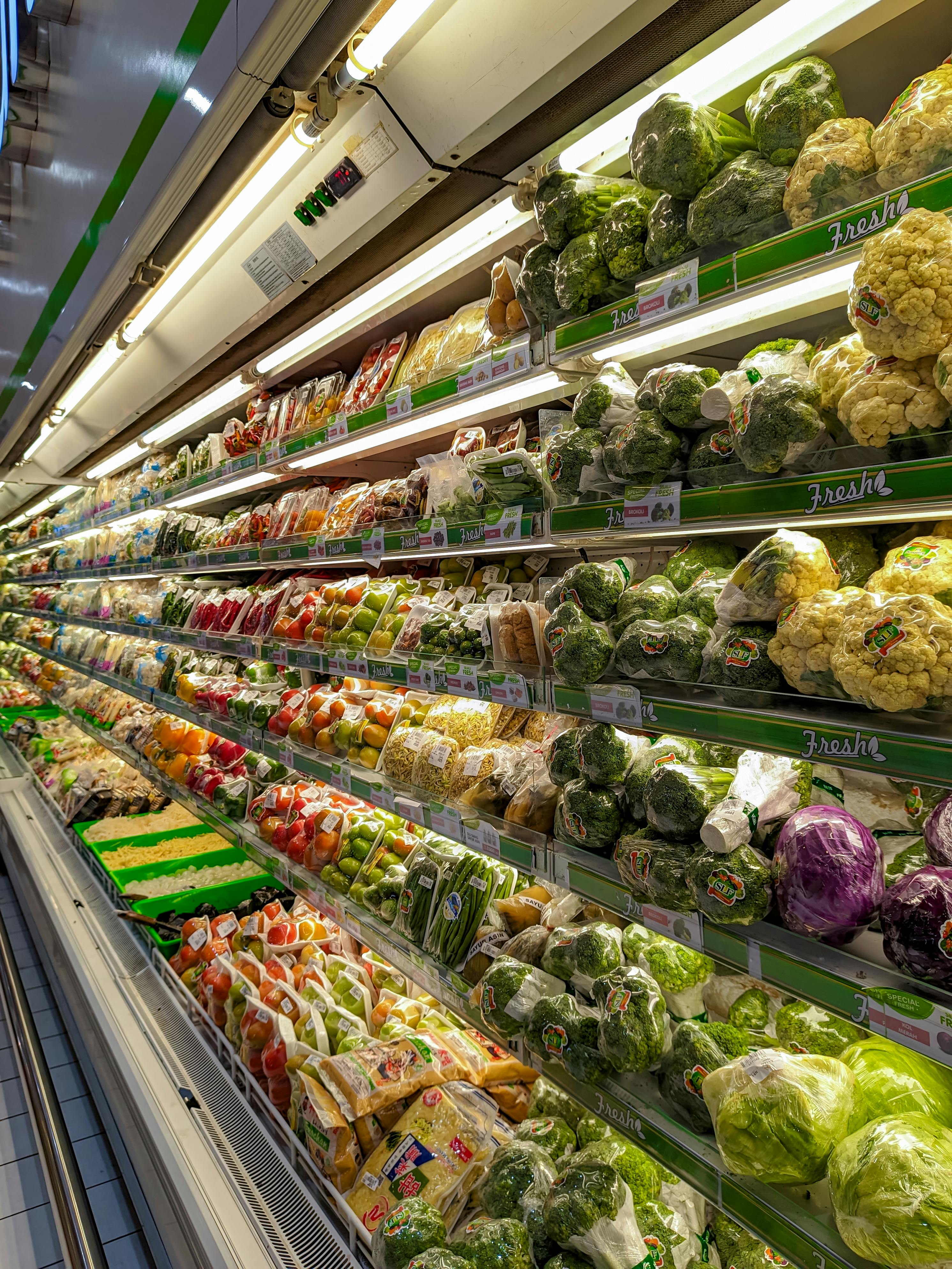
One of the biggest visual differences since the 1980s is the produce department. Canadian shoppers once expected more visible seasonality, especially outside large cities. Winter meant fewer fresh choices and heavier reliance on storage crops, canned goods, and frozen vegetables.
Today, strawberries in January and asparagus in November barely raise an eyebrow. Improved transportation, refrigeration, and trade links have made fresh produce from the United States, Mexico, South America, and beyond a routine part of grocery shopping. Agreements that deepened cross-border trade also helped integrate Canada into year-round North American food supply systems.
The upside is convenience and abundance. The trade-off is complexity around price, quality, carbon footprint, and food security. Weather events in California, drought in Mexico, or transportation disruptions can now affect what appears in a Canadian produce section within days, making the local grocery aisle feel tied to global events.
Technology changed how Canadians pay, plan, and shop
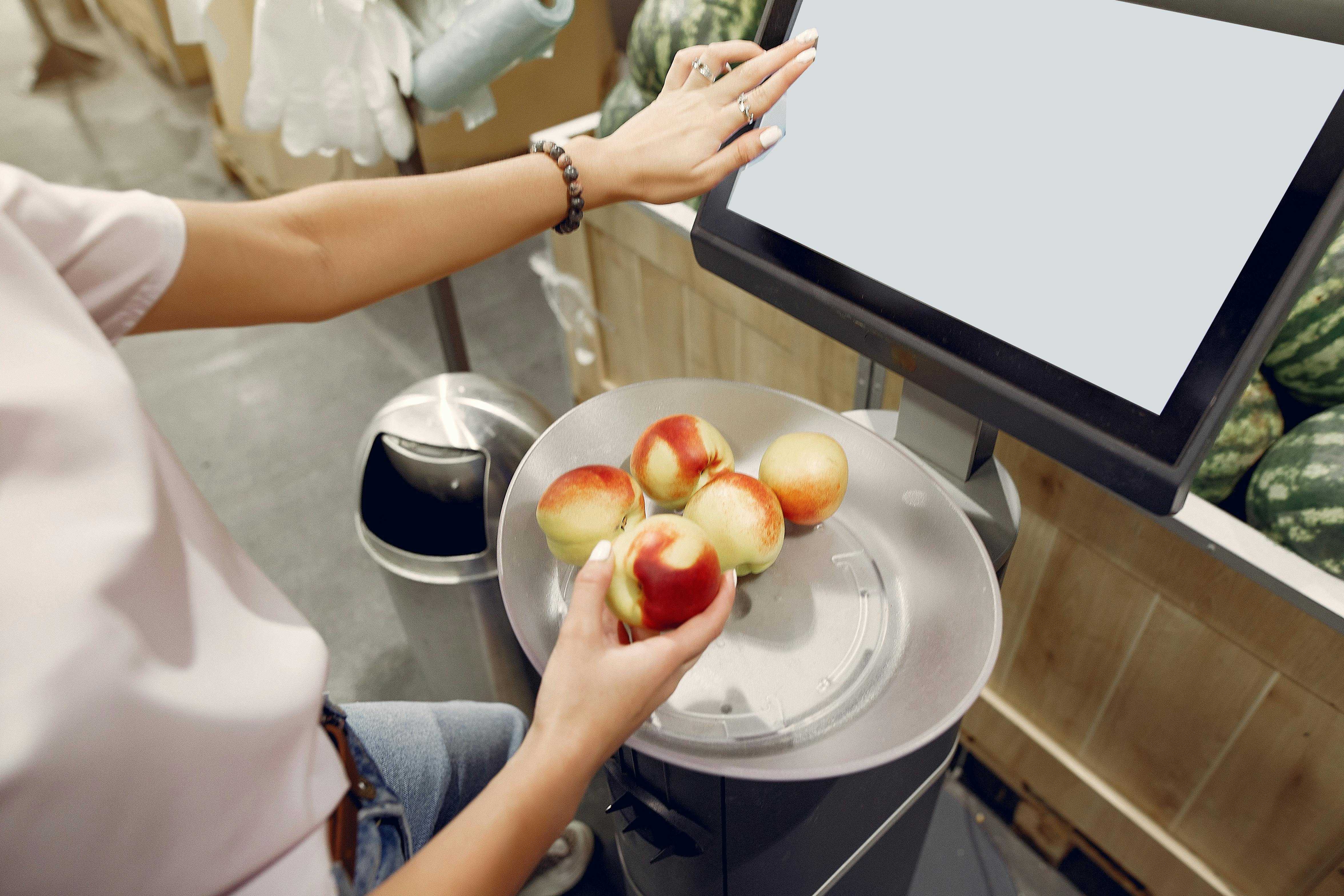
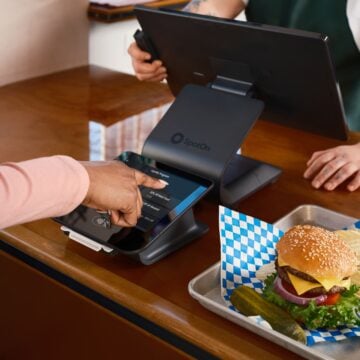
In the 1980s, grocery checkout was a slower and more manual process. Prices were often marked directly on products or entered by cashiers, and payment was commonly made with cash. Debit machines were not yet standard, and the idea of tapping a card or phone to buy milk would have sounded futuristic.
Barcodes, scanners, and modern point-of-sale systems changed store operations dramatically. They improved inventory tracking, sped up checkout, and gave retailers more precise data on buying habits. Loyalty programs later added another layer, allowing chains to tailor promotions and study customer behavior in remarkable detail.
For shoppers, technology now shapes the whole trip before they even enter a store. Digital flyers, mobile coupons, price-comparison tools, and app-based shopping lists are common. Self-checkout, once novel, is now a regular feature in many Canadian stores, though it remains a point of debate for customers who still prefer staffed lanes.
Prices and budgeting became a much bigger part of the experience

Every generation notices prices, but grocery costs occupy more attention now than they did in much of the 1980s and 1990s. Inflation, housing costs, wage pressure, and supply disruptions have made food affordability a central issue for many Canadian households. Statistics Canada has repeatedly shown that food purchased from stores has seen sharp price swings in recent years.
That reality has changed shopping behavior. More consumers compare flyers, switch stores, buy fewer impulse items, and choose private-label brands to stretch budgets. Discount banners have become especially important, with chains using separate low-price formats to capture value-conscious shoppers.
Budgeting is now woven into the grocery trip in a more visible way. Families monitor unit pricing, wait for promotions, and sometimes plan meals around what is discounted rather than what they originally wanted. In practical terms, shopping has become a more strategic exercise and less of a routine errand.
Private labels grew from bargain options into major brands
There was a time when store brands in Canada were viewed mainly as cheaper substitutes. In the 1980s, many shoppers associated generic packaging with compromise, buying it mostly to save money on basics like flour, canned vegetables, or paper products. National brands usually carried more prestige and consumer trust.
That gap has narrowed significantly. Retailers invested heavily in private-label development, packaging, and product quality, creating lines that compete directly with established manufacturers. Presidents Choice is one of the clearest Canadian examples, helping redefine what a store brand could be by mixing value with innovation and strong marketing.
Today, many consumers choose private-label items on purpose, not reluctantly. In periods of high inflation, that shift becomes even more pronounced. Store brands now shape everything from frozen appetizers to organics and premium desserts, giving grocers greater influence over what Canadians eat and how much they pay.
Health, wellness, and ingredient awareness now drive more decisions

A 1980s grocery shopper was not unaware of nutrition, but the conversation was simpler. Modern Canadians face shelves filled with claims about protein, fibre, sodium, sugar, gluten, plant-based ingredients, and functional benefits. Food labels have become more central to decision-making, especially for families managing allergies, chronic conditions, or specific eating patterns.
Public health campaigns, medical advice, and growing access to nutrition information all helped change expectations. Shoppers now commonly check ingredient lists and compare products based on what they contain, not just what they cost. Rising interest in organics and minimally processed foods also reshaped store layouts and merchandising.
This has created a grocery environment where health is both a personal goal and a marketing category. Some changes have genuinely improved awareness, while others have added confusion through buzzwords and branding. Still, compared with the 1980s, ingredient literacy is far more mainstream across Canadian households.
International foods moved from niche shelves to the mainstream

Canada has long been multicultural, but grocery stores did not always reflect that as fully as they do now. In the 1980s, many shoppers seeking Caribbean, South Asian, Middle Eastern, East Asian, African, or Latin American ingredients often had to visit specialty shops. Mainstream chains carried fewer region-specific products and less variety within those categories.
That has changed as immigration patterns, urban growth, and consumer curiosity reshaped the market. Major chains now stock everything from paneer and gochujang to cassava, halal meats, and fresh herbs once considered specialty items. In many communities, independent ethnic grocers have also grown into influential regional chains.
The result is a far broader definition of everyday food in Canada. Ingredients that once seemed unfamiliar are now regular items in weekly carts across different backgrounds. Grocery shopping has become a clearer mirror of Canadian identity itself, shaped by migration, adaptation, and shared eating habits.
Convenience foods and prepared meals became everyday solutions
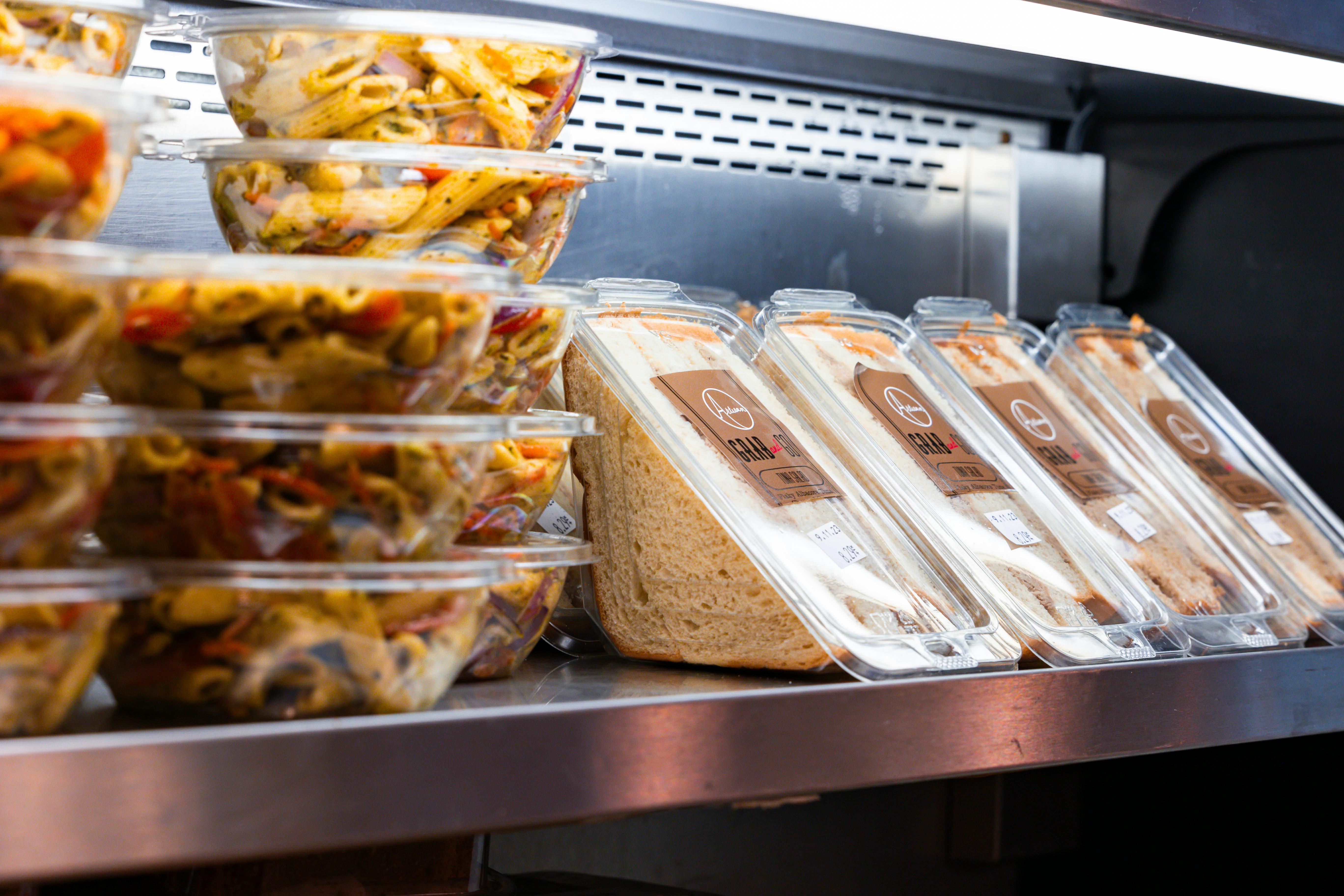
The old model of grocery shopping assumed more home preparation from basic ingredients. While canned soup, boxed dinners, and frozen entrées existed in the 1980s, the prepared food section was nowhere near as developed as it is now. Time pressure has changed that in a major way.
Dual-income households, longer commutes, and busier schedules pushed stores to act more like meal providers. Rotisserie chickens, sushi counters, salad bars, heat-and-serve entrées, chopped vegetables, and meal kits are now part of regular grocery retail. Convenience no longer sits only in the freezer aisle. It runs through the whole store.
For many Canadians, this shift is practical rather than indulgent. Prepared options can reduce stress, food waste, and weekday cooking time, though they often cost more per serving. Grocery stores have responded by blurring the line between supermarket, takeout counter, and food service operation.
Online ordering and delivery redefined the modern grocery run

Perhaps the most dramatic recent shift is that some Canadians no longer need to enter a grocery store at all. In the 1980s, grocery shopping was firmly an in-person task built around carts, aisles, and checkout lines. Ordering food remotely was rare and mostly limited to a few local delivery services.
E-commerce changed that gradually, then rapidly. Click-and-collect programs, same-day delivery, and app-based ordering expanded across Canada, especially during the COVID-19 pandemic when public health restrictions forced retailers and consumers to adapt quickly. What began as a convenience became, for many households, a normal option.
This new model offers clear benefits for seniors, busy parents, and people in difficult weather or with limited mobility. It also changes impulse buying, brand discovery, and the role of physical stores. The Canadian grocery trip has not disappeared, but it is no longer defined only by walking through the front doors.



Leave a Reply