You have probably caught yourself saying it at least once: this does not taste like it used to. Whether it is a childhood snack, or something your family kept stocked in the pantry, many familiar foods feel different today. Sometimes the change is subtle.
Other times, it is obvious from the first bite. Ingredient swaps, new manufacturing methods, cost cutting, and evolving food regulations have all reshaped what ends up on your plate. Add nostalgia to the mix, and the contrast can feel even stronger. Here are ten familiar foods Americans often say just do not taste the same anymore, and why your memory of them might be so powerful.
1. Boxed Mac And Cheese
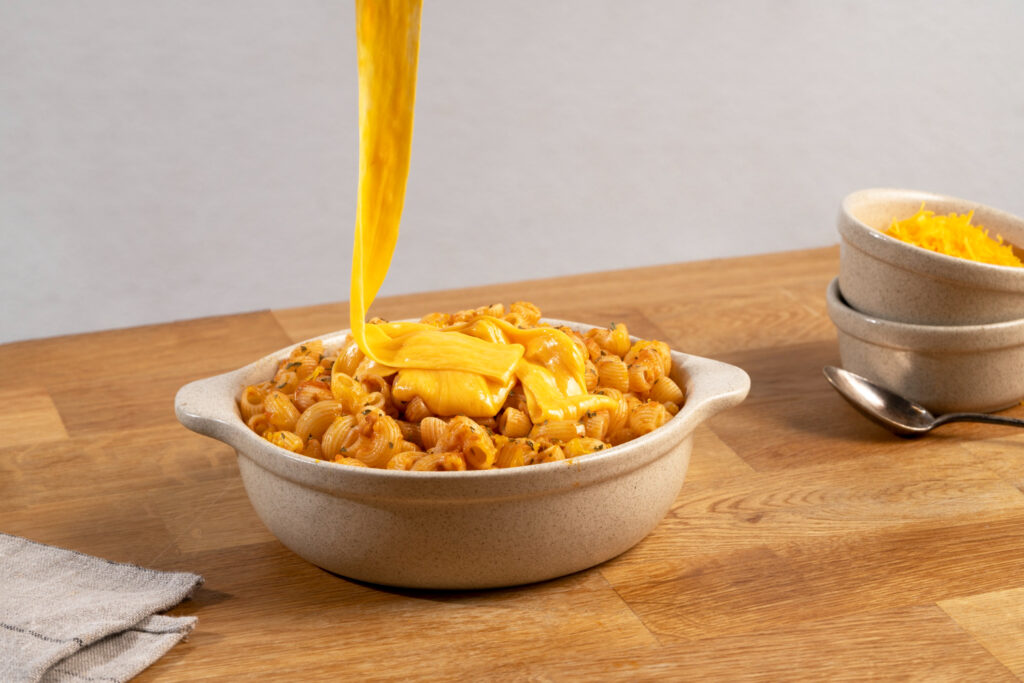
You remember the ultra creamy texture and bright, almost electric cheese flavor that defined childhood lunches. Today, when you prepare the same boxed mac and cheese, you may notice a milder taste and thinner sauce. Over the years, manufacturers have reformulated recipes to remove artificial colors and flavors, responding to demand for cleaner labels.
While that shift feels healthier, it can also alter the sharpness and intensity you once loved. Ingredient sourcing has changed too, and powdered cheese blends rely on different dairy processing methods. When you compare your memory to the modern version, you are not imagining the difference.
2. Breakfast Cereal Favorites
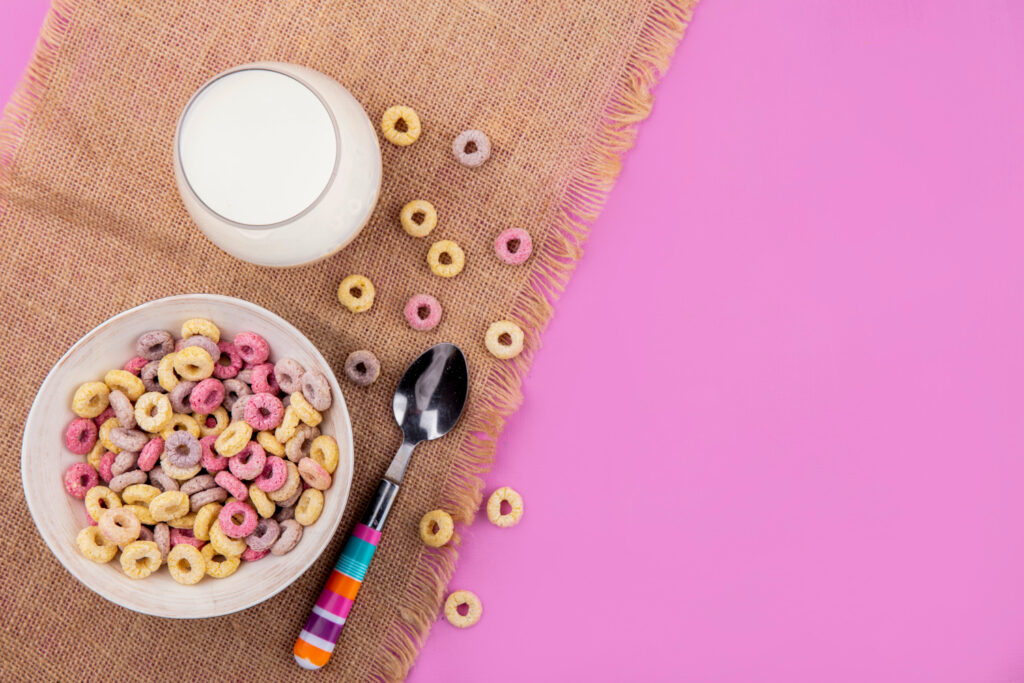
As a kid, your favorite cereal probably tasted sweeter, crunchier, and more exciting. Today, you might find that same brand less sugary and slightly less flavorful. Many cereal companies reduced sugar after years of criticism about childhood nutrition. Artificial dyes and preservatives have also been replaced or removed.
Those changes can soften the bold flavor punch you remember. Manufacturing has become more standardized, which can affect texture. When you pour a bowl now, it may seem tamer than the version you rushed to eat before school. Part of that shift comes from reformulation, which perceives sweetness differently than it once did.
3. Fast Food Burgers
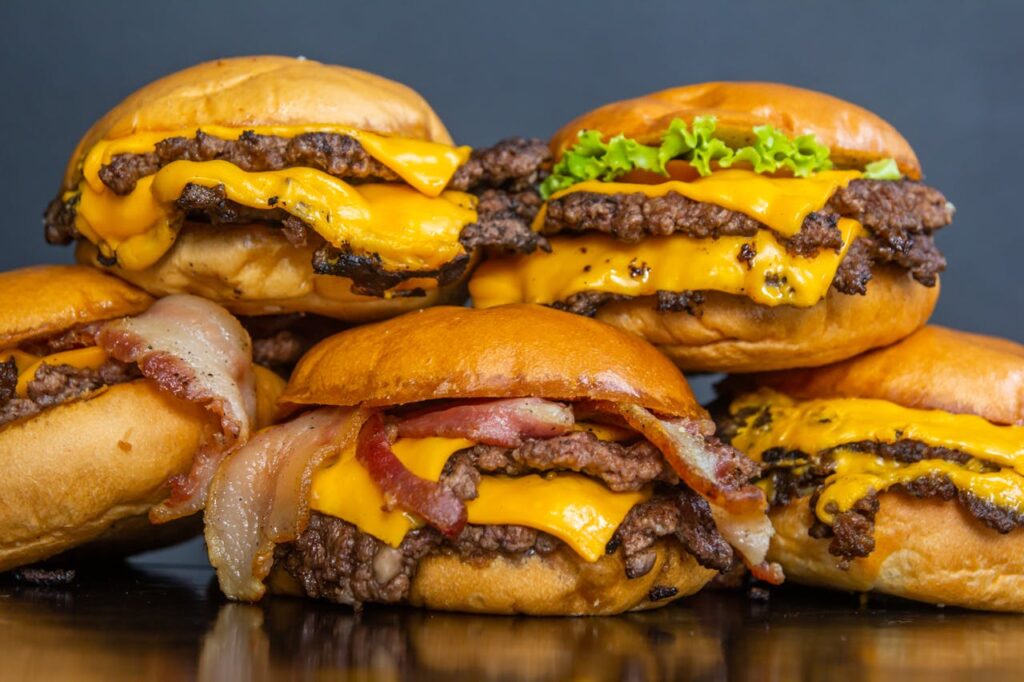
You likely remember fast food burgers tasting bigger, juicier, and more indulgent. Today, the flavor may feel less distinctive. Chains have adjusted beef blends, cooking oils, and seasoning formulas to meet supply demands and nutrition guidelines. Some reduced sodium or switched suppliers, subtly affecting taste and texture.
Food safety standards have evolved, changing how patties are handled and cooked. While consistency remains a priority, cost control shapes ingredient sourcing. When you compare a burger from decades ago to one you order now, you are tasting the combined effect of efficiency, shifting standards, and your own expectations.
4. Frozen TV Dinners
Frozen dinners once felt like futuristic convenience with rich gravies and buttery sides. Today, when you heat one up, you may notice lighter sauces and smaller portions. In response to health trends, many brands reduced saturated fat, sodium, and artificial additives. That reformulation can make meals feel less indulgent than you remember.
Freezing technology improved texture, yet flavor intensity sometimes took a back seat to calorie counts. Companies also adjusted portions to balance cost and nutrition goals. When you sit down with a modern frozen dinner, highlighting the shift from comfort to health awareness.
5. Soda From Glass Bottles
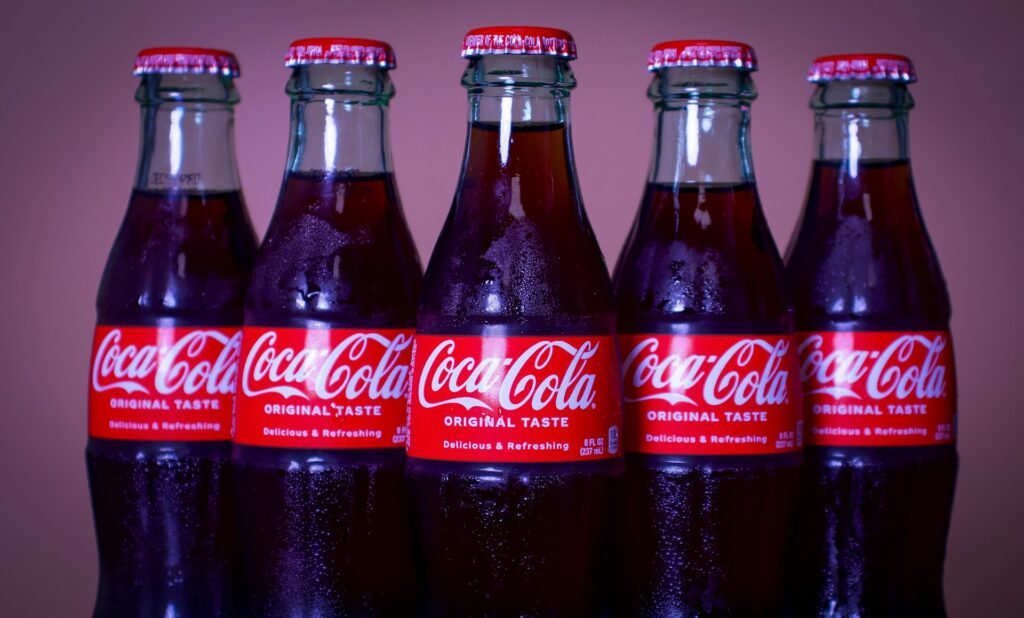
You might swear soda tasted better from a glass bottle. Many people still say it did. In earlier decades, most soft drinks used cane sugar in the United States. Today, many rely on high fructose corn syrup, which delivers sweetness differently on your palate. Packaging also matters.
Glass preserves carbonation and minimizes flavor interaction, while plastic can subtly affect how bubbles and aroma are perceived. Over time, companies also tweaked formulas to adapt to ingredient pricing and consumer trends. When you sip from a modern bottle or can, but it also has a technical explanation rooted in sweetener chemistry and packaging changes.
6. Packaged White Bread
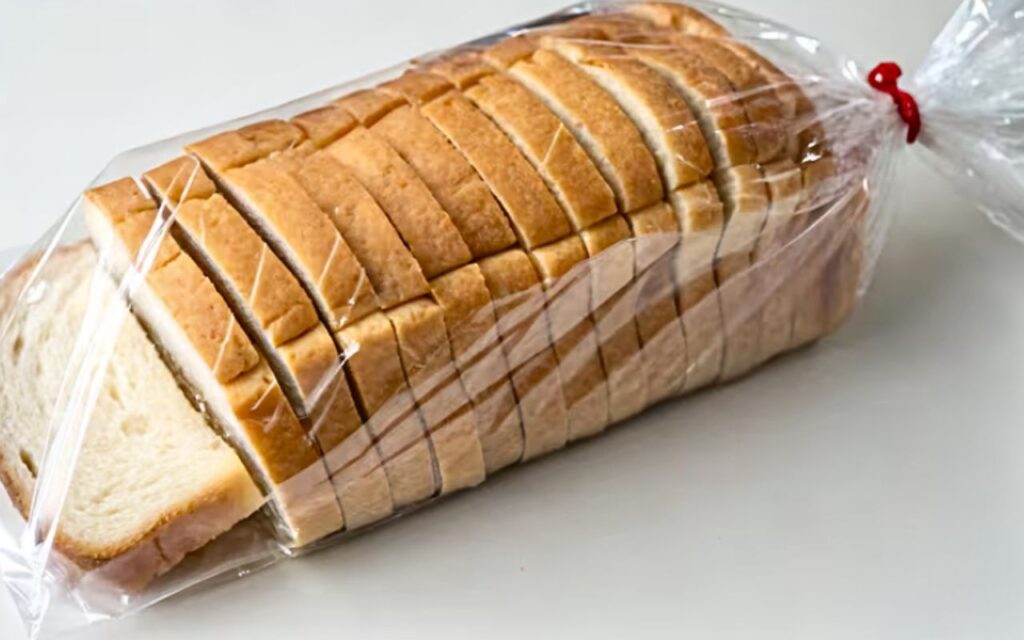
You remember soft, fluffy slices that felt almost cake like. Now, packaged white bread may taste less sweet and slightly firmer. In recent years, many manufacturers adjusted recipes to reduce added sugars and eliminate certain preservatives.
They also introduced dough conditioners and whole grain blends to appeal to health conscious shoppers. Those changes can shift texture and flavor balance. Industrial baking has become more streamlined, emphasizing shelf life and transport stability. When you make a sandwich today, the bread may feel less indulgent than the one packed in your childhood lunchbox.
7. Supermarket Tomatoes
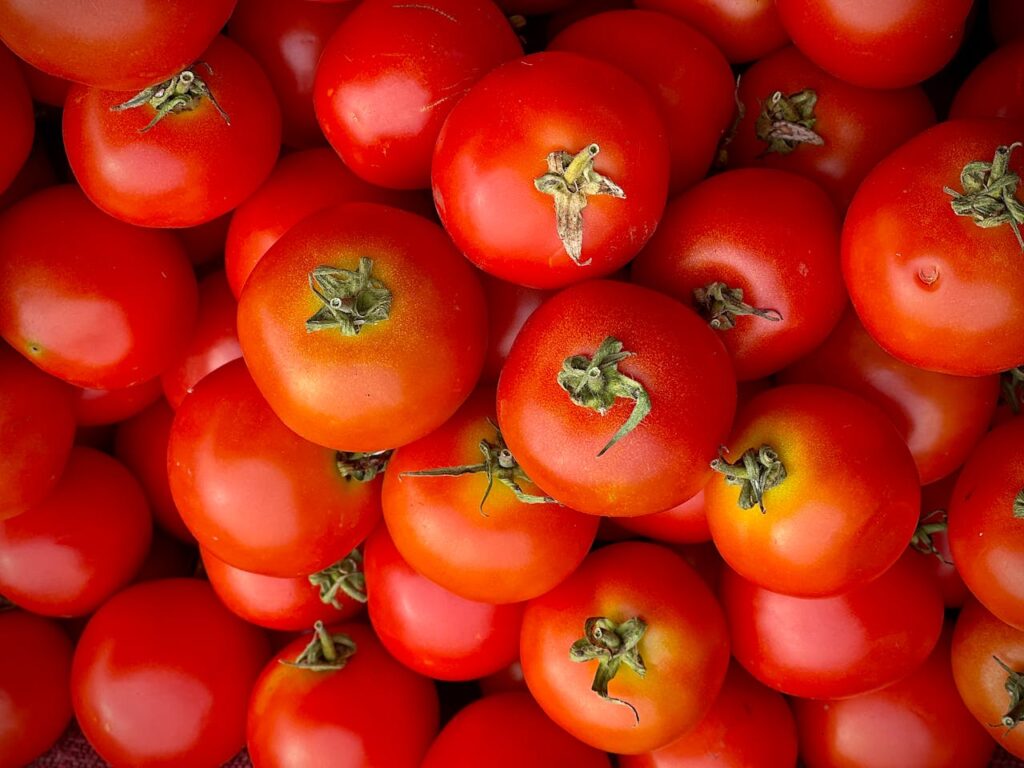
You may notice that supermarket tomatoes rarely match the juicy, fragrant ones you remember from backyard gardens. Large scale farming prioritizes durability and uniform appearance so tomatoes survive shipping and storage, often harvesting them before full ripeness.
Modern varieties resist bruising and last longer on shelves, but they can lack the concentrated sweetness of vine ripened fruit. Agricultural advances improved yield and consistency, yet flavor often became secondary. Slicing into a grocery store tomato and finding it pale and watery shows the impact of supply chains built for distribution rather than peak seasonal flavor.
8. Store Bought Ice Cream

You probably remember ice cream that felt denser and creamier. Some shoppers now say cartons seem lighter and less rich. One reason is overrun, the amount of air whipped into ice cream during production. Increasing overrun stretches volume and lowers cost, but it can reduce perceived creaminess.
Brands also adjusted fat content and stabilizers to meet health trends. While premium options emphasize high butterfat and minimal air, mainstream tubs often balance indulgence with affordability. When you scoop a bowl today, the texture difference may stand out. Small changes in formulation can dramatically affect how luxurious ice cream feels.
9. Peanut Butter Brands
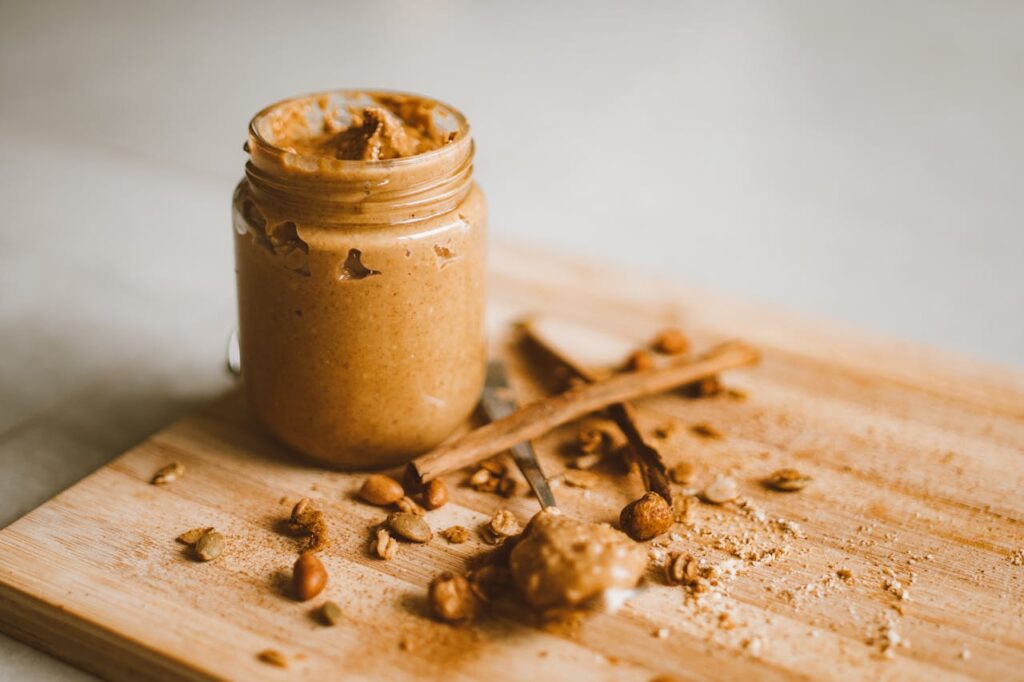
If you grew up on classic peanut butter, you might remember a sweeter, saltier punch. Today, many brands promote natural versions with fewer additives. Reduced sugar, lower sodium, and the absence of hydrogenated oils create a different mouthfeel and flavor. Traditional formulas used stabilizers to keep texture smooth.
Newer varieties often separate, requiring stirring and delivering a more pronounced peanut taste. While that shift aligns with cleaner ingredient lists, it can feel unfamiliar if you expect the old consistency. When you spread it on toast now, you may notice how tweaks to oil content and salt levels reshape a longtime staple.
10. Classic Chocolate Bars

You likely recall chocolate bars tasting richer and more cocoa forward. Over time, some manufacturers adjusted cocoa percentages, milk solids, and sugar ratios to manage costs and appeal to broad audiences. Sourcing changes and global cocoa pricing influence formulation decisions.
Many brands also modified recipes to remove certain artificial flavors or additives. Those shifts can soften intensity and alter melt quality. Your memory of a deeply satisfying chocolate bar may reflect an earlier blend or simply childhood indulgence. Either way, when you unwrap one today, shaped by economics, regulation, and nostalgia.