Food prices can shape an entire trip, and in some places, eating well costs far less than many travelers expect. Drawing on global cost comparisons and real-world dining habits, this gallery highlights countries where groceries, local markets, and everyday meals tend to be refreshingly affordable. If you love good food and smart budgeting, these destinations deserve a closer look.
Turkey

Turkey stands out in global food-cost comparisons for a simple reason: everyday eating can be remarkably cheap. Reference data highlighted Turkey as the country with the lowest food costs, with prices even described as about five times cheaper than Switzerland, which sat at the opposite end of the scale.
That affordability shows up in comforting, familiar ways. Bakery staples, seasonal produce, lentil soups, rice dishes, and grilled meats are widely available without requiring a big budget. In cities and smaller towns alike, local markets and casual eateries help keep costs grounded.
For visitors, that often means you can sample more of the country's culinary range without constantly checking prices.
Pakistan
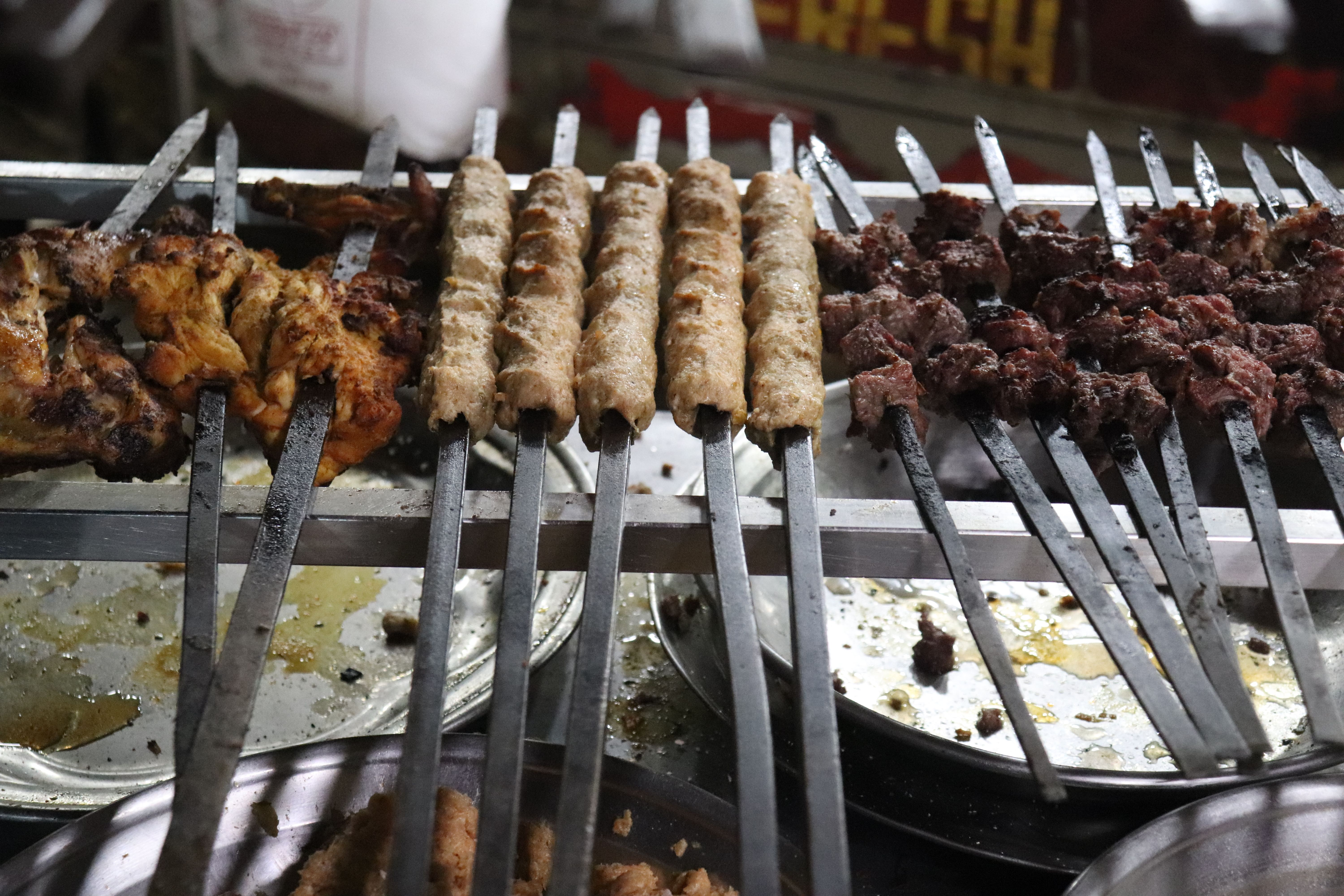
Pakistan is one of those places where hearty food and modest prices often go hand in hand. Daily staples such as rice, flatbreads, lentils, vegetables, and chicken-based dishes are central to local cooking, and because many meals rely on accessible ingredients, food spending can stay relatively low.
Street food culture also helps keep dining affordable. Snacks like samosas, chaat, kebabs, and paratha rolls are easy to find and usually budget-friendly, especially in busy urban areas where turnover is high and competition is strong.
For travelers, the result is satisfying food that feels generous rather than bare-bones, with plenty of flavor packed into low-cost meals.
India
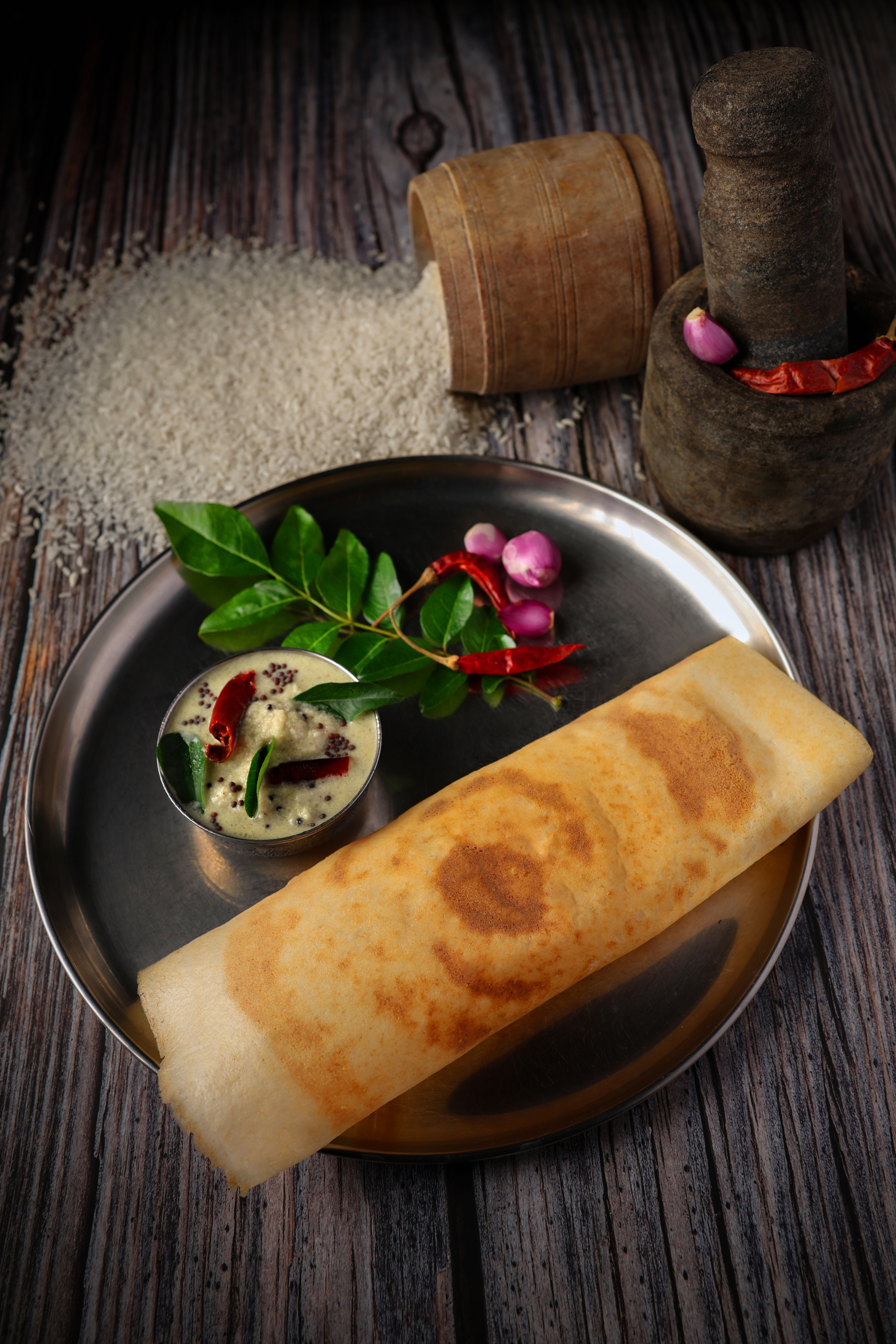
India has long been a favorite for budget-conscious eaters, and the reasons are built into the food system itself. Vast agricultural output, strong local market networks, and a deep tradition of cooking with grains, legumes, vegetables, and spices help keep many everyday meals affordable.
There is also incredible range. A simple thali, a plate of idli and dosa, or a serving of chole bhature can be inexpensive while still feeling complete and deeply regional. In many places, vegetarian dishes offer especially strong value.
What surprises many first-time visitors is not just the low cost, but how much variety and quality they can access without spending very much.
Egypt

Egypt offers a food scene where everyday classics remain accessible to locals and appealing to travelers on a budget. Dishes built around beans, bread, rice, lentils, and vegetables help anchor costs, and that practical base is one reason meals can remain surprisingly affordable.
A plate of koshari, a falafel sandwich, or fuul with warm bread can deliver real substance for very little. Markets are often packed with fresh produce, herbs, and pantry basics, making self-catering an economical option too.
Even in major cities, affordable dining is woven into daily life. That gives visitors a chance to eat in a way that feels local, filling, and financially easygoing.
Algeria
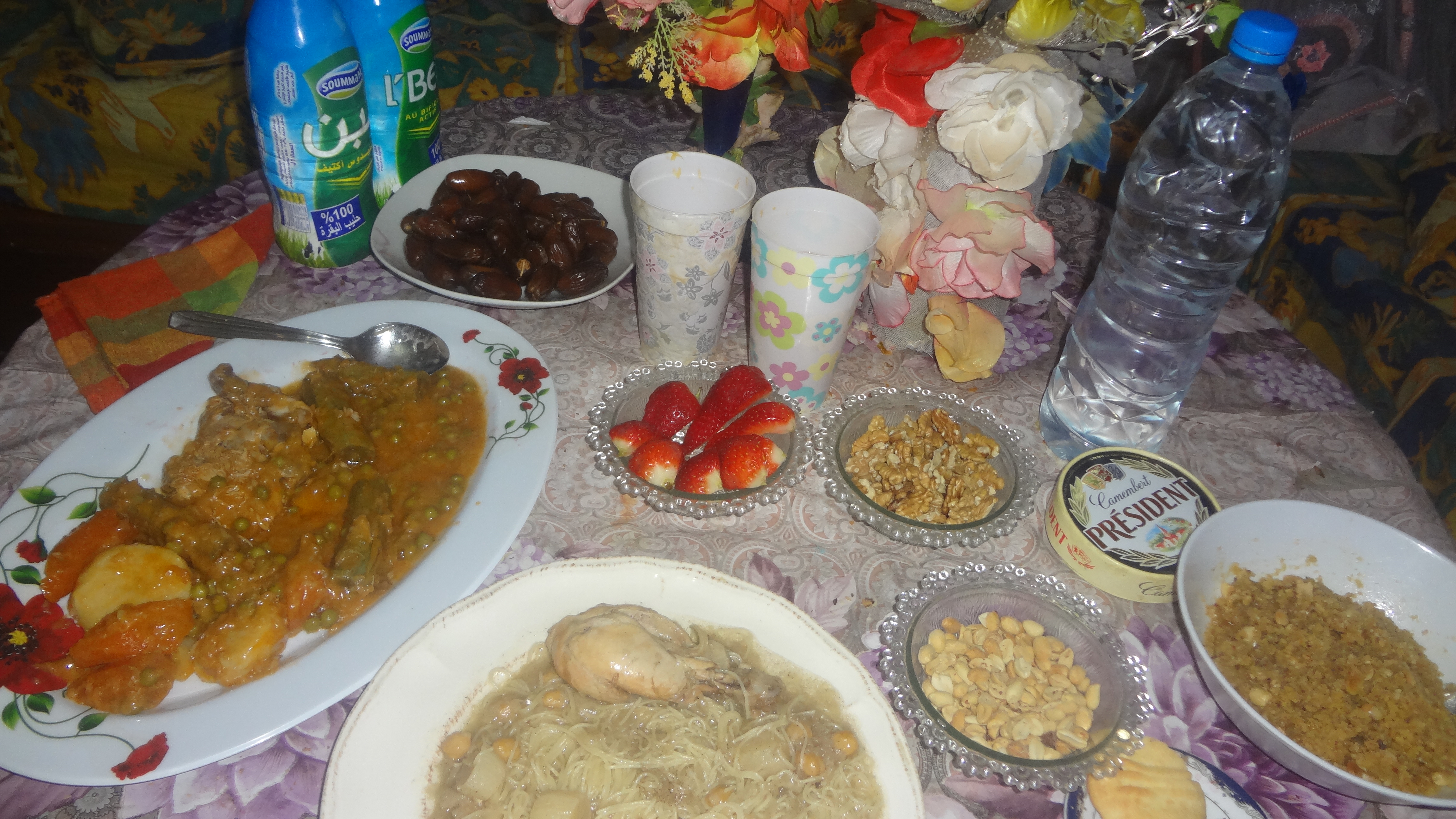
Algeria does not always appear first on mainstream food-travel lists, but it can be notably affordable when it comes to everyday eating. Local cuisine leans on staples such as semolina, bread, legumes, vegetables, and modest portions of meat, which helps keep many common meals within reach.
Neighborhood bakeries and markets are especially important here. Fresh bread, seasonal produce, couscous ingredients, and simple prepared foods can often be found at prices that make regular dining manageable rather than extravagant.
For travelers willing to eat as locals do, the appeal is clear. Meals feel rooted, practical, and comforting, with costs that tend to stay lower than many people anticipate.
Libya

Libya is not the most commonly discussed destination for food affordability, yet its everyday cuisine reflects a pattern seen across much of North Africa: simple ingredients, filling dishes, and market-based buying habits that can keep food spending down.
Bread, grains, legumes, olive oil, vegetables, and lightly spiced stews form the backbone of many meals. Because these staples are central rather than secondary, affordable eating is often built into the rhythm of daily life instead of being limited to a few budget options.
For anyone looking at global food-cost rankings, Libya's inclusion is a reminder that affordability often follows local food traditions, not just tourism trends or restaurant scenes.
Kazakhstan

Kazakhstan may surprise travelers who associate Central Asia with remoteness rather than value, but food can be quite affordable in daily life. Markets remain central to how many people shop, and staple items like flour, potatoes, dairy, noodles, and seasonal produce often support lower overall costs.
The cuisine is designed to satisfy. Hearty soups, dumplings, rice dishes, and meat-centered plates can feel substantial without necessarily carrying high prices, especially away from more tourist-oriented settings.
That balance makes Kazakhstan interesting for budget travelers. You are not choosing between cheap and filling, because many local meals are both. In practical terms, that stretches a food budget farther than expected.
Nepal

In Nepal, affordability often comes from the strength of the everyday meal. Dal bhat, the country's iconic combination of lentils, rice, vegetables, and sides, is widely available, deeply nourishing, and usually easy on the wallet. It is one of the clearest examples of a low-cost meal that still feels complete.
Local eateries and tea-house dining culture also help. Simple menus, regionally sourced ingredients, and steady demand for practical meals keep prices approachable for residents and visitors alike.
For travelers, Nepal's food scene can be especially reassuring. Even when you are moving between cities or trekking areas, budget-friendly staples remain familiar, filling, and pleasantly consistent.
Bangladesh
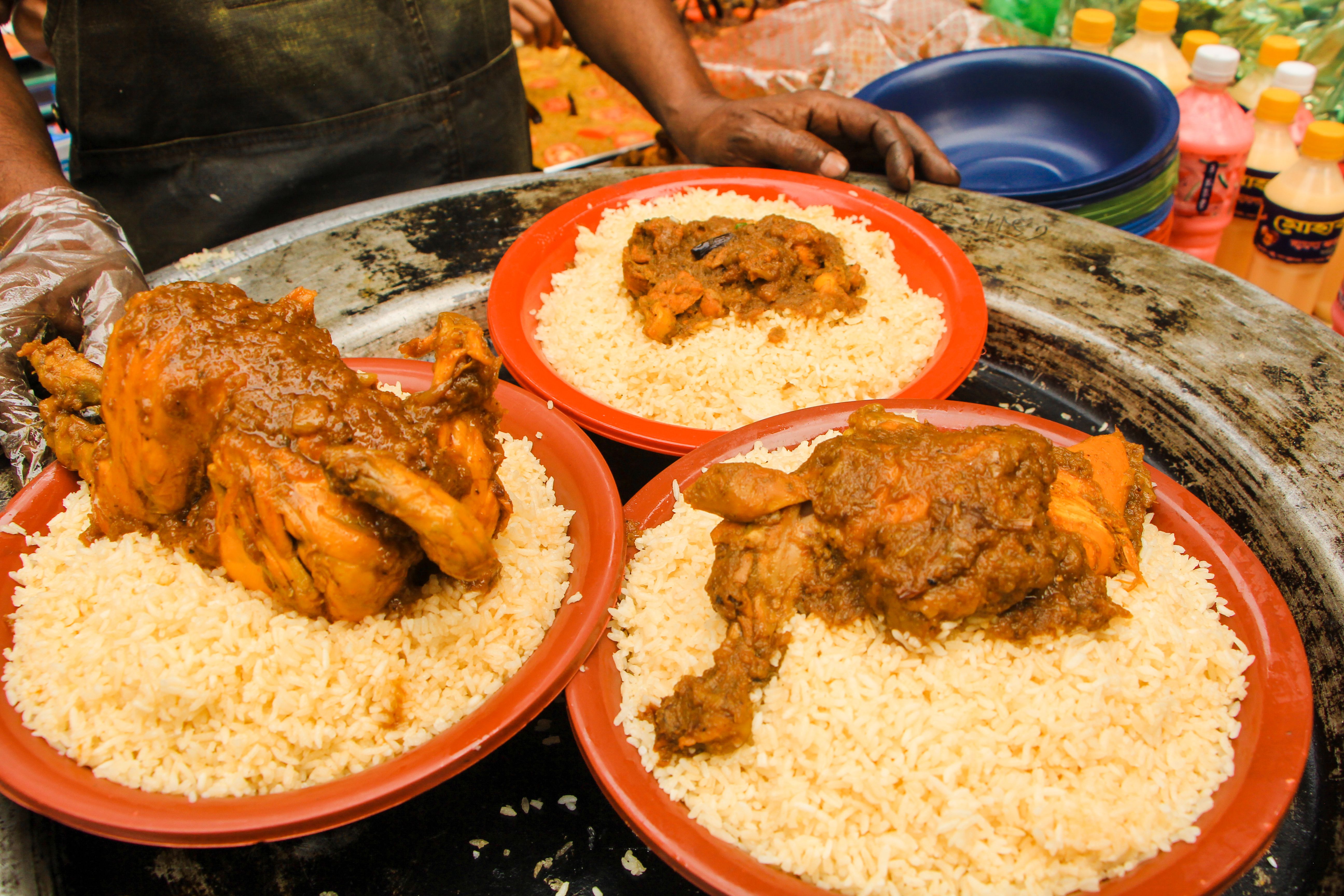
Bangladesh delivers strong value through a food culture built on rice, fish, lentils, vegetables, and boldly seasoned curries. These are everyday ingredients rather than luxury items, which helps explain why local meals and groceries can remain relatively affordable.
Street snacks and small restaurants add another layer of accessibility. Fried bites, rice dishes, and home-style plates are often available at prices that make frequent dining out possible without turning every meal into a splurge.
What stands out is the sense of abundance. Even budget meals can feel vibrant and satisfying, with plenty of texture and spice. For cost-conscious diners, that mix of economy and flavor is hard to ignore.
Tunisia

Tunisia rounds out the list with a food culture that feels sunny, flavorful, and often more affordable than outsiders expect. Bread, couscous, tomatoes, olive oil, legumes, seafood, and peppers appear across the menu, and that mix of local staples helps support reasonable prices.
Markets and no-frills eateries are key to the value equation. Fresh ingredients are common, portions are often generous, and dishes such as brik, couscous, and simple grilled fare can offer excellent bang for your buck.
For travelers, Tunisia has a particularly inviting balance. You get Mediterranean character, North African depth, and everyday meal prices that can feel refreshingly manageable compared with many better-known coastal destinations.