
Some Costco differences are easy to miss. Others are so striking that an Eastern Canadian shopper can walk in and stop short at the entrance.
It starts with a section built around provincial law
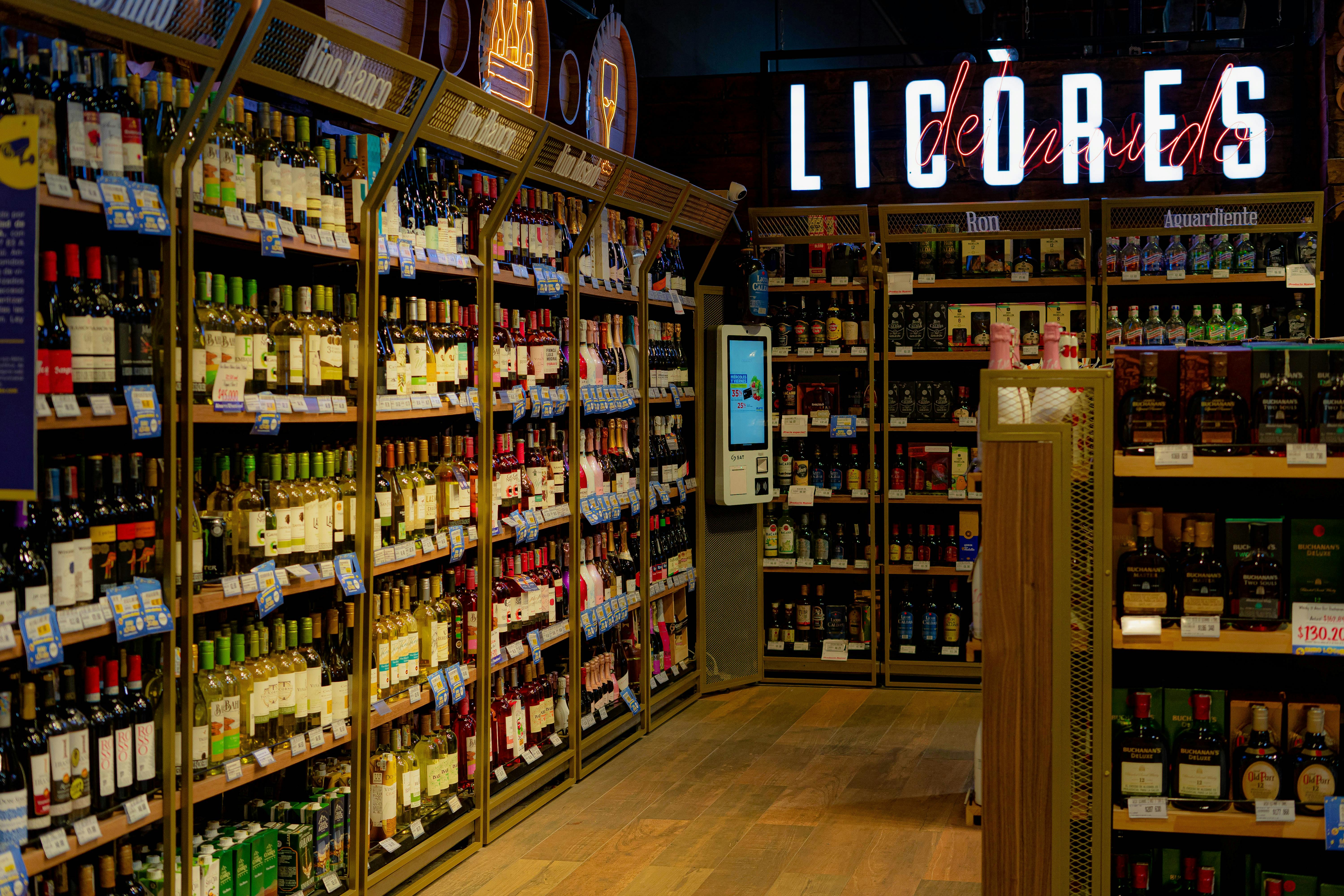
In several Western Canadian provinces, Costco locations include a dedicated liquor store or alcohol section that many Eastern Canadians have never seen inside or beside a warehouse. The biggest reason is not corporate experimentation. It is regulation.
Alcohol sales in Canada are controlled province by province, and the rules vary dramatically. In Alberta, private retail has long played a central role in liquor sales, which made it possible for Costco-branded liquor outlets to operate beside warehouses. In parts of British Columbia and Saskatchewan, retail frameworks have also allowed more private participation than shoppers in Ontario or Quebec may expect.
That contrast matters because Eastern Canadians are used to different systems. Ontario relies heavily on the LCBO and licensed grocery models, while many Atlantic provinces maintain tightly managed crown corporation systems. So what looks unusual in Calgary or Edmonton often reflects local law rather than a special Western retail experiment.
Alberta is the clearest example of why the section exists

If one province explains the mystery best, it is Alberta. The province privatized retail liquor sales in the 1990s, creating a market where big retailers could attach separate liquor outlets to high-traffic stores.
That opened the door for Costco to do what it does best: move large volume at competitive prices. Costco liquor stores in Alberta are typically separate businesses with their own entrance and checkout area, even when they sit directly beside the main warehouse. Shoppers see a familiar Costco efficiency model applied to wine, spirits, and beer.
The result is a section that feels normal to Western customers but surprising to visitors from Toronto or Halifax. The format is not hidden, and it is not niche. It is a visible response to a province where consumers are already accustomed to buying alcohol through private retailers in everyday commercial plazas.
The East has different systems, so the experience feels unfamiliar
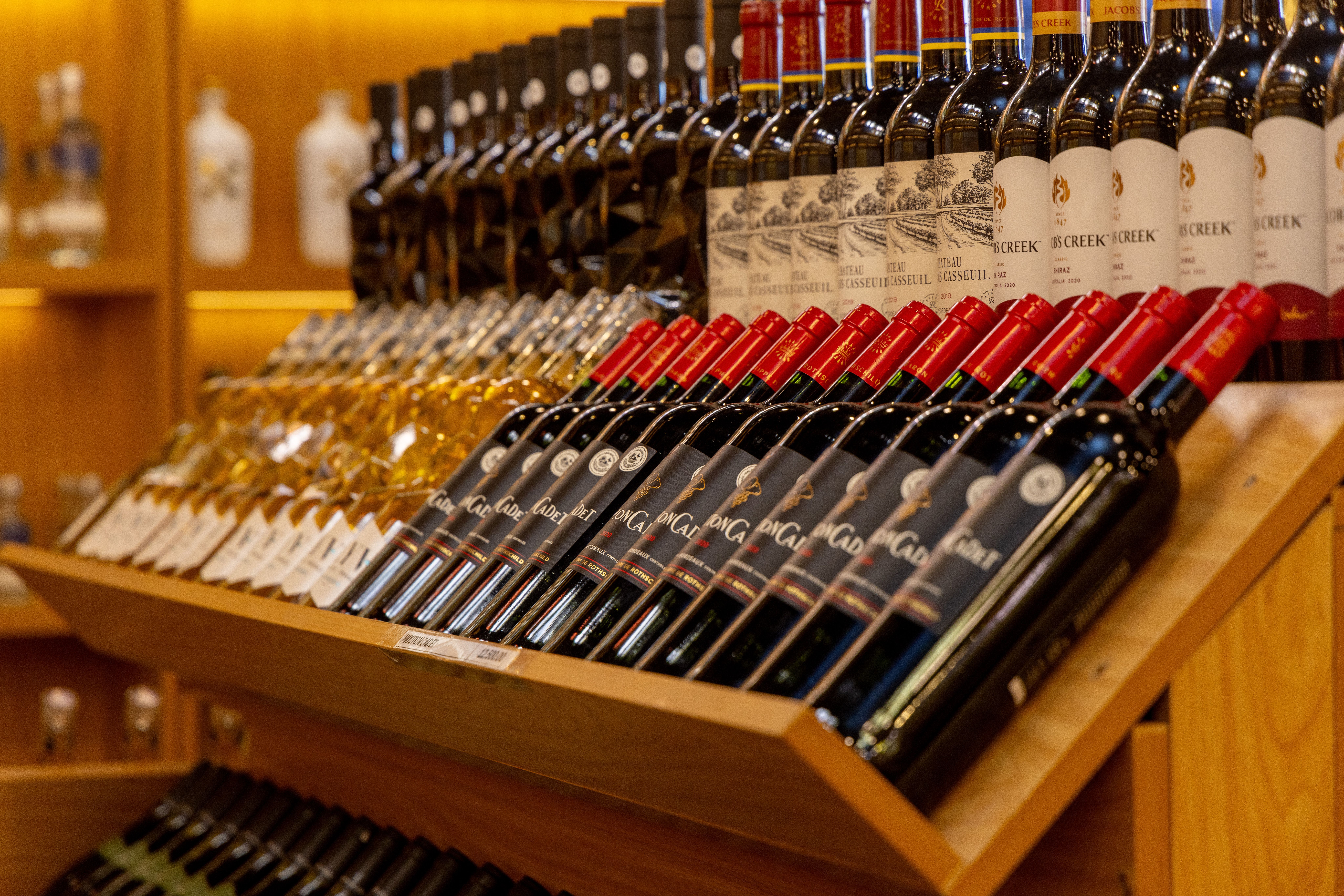
In Eastern Canada, Costco usually cannot replicate that same setup because the legal structure is different. Ontario shoppers, for example, may buy beer, wine, or ready-to-drink products at selected grocery stores, but spirits and much of the broader alcohol market remain under stricter control.
Quebec is somewhat more flexible in grocery alcohol sales, yet it still does not mirror the standalone Costco liquor model common in Alberta. Atlantic Canada generally remains even more tightly regulated, with provincial liquor corporations playing a dominant role in sales and distribution.
That is why Eastern shoppers may assume Costco is choosing not to offer the section. In reality, the company tends to work within whatever framework a province permits. Costco is less a rule-breaker than a sharp observer of regional policy and local consumer demand.
Western shopping habits also help the concept succeed
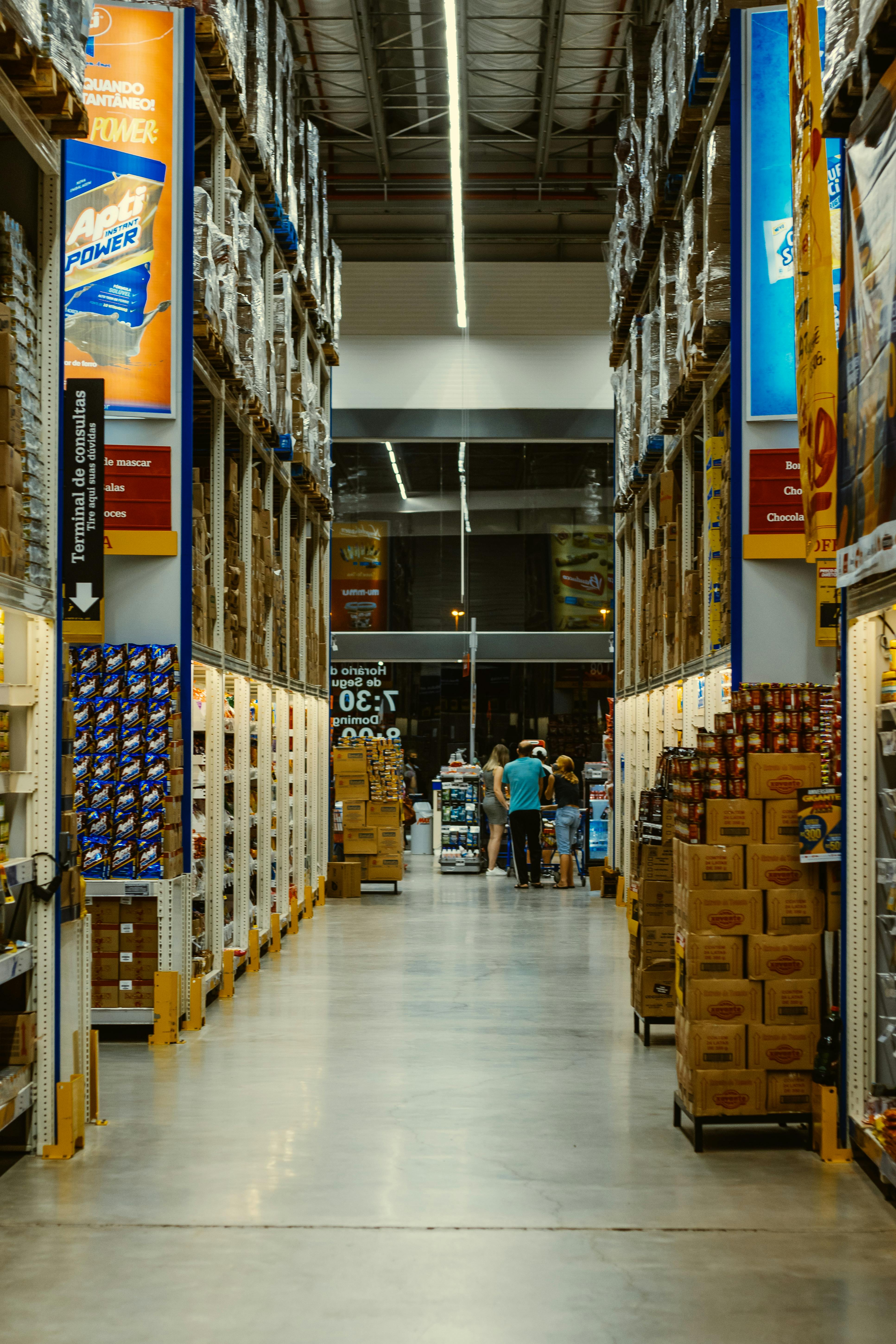
Law explains the possibility, but customer behavior explains the success. In Western Canada, especially in Alberta, shoppers often make large, car-based stock-up trips and are comfortable combining multiple household purchases in one stop.
That makes a nearby liquor store a natural fit. A family buying paper towels, produce, and cleaning supplies may also want a case of beer for a long weekend or wine for entertaining. Costco thrives when it can simplify errands and reinforce the value of bulk-oriented shopping patterns.
Population spread also plays a role. In more suburban and auto-oriented areas, consumers are used to destination retail, where warehouses anchor broad shopping zones. A liquor outlet connected to that pattern feels practical rather than novel, which helps explain why the section has become part of the expected Costco experience in parts of the West.
Pricing, selection, and scale make the section memorable

What makes the section especially noticeable is not just its existence. It is the way Costco applies its buying power to categories that shoppers often associate with specialty stores or government outlets.
Customers in Western Costco liquor locations often find sharp pricing on major brands, large-format bottles, and curated case deals. Selection can include premium spirits, familiar domestic beer, imported wine, and Kirkland Signature products that have developed a strong reputation among value-focused shoppers. For many first-time visitors, that combination creates the real shock.
Eastern Canadians may be used to fixed-price environments or more standardized assortments, depending on the province. By contrast, the Western model can feel more retail-driven and competitive. The section stands out because it reveals how different the alcohol business looks when private operators, scale, and consumer convenience are allowed to meet.
The real surprise is how regional Canada's retail landscape still is

National chains often create the illusion that shopping is uniform across the country. Costco proves the opposite. A warehouse may share the same pallets, signage, and food court, yet one provincial border can still reshape what is sold and how.
That is why the liquor section feels so surprising to many Eastern Canadians. It is not merely an extra aisle. It is a visible reminder that Canadian retail remains deeply shaped by provincial policy, local culture, and long-standing attitudes toward alcohol distribution.
So the next time someone says Western Canada Costco stores have a section Eastern shoppers have never seen, they are usually talking about more than novelty. They are describing a practical collision of law, geography, and consumer behavior that turns one retailer into very different experiences across the same country.

Leave a Reply