
Crossing the border can look easy for a restaurant brand, but Canada has humbled plenty of big American chains. Higher operating costs, a smaller population, different dining habits, and fierce local competition have turned many expansion plans into cautionary tales. These ten chains arrived with name recognition and ambition, yet each discovered that success in the U.S. does not guarantee a warm welcome north of the border.
Chi-Chi's
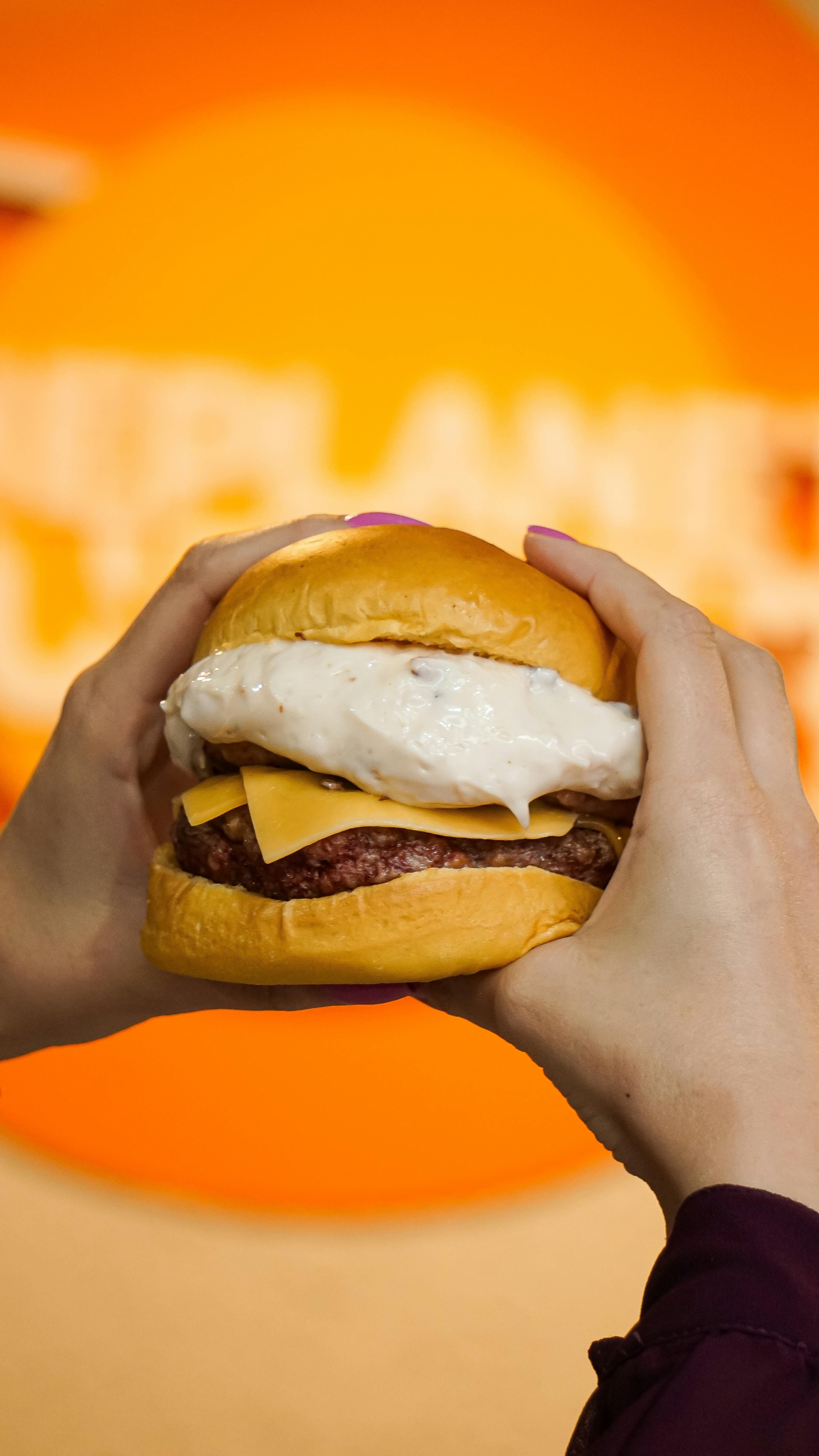
Chi-Chi's arrived in Canada when Tex-Mex still felt like a novelty, but novelty only goes so far if the market is not ready to sustain it. The chain expanded during an era when many Canadian diners were still more familiar with standard grill menus than with big, casual Mexican-American concepts built around margaritas, chimichangas, and party-night energy.
That timing mattered. Canadian cities had fewer locations that could support high-volume themed dining, and the chain's broad suburban formula was expensive to run. As tastes evolved, local independent Mexican spots and other casual chains began offering fresher, more flexible alternatives. Chi-Chi's also lost momentum in the U.S., and once the parent business weakened, its Canadian footprint had little chance of surviving on its own.
Bennigan's
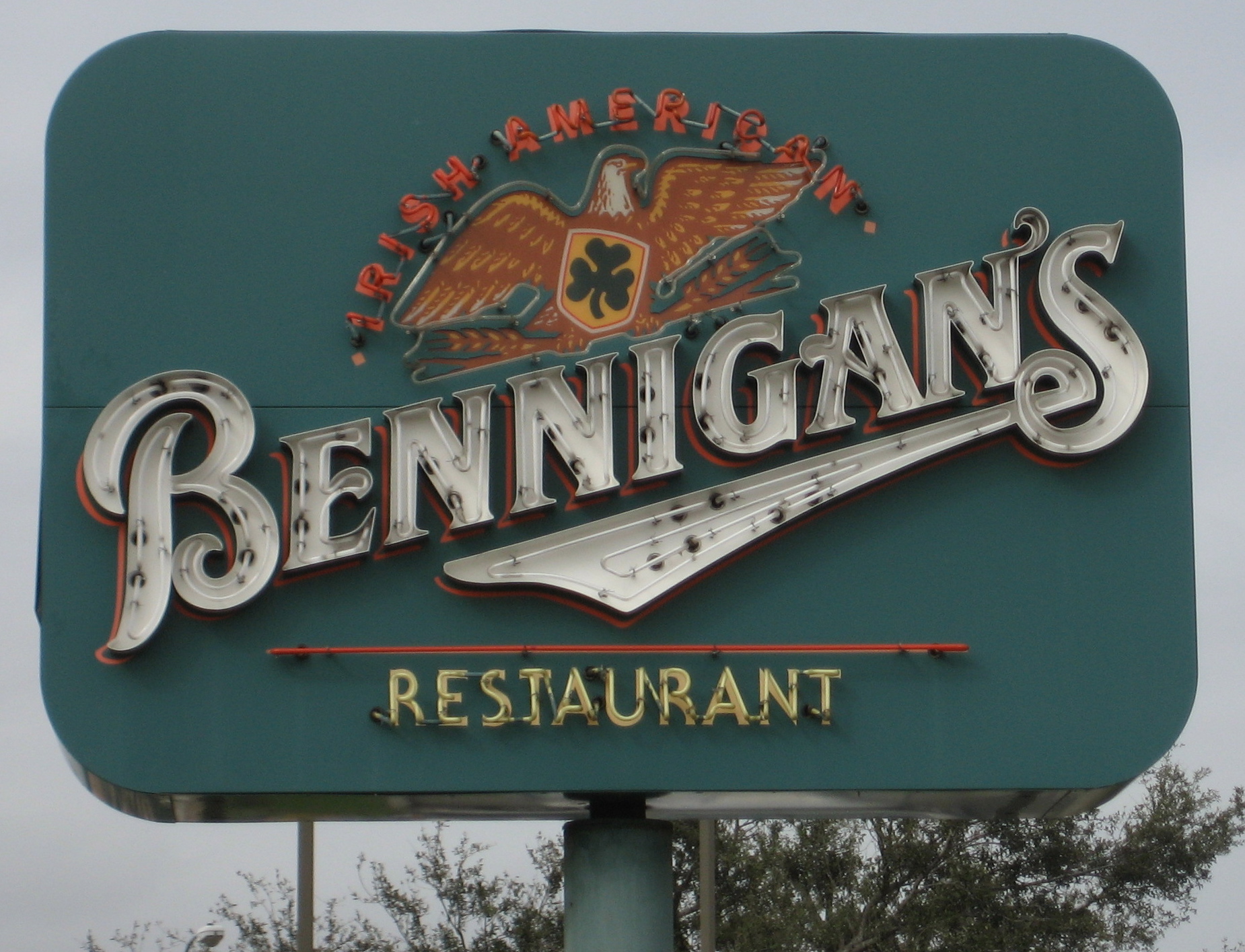
Bennigan's tried to sell Canadians on the full package of the Irish-American pub chain, complete with oversized portions, dark wood interiors, and a happy-hour feel. On paper, that should have worked. In practice, it landed in a market already crowded with pubs, hotel lounges, and homegrown casual dining spots that felt more local and often more authentic.
The brand also suffered from a fuzzy identity. It was not quite a true pub, not quite family dining, and not distinctive enough to justify a special trip. As casual dining competition intensified in the 1990s and 2000s, the chain's middle-of-the-road positioning became a liability. When the U.S. parent faced major financial problems, Canadian locations lost the support and momentum they needed to keep going.
Fuddruckers

Fuddruckers built its identity around giant burgers and a customizable toppings bar, a concept that sounded fun and distinctly American. But in Canada, that formula never became essential dining. The chain entered a market where burgers were already everywhere, from local diners to Harvey's, which had long trained Canadians to expect made-to-order customization without the imported novelty.
Cost was another problem. Large-format restaurants with broad menus and specialty ingredients are expensive to operate in Canada, where food distribution and rent can be tougher than in many U.S. regions. The chain also leaned heavily on excess, and that style aged poorly as diners shifted toward fresher branding, better coffee programs, and premium fast-casual options. What once felt big and bold began to feel dated and oddly specific.
Steak and Ale
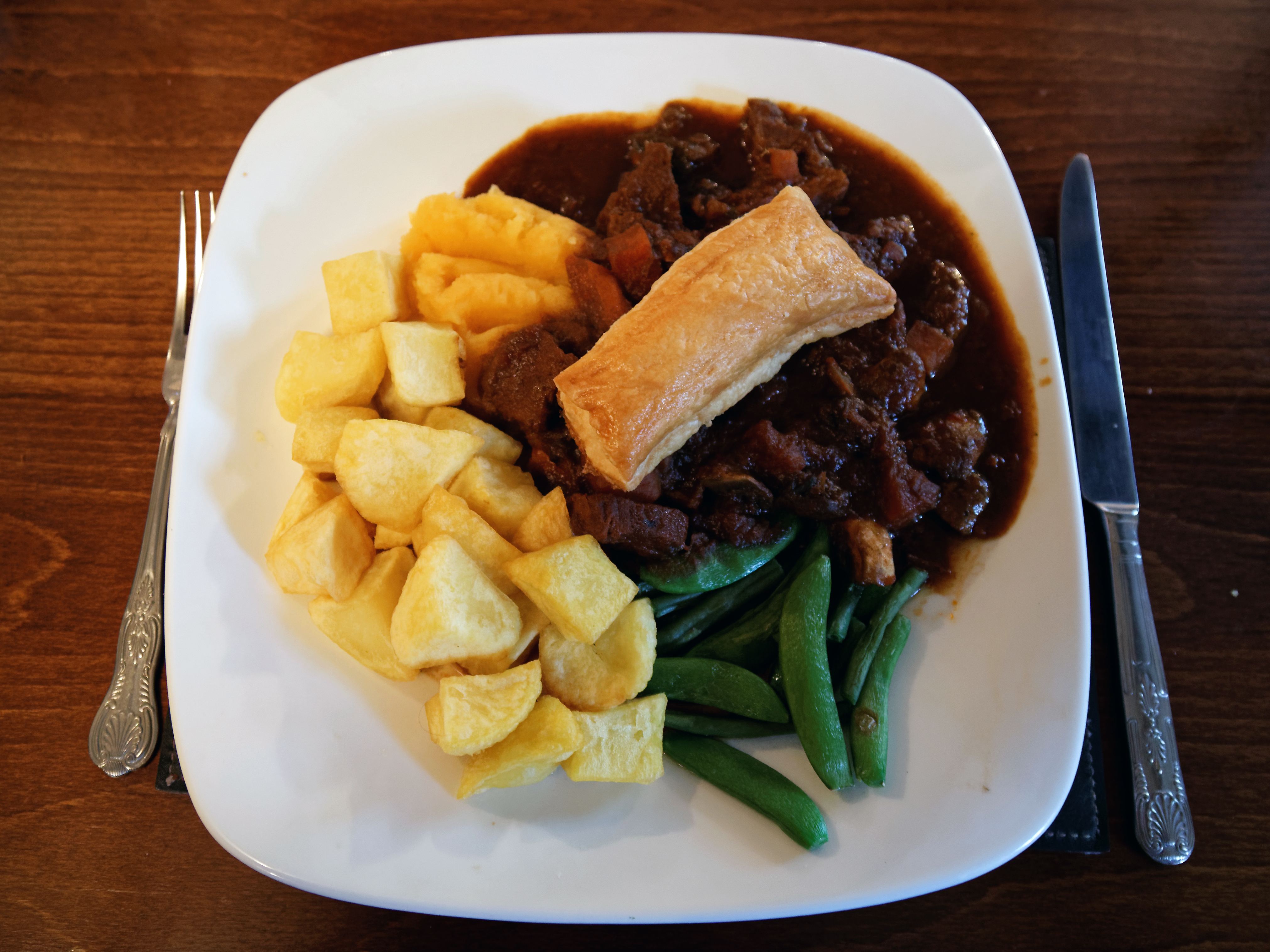
Steak and Ale was built for an earlier dining era, one where salad bars, affordable steak dinners, and dimly lit Tudor-style interiors signaled value and occasion. In Canada, that equation was harder to maintain. Steak is costly, imported supply chains are complicated, and a concept built on relatively accessible beef dinners becomes difficult when margins tighten.
There was also the matter of competition. Canadian diners looking for a steakhouse meal had established choices ranging from independent grills to better-known premium chains. Steak and Ale sat in an awkward middle space, more formal than family dining but less memorable than destination steakhouses. As tastes modernized and older themed dining rooms began to feel stale, the brand lacked the flexibility to reinvent itself for Canadian consumers.
Howard Johnson's Restaurants

Howard Johnson's carried enormous nostalgic power in the United States, where highways, motor lodges, and family road trips were part of its DNA. Canada never had the same scale of roadside travel culture to support that kind of restaurant identity. The chain was asking Canadians to connect with an Americana story that did not mean quite as much north of the border.
Its menu also became less compelling over time. As quick-service chains improved and full-service family restaurants sharpened their value, Howard Johnson's looked stuck between eras. It was dependable but not exciting, familiar but not beloved enough to stand out. Without a strong emotional connection or a clearly superior food proposition, the concept slowly lost relevance in a market that was already smaller and harder to saturate.
White Castle

White Castle has one of the most recognizable identities in American fast food, but that identity is also very regional. Its tiny steam-grilled sliders inspire loyalty in parts of the U.S., yet they are not automatically a fit for Canadian eating habits, where burger value is often measured by size, freshness, and customization rather than nostalgia and quantity.
Canada also posed a logistics problem. White Castle's model depends on a tightly controlled supply chain and a product with a very specific preparation style. Expanding far beyond its core territory has always been challenging, and the limited upside in Canada likely never justified the effort. Even with brand curiosity, novelty alone rarely supports a national rollout when local burger chains already offer familiar flavors at competitive prices.
Sbarro

Sbarro is famous for mall pizza, and that was both its advantage and its weakness in Canada. The chain depended heavily on enclosed shopping centres and food court traffic, but those spaces were never a guarantee of long-term loyalty. Canadians might grab a slice while shopping, yet pizza itself is a category where consumers have endless alternatives, from local shops to supermarket takeout.
The bigger issue was relevance. As food courts diversified, diners gained access to fresher, more specialized options that often felt less processed and more contemporary. Sbarro's oversized slices and standardized trays were convenient, but convenience became easier to find everywhere. When a brand is tied too closely to a declining retail format and does not offer much beyond familiarity, it can fade quickly once mall traffic softens.
Johnny Rockets

Johnny Rockets sold a polished version of 1950s diner nostalgia, right down to jukebox imagery, chrome accents, and milkshakes. The problem in Canada was not that people disliked the theme. It was that theme alone rarely creates repeat business when prices are higher than a standard burger stop and the food is competing in a category Canadians already know well.
Many locations also appeared in malls, tourist zones, or entertainment districts where impulse visits are common but habits are hard to build. That made the chain vulnerable to rent pressure and shifting foot traffic. Once the retro gimmick wore off, customers were left comparing burgers, fries, and shakes on value. In that comparison, Johnny Rockets often felt more like an occasional attraction than an everyday favorite.
Quiznos

Quiznos had a real moment in Canada. Its toasted subs and punchy advertising gave it a burst of recognition that suggested staying power. But rapid growth can hide weak foundations, and that is what happened here. The chain expanded aggressively, often placing stores too close together while franchisees faced rising costs and narrow margins that made long-term stability difficult.
The market also moved under its feet. Subway remained deeply entrenched, local sandwich shops improved, and fast-casual players raised expectations around freshness and customization. Quiznos still had fans, but it no longer felt clearly superior, especially when pricing drifted upward. Once unit economics became strained and closures began, the brand's presence shrank fast. In Canada, it went from everywhere to easy to forget in remarkably little time.
Taco Bell Full-Service Experiments
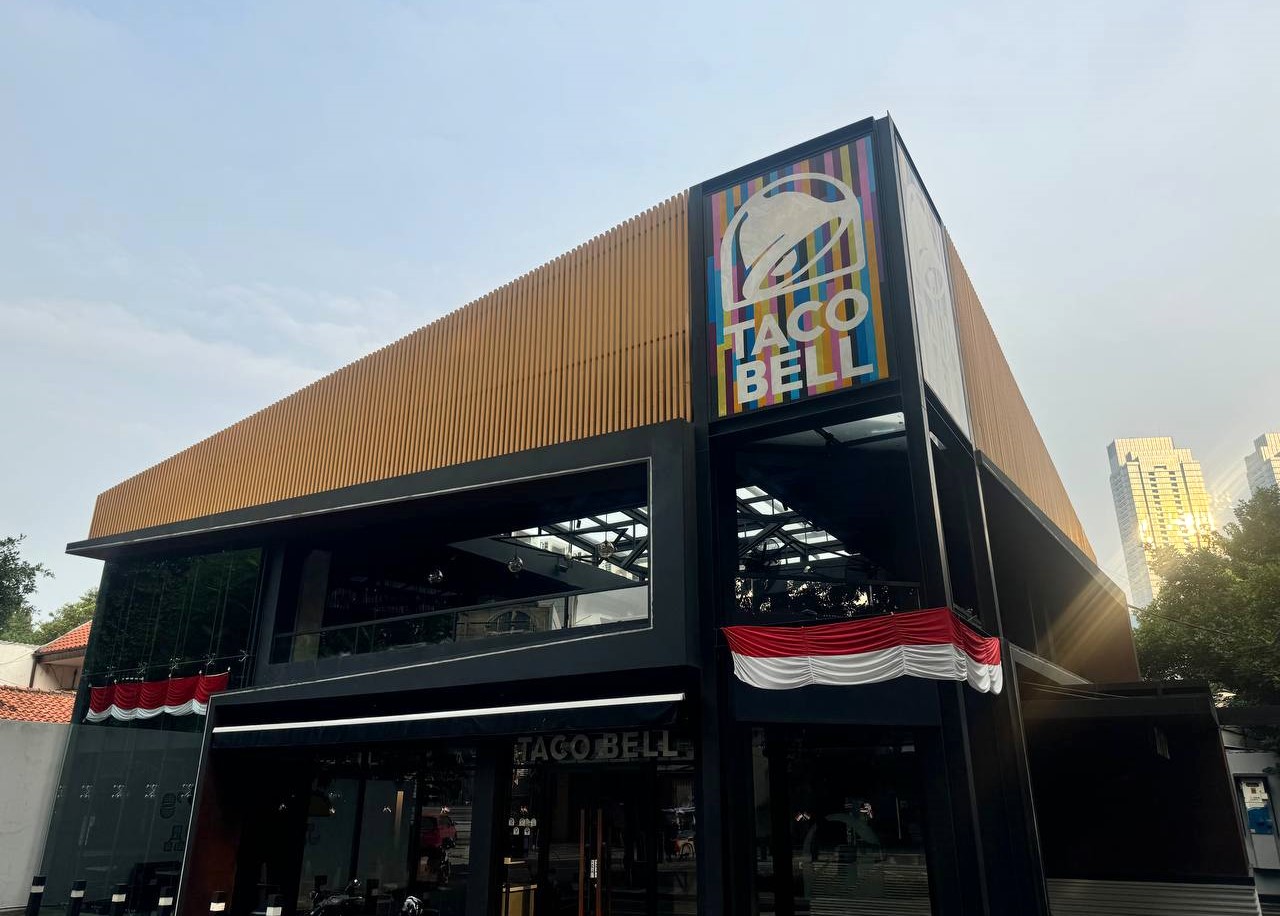
Taco Bell itself has had a presence in Canada, but the brand's larger dine-in ambitions never truly flourished. The company periodically tried to make the concept feel bigger and more restaurant-like, yet Canadian demand for Mexican-inspired fast food has usually been strongest at the quick, low-cost end. Once the format drifted toward a fuller meal occasion, the value proposition became less clear.
Canada's urban markets also saw growing competition from burrito chains, independent taquerias, and fast-casual concepts that emphasized freshness and customization. Those brands often felt better aligned with changing tastes. Taco Bell remained relevant as a quick-service name, especially in shared sites and mall locations, but its attempts to become more than that struggled to stick. In Canada, the simpler version of the brand was the one that made the most sense.



Leave a Reply