
The next food crisis probably will not begin with bare shelves. It will begin with a receipt that feels wrong.
Price spikes are now the first warning sign

The clearest lesson from recent years is that food systems rarely fail all at once. They strain, costs pile up, and those costs move through the chain until shoppers see them on price tags. By the time consumers start talking about a "food crisis," the pressure has often been building for months in fertilizer markets, diesel prices, labor shortages, insurance premiums, and transportation contracts.
Canada is especially exposed because it is both a major agricultural producer and a country with a long, expensive distribution network. Food often travels great distances between farm, processor, warehouse, and store. That means disruptions do not need to stop supply to raise prices sharply. A trucking bottleneck in one region, a rail interruption on the Prairies, or a weak harvest in California can all lift Canadian grocery bills without leaving a single shelf empty.
Statistics Canada has repeatedly shown that food purchased from stores can rise faster than many household incomes. When that happens, families adjust by trading down, buying less fresh produce, or skipping preferred brands. In other words, the early stage of crisis is not absence. It is diminished choice, lower quality, and a painful squeeze on household budgets.
Climate shocks are quietly rewriting food costs
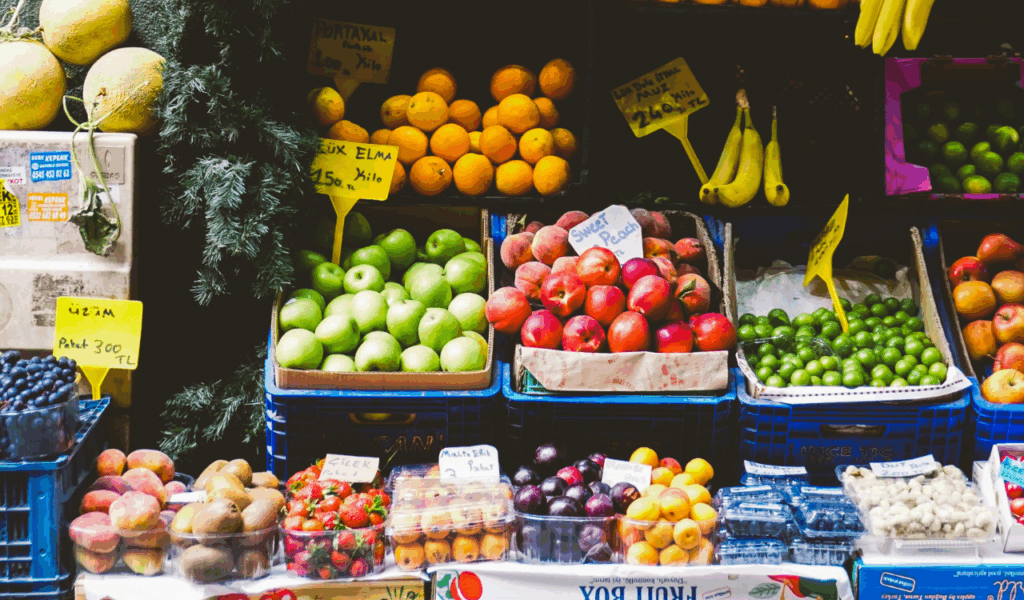
Food inflation is no longer just about fuel or global conflict. Climate volatility now hits food prices with growing force, and Canada feels those effects both at home and through imports. Drought on the Prairies can reduce yields for wheat, canola, and feed crops. Wildfires can disrupt transport corridors and agricultural work. Floods in British Columbia have already shown how quickly a regional disaster can affect livestock, produce movement, and supermarket logistics.
The bigger issue is that climate shocks stack on top of each other across borders. Canada imports large volumes of fruits, vegetables, nuts, and other foods from places like California, Mexico, and parts of South America. When heat waves shrink lettuce harvests, drought hurts citrus, or storms damage roads and ports, Canadian shoppers pay more almost immediately. Reuters and other major outlets have documented how weather extremes are increasingly destabilizing farm output in key growing regions.
This is why future food crises will look different from the public's old image of panic buying. Supply may still exist, but it will be more expensive, less predictable, and harder to insure. Retailers may keep products in stock by switching suppliers or accepting smaller margins for a short period, yet consumers still absorb the shock through higher prices and more frequent fluctuations.
The supply chain does not need to break to hurt families

A modern food system can function poorly long before it collapses. Containers can move, trucks can roll, warehouses can operate, and stores can stay full, yet every weak point adds cost. Packaging materials become pricier. Refrigerated transport becomes harder to secure. Processing plants face staffing gaps. Interest rates raise borrowing costs for businesses carrying inventory. None of that is dramatic on camera, but all of it matters at checkout.
Canada's food supply chain has several choke points that deserve more attention. Meat processing, for example, is relatively concentrated. When one major plant slows down due to labor issues, maintenance problems, or animal disease controls, the effects ripple widely. The same is true for rail service, which is crucial for moving grain, feed, and ingredients across long distances. A slowdown in one node can increase costs across many categories.
The pandemic made this visible, but the pattern did not end when the worst disruptions faded. It simply became less obvious. Businesses learned to keep product moving through substitutions, rerouting, and cost pass-through. That is why shelves often remain stocked while prices still climb. The system is flexible enough to prevent outright emptiness, but not efficient enough to protect consumers from the bill.
Concentration in food retail magnifies the pain
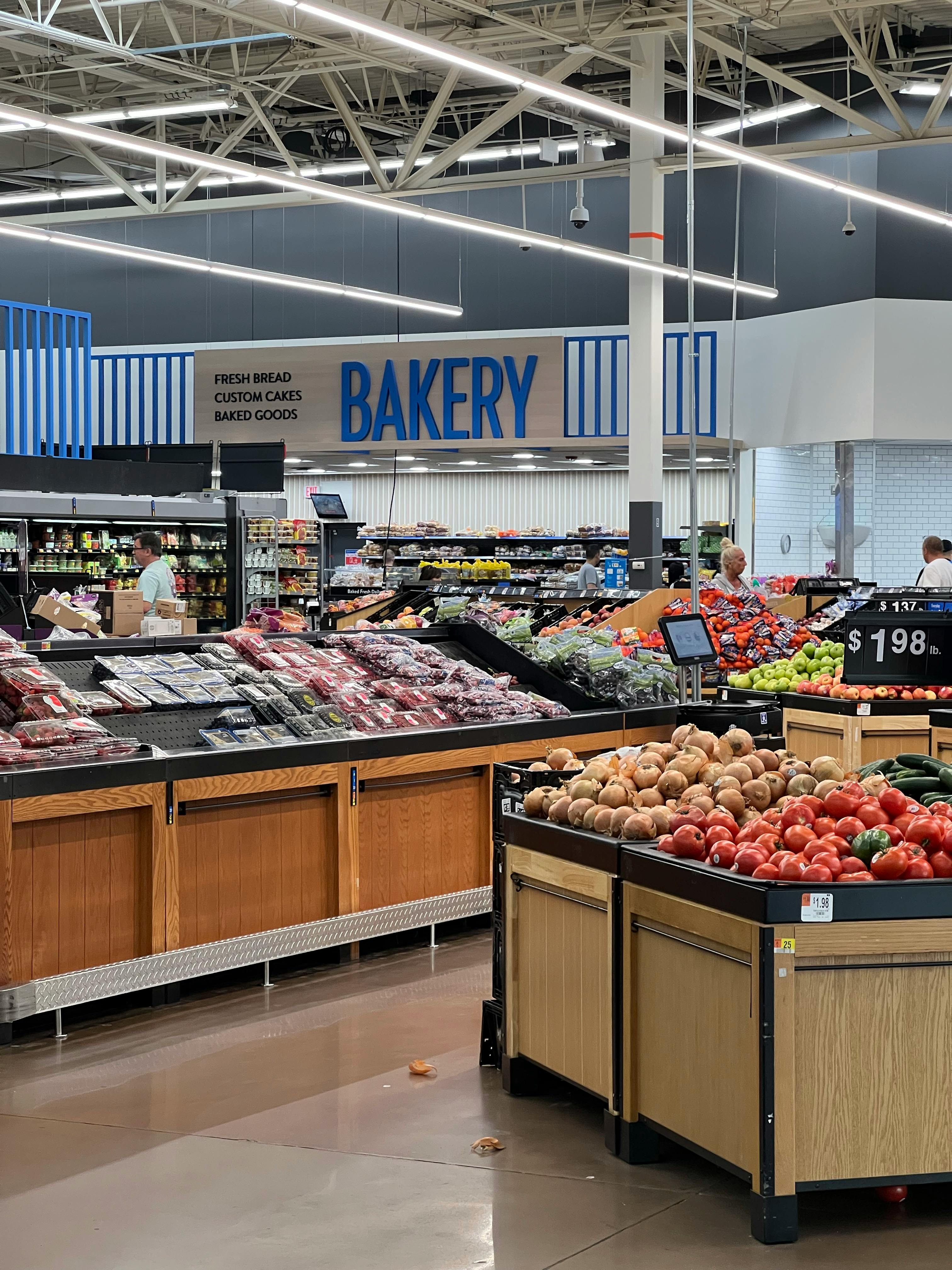
One reason grocery bills can rise faster than people expect is that the Canadian food market is highly concentrated. A small number of large chains control a significant share of food retail. That does not mean every price increase is caused by grocers alone, because suppliers, processors, farmers, and transport firms all face genuine cost pressures. But concentration can shape how quickly prices move, how promotions are offered, and how much competitive relief reaches shoppers.
This matters even more when households are under strain. If consumers have limited alternatives in their community, they have less power to avoid increases. In many towns, especially outside major urban centers, there are only a few realistic grocery options. Discount banners may help, but they do not erase the basic fact that many Canadians shop in markets with limited local competition and high transport costs.
Public debate often focuses on whether stores are "profiteering," but the deeper issue is structural. When supply chains are tight and competition is limited, prices become sticky. They rise quickly when costs go up and often fall more slowly when pressures ease. That lag is one reason people feel that a food crisis never really ends. The emergency passes, yet the household budget remains under pressure.
Households feel food crises long before policymakers do

A food crisis becomes real for families before it becomes a formal policy problem. Lower-income households, seniors on fixed incomes, students, and many newcomers notice it first because food takes up a larger share of their spending. A 5% or 10% increase in grocery costs does not land equally across the population. For financially stretched households, it changes meal planning immediately and can increase reliance on food banks, community kitchens, and cheaper, less nutritious options.
Food insecurity in Canada has already been rising, and the trend has been documented by public health researchers and anti-poverty organizations across the country. What makes the next crisis different is that it may unfold without a dramatic national shortage. There may be bread, milk, produce, and meat in stores, but more people will be unable to buy the amount or quality they need. That is a crisis of access, not mere availability.
Policymakers often react most strongly to visible disruptions because they create headlines. Empty shelves spark urgency. Slow price erosion of living standards does not always do the same, even though its social effects are deeper and longer lasting. When grocery inflation outpaces wages, benefits, or pensions, the damage builds quietly in nutrition, stress, debt, and health outcomes.
The real test is whether Canada treats affordability as resilience

The next serious test for Canada's food system will not simply be whether stores stay stocked. It will be whether ordinary households can still afford a healthy basket of food when climate risk, transportation costs, labor shortages, and global instability all hit at once. Resilience is often described as the ability to maintain supply. That definition is too narrow if the available food is priced beyond what many families can pay.
A smarter response starts earlier than crisis messaging. It includes investment in transport reliability, domestic processing capacity, climate adaptation on farms, and better competition oversight in grocery retail. It also means stronger income supports and policies that recognize food affordability as part of national resilience. If families are skipping fresh food while stores remain full, the system is not truly working.
The warning signs are already familiar. More volatile produce prices, higher meat costs, more expensive pantry staples, and shrinking package sizes all point in the same direction. Canada's next food crisis is unlikely to announce itself with empty aisles first. It will arrive more quietly, in the moment a household looks at a normal cart of groceries and realizes it no longer fits the budget.



Leave a Reply