
Some of the most beloved foods on earth did not begin in luxury kitchens. They began where hunger was close, money was short, and ingenuity mattered more than status.
Scarcity has always been one of the greatest forces in culinary history

Comfort food is often described as emotional, nostalgic, or indulgent, but its deeper history is usually economic. Many iconic dishes were created by laborers, farmers, enslaved people, migrants, and working families who had to stretch ingredients as far as possible. What we now call comforting was often, at first, simply practical: filling, cheap, and dependable.
Across Europe, Asia, Africa, and the Americas, the same pattern appears again and again. A modest base such as rice, beans, cornmeal, noodles, potatoes, or stale bread becomes a complete meal through technique rather than expense. Slow cooking, fermenting, stewing, frying, and seasoning were not culinary luxuries. They were systems for survival.
Food historians have long noted that peasant cuisines produced some of the world's most durable dishes because they solved several problems at once. They used little fuel, reduced waste, preserved perishables, and fed many people from one pot. This is why foods associated with comfort are so often soft, warm, and richly flavored. They were designed to satisfy bodies that worked hard and budgets that never stretched far enough.
Even now, the emotional power of these dishes comes partly from that origin. They carry the memory of resilience. A bowl of soup, a plate of rice and beans, or a loaf made from humble grains feels grounding because it was shaped by generations who knew exactly what it meant to make enough out of almost nothing.
Bread, porridge, and noodles became comfort foods because they made survival possible
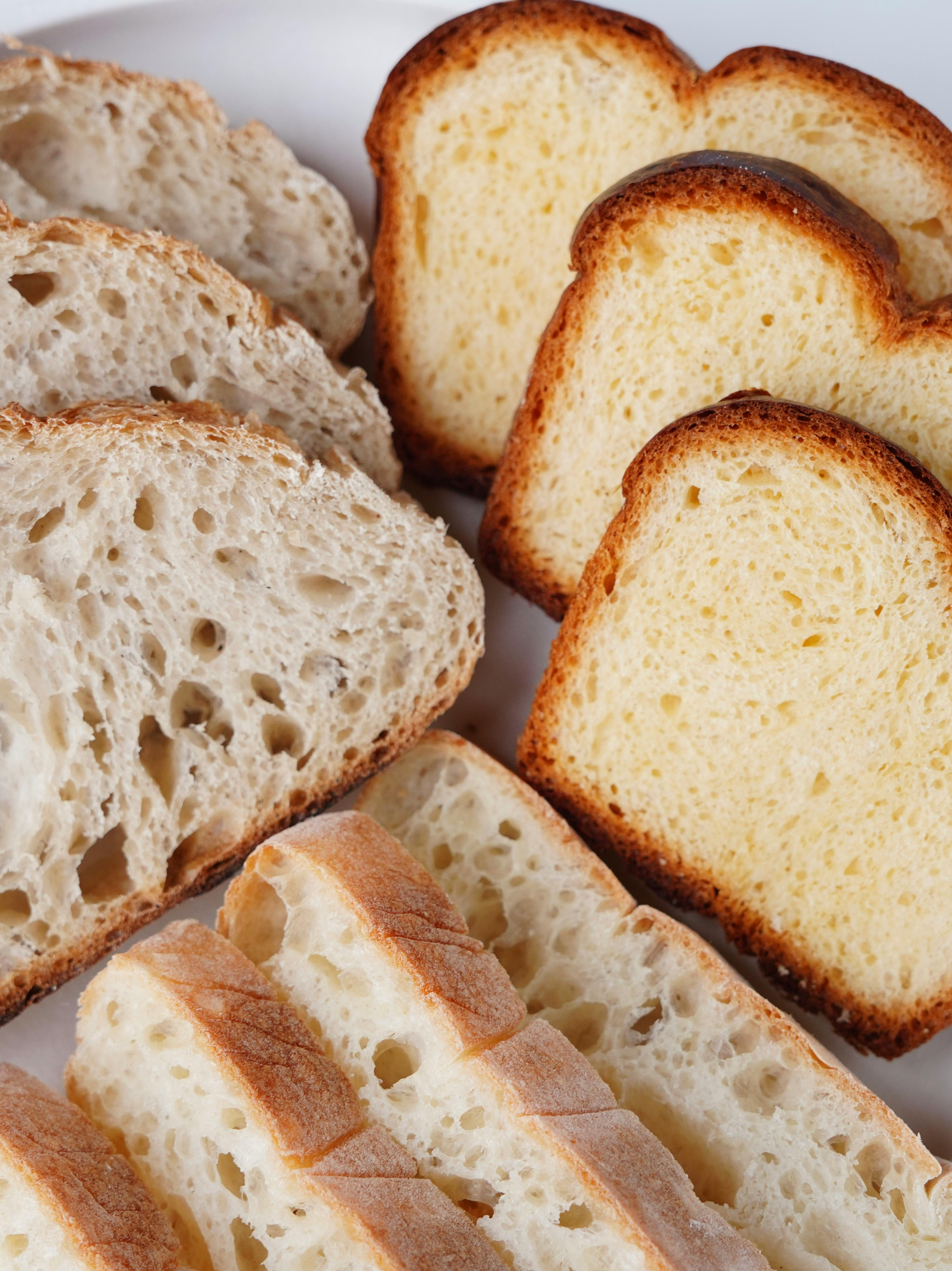
In many societies, the first line of defense against hunger was not meat or luxury produce but grain. Bread in Europe and the Middle East, congee in China, polenta in Italy, grits in the American South, and millet or sorghum porridges across Africa all served the same basic purpose. They delivered calories efficiently, could be made in large batches, and paired well with whatever small additions were available.
Take congee, one of the clearest examples of culinary thrift. A small amount of rice can be simmered with a great deal of water to feed several people, especially when topped with pickles, scraps of meat, scallions, or an egg. In difficult times, that mattered enormously. Its soothing texture, now associated with care and recovery, grew directly from the logic of stretching limited stores.
Bread tells a similar story. Rustic loaves, flatbreads, and coarse whole-grain breads were often made from whatever flour people could obtain, sometimes mixed with other grains or legumes. Stale bread was rarely discarded. It reappeared in soups, puddings, dumplings, and pans of baked leftovers, turning yesterday's necessity into today's comfort.
Noodles also emerged as a brilliant economy food. Whether hand-pulled, cut, or rolled, they transformed a little flour into a filling meal. Add broth, oil, or seasonal vegetables, and a sparse pantry became dinner. The tenderness and warmth we now associate with noodle dishes were inseparable from the fact that they fed people efficiently when efficiency was everything.
Some of the world's richest dishes were built from scraps, bones, and overlooked cuts

There is a reason stews, soups, braises, and casseroles dominate comfort food traditions. These methods are ideal for ingredients that wealthier households once ignored. Bones, cartilage, beans, roots, stale crusts, and tougher cuts become deeply flavorful with enough time, water, and heat. Patience stood in for purchasing power.
French onion soup, for example, began as a practical dish grounded in cheap onions, bread, and stock. Italian ribollita was designed to reuse minestrone and stale bread. In many parts of Latin America and the Caribbean, soups and stews transformed plantains, cassava, beans, and inexpensive meats into sustaining meals. Their complexity came not from luxury but from careful layering.
In the United States, soul food preserves this history with particular clarity. Dishes such as collard greens simmered with smoked meat, black-eyed peas, cornbread, and slow-cooked cuts reflect the resourcefulness of African American communities shaped by enslavement, exclusion, and low wages. These foods became central not only because they were available, but because they were made delicious in spite of structural deprivation.
The same principle appears in ramen's earlier forms, bean soups from the Mediterranean, and countless village broths worldwide. When modern diners call these foods rich, they are usually responding to concentration of flavor, not extravagance. Richness, in this sense, was invented by people who learned how to coax abundance from what looked like very little.
Migration spread hardship cooking across borders and turned local survival food into global comfort
Many foods now treated as national treasures traveled with people who moved under pressure. War, famine, colonization, industrial labor, and economic migration carried humble dishes into new cities and countries. What began as food for the poor often became food for entire nations, then eventually for the world.
Consider pasta e fagioli, once a simple Italian peasant dish of pasta and beans. Its ingredients were inexpensive, shelf-stable, and nourishing. As Italians migrated, they carried dishes like this with them, and those foods took root abroad because they were affordable and adaptable. The same can be said for dumplings in many cultures, from Eastern Europe to China, where flour wrappers turned small fillings into satisfying family meals.
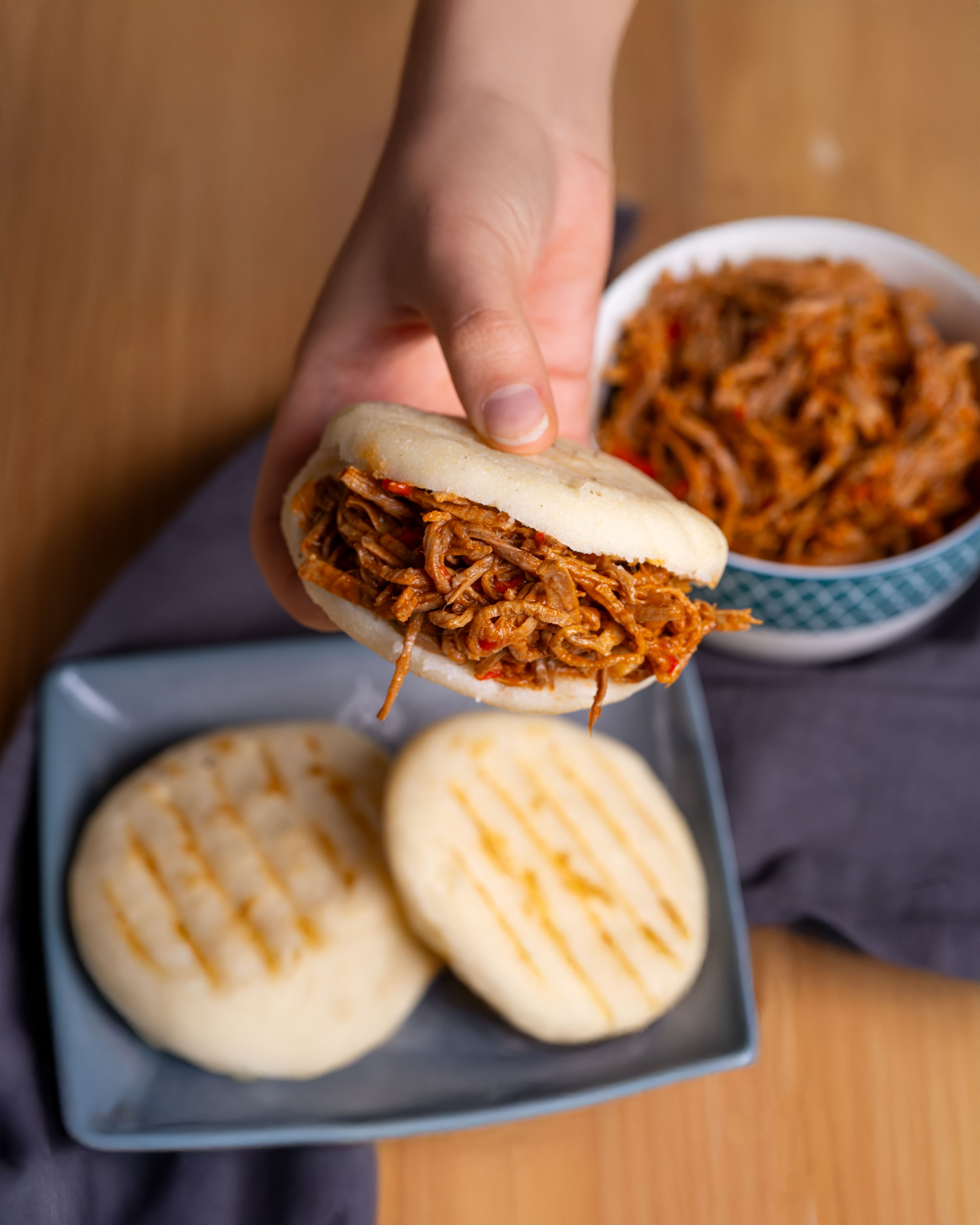
In Latin America, tamales and arepas reveal another long history of making staples portable and sustaining. Ground corn, inexpensive and versatile, could be shaped, filled, steamed, or griddled depending on local traditions and available resources. These foods supported workers, travelers, and families living close to subsistence.
Migration also changed how these dishes were perceived. Foods once associated with poverty gained prestige in restaurants and media, but their original logic remains visible. They are structured around economy, preservation, portability, and satiety. Their worldwide popularity is not accidental. They were engineered by necessity to meet human needs with extraordinary efficiency.
What makes these foods comforting is not only taste, but the feeling of security they provide
People often think comfort food works because it is creamy, warm, or salty, and those qualities do matter. Research in nutrition and psychology has shown that familiar foods can reduce stress and strengthen feelings of belonging. But familiarity itself is often inherited from households where cooking had to be dependable above all else.
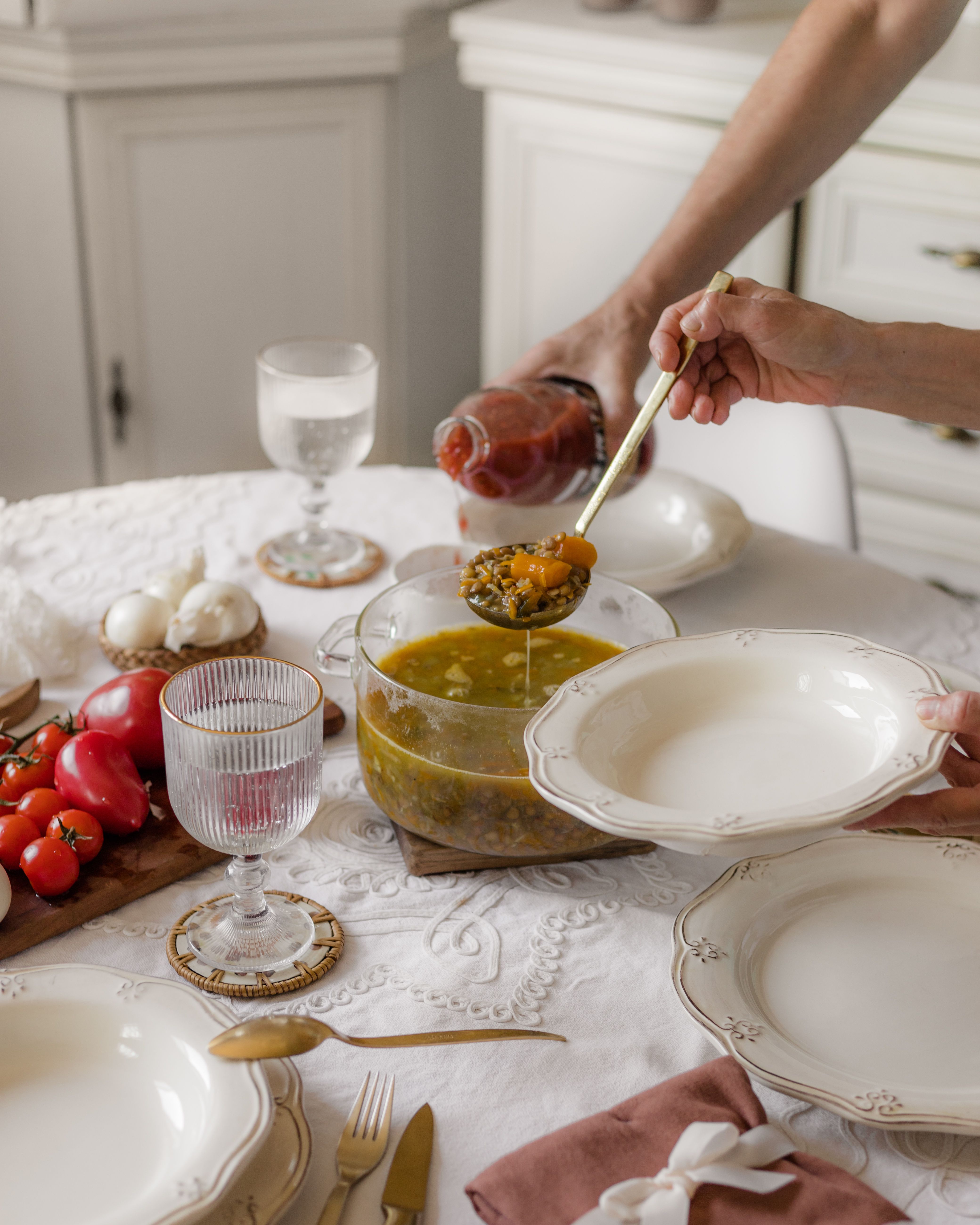
A pot of beans on the stove, a tray of baked pasta, or a bowl of rice porridge does something psychologically important. It signals that there will be enough to go around. That message is especially powerful in families shaped by economic precarity, where certain dishes came to represent stability, care, and relief from uncertainty.
Texture also tells part of the story. Soft foods are easier to eat, easier to share with children and elders, and easier to digest when someone is ill or exhausted. That practical usefulness helped turn porridges, soups, mashed dishes, and slow-cooked grains into emotional anchors. Their comfort is not abstract. It is rooted in bodily ease.
There is also dignity in these foods. They remind people that nourishment does not require extravagance. A dish can be inexpensive and still feel generous, beautiful, and complete. That is one reason these meals endure across generations. They offer more than calories. They offer proof that care can be built from modest means.
The modern world still depends on the culinary wisdom created by people with the least
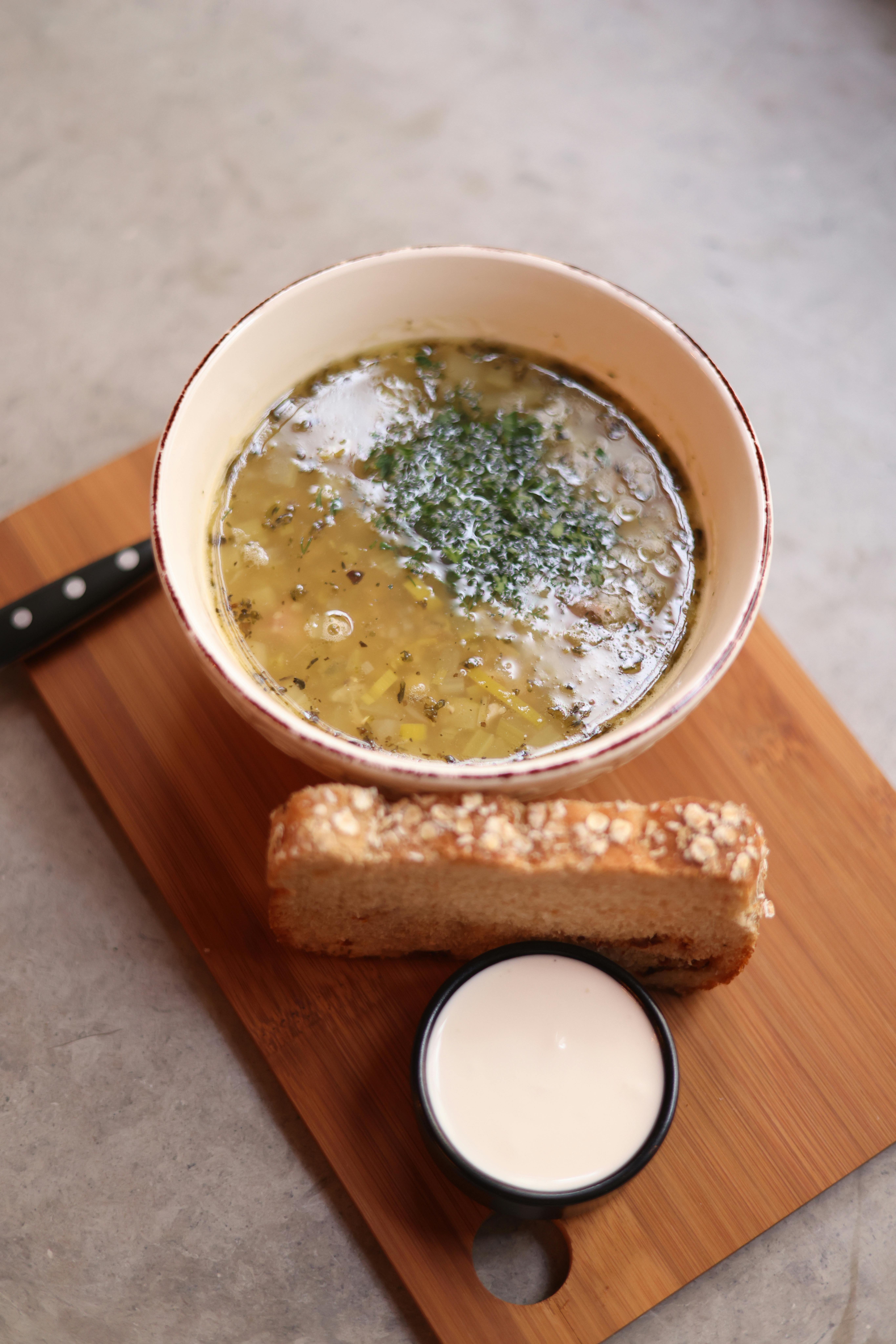
Today, many of the foods born from scarcity are sold as artisan, heritage, or elevated cuisine. Restaurants celebrate rustic soups, handmade noodles, braised cuts, and farmhouse breads, often at prices far removed from their origins. Yet the techniques behind them were developed by people solving daily problems of hunger, waste, and limited access.
That history matters because it changes how we define culinary greatness. Innovation in food did not come only from courts, elite chefs, or wealthy regions. It also came from domestic workers, street vendors, field laborers, grandmothers, and market cooks who knew how to stretch one onion, one handful of flour, or one leftover bone into something memorable.
It also offers a lesson for the present. As food prices rise and concerns about waste, sustainability, and equity grow, many of the best answers remain old ones: cook seasonally, use the whole ingredient, preserve what you can, and rely on staples that nourish many people. The future of practical eating may look a lot like the past.
The world's most comforting foods endure because they were forged under pressure and refined over generations. They are not sentimental by accident. They are powerful because they came from people who had almost nothing and still made meals that felt like abundance.



Leave a Reply