
Frozen food is no longer the quiet corner of the supermarket. In Canada, it has become one of the clearest signs that grocery shopping has been fundamentally reshaped.
Frozen food stopped being a fallback and became a strategy
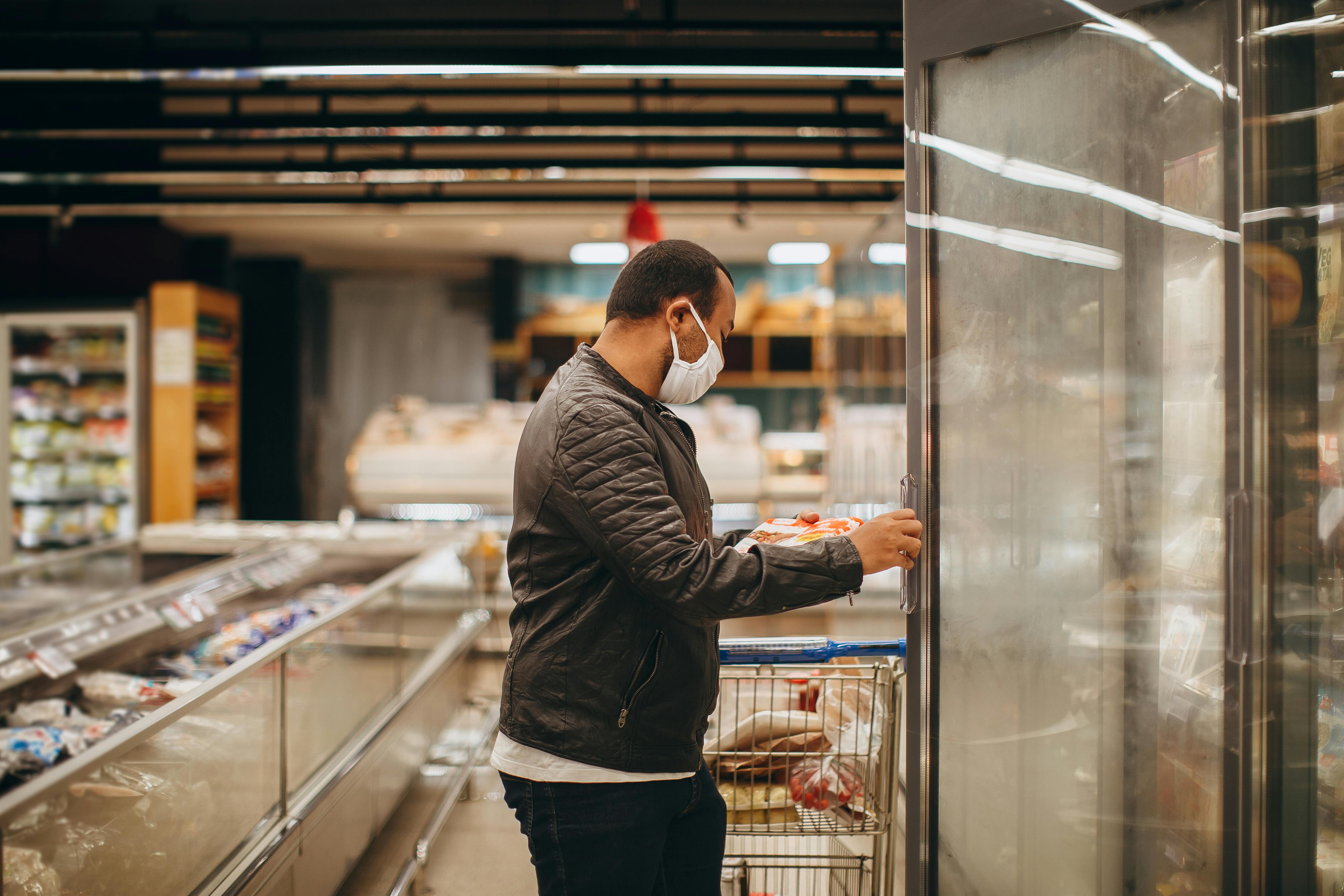
For decades, the freezer aisle was designed around a simple assumption: shoppers would treat it as a final stop. Store planners put frozen foods near the back so items like vegetables, pizza, and ice cream stayed cold for as little cart time as possible. As food design experts have long noted, that layout also kept freezers away from entrance drafts and guided customers past produce, bakery, dairy, and packaged goods first. It was a practical system built for a world where frozen food was an add-on.
That world has changed quickly in Canada. Inflation pushed households to hunt for value, and frozen foods offered something fresh foods often could not: longer shelf life, less waste, and more predictable pricing. A family buying frozen berries, vegetables, or prepared meals could stretch a budget with fewer spoilage losses. In an era when shoppers notice every dollar, that reliability matters.
The category also benefited from a cultural shift. Frozen food no longer carries the same stigma it once did, partly because quality has improved dramatically. Flash-freezing technology, better ingredient sourcing, and premium private-label lines have helped many products compete with chilled or fresh alternatives.
What emerged was not just higher demand, but a new kind of demand. Canadians were not only buying frozen fries and ice cream. They were stocking frozen fruit for smoothies, vegetables for weeknight dinners, protein options for portion control, and globally inspired prepared meals that fit time-starved schedules.
Inflation, time pressure, and household habits fueled the surge
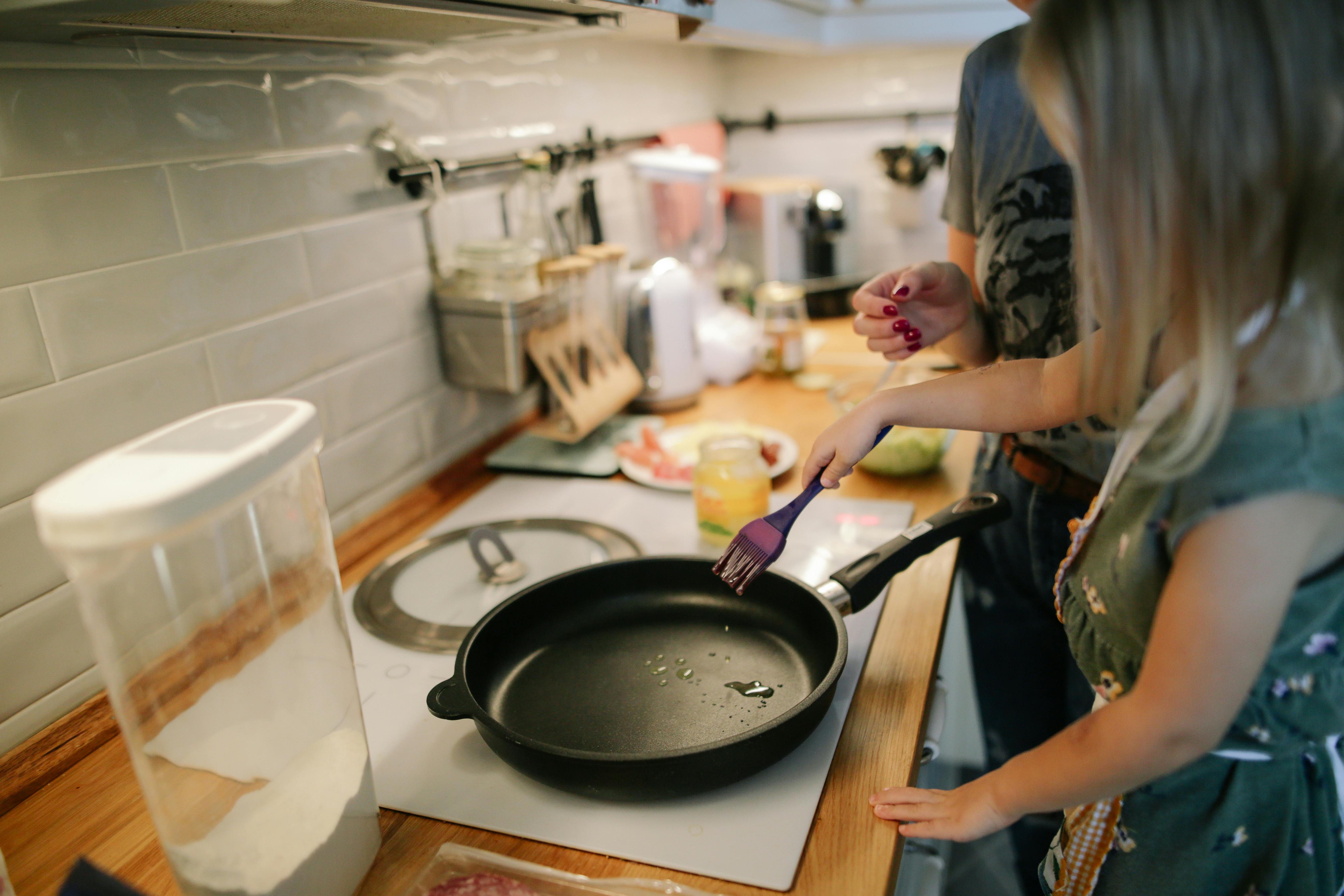
The biggest reason for the freezer aisle's rise is brutally simple: it solves multiple modern problems at once. Canadian households are dealing with expensive groceries, high housing costs, and less time to cook from scratch. Frozen food addresses all three pressures by cutting prep time, reducing waste, and extending the useful life of a shopping trip.
That matters especially in a country where weather and distance already shape food buying habits. In many communities, particularly during winter, fewer shopping trips are practical. Frozen products let people stock up without worrying that spinach, berries, or breaded fish will spoil before the week ends. For many shoppers, the freezer became a hedge against both inflation and inconvenience.
The growth also reflects demographic reality. Smaller households, older adults, dual-income families, and students often need flexible portions rather than bulk perishables. Frozen foods meet that need better than many fresh items, which can force people to buy more than they can realistically use.
Prepared frozen meals have also benefited from a collapse in the old distinction between convenience and quality. Consumers who once associated frozen entrées with low-end TV dinners now see a broader spectrum: high-protein bowls, plant-based options, chef-inspired pizzas, and breakfast items designed for speed. That diversification brought new shoppers into a section many retailers still treated as secondary.
Grocery stores were built for yesterday's shopping behavior
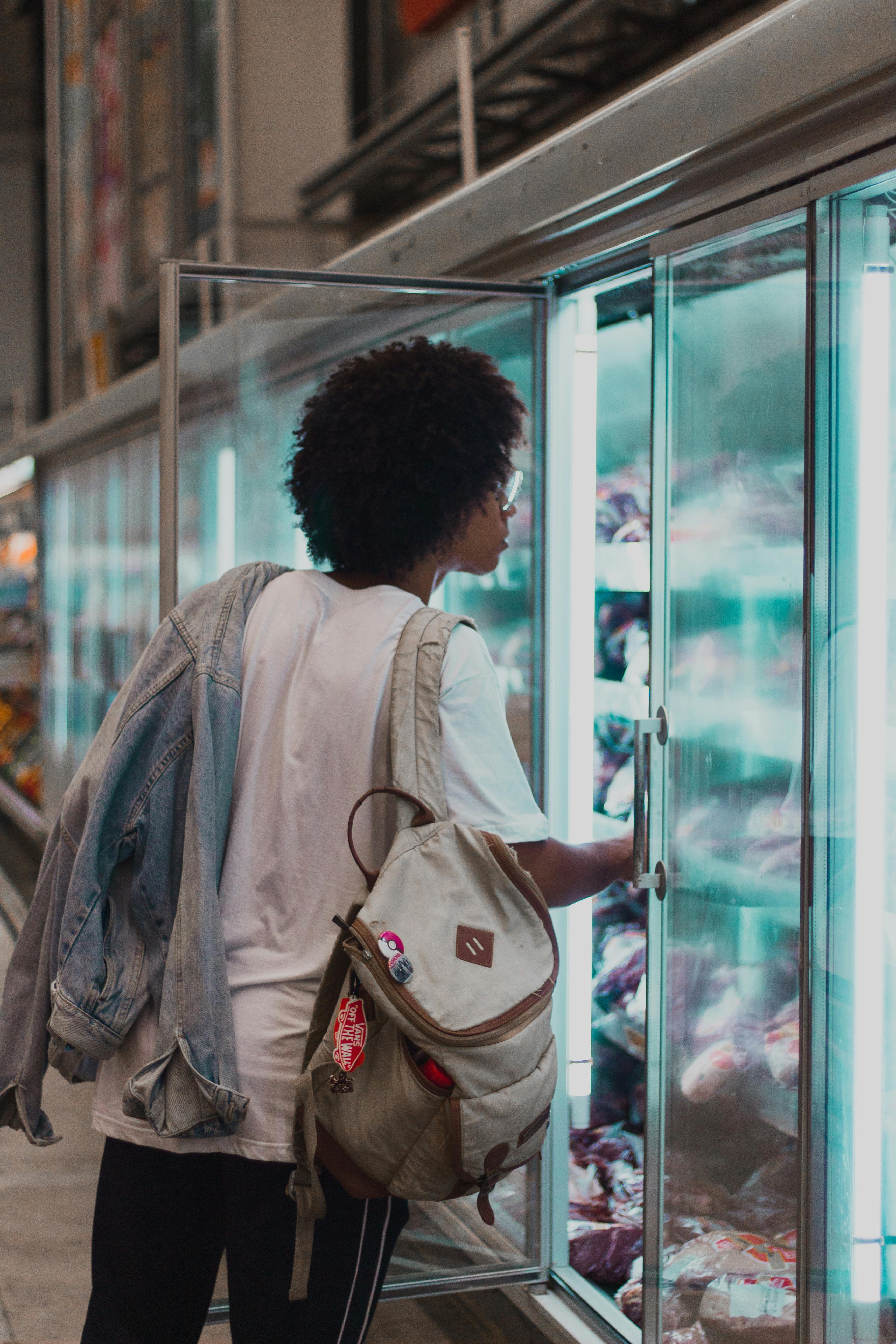
Canadian grocery stores did not ignore frozen food, but many clearly underestimated how central it would become. The classic supermarket flow still assumes produce creates the emotional opening of the trip and frozen goods close it. That model works when frozen items are occasional purchases. It strains when they become a core basket driver.
One problem is physical capacity. Freezer doors, chest units, and backroom cold storage are expensive, energy-intensive, and harder to expand than dry grocery shelves. When demand rises quickly, stores cannot simply stretch the category overnight. Shoppers begin seeing crowded doors, shallow assortments, or frequent out-of-stocks in fast-moving items like vegetables, breakfast foods, and ready meals.
Another issue is merchandising logic. Traditional layouts encourage impulse buying on the route to the freezer aisle, but that strategy can backfire when shoppers arrive with a targeted frozen list. If the freezer section is now a destination rather than an afterthought, burying it at the end of the store may create frustration instead of extra sales.
Retailers also face labor complications. Frozen inventory requires stricter handling, more temperature control, and tighter replenishment timing. A shelf of pasta sauce can wait longer in a cart or stock trolley than frozen dumplings or seafood. As demand increases, the operational burden rises with it.
The supply chain was stronger than people thought, but not flexible enough
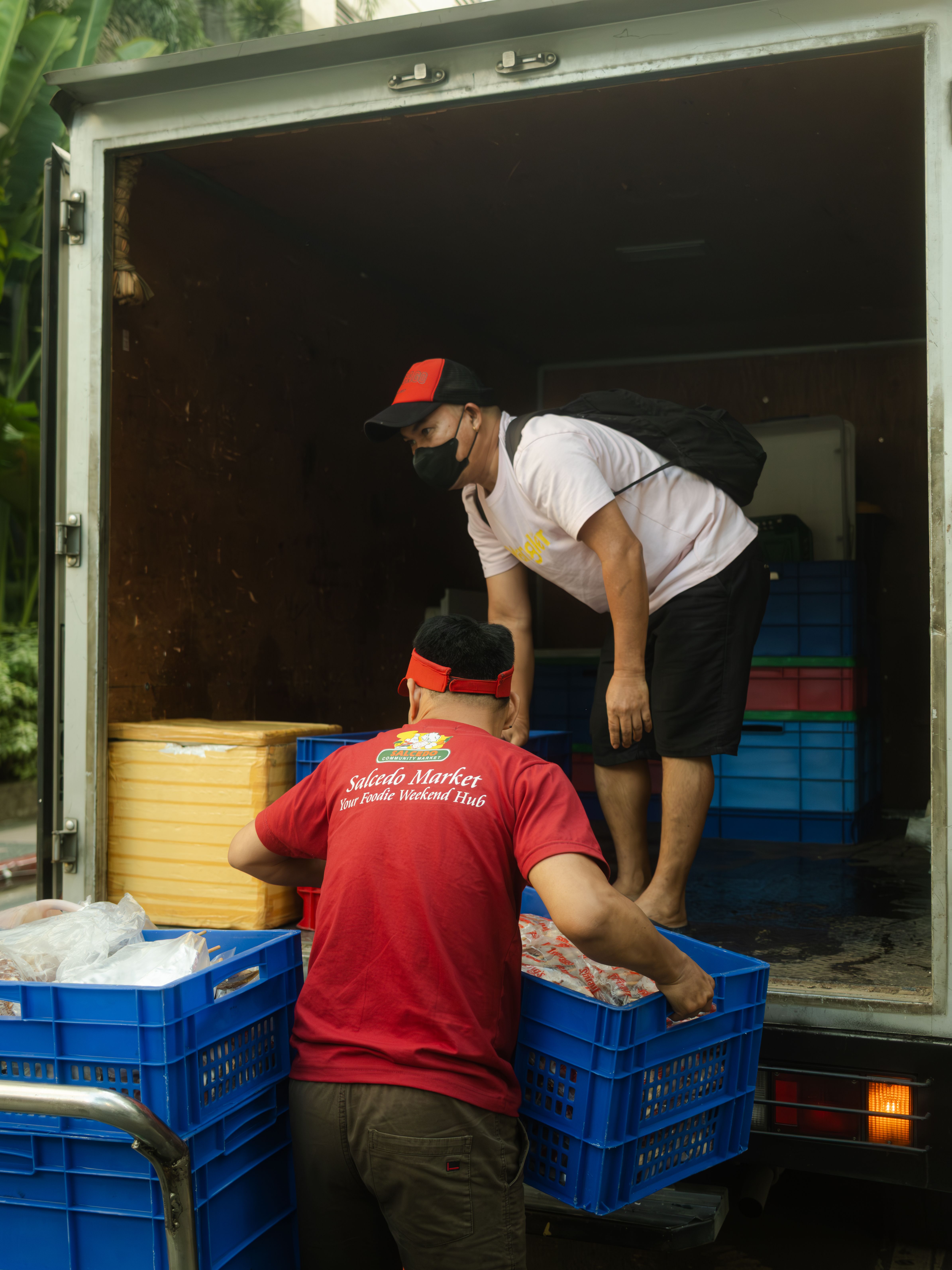
Canada's frozen food system has important advantages. Frozen products generally travel well, hold quality longer, and can absorb some logistical delays better than fresh produce. That should have made the category easier for retailers to scale. Yet the recent boom exposed a different problem: resilience is not the same as agility.
When demand jumps across many subcategories at once, from frozen fruit to family-size entrées, every part of the chain feels it. Manufacturers need more freezer capacity, transport firms need more temperature-controlled space, and stores need more reliable replenishment cycles. Those assets are costly and slower to build than ordinary warehouse space.
Energy is another constraint. Freezer infrastructure consumes significant electricity, and operating costs matter in a country already dealing with margin pressure in food retail. Expanding frozen capacity is not just a merchandising decision. It is a capital decision involving equipment, maintenance, floor space, and utility costs.
Then there is the forecasting challenge. Many stores historically treated frozen foods as relatively stable categories with predictable seasonal peaks around holidays or summer treats. But Canadian shoppers are now buying frozen staples year-round in larger volumes. When behavior changes faster than forecasting models, empty shelves appear even when the broader supply chain is functioning.
Private labels, premium products, and better technology changed perceptions
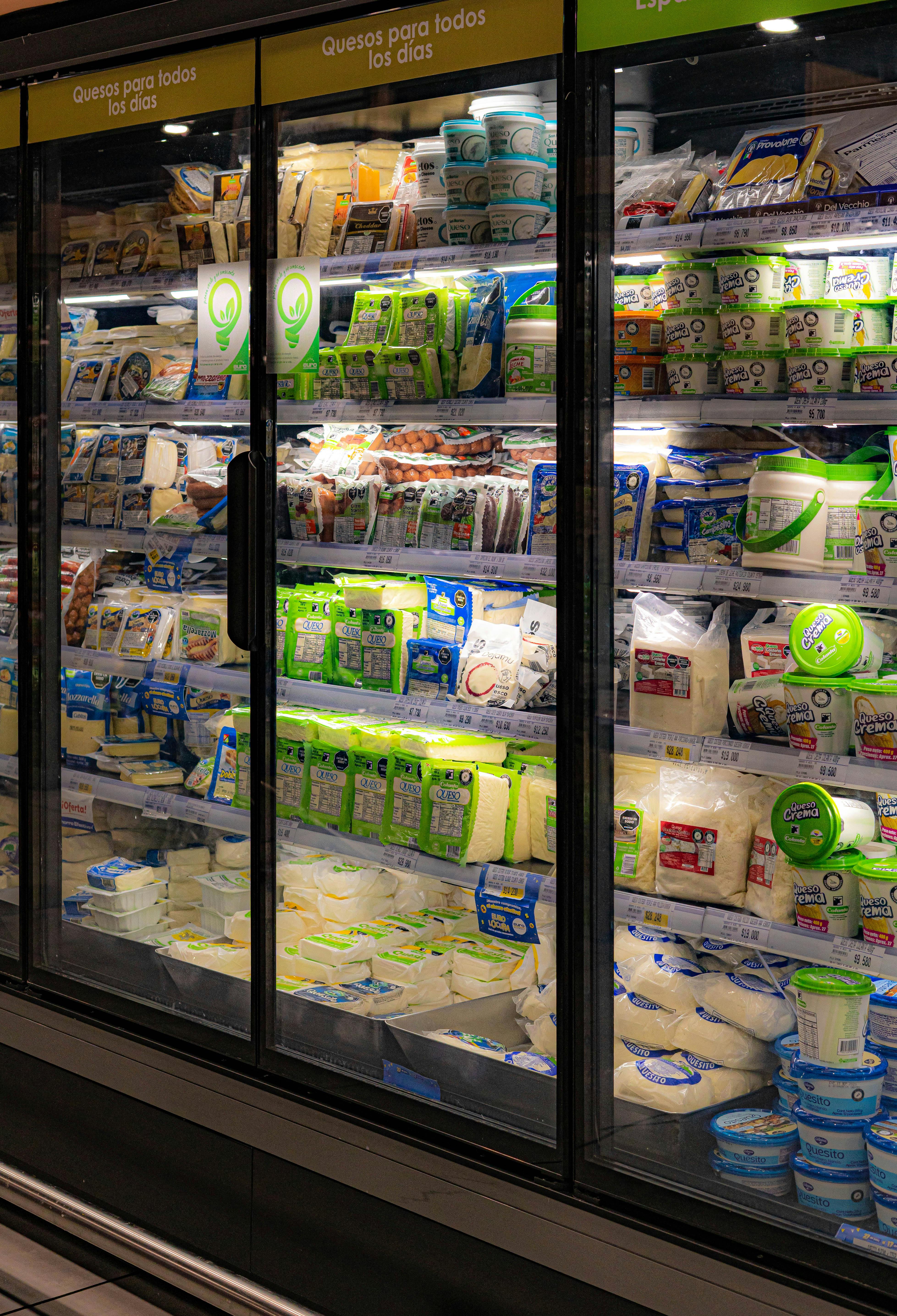
One reason this moment feels historic is that the freezer aisle has improved far beyond its old image. It is no longer dominated by low-cost basics and a few indulgent treats. In many Canadian stores, frozen has become a place where value and premium quality meet, often in the same door.
Private-label growth played a major role. Retailers invested in store-brand frozen vegetables, appetizers, pizzas, desserts, and complete meals that delivered stronger margins while giving consumers cheaper alternatives to national brands. During periods of food inflation, shoppers became more willing to test those products and often stayed with them.
At the same time, premiumization lifted the category's reputation. Better packaging, clearer nutritional messaging, and more globally inspired recipes made frozen foods feel current rather than compromised. Air fryer culture helped too, giving consumers an easy way to get crisp textures at home without deep frying or lengthy oven times.
Technology improved quality in less visible ways. Faster freezing methods preserve texture and nutrients more effectively than older systems did, especially for produce and seafood. That has helped close the perception gap between fresh and frozen, particularly for shoppers who care about nutrition but need convenience.
The next grocery battle in Canada will be fought behind freezer doors
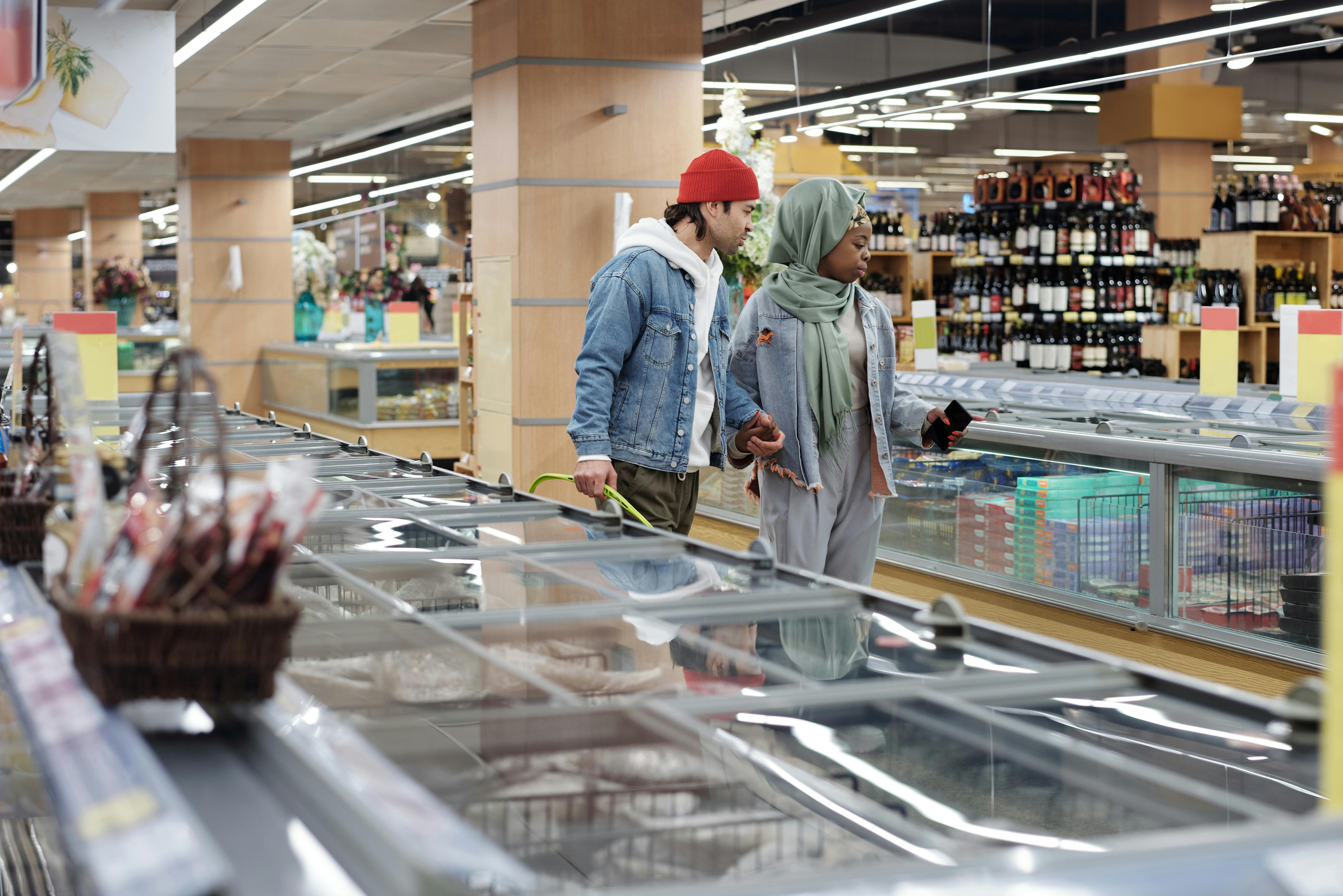
The freezer aisle's rise is not a short-term fluke. It reflects a broader reset in how Canadians define value, convenience, and meal planning. Once shoppers reorganize their habits around fewer waste-prone purchases and more flexible food storage, they rarely go all the way back.
That means grocery retailers will likely rethink store design. Some may expand frozen sections, add more grab-and-go freezer islands, or improve adjacency between frozen foods and complementary categories like sauces, snacks, or ready-to-cook proteins. Others may use data more aggressively to identify which frozen products drive repeat traffic rather than treating the category as a back-of-store obligation.
Competition will intensify across price points. Discount chains will push frozen staples as budget solutions, while conventional grocers and specialty retailers will keep upgrading premium frozen meals, desserts, and international offerings. The aisle will become more important not just for volume, but for customer loyalty.
In that sense, Canadian grocery stores were unprepared because they were still operating with an older map of shopper behavior. The freezer aisle was designed to be the last stop. Instead, it has become one of the main reasons people come through the door at all.




Leave a Reply