
Some of the oldest "struggle meals" no longer look outdated. They look like a blueprint for eating well in uncertain times.
Cheap calories became smart nutrition

The first lesson from hard years in history is simple: people survived on foods that delivered the most nourishment for the least money. During the Great Depression, households leaned heavily on beans, oats, potatoes, cabbage, cornmeal, and stale bread repurposed into filling dishes. These foods were not glamorous, but they were dependable, shelf-stable, and easy to stretch across many mouths.
That same logic is increasingly attractive today. Grocery inflation has pushed many shoppers away from expensive convenience foods and back toward dry staples that offer more servings per dollar. A bag of lentils, a sack of potatoes, or a container of oats can still feed a family far more efficiently than many packaged snacks or prepared meals. According to recent consumer surveys, households are once again planning meals around cost-per-serving rather than novelty.
What earlier generations understood instinctively is now backed by modern nutrition science. Beans and lentils provide fiber, protein, iron, and folate. Oats support heart health and stable energy. Potatoes, often unfairly dismissed, supply potassium, vitamin C, and satiety when they are not buried under excessive frying oil and salt. Foods once associated with hardship now align neatly with current advice to eat more whole, minimally processed ingredients.
Preservation was once survival, now it is a money saver
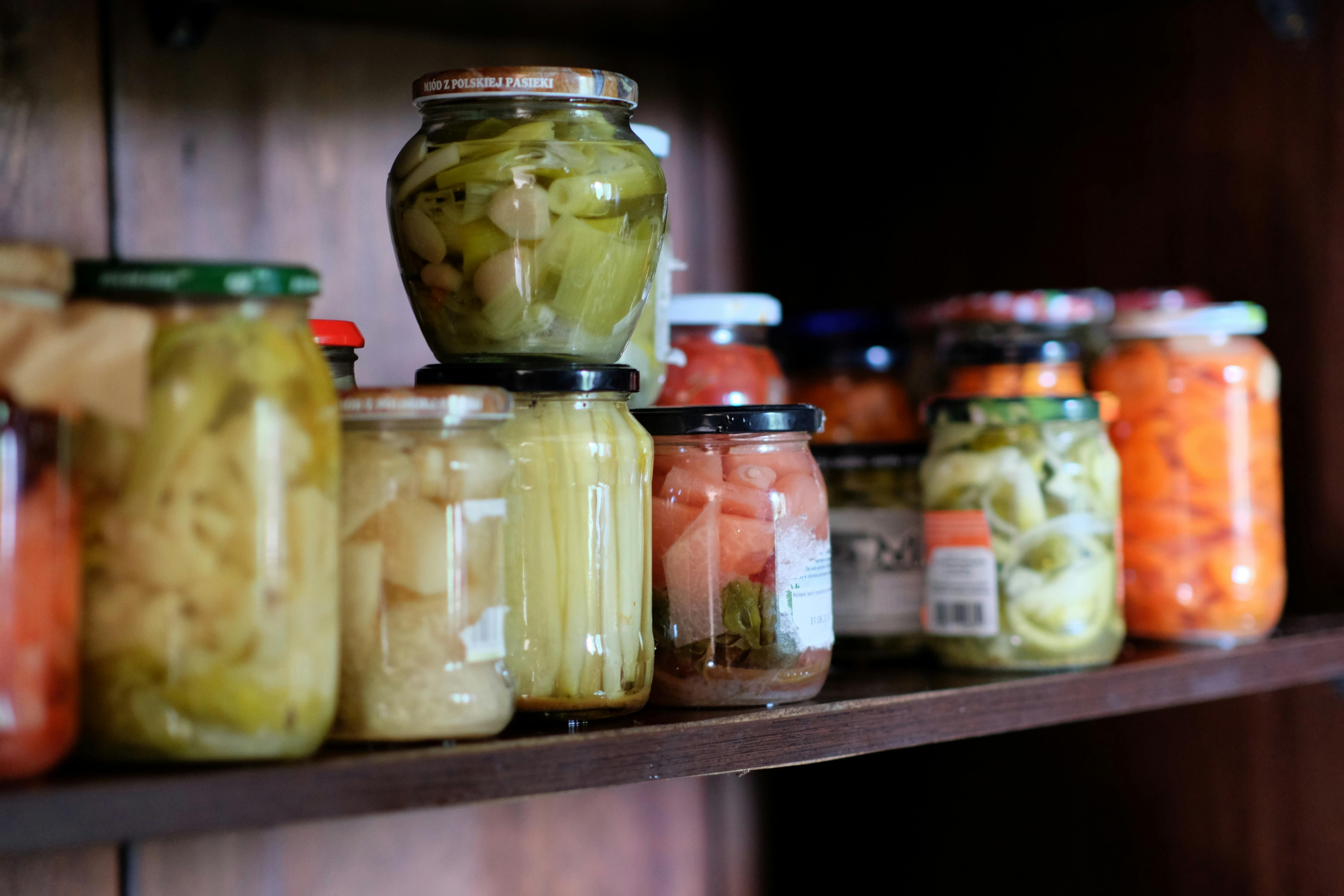
In difficult eras, preserving food was not a hobby. It was insurance. Families pickled vegetables, fermented cabbage, dried herbs, saved bacon fat, canned tomatoes, and turned excess fruit into jams because letting food spoil could mean going hungry later. Through wartime rationing and rural poverty, preservation techniques transformed short harvest windows into months of usable meals.
That old discipline is newly relevant in a world where food waste remains a major economic and environmental problem. The average household throws away a surprising amount of produce, bread, dairy, and leftovers each year. Learning even basic preservation, such as freezing stock, quick-pickling onions, or turning soft fruit into compote, can dramatically reduce waste and lower weekly grocery costs.
Experts in food systems increasingly point out that these traditional habits also build resilience. Fermentation can enhance flavor and support gut-friendly bacteria. Freezing and canning help households buy in bulk when prices are lower. Saving scraps for broth mirrors restaurant nose-to-tail and root-to-stem practices that are now praised as sustainable innovation. In reality, many of these "new" ideas are simply older survival habits returning to the mainstream.
Meat was scarce, so flavor had to work harder
One of the biggest misconceptions about historical hardship diets is that they were only about deprivation. In truth, they were often about technique. When meat was scarce during wartime, recessions, and periods of rural poverty, cooks used tiny amounts of bacon, ham hock, sausage, or drippings to season whole pots of beans, greens, or stews. Flavor was stretched with onions, garlic, vinegar, pepper, and long simmering rather than large portions of protein.
That approach makes striking sense today. Meat prices remain volatile, and many consumers are trying to reduce intake for budget, climate, or health reasons. Traditional dishes such as split pea soup, red beans and rice, minestrone, dal, cabbage soup, and congee show how a meal can feel rich and complete without centering a large cut of meat. A little can still go a long way.
Nutrition experts have spent years encouraging more plant-forward eating, and these historic food patterns fit that recommendation well. Legume-based meals tend to be high in fiber and associated with better heart health when they replace heavily processed foods. The brilliance of hardship cooking is that it solved a modern problem long before the modern conversation existed. It made meals affordable, satisfying, and lower in resource intensity without presenting those outcomes as sacrifice.
Seasonal eating used to be normal, not aspirational
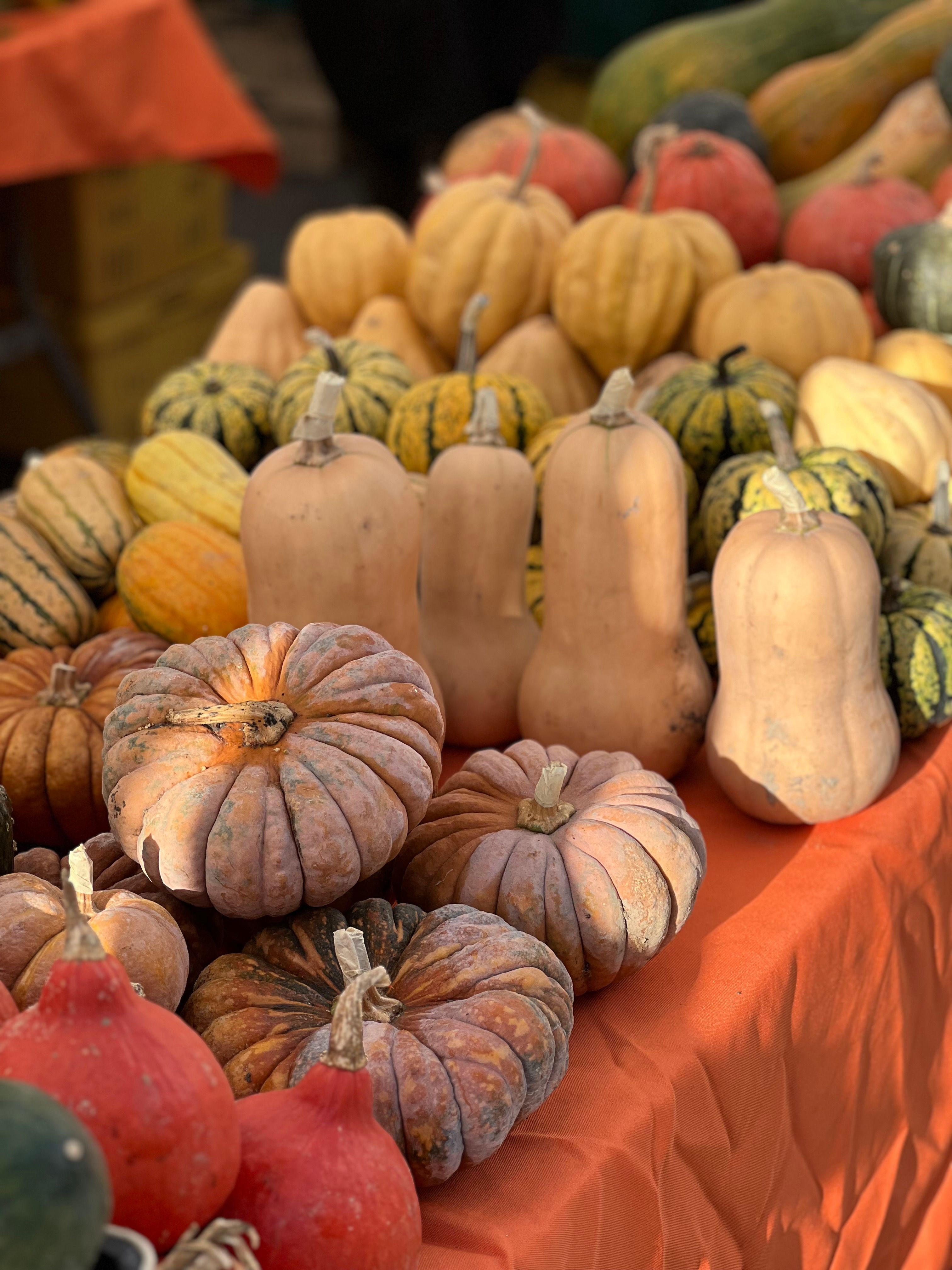
Before global shipping and constant supermarket abundance, people ate what was available. In lean years, that meant root vegetables in winter, greens in spring, tomatoes and beans in summer, apples and squash in fall. Menus changed because nature changed, and households adapted around harvest cycles, local storage conditions, and what markets could realistically provide at a fair price.
That pattern is becoming practical again. Out-of-season produce often costs more, tastes weaker, and spoils faster after traveling long distances. By contrast, foods bought near their natural harvest window are usually cheaper and more flavorful. Farmers market shoppers know this intuitively, but even standard supermarkets price strawberries, citrus, squash, and greens differently depending on seasonal supply and transport pressures.
There is also a nutritional advantage in this older style of eating. A rotating mix of seasonal produce naturally increases dietary variety over time. Public health researchers often stress the value of consuming a broader range of plant foods, and seasonal rhythms encourage exactly that. The old model was never about trend-driven "clean eating." It was about buying what made economic and sensory sense, which is why it still works so well now.
Leftovers were not an afterthought, they were the system
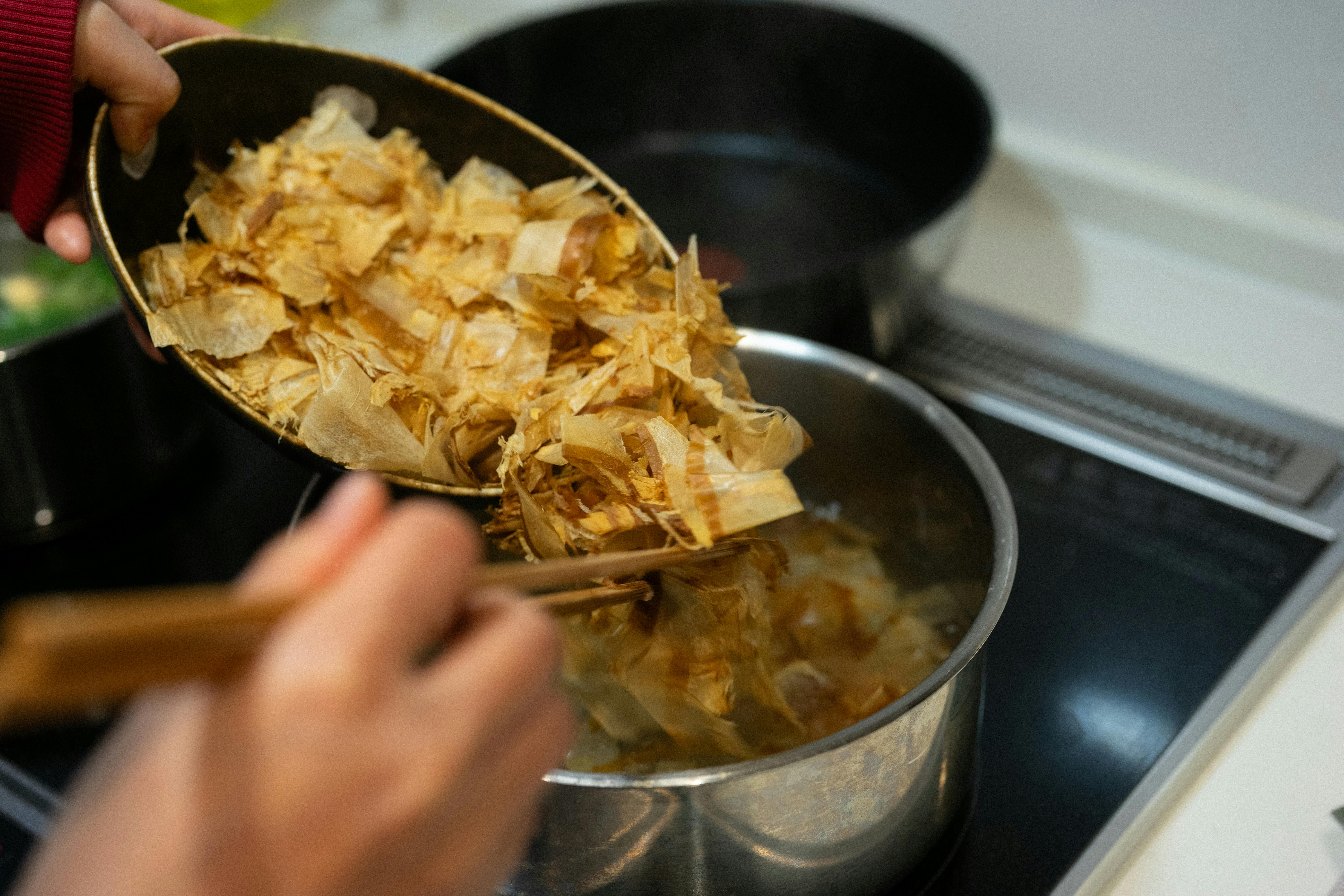
Hard times taught people to see food in stages. Yesterday's roast became today's hash, soup, or sandwich filling. Stale bread turned into pudding, dumplings, stuffing, or breadcrumbs. Cooked grains became fried cakes. Vegetable peels, bones, and trimmings became stock. In households with little margin for waste, leftovers were not second-best meals. They were a planned continuation of the first one.
That mindset has become increasingly relevant as modern families struggle with both food costs and time pressure. Cooking once and eating twice is one of the most effective ways to reduce spending without relying on ultraprocessed shortcuts. A pot of beans can become tacos, soup, and grain bowls. Roast chicken can feed one dinner, several lunches, and a broth for the freezer. Historical cooks built systems, not just recipes.
Chefs and dietitians now endorse this strategy for reasons beyond thrift. Planned leftovers can reduce decision fatigue, improve portion control, and make home cooking more realistic on busy weeknights. It also reframes value. The smartest meal is not always the one that looks impressive on day one. It is the one that keeps paying off through day three, which is exactly how earlier generations thought about food under pressure.
These foods fit the future because they were built for uncertainty
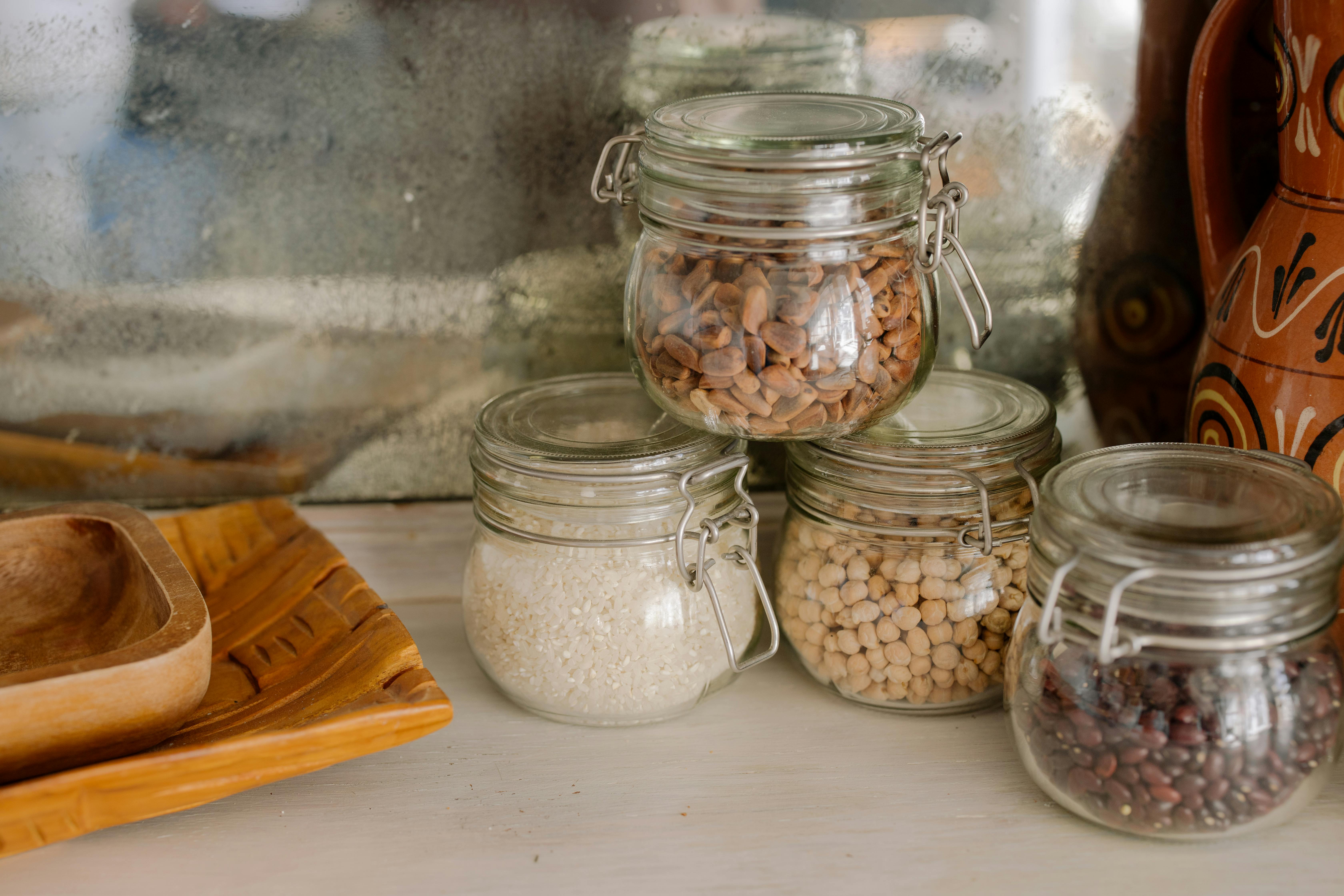
The deepest reason hardship-era foods make sense again is that they were designed by necessity for unstable conditions. They work when money is tight, when supply chains wobble, when ingredients are limited, and when households need reliability over novelty. Porridge, soups, stews, rice dishes, bean pots, preserved vegetables, and simple baked staples were never accidents of poverty alone. They were practical systems shaped by pressure.
Today's pressures are different but familiar in structure. People are navigating inflation, climate-related crop disruptions, health concerns, and crowded schedules. In that environment, resilient foods matter more than fashionable ones. A pantry built around grains, legumes, canned fish, eggs, onions, carrots, potatoes, and fermented or frozen produce is not a step backward. It is a highly adaptable strategy that can absorb shocks while still producing good meals.
There is also a cultural shift underway. Many younger cooks are rediscovering recipes from grandparents and great-grandparents, not out of nostalgia alone, but because those dishes answer present-day problems. They are affordable, flexible, and rooted in real nourishment. The foods of history's hardest years are making sense again because they solved the enduring question every era eventually faces: how to feed people well when certainty disappears.




Leave a Reply