
What used to signal hardship is now showing up on curated menus and social feeds. The return of these foods says as much about today's economy and values as it does about taste.
Rising prices are changing how people think about value
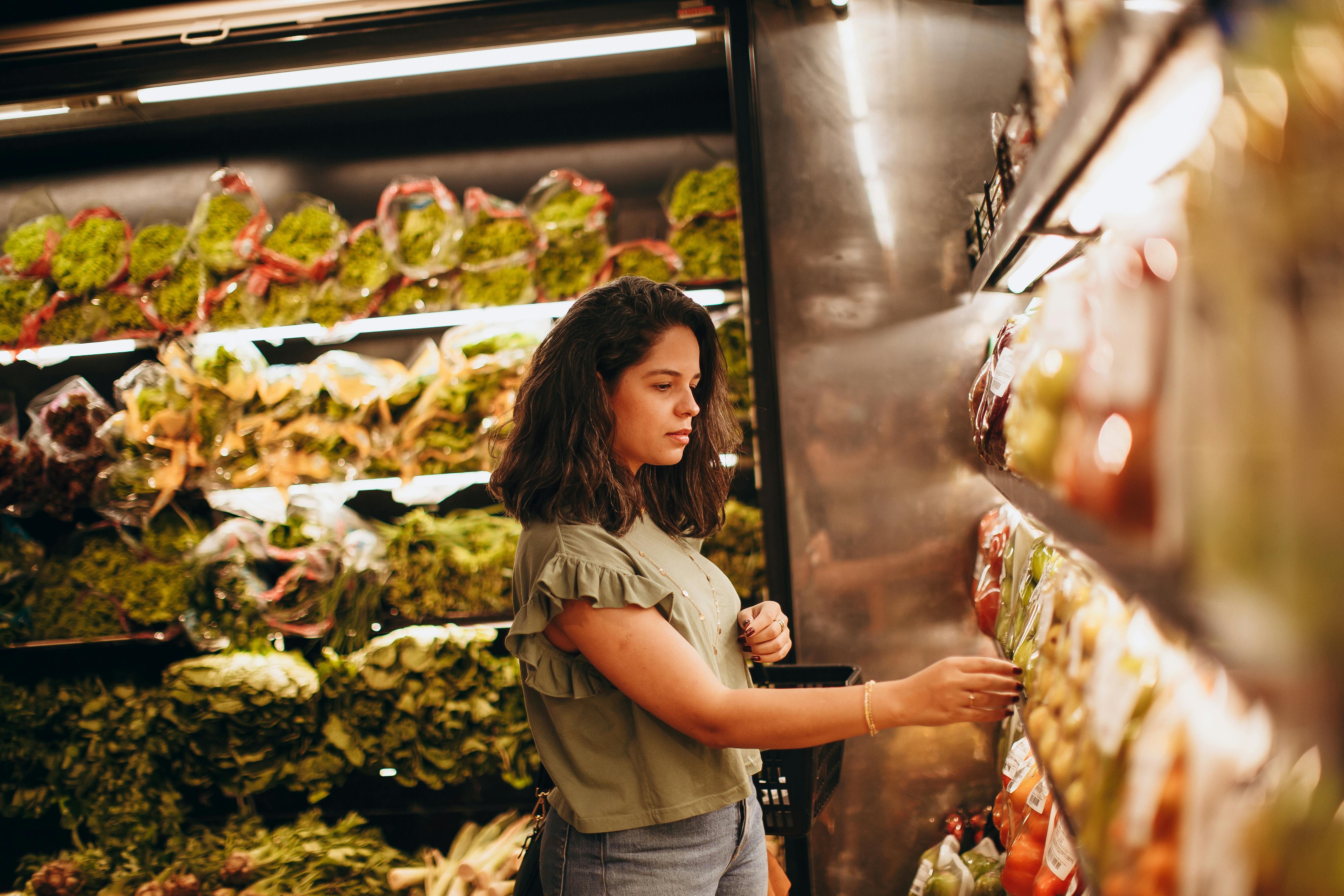
Sticker shock has a way of rewriting food culture. As grocery bills have climbed in many countries, households have started revisiting ingredients and dishes that stretch money without sacrificing comfort. Beans, lentils, canned fish, potatoes, cabbage, oats, and rice have all regained ground because they remain relatively affordable, versatile, and filling when compared with heavily processed convenience foods or premium proteins.
This shift is not just anecdotal. Food inflation over the past few years pushed consumers toward private-label groceries, bulk staples, and lower-cost proteins, according to reporting from Reuters and major market analysts. In practical terms, that means foods once dismissed as humble or old-fashioned now make economic sense again. A pot of bean soup, a tray of roasted potatoes, or a sardine sandwich can feed several people for a fraction of the cost of takeout.
There is also a psychological change happening. During periods of economic pressure, people often become more willing to separate status from usefulness. Meals built from inexpensive staples no longer automatically read as deprivation. Instead, they can look smart, grounded, and even skilled, especially when home cooks know how to season, preserve, and repurpose leftovers.
Nostalgia is giving humble dishes new cultural power
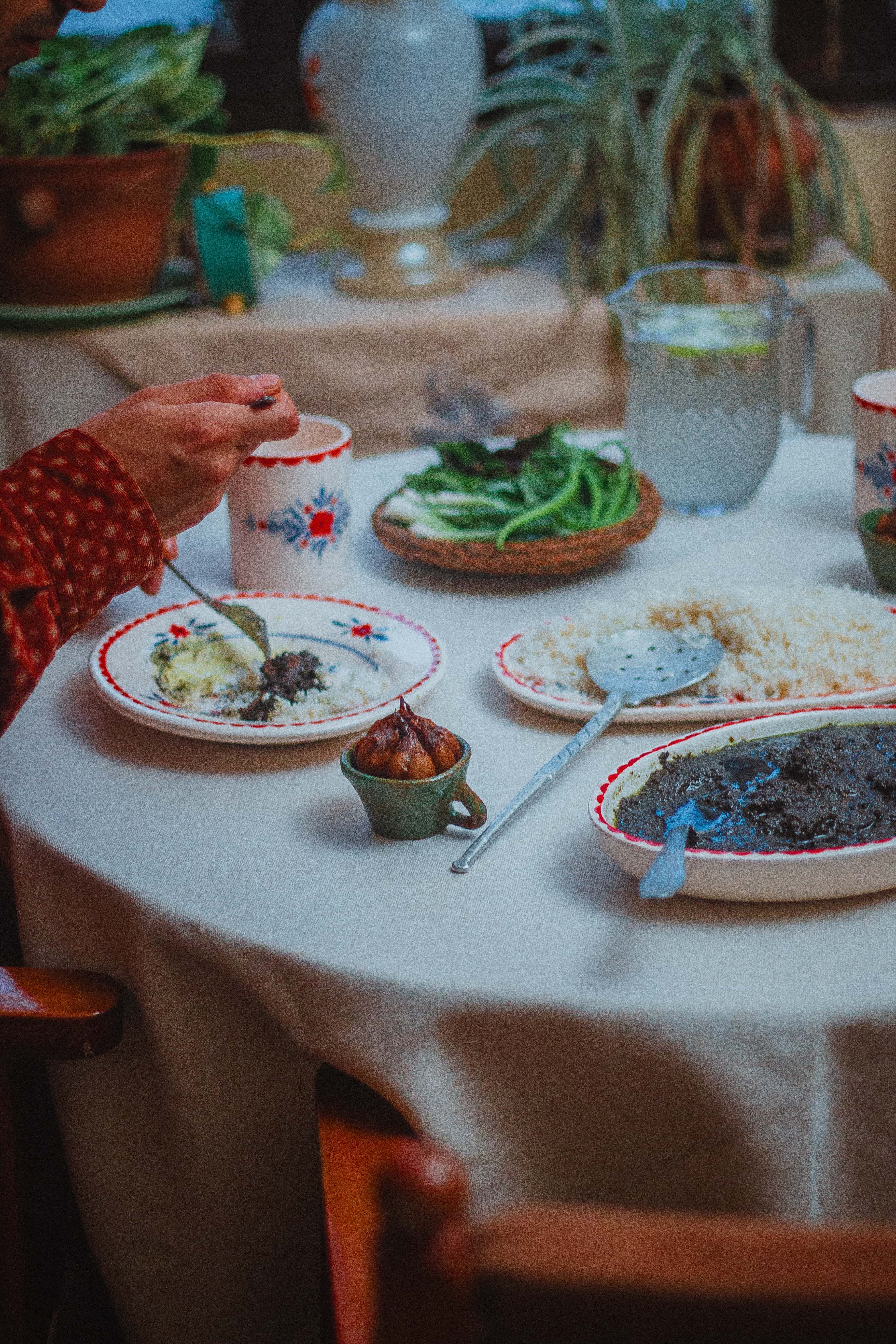
Memory is one of the strongest ingredients in food. Many so-called poor people foods carry stories of grandparents, migration, wartime rationing, rural cooking, and working-class survival. Dishes like congee, grits, polenta, split pea soup, cornbread, fried bologna sandwiches, and bread pudding are loaded with emotional meaning, and that gives them a cultural force that goes beyond price.
For younger consumers, nostalgia often arrives in two forms. One is personal, tied to family meals and childhood routines. The other is inherited, shaped by a wider fascination with heritage cooking, regional foodways, and recipes that feel more authentic than polished restaurant trends. In that environment, simple dishes gain prestige because they seem rooted, honest, and connected to real people rather than marketing.
Restaurants and cookbook authors have recognized this shift. Chefs increasingly frame modest ingredients through storytelling, emphasizing ancestry, thrift, labor, and resilience. That can be illuminating when it honors the communities that kept these dishes alive. It can also be uncomfortable when poverty is romanticized. The trend works best when it respects the original context instead of pretending hardship itself was charming.
Health trends are making basic staples look smarter
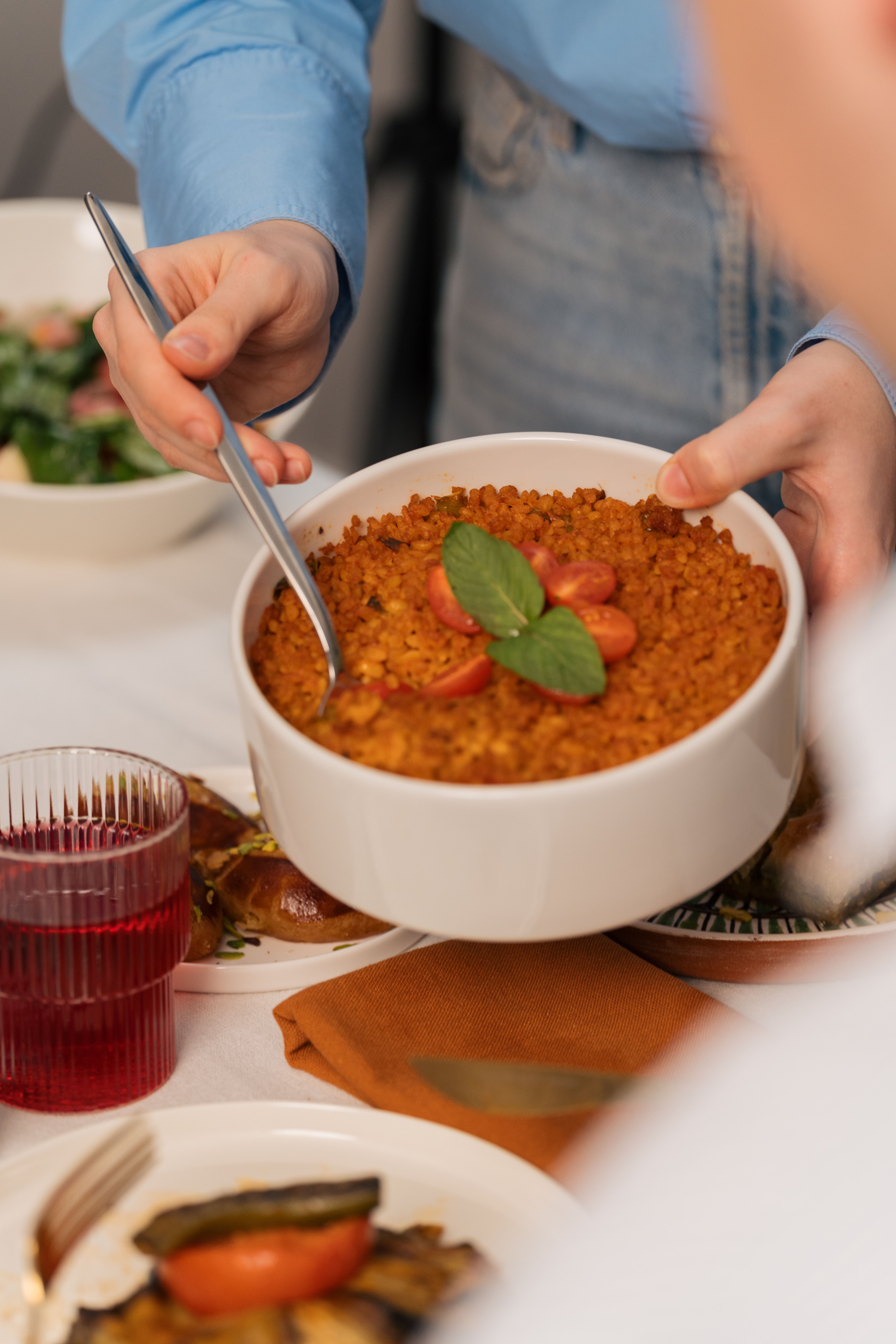
The wellness conversation has also helped these foods return. Many traditional budget staples are rich in fiber, complex carbohydrates, plant protein, and minerals. Beans and lentils are associated with heart health and blood sugar support. Oats are widely recommended for cholesterol management. Fermented and minimally processed foods, once ordinary survival foods in many homes, now fit neatly into modern ideas about gut health and whole-food eating.
That does not mean every cheap classic is automatically healthy. Some rely heavily on salt, refined starches, or processed meats, and context matters. Still, the broader shift is clear. Foods that were once looked down on for being plain are now often praised for being less processed than expensive snack foods, frozen entrées, and sugar-heavy convenience items that dominated late 20th-century shopping habits.
Nutrition experts have also emphasized satiety and balance in a way that favors these staples. A bowl of lentil stew with vegetables or rice and eggs can be nutritionally solid, inexpensive, and deeply satisfying. In an era when many consumers are skeptical of fad diets and ultra-processed products, straightforward pantry food looks less like compromise and more like common sense.
Sustainability has made thrift look modern instead of outdated

Environmental concerns have changed the reputation of frugal cooking. Foods built around legumes, grains, root vegetables, preserved fish, stale bread, and scraps align well with efforts to reduce food waste and lower the environmental footprint of diets. What earlier generations did out of necessity, many households now revisit as a deliberate ecological choice.
This is especially visible in the renewed interest in nose-to-tail cooking, broth-making, pickling, fermentation, and leftover-based meals. Dishes such as ribollita, panzanella, potato soup, and rice porridge were designed to use what was available and avoid waste. Today, that logic resonates with consumers who are trying to shop more responsibly without spending more. Frugality and sustainability are no longer seen as separate ideas.
Food media has played a role by celebrating thrift as creativity rather than lack. A cook who turns wilted greens into soup or stale bread into a salad is often described as resourceful. That language matters. It helps explain why foods once stigmatized as signs of poverty can now be reframed as practical, climate-aware, and intelligently prepared.
Restaurants and social media are reframing familiar foods

A change in presentation can transform public perception. Sardines on toast, buttered noodles, beans with herbs, cottage cheese, tomato sandwiches, and baked potatoes can all look newly desirable when served on ceramic plates under flattering light. Social media platforms have accelerated this process by rewarding foods that feel accessible, nostalgic, and aesthetically simple rather than overly elaborate.
Restaurants have been part of the same movement. Diners that once leaned on luxury signaling now often highlight "humble ingredients" and rustic techniques. Menus describe peasant soups, braised greens, offal, porridge, and bean dishes with care usually reserved for expensive cuts of meat. In many cities, chefs have turned low-cost staples into high-margin dishes by adding story, technique, and premium sourcing.
That creates a tension worth noticing. When a cheap survival food becomes expensive in a fashionable setting, the original social meaning can get blurred. Yet the popularity still reflects something real. People are hungry for food that feels understandable, emotionally resonant, and unpretentious. In a crowded food landscape, familiar staples can stand out precisely because they are not trying too hard.
The comeback reveals a deeper shift in taste and identity
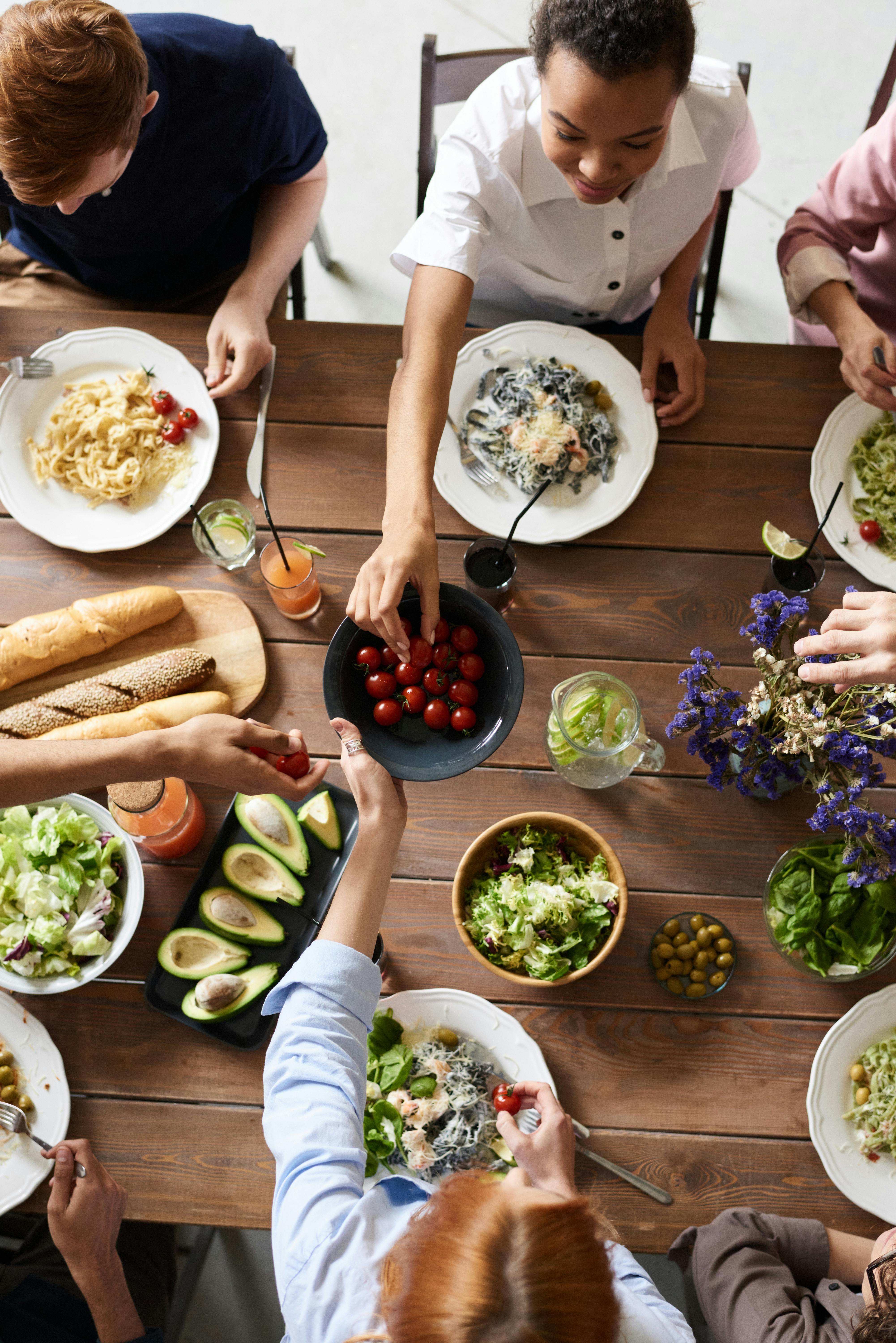
At heart, this trend is not only about saving money. It reflects a broader cultural reevaluation of what makes food worthwhile. For years, status in food often meant rarity, convenience, or obvious indulgence. Now many consumers admire meals that signal competence, tradition, sustainability, and restraint. A pot of beans can communicate all of those things at once.
There is also a class dimension that cannot be ignored. Foods tied to poverty often become celebrated only after they are rediscovered by people with more cultural or economic power. That pattern has repeated across cuisines and generations. It is worth asking who gets praised for serving these dishes, who kept them alive when they were unfashionable, and who still depends on them because budgets leave little choice.
Even so, the renewed interest can have a positive effect when it broadens appreciation and normalizes affordable, nourishing eating. It reminds people that good food does not need to be exclusive or expensive. Sometimes the smartest meal is the one generations already knew how to make with little, because little was what they had.




Leave a Reply