
Protein used to be a nutrient. Now, in many stores, it looks more like a branding strategy.
That shift helps explain why some consumers are no longer automatically impressed by "high-protein" labels.
Protein went from nutrition goal to marketing overload
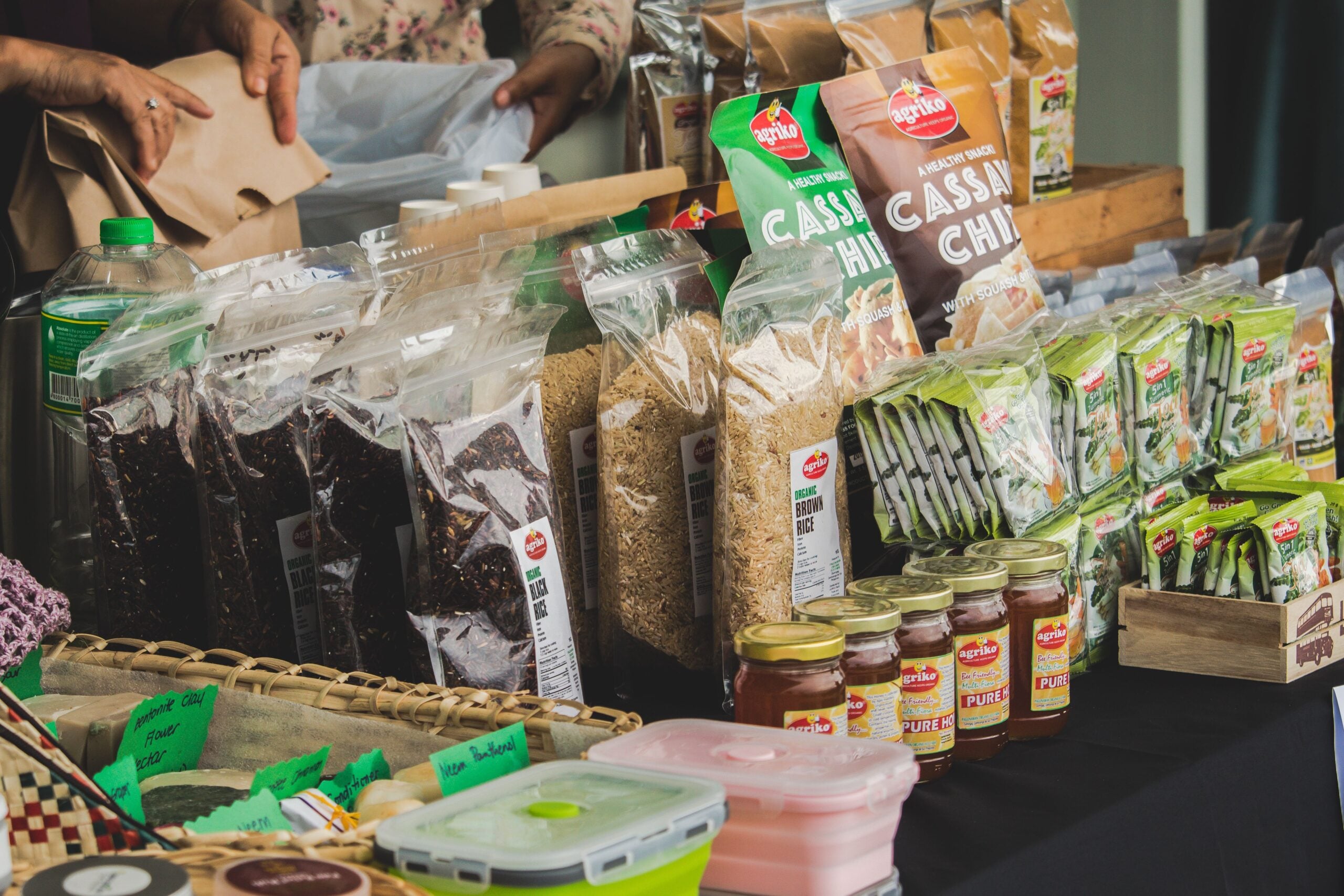
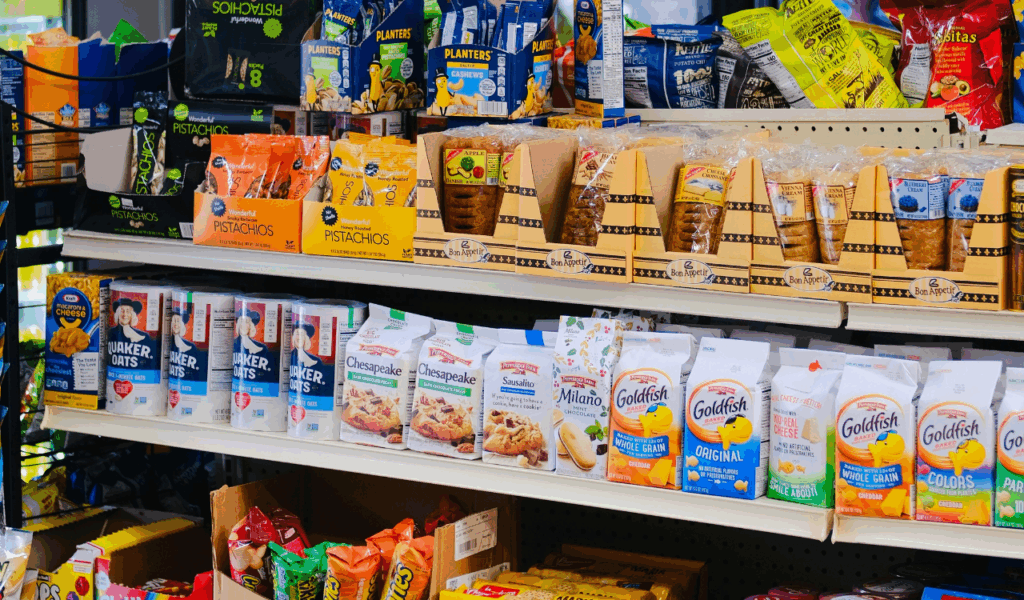
Walk through a supermarket and the pattern is hard to miss. Yogurt, cereal, pancakes, chips, ice cream, coffee drinks, and candy-style bars now compete on protein claims. What began as a useful nutrition focus for athletes, older adults, and people trying to stay full longer has expanded into almost every aisle.
Food companies had good reason to chase the trend. Surveys from groups such as the International Food Information Council have repeatedly shown that many consumers view protein as strongly positive, often more so than other nutrients. That made protein one of the easiest ways to signal health, strength, and satiety in a few words on a package.
But saturation has changed the mood. When nearly everything is "protein packed," some shoppers start to wonder whether the label still means much. A frozen waffle with added whey may contain more protein than before, yet that does not automatically make it a better overall food.
This is one source of pushback. Consumers are not rejecting protein itself. They are reacting to the feeling that a real nutritional concept has been stretched into a catchall sales pitch.
Many shoppers are questioning whether they need that much protein

A second reason for the backlash is simple: people are asking whether the average person actually needs all this extra protein. For some groups, the answer is clearly yes. Athletes in hard training, older adults trying to preserve muscle mass, and people recovering from illness may benefit from higher intake.
For many healthy adults, though, the gap between what they need and what they eat is often smaller than marketing suggests. Public health data in the United States has long shown that most adults already meet or exceed baseline protein requirements. The exception is not usually the average shopper buying snacks and cereals.
That matters because the language around protein often implies deficiency where none exists. A person eating eggs, dairy, beans, fish, meat, soy, nuts, and grains through a normal day may already get enough without a special cookie or ultra-filtered beverage.
Consumers are becoming more nutrition-literate, and that literacy is fueling skepticism. Instead of asking, "How can I add protein to everything?" more people are asking, "Do I actually need this product, or am I just paying for a label?"
The health halo is starting to crack
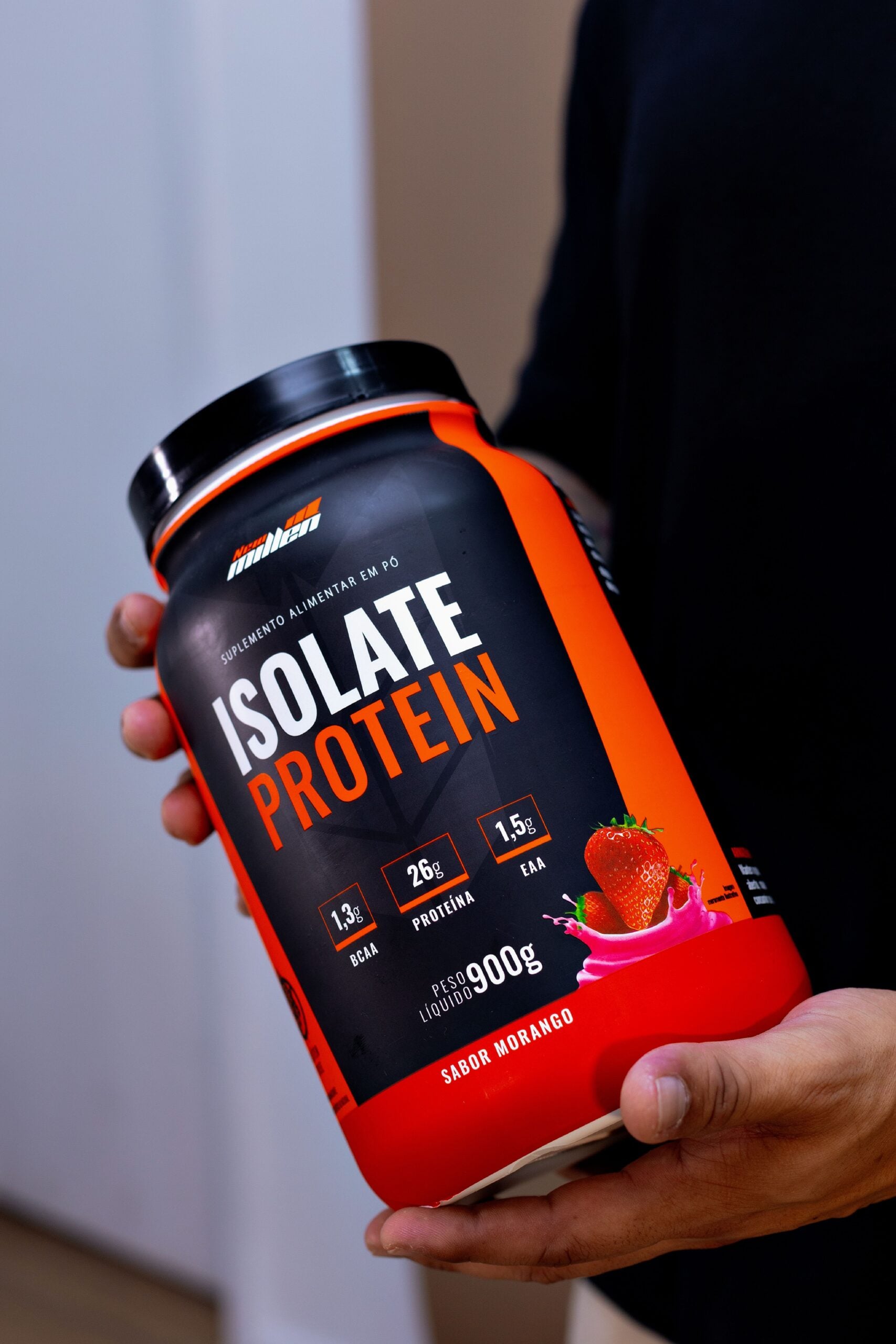
One of the strongest criticisms of high-protein foods is that the protein claim can distract from the rest of the ingredient panel. A product may be high in protein while also being high in added sugar, saturated fat, sodium, or sugar alcohols. That does not make it useless, but it does weaken the idea that protein alone signals health.
Nutrition experts have warned about this "health halo" effect for years. The concern is not that protein is unhealthy. It is that consumers may overlook a food's full nutritional profile once a positive claim appears on the front of the package. A dessert with 15 grams of protein can still function nutritionally like a dessert.
This issue shows up clearly in snack foods and drinks. Some protein bars contain ingredient lists more similar to confectionery products than minimally processed foods. Some protein coffees and shakes pack enough sweetener and additives to make cautious shoppers hesitate, especially those with digestive sensitivities.
As a result, pushback is becoming more nuanced. Consumers are not saying protein is bad. They are saying protein should not be used to mask the fact that a product is still highly processed or nutritionally unbalanced.
Price, processing, and taste are becoming bigger concerns
Shoppers are also noticing that high-protein often means higher-priced. Adding dairy protein isolates, whey concentrate, pea protein, or collagen can raise manufacturing costs, and brands frequently pass those costs on. In a period of grocery inflation, many consumers are comparing a premium protein snack to cheaper whole-food options and deciding the math does not work.
Processing is another sticking point. The more companies fortify ordinary foods with isolates and concentrates, the more some buyers feel they are moving away from recognizable food. This concern overlaps with the broader consumer shift toward shorter ingredient lists and less processed products, even if the term "ultra-processed" is still debated by scientists.
Then there is the taste problem. Protein fortification can create chalky textures, artificial sweetness, graininess, or a lingering aftertaste. Many consumers have tolerated those flaws when the products felt novel or useful, but patience fades when every category starts making the same promise.
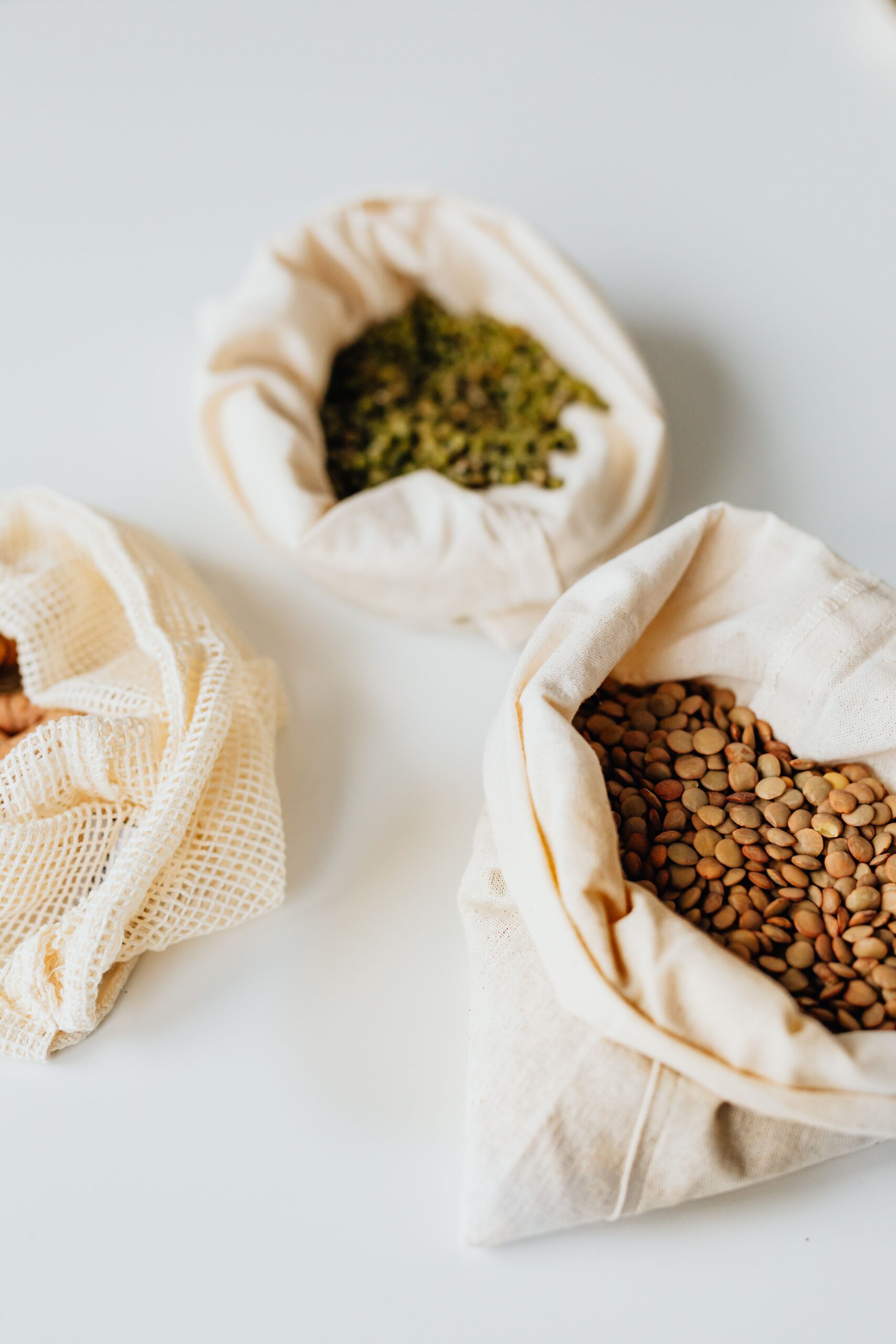
That combination of cost, texture, and ingredient complexity is powerful. A plain tub of Greek yogurt, cottage cheese, lentils, tofu, or eggs can seem more appealing than a pricey protein cookie that tastes engineered.
Environmental and ethical questions are shaping the debate
Another source of resistance comes from what protein means beyond personal nutrition. Some consumers are asking where that protein comes from and what it costs environmentally. Dairy-based proteins such as whey and casein remain popular in many products, but animal agriculture carries emissions, water-use, and land-use concerns that matter to climate-conscious shoppers.
Plant protein is often presented as the answer, yet even that story is more complex than marketing suggests. Pea, soy, and other plant isolates can reduce reliance on animal sources, but consumers still question how heavily processed these ingredients are and whether they are being added simply to chase trends. "Plant-based" and "high-protein" together do not automatically settle the issue.
Ethics also enter the conversation through animal welfare, labor practices, and corporate transparency. Consumers who care about food systems increasingly want more than a macro count. They want to know whether a product aligns with their values on sourcing and manufacturing.
This broader lens changes how protein claims are received. What once looked like a straightforward benefit now sits inside a bigger conversation about sustainability, industrial food production, and trust.
The pushback is really a demand for better food, not less protein
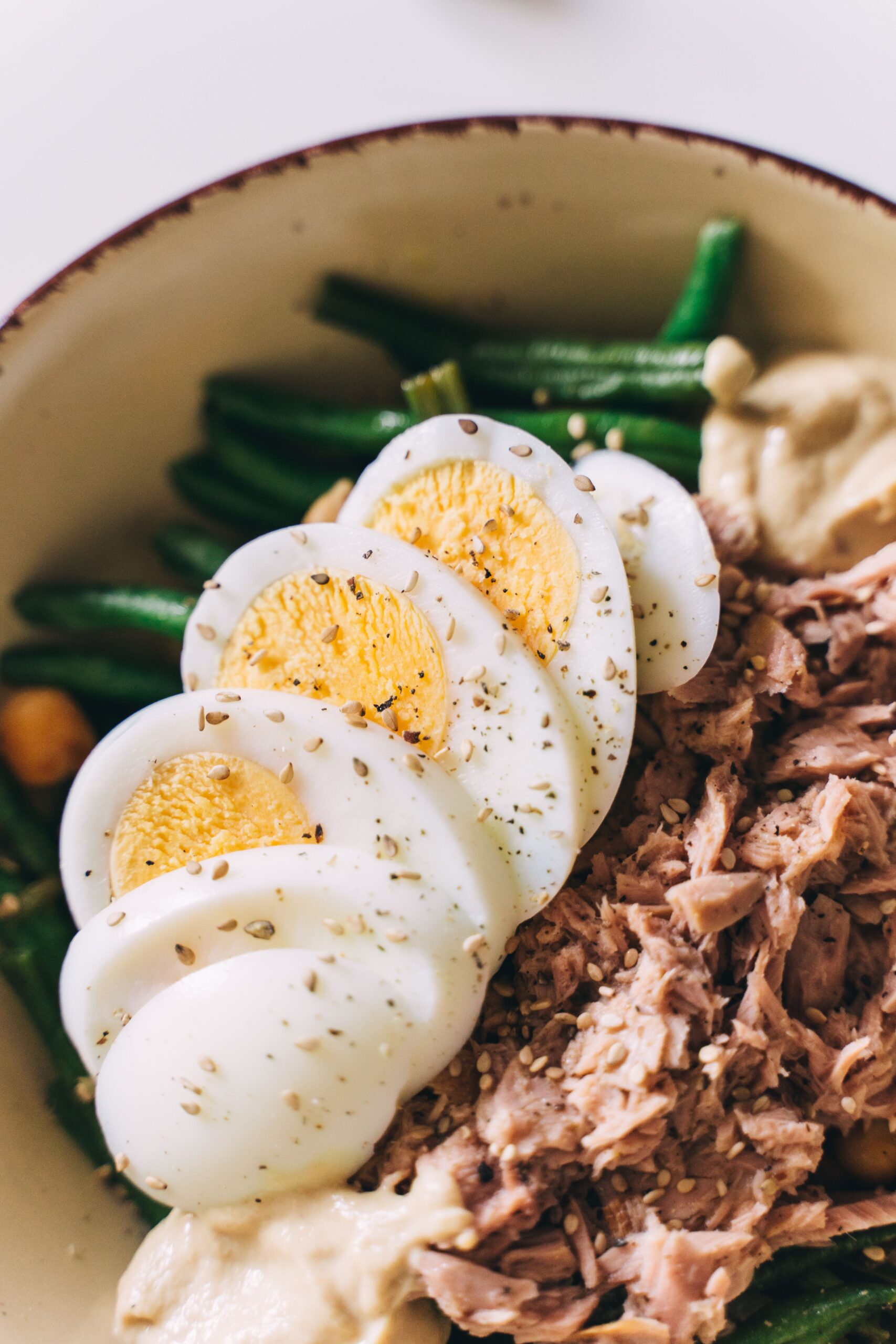
In the end, the consumer shift is less anti-protein than anti-exaggeration. People still care about staying full, supporting muscle health, and eating balanced meals. What they are resisting is the idea that every food needs a protein upgrade to deserve shelf space.
This has real implications for brands. Companies that rely on oversized claims and thin nutritional substance may find that shoppers are less easy to persuade than they were a few years ago. Brands that pair protein with strong overall nutrition, simple ingredients, better flavor, and realistic messaging are more likely to keep consumer trust.
There is already evidence of this recalibration in the market. Retailers and manufacturers are putting more emphasis on whole-food protein sources, cleaner labels, and products that meet several needs at once, such as fiber, lower sugar, and satiety. The message is becoming less about maximum protein and more about overall quality.
That is why the backlash matters. It signals a maturing food culture in which consumers are looking past the front-of-pack buzzword and asking a sharper question: is this actually a good food, or just a good pitch?




Leave a Reply