
In some Canadian clinics, the prescription pad now points to the checkout aisle. That change says a lot about how medicine is starting to treat hunger as a direct health risk.
Food insecurity is showing up in the exam room

What used to be seen as a social problem outside the clinic is now landing squarely inside it. Canadian doctors are increasingly seeing patients whose blood sugar, blood pressure, pregnancy outcomes, and mental health are being shaped by something basic: they cannot reliably afford food.
Statistics Canada and public health research have repeatedly shown that food insecurity affects millions of Canadians, with rates often higher among renters, single-parent households, Indigenous communities, newcomers, and people living on fixed or low incomes. For physicians, that data becomes real when patients skip meals, ration insulin because they are eating less, or cannot follow dietary advice for heart disease because healthier food costs more.
That is why some doctors are prescribing grocery store vouchers. The vouchers are not replacing medicine. They are addressing a barrier that can make medicine less effective in the first place.
Why doctors see food as treatment, not charity

A growing body of evidence supports what many front-line clinicians have long observed: food insecurity is closely linked to worse health outcomes and higher health care use. People who do not have consistent access to nutritious food are more likely to develop chronic disease, experience stress and depression, and end up in emergency departments or hospitals.
From a medical standpoint, this makes food an intervention. If a pregnant patient cannot afford enough protein and fresh produce, or a person with diabetes is choosing between rent and groceries, advice alone will not solve the problem. A voucher can immediately improve access to calories and nutrients that support treatment goals.
Many doctors are careful to frame these programs as part of care, not as a handout. That distinction matters because it reduces stigma and recognizes that health is shaped by living conditions as much as by prescriptions and procedures.
How grocery voucher programs actually work
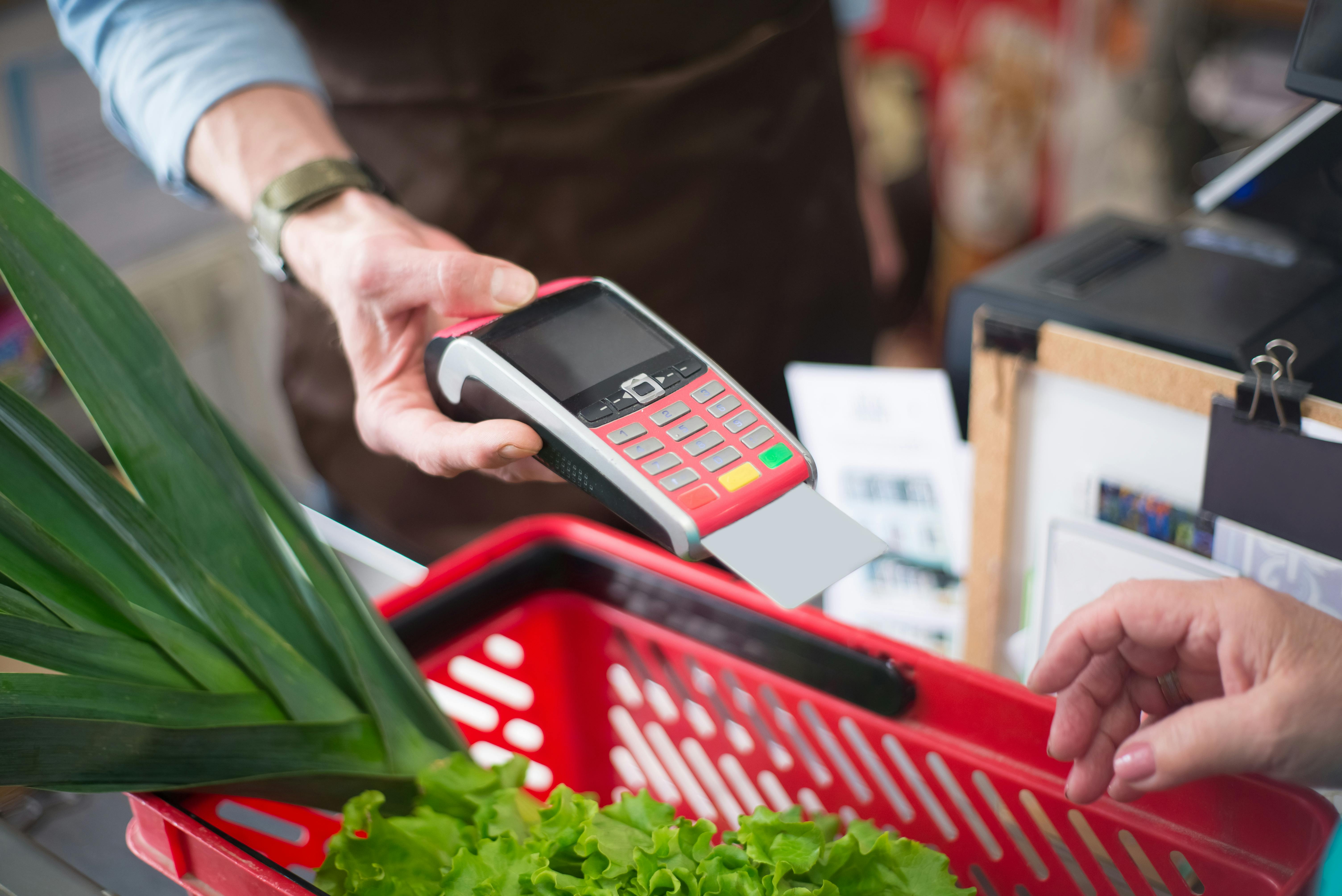
The model varies by clinic and community, but the idea is simple. A physician, nurse practitioner, dietitian, or social worker identifies a patient facing food insecurity, then connects that person with grocery support, often in the form of prepaid vouchers or cards redeemable at local stores.
Some programs are funded through hospital foundations, research projects, community health centres, philanthropy, or partnerships with nonprofits. Others are tied to broader social prescribing efforts, where clinicians refer patients to nonmedical supports such as exercise programs, housing navigation, or community meal services.
In practice, vouchers can be especially useful because they preserve choice. Unlike prepacked food hampers, they allow families to buy culturally familiar foods, accommodate allergies, and shop for infants, seniors, or people with medical diets in ways that fit real household needs.
Who is most likely to benefit

The strongest impact tends to appear where the health stakes are highest. Pregnant patients, children, seniors, and people managing chronic illnesses often benefit quickly because missed meals or poor nutrition can worsen conditions fast.
Doctors also see value for patients with diabetes, cardiovascular disease, kidney disease, and gastrointestinal disorders, where food is tightly linked to symptom control. If someone is told to eat more fibre, reduce sodium, or maintain regular meals but cannot afford those options, treatment plans can fall apart.
There is also a mental health dimension. Constant worry about groceries is a major source of stress, and that stress can aggravate anxiety, depression, and sleep problems. Even temporary food support can create breathing room that helps patients stabilize.
What this says about Canada's health system

These prescriptions are innovative, but they also reveal a deeper policy failure. Doctors would not need to write grocery vouchers if income supports, housing affordability, disability benefits, and social assistance were strong enough to protect people from hunger.
Many clinicians openly acknowledge that vouchers are a short-term response to a structural problem. Food banks and charitable programs can help in emergencies, but they do not solve the underlying income gap that drives food insecurity. Public health experts in Canada have argued for years that the most effective solution is better income policy, not just more food charity.
So the vouchers carry a double message. They show compassion and practical problem-solving at the bedside, but they also expose the limits of a health system trying to treat illnesses that are being produced by economic hardship.
Where this approach may go next

The idea is likely to grow as social prescribing becomes more common across Canada. Health teams are under pressure to reduce preventable hospital visits and improve chronic disease outcomes, and targeted food support is one tool that can help when used carefully.
The next challenge is evidence and scale. Policymakers and health leaders will want stronger Canadian data on which patients benefit most, how long support should last, and whether grocery prescriptions lower total system costs over time. Early programs are promising, but they remain uneven and often dependent on local funding.
Even so, the logic is hard to ignore. When doctors prescribe grocery vouchers, they are recognizing a simple medical truth: people cannot eat advice, and recovery is much harder when the fridge is empty.




Leave a Reply