
Fresh groceries are no longer only a southern convenience. With PC Express now reaching the Yukon and Northwest Territories, one of Canada's biggest grocery services has crossed a logistical frontier many retailers long avoided.
Why this expansion matters

Northern grocery access has always been shaped by distance, weather, and cost. For many households in Whitehorse, Yellowknife, and smaller communities connected to larger hubs, routine food shopping can demand more time, planning, and flexibility than it does in major southern cities.
That is why PC Express moving into the Yukon and Northwest Territories matters beyond simple convenience. It signals that mainstream grocery e-commerce is beginning to treat northern markets as viable and deserving of the same digital access customers elsewhere already expect.
The significance is also symbolic. When a major grocer extends delivery farther north, it suggests confidence that the customer base, logistics model, and local retail support are strong enough to sustain service in regions often described as too difficult or too expensive to serve consistently.
How PC Express likely made the model work

The key to getting grocery delivery into the North is not sending every order from a distant warehouse. A far more practical model uses existing local stores as fulfillment points, allowing staff to pick, pack, and hand off orders without building an entirely new supply chain from scratch.
That approach is central to how PC Express has expanded in many markets across Canada. By layering digital ordering onto stores already supplied by Loblaw-affiliated distribution systems, the company can enter new regions faster while keeping capital costs lower than a warehouse-only rollout would require.
Delivery itself is usually the harder piece. In remote markets, grocers often rely on third-party last-mile partners, smaller delivery fleets, or carefully limited service areas so orders can arrive within acceptable time windows while cold-chain standards for frozen and refrigerated goods are maintained.
Geography is the real story

The Yukon and Northwest Territories present conditions unlike dense urban centres. Distances are longer, road links are fewer, and severe winter weather can disrupt schedules with little warning, making grocery delivery planning much more complex than simply adding a new postal code to a service map.
Even in territorial capitals, the economics differ from Toronto, Vancouver, or Calgary. Lower population density means fewer orders per route, which raises delivery costs per basket and forces operators to think carefully about order minimums, service fees, cut-off times, and staffing.
Air freight and seasonal supply pressures also shape what customers can order and when they can get it. If inbound shipments are delayed, digital inventory has to adjust quickly. That makes accurate stock systems and realistic substitution policies essential to preserving customer trust in remote markets.
Partnerships probably did the heavy lifting
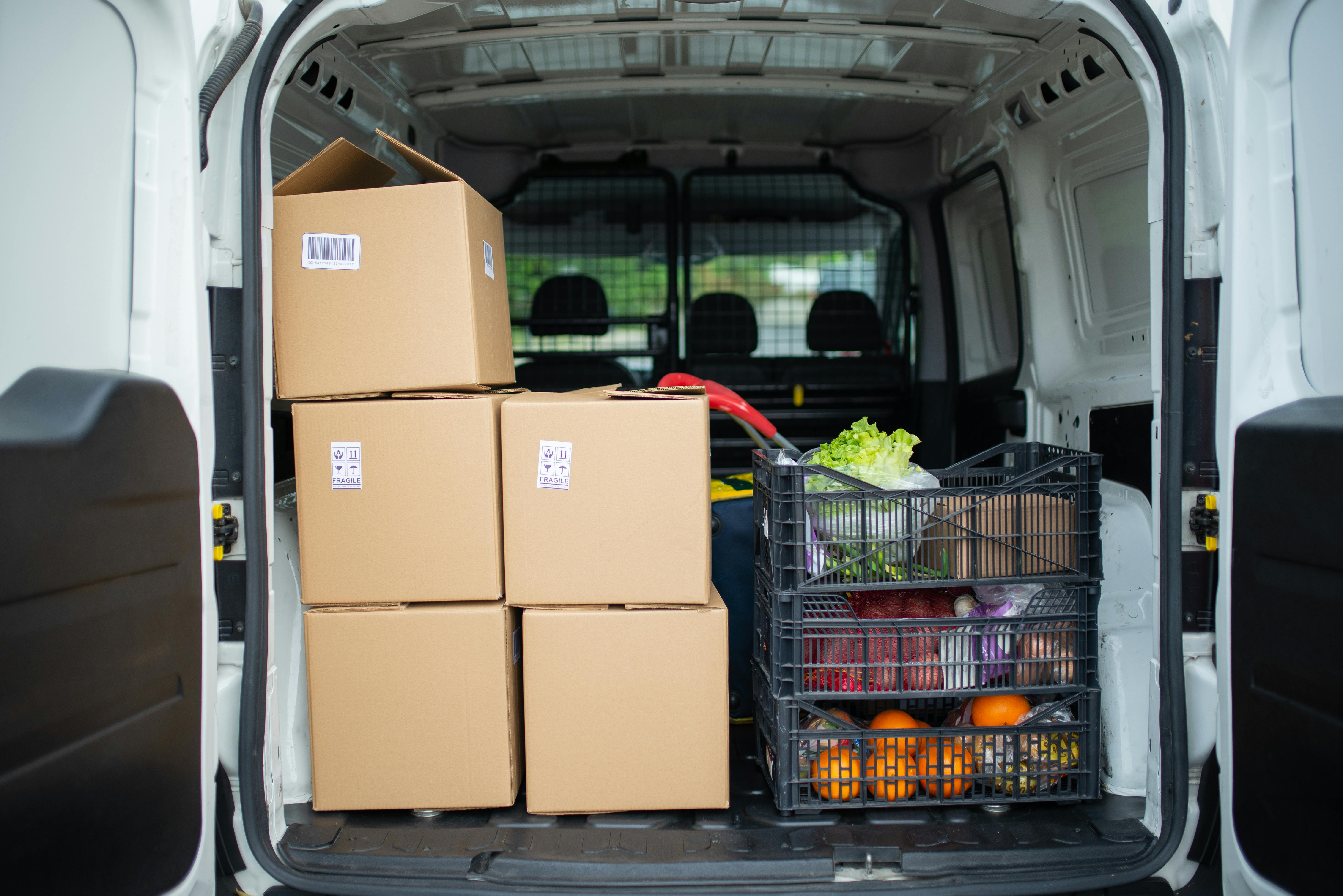
Retail expansion into remote regions rarely happens through one company acting alone. The most durable northern models typically depend on a mix of local store operations, national technology platforms, regional transportation networks, and delivery specialists that understand the realities of serving cold, dispersed communities.
PC Express has long operated as a platform rather than a one-size-fits-all fleet. In practice, that means the app, payments, promotions, and loyalty systems can remain consistent while the physical movement of groceries is adapted to local conditions through store teams and contracted delivery providers.
That flexibility is what likely opened the door in the territories. Instead of forcing a southern operating template onto northern communities, PC Express could extend a familiar consumer interface while tailoring fulfillment and drop-off practices to road conditions, staffing availability, and local demand patterns.
What shoppers in the North can expect

For customers, the immediate benefit is easier planning. Families can browse inventory, compare prices, load weekly staples, and schedule delivery without walking every aisle, a practical advantage for parents, seniors, shift workers, and anyone trying to avoid extra trips in harsh weather.
Selection, however, may not mirror a major city store. Northern delivery services often launch with tighter assortments, more conservative delivery windows, and substitution rules that reflect supply uncertainty. In that sense, reliability often matters more than promising every possible product on day one.
Over time, usage data can improve the service. As order patterns become clearer, retailers can refine stock levels, route design, and promotional offers. That feedback loop is especially important in smaller markets, where understanding exactly what local households buy can determine whether expansion remains sustainable.
A sign of where Canadian grocery is heading

This rollout points to a larger change in Canadian retail. Grocery e-commerce is maturing from an urban convenience service into a broader access model, reaching places that once sat outside standard digital delivery maps because the business case seemed too weak or too complex.
If the territorial launch performs well, other retailers will study it closely. Success would show that remote grocery delivery does not always require massive new infrastructure, only disciplined execution, strong local partnerships, and a willingness to adapt service promises to geographic reality.
For northern consumers, that is the most important takeaway. PC Express getting to the Yukon and Northwest Territories is not just a new app feature. It is evidence that large retailers are beginning to design for Canada as it actually is, not only for its biggest metropolitan markets.



Leave a Reply