
Canada's legal cannabis market is changing in plain sight. Edibles are no longer a niche add-on, but a major part of how adults choose to consume cannabis.
Edibles Have Moved Into the Mainstream
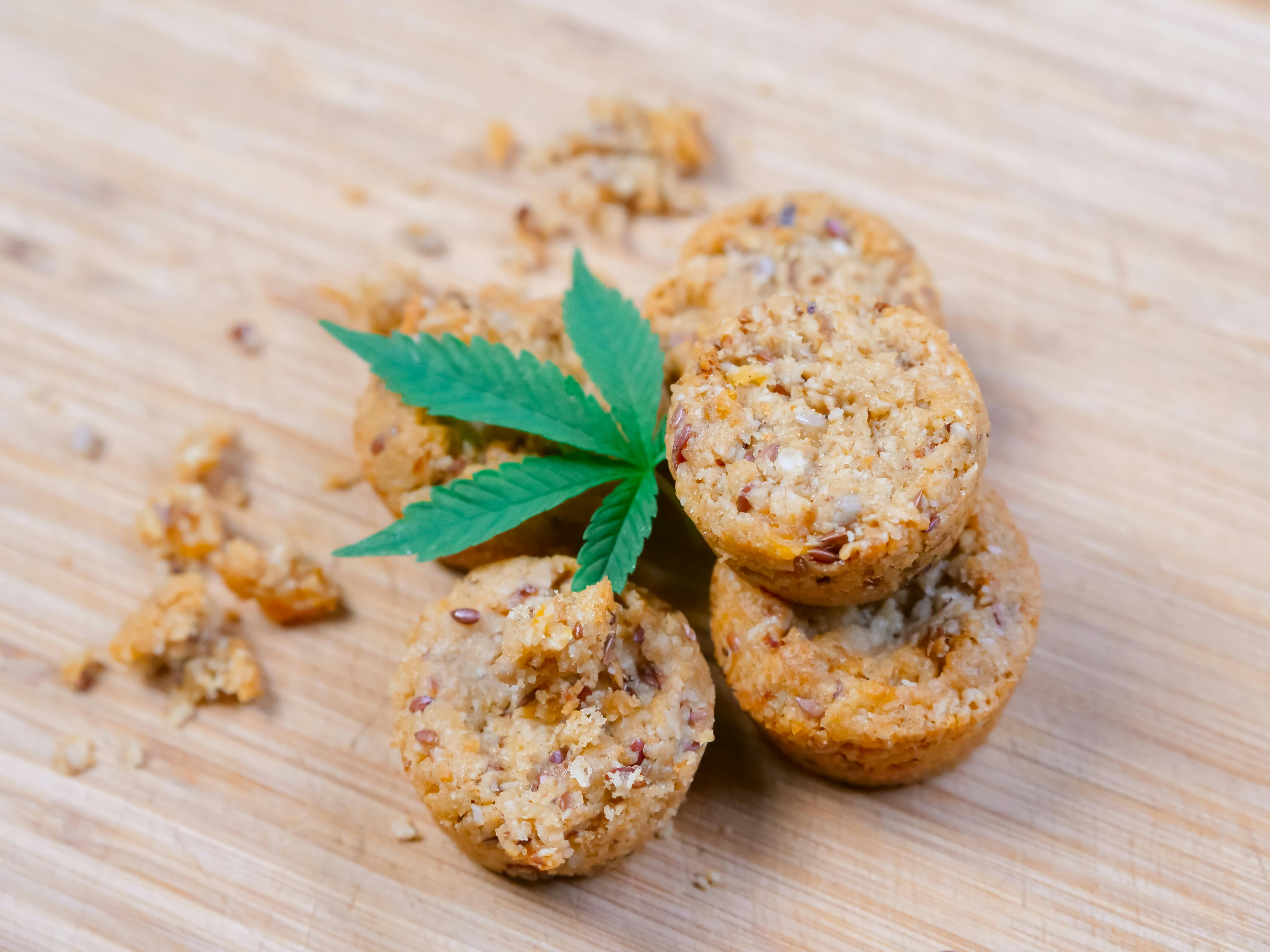
What stands out first is the scale of the shift. When edibles make up 24% of non-medical cannabis sales in Canada, that signals more than curiosity or novelty. It shows that a large share of buyers now see gummies, chocolates, baked goods, and beverages as standard products within the legal market.
That rise reflects a broader normalization of alternative formats. Many consumers want options that do not involve smoking or vaping, especially those concerned about odor, discretion, or irritation from inhalation. Edibles answer those concerns in a way flower often cannot.
The legal system also helped make this possible. Since Health Canada opened the door to so-called Cannabis 2.0 products, licensed producers and provincial distributors have built out a broad edible lineup. Over time, better packaging, clearer labeling, and more consistent dosing made the category easier for casual buyers to trust.
Why Consumers Are Choosing Edibles

The biggest driver is simple convenience. Edibles are portable, easy to store, and simple to use without additional gear. For many adults, that makes them a more approachable entry point than dried flower, pre-rolls, or vape cartridges.
Another powerful factor is discretion. A gummy or cannabis beverage can fit into a routine with far less social visibility than smoking. That matters in shared housing, dense urban areas, and settings where lingering smell is a concern.
There is also a wellness-adjacent appeal, even if edibles are not health products. Some consumers prefer measured doses and a smoke-free format, particularly older adults entering the legal market for the first time. In this sense, edibles have widened cannabis appeal beyond the traditional recreational customer.
Regulation Shaped the Category's Growth

Canada's edible market did not grow in a vacuum. Federal rules imposed strict limits, including a cap of 10 mg of THC per package for many edible products. While some consumers initially found that restrictive, the rule also created a predictable framework that reduced the risk of overly potent legal offerings.
That consistency has been important for building confidence. In the illicit market, product strength and labeling can vary widely. In the regulated system, buyers know more clearly what they are getting, and that reliability matters in a category where onset time can be delayed and effects can last longer.
Provincial retail systems also played a role. Whether through government-run online stores or private retail networks, legal channels gave edibles shelf space and visibility. As stores expanded education around dosing and delayed effects, the category became easier for newcomers to navigate.
Product Innovation Is Keeping Sales Strong

The edible category has grown because producers learned quickly. Early legal offerings were often criticized for limited variety, uneven texture, or slow product rollout. Today, the market looks much more polished, with soft chews, fruit gummies, chocolates, mints, and cannabis-infused beverages competing for shelf space.
Taste and consistency now matter as much as cannabinoid content. Brands that can deliver reliable flavor, stable texture, and repeatable experiences are far more likely to retain customers. This is especially true for occasional users who may care more about comfort and predictability than maximum potency.
Pricing has improved too. As the market matured and competition intensified, many edible formats became more affordable. That helped legal products better compete with unregulated sellers, although price pressure remains a constant issue across Canada's cannabis industry.
What the 24% Share Says About the Market

A 24% share suggests the legal market is diversifying beyond its original dependence on dried flower. That is important because mature consumer industries tend to expand through format choice, not just raw volume. Edibles represent one of the clearest signs that cannabis in Canada is behaving more like a developed consumer packaged goods sector.
It also suggests legal operators are meeting people where they are. Not every consumer wants the strongest product or the fastest onset. Many want moderation, familiarity, and a controlled experience, and edibles fit those preferences well.
For retailers, this changes merchandising and education priorities. Staff need to explain onset time, dosing, and product differences clearly. Stores that do this well are better positioned to convert first-time edible buyers into repeat customers.
The Next Stage of Growth in Canada
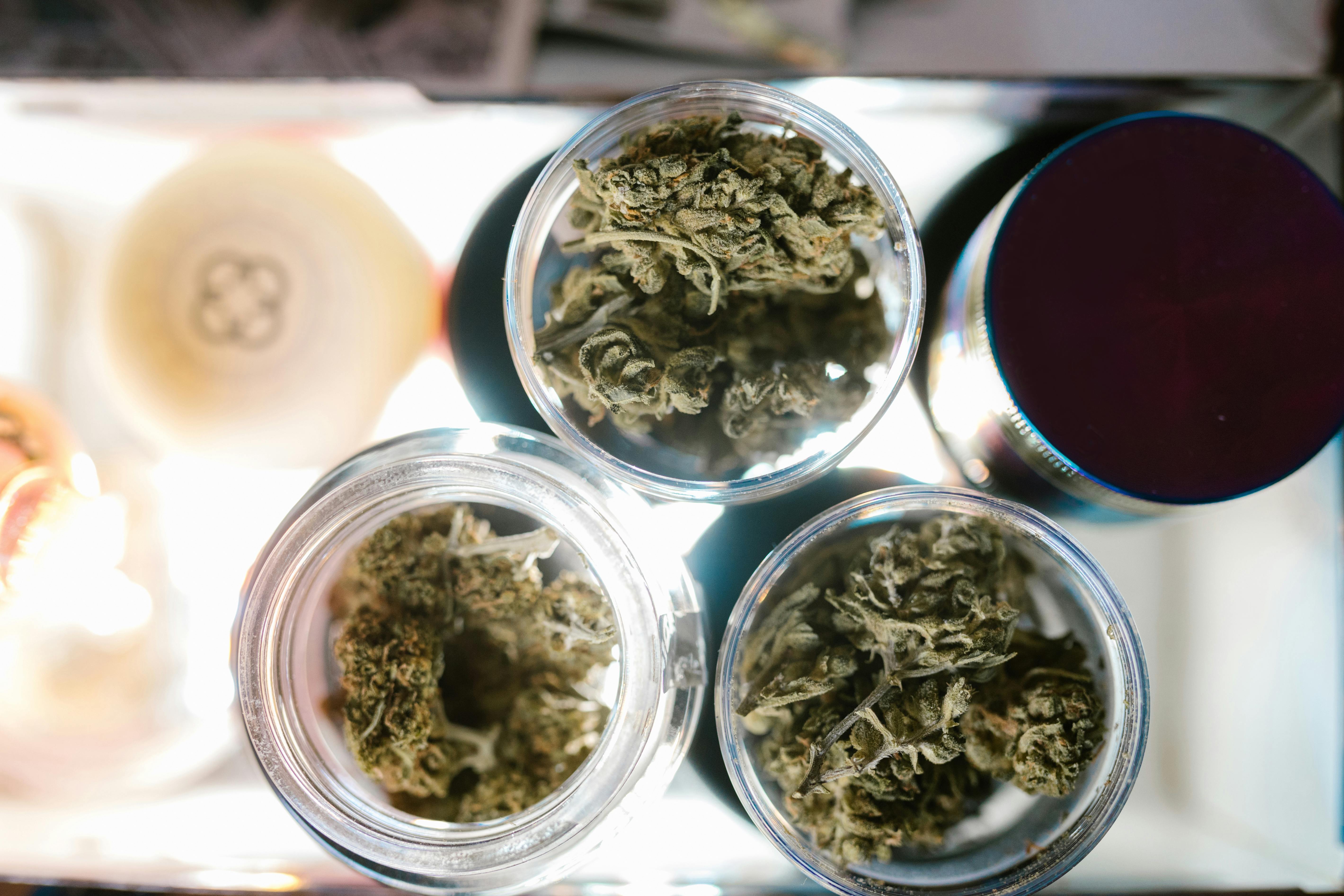
The next question is whether edibles can expand further from 24% or whether the category is nearing a natural ceiling. Much will depend on regulation, product quality, and how effectively legal brands compete on value. If prices continue to improve and innovation remains steady, edibles could take an even larger share.
There are still constraints. THC limits cap intensity, and some experienced consumers continue to seek stronger products outside the legal channel. At the same time, overconsumption risks remain real when inexperienced users misunderstand delayed onset.
Even so, the long-term direction appears clear. Edibles have secured a meaningful place in Canada's non-medical cannabis economy, and their rise reflects a market becoming broader, more sophisticated, and more responsive to different kinds of adult consumers.




Leave a Reply