
Canada's wartime table was shaped as much by paper pamphlets as by ration books. In kitchens from Halifax to Vancouver, cookbooks became quiet tools of national change.
The Canada Food Rules turned nutrition into a patriotic duty
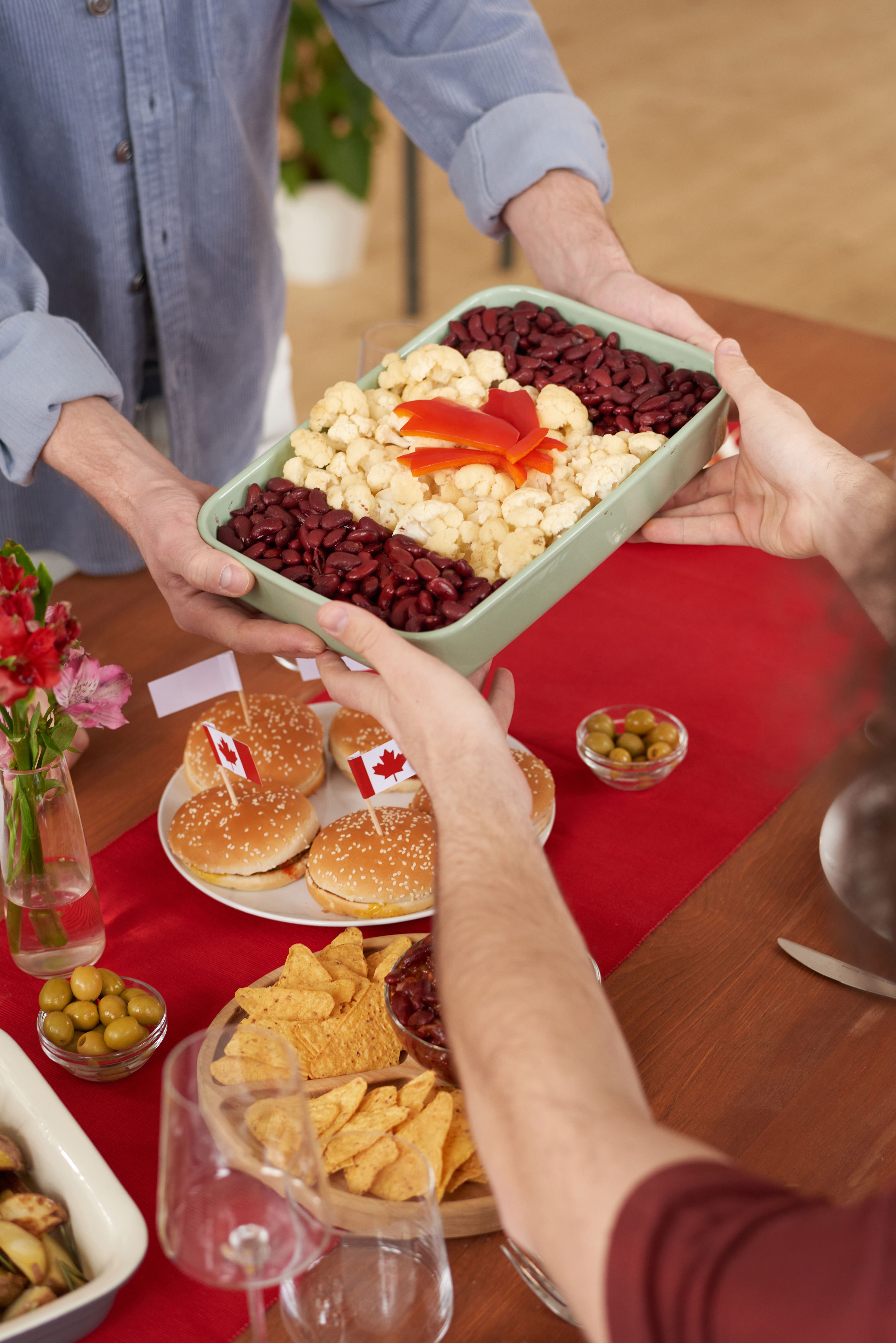
Before many wartime pamphlets taught recipes, official nutrition guides taught Canadians how to think about food. The 1942 Canada Food Rules, issued by the federal government, framed good eating as essential to civilian strength, factory output, and military readiness.
Its advice was direct: drink milk daily, eat vegetables and fruit often, include cereals and bread, and make room for protein foods within ration limits. That approach pushed families toward balanced meals instead of the meat-heavy plates many had preferred before the war.
The longer impact was profound. Wartime nutrition messaging helped normalize regular breakfasts, school lunches planned around food groups, and the idea that mothers should measure health by dietary balance, not simply fullness.
Chatelaine's wartime cookbooks made substitution cooking feel modern
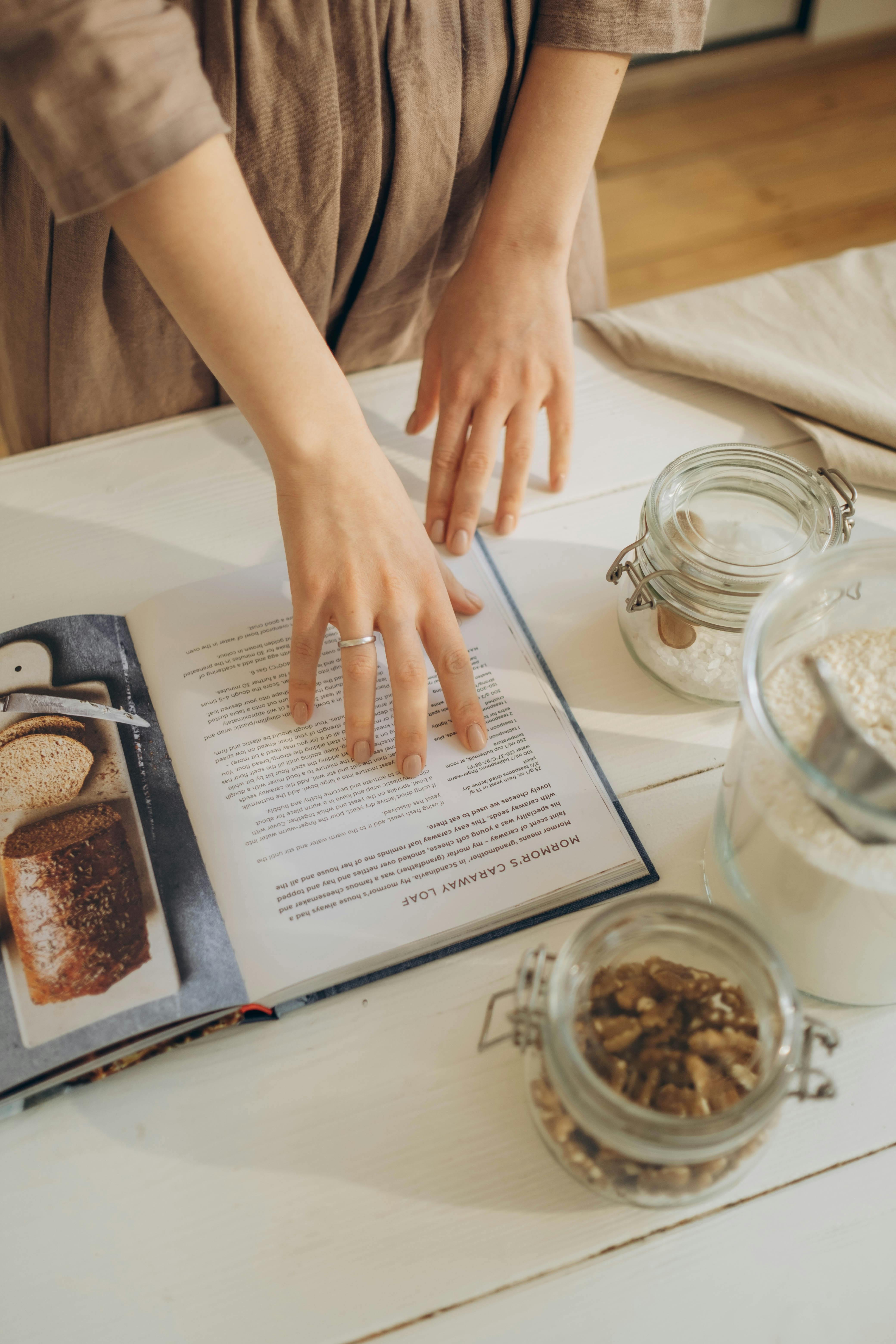
If official guides supplied rules, women's magazines supplied confidence. Chatelaine's wartime recipe collections and household booklets translated rationing into attractive, usable menus for urban and suburban households trying to cook with less butter, sugar, and meat.
Editors promoted substitution as skill, not deprivation. Honey, corn syrup, molasses, and fruit were used to stretch sugar, while drippings and vegetable fats stood in for scarce butter. Recipes for casseroles, steamed puddings, and loaf dishes reflected the need to make little amounts go further.
That mattered culturally because it changed taste. A generation learned that stews, scalloped dishes, and modest desserts were not merely second-best food. They became standard family fare, especially in middle-class homes managing both budgets and wartime expectations.
The Five Roses Cook Book helped Canadians cook from pantry staples
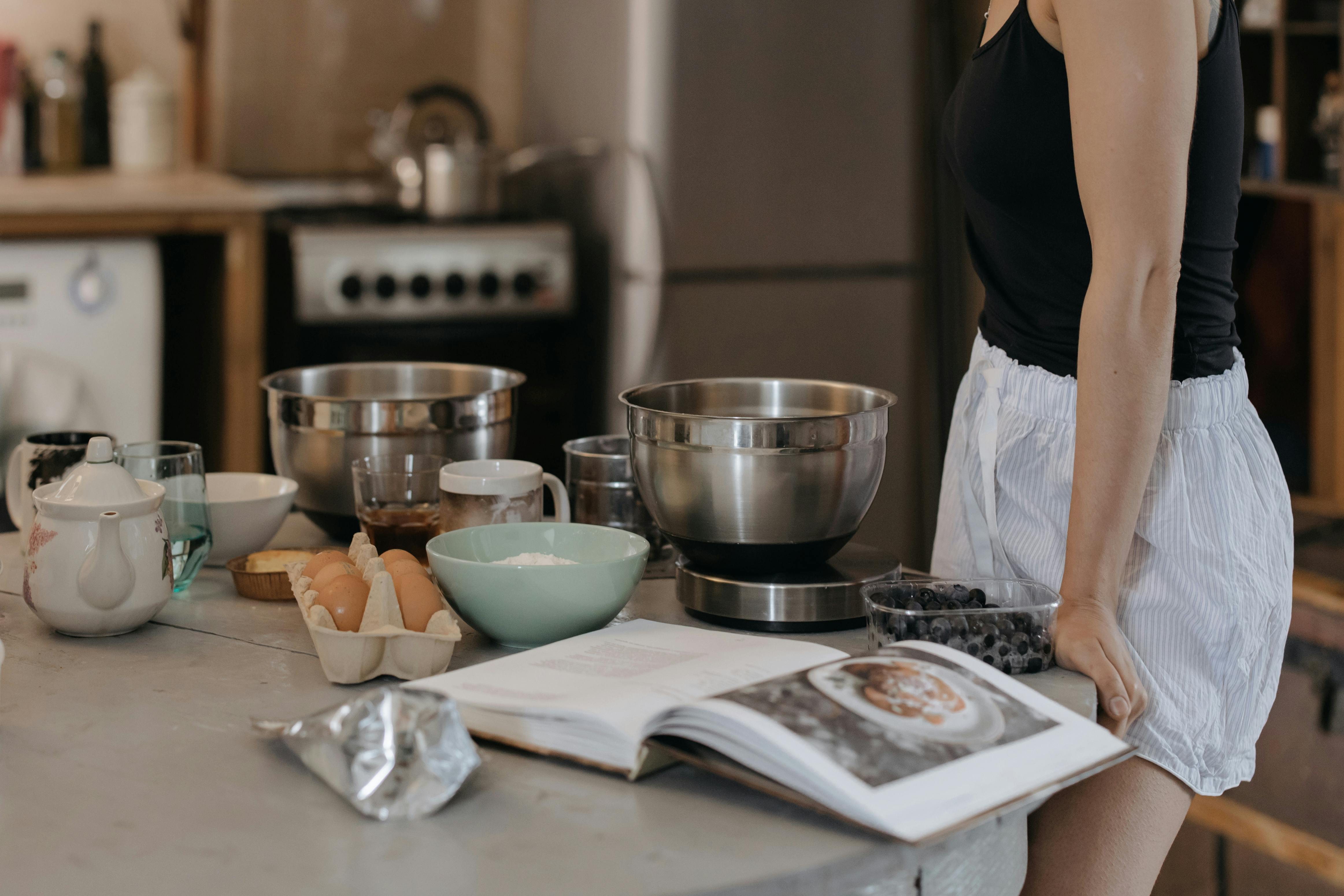
Already a household fixture before the war, The Five Roses Cook Book adapted well to wartime life because it relied on practical baking and pantry cooking. In an era of rationing, flour-based meals became a dependable way to feed larger families economically.
Its influence showed up in breads, biscuits, dumplings, cakes, and plain cookies that required limited luxury ingredients. Home bakers learned to rely on technique, timing, and thrift. A simple loaf or batch of baking powder biscuits could anchor a meal when meat was scarce.
This reinforced a durable Canadian pattern: starch-centered suppers supported by soup, preserves, or small amounts of protein. The book's broad reach, especially in English-speaking homes, helped standardize everyday baking as a national domestic skill.
War canning guides taught preservation as everyday household economics
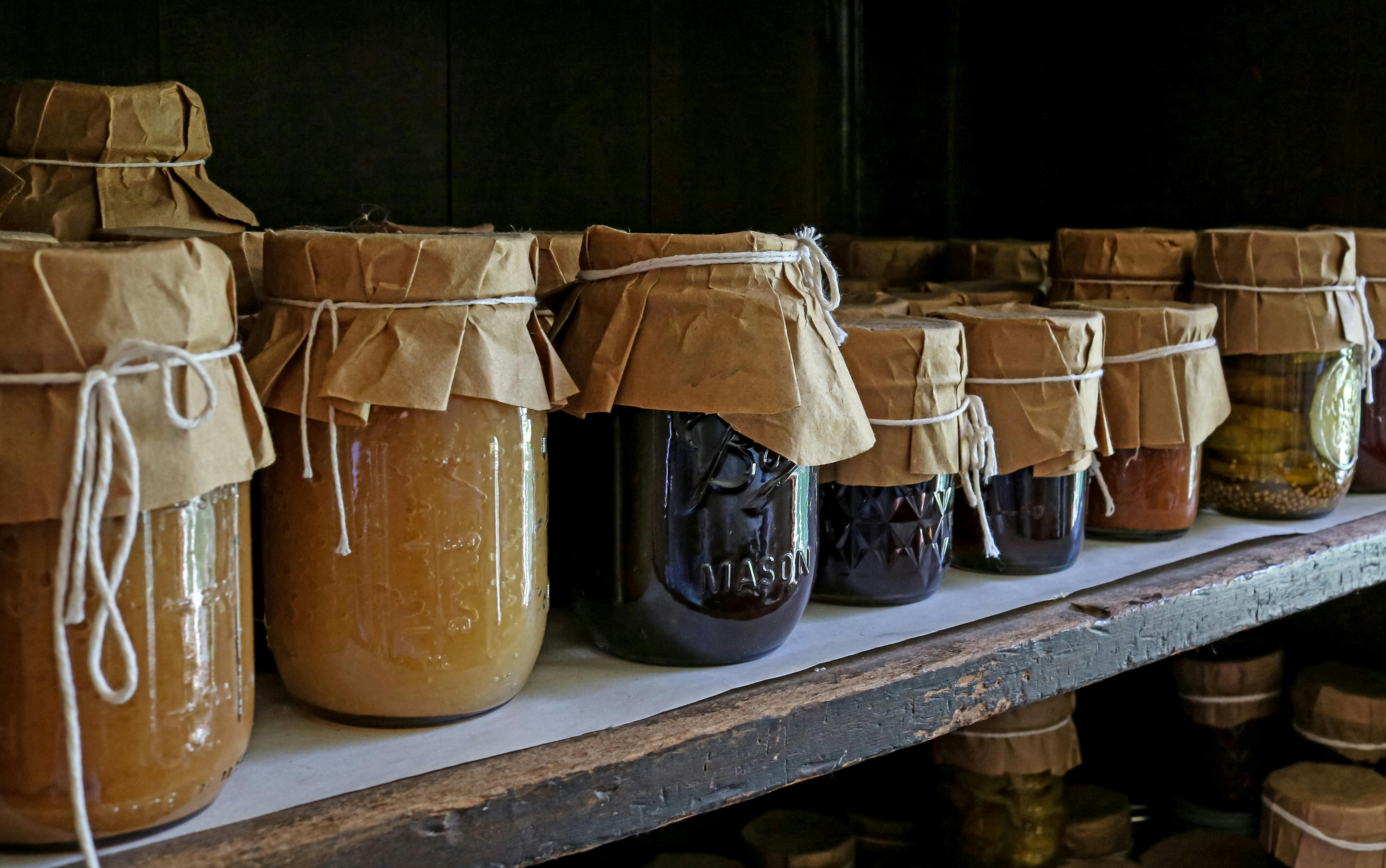
One of wartime Canada's biggest food shifts happened not at supper, but in the cellar and pantry. Government and community canning guides encouraged households to preserve local produce so commercially packed foods could be directed toward military and industrial needs.
These guides explained bottling, pickling, jam making, and the safe storage of root vegetables with unusual urgency. Housewives were urged to waste nothing. Garden surplus, orchard fruit, and seasonal berries became winter staples rather than brief summer treats.
The habit outlasted the emergency. In rural Canada especially, preservation remained tied to thrift and self-reliance for decades. It also kept Canadians eating more seasonal produce, homemade jams, relishes, and canned tomatoes long after ration books disappeared.
Community wartime recipe booklets made regional thrift part of national taste
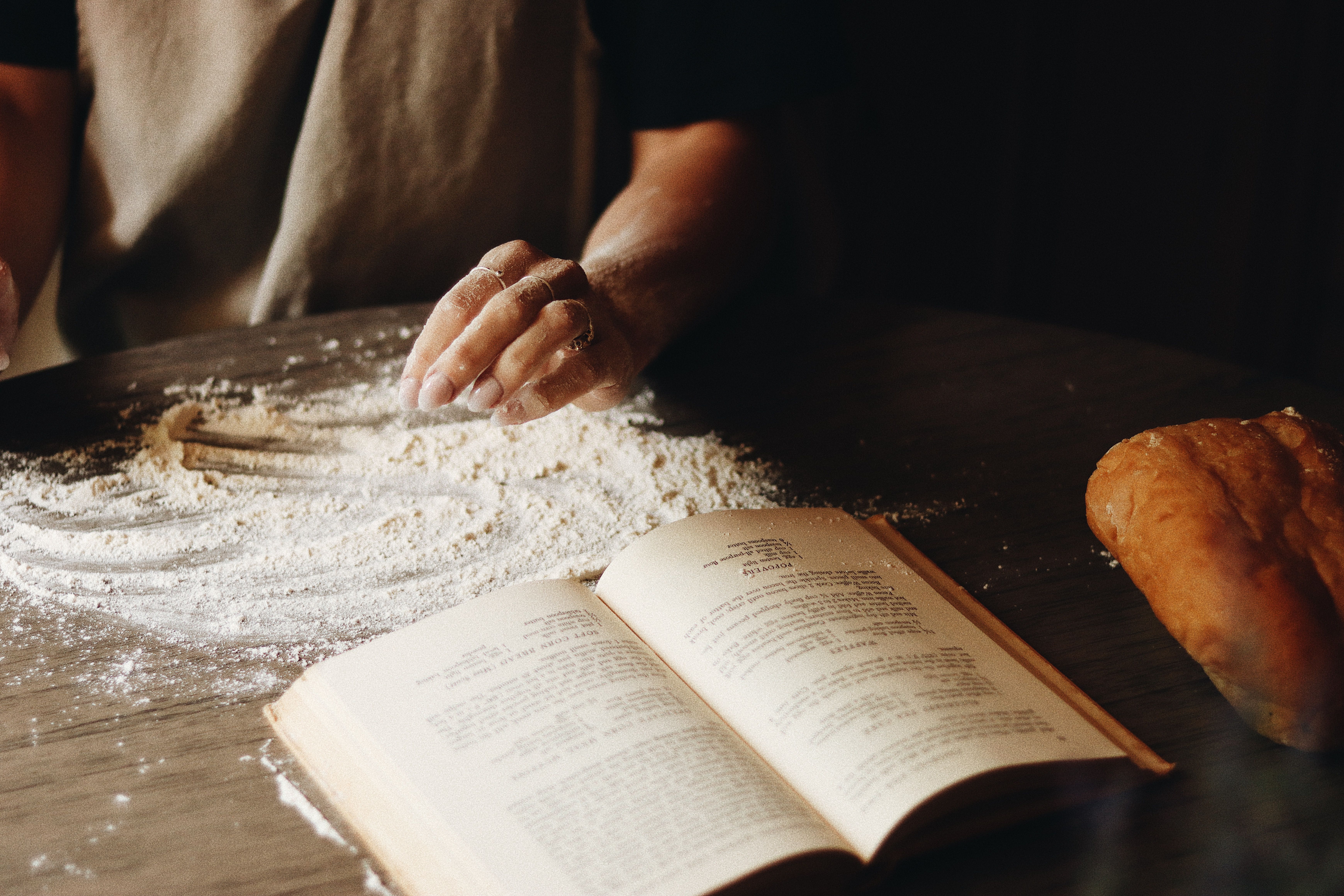
The most intimate wartime cookbooks were often church, Red Cross, Women's Institute, and local fundraising booklets. Compiled from neighbourly contributions, they captured how rationing worked on the ground and spread highly adaptable recipes from one community to another.
These collections featured eggless cakes, meat-stretching pies, fish chowders, vegetable soups, and reheated leftovers transformed into croquettes or hashes. Because they were local, they reflected regional realities, from prairie wheat and root vegetables to Atlantic fish and Quebec meat pies.
Their real power was social. They taught Canadians that economy cooking could still carry identity, comfort, and pride. In doing so, they helped create a shared national taste built on restraint, ingenuity, and respect for simple ingredients.



Leave a Reply