
Rationing changed far more than shopping lists. It quietly rewrote the taste of home cooking in Canada.
Carrots Stepped In for Sugar

Sweetness became strategic once sugar was rationed in Canada during the war. Families still wanted cakes, puddings, and preserves, so cooks looked for ingredients that could stretch every precious spoonful.
Carrots emerged as one of the most practical stand-ins. Grated into cakes, boiled into jams, and folded into puddings, they added natural sweetness, moisture, and bulk. Wartime home economists promoted carrot loaf and carrot marmalade as sensible alternatives when white sugar was tightly controlled.
This was not simply about taste. Carrots were locally available, inexpensive, and nutritionally useful, which mattered in a country urged to eat efficiently. In many kitchens, a dessert made with carrots and less sugar was not considered deprivation. It was framed as patriotic thrift.
Honey and Corn Syrup Replaced Table Sugar

When refined sugar grew scarce, Canadian cooks did not stop baking. They turned instead to liquid sweeteners, especially honey, corn syrup, and molasses, each of which changed recipes in noticeable ways.
Honey brought floral notes and helped keep cakes moist, though it could also darken baked goods quickly. Corn syrup offered neutral sweetness and worked well in pie fillings, candies, and sauces. Molasses, already familiar in Maritime and prairie kitchens, gave depth to gingerbread, cookies, and brown bread.
These swaps demanded technique, not guesswork. Because liquid sweeteners affect moisture, acidity, and browning, recipes often needed less milk or shorter baking times. Wartime newspapers and government food bulletins regularly printed tested substitutions, helping households avoid wasting ingredients during a period when every failed cake mattered.
Drippings and Bacon Fat Took Butter's Place
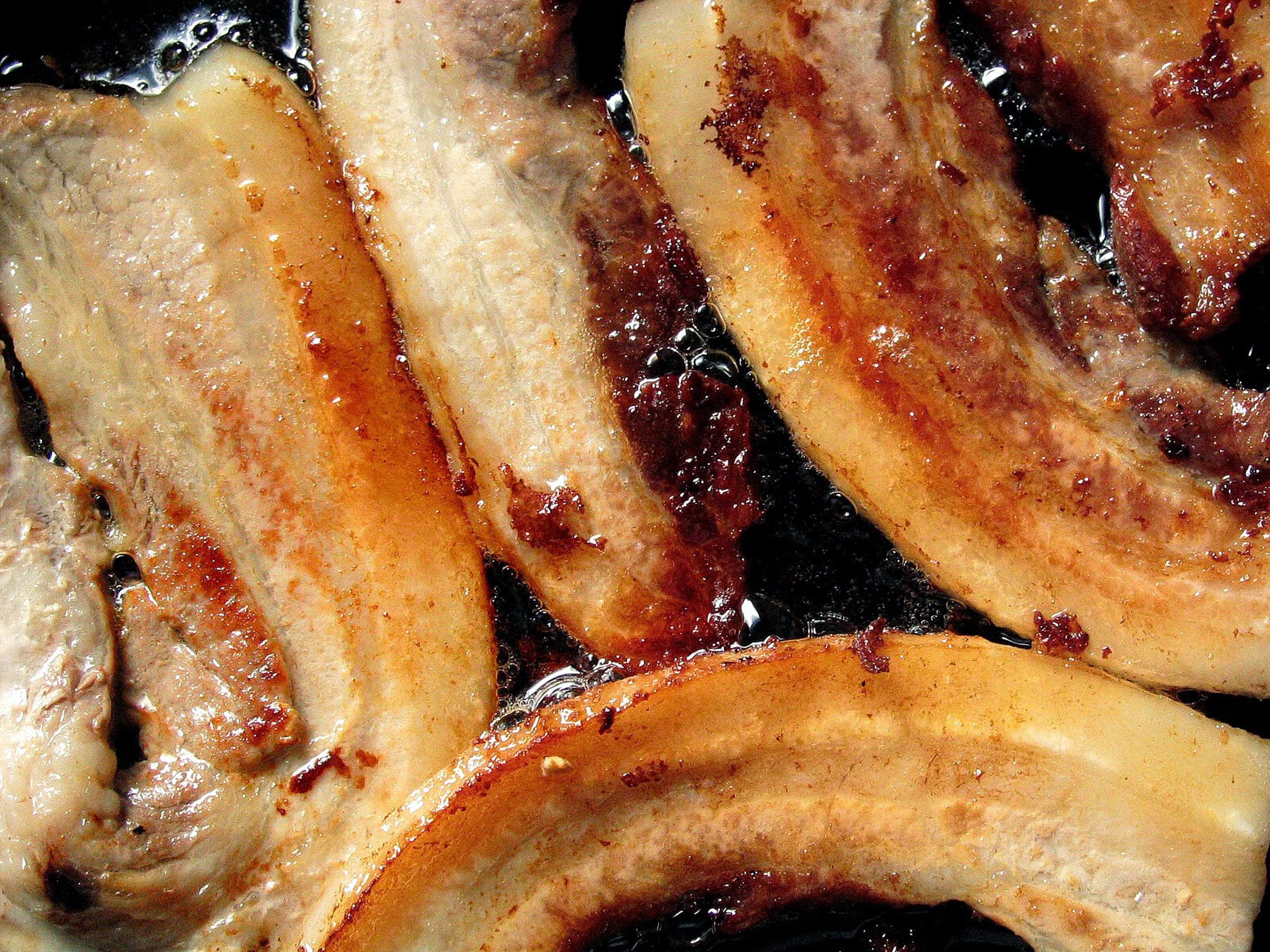
Butter was cherished, but wartime shortages and price pressure pushed many Canadian households toward saved meat drippings. Bacon fat, roast drippings, and rendered suet became valuable cooking assets rather than scraps to discard.
Cooks used these fats to fry potatoes, sauté cabbage, and grease pans. In some homes, drippings even replaced part of the butter or lard in savory pastry, especially for meat pies and biscuits. The flavor was richer and saltier, but that was often seen as a bonus.
Nutrition experts of the time emphasized calories and economy over modern concerns about saturated fat. Saving grease in a tin near the stove became a common ritual. It was efficient, deeply practical, and a reminder that wartime kitchens wasted almost nothing that could still feed a family.
Evaporated Milk Became Cream
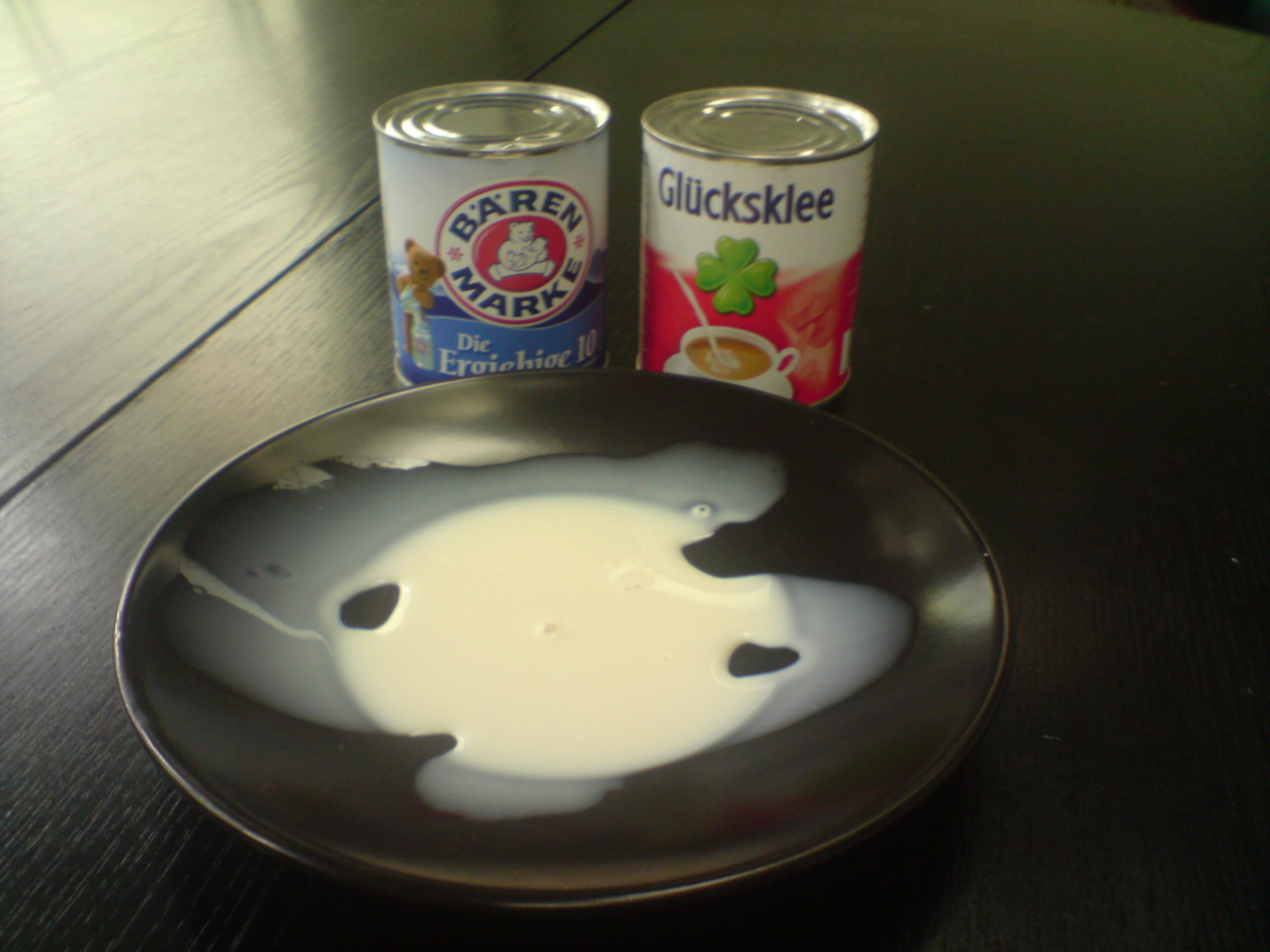
Fresh dairy could be expensive, inconsistent, or hard to obtain depending on region and season. Evaporated milk became a pantry hero because it was shelf-stable, versatile, and useful in both cooking and baking.
Canadian households diluted it for drinking, whipped it when thoroughly chilled, and stirred it into soups, custards, and casseroles. For many recipes, it could mimic the body of cream closely enough to satisfy. It was especially helpful in urban kitchens where frequent shopping was difficult.
Manufacturers and domestic science instructors actively promoted evaporated milk as modern and efficient. That message resonated during wartime. A can in the cupboard offered reliability, reduced waste, and let cooks reserve fresh milk for children, which aligned with broader nutritional guidance of the period.
Vinegar and Water Stood In for Lemon Juice
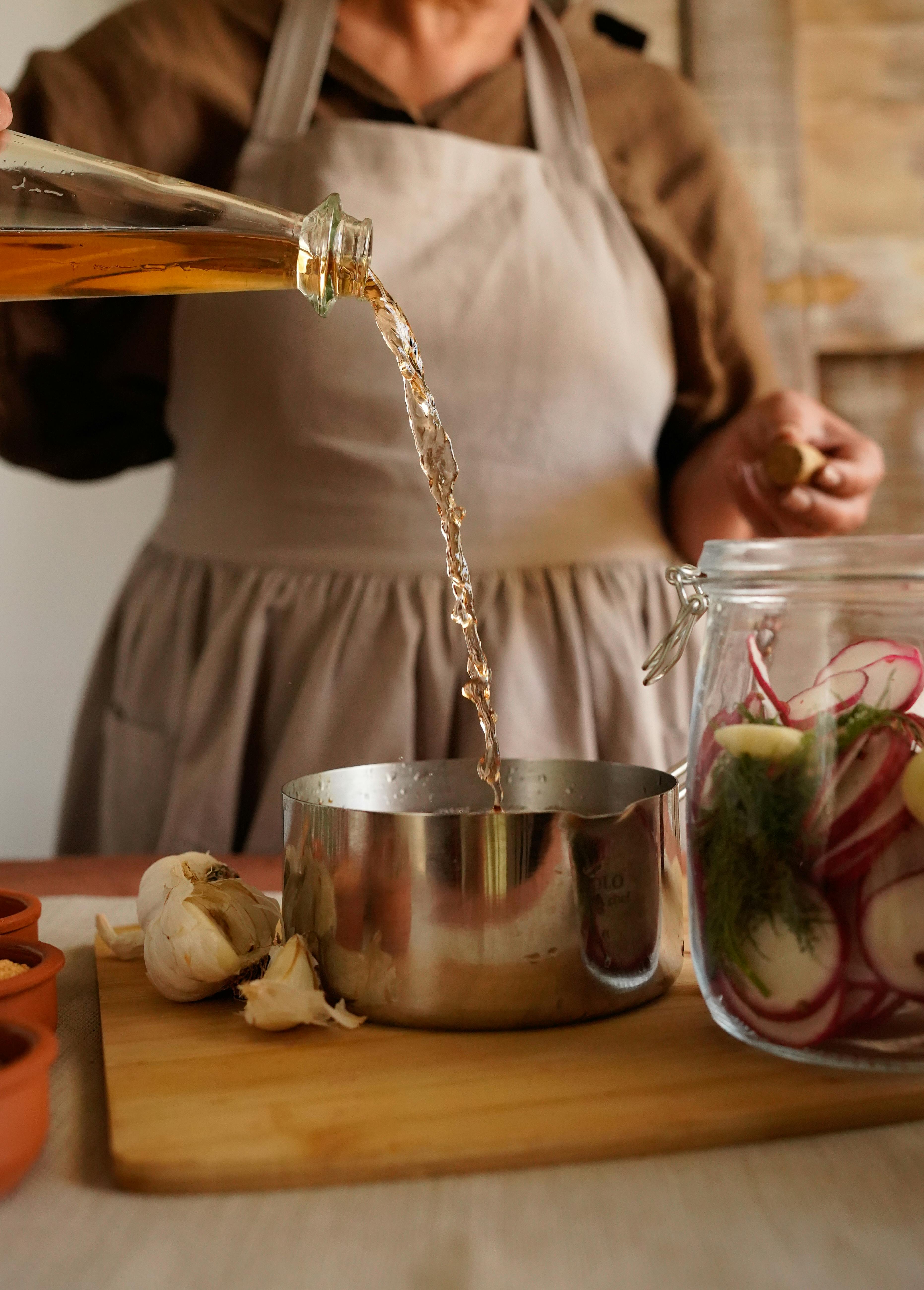
Citrus was not impossible to find during the war, but imported lemons were less dependable and often more costly. For cooks used to lemon juice in pickles, pies, and sauces, vinegar mixed with water became a common workaround.
The substitution was never perfect. Vinegar provided acidity without the fragrance or fruitiness of lemon, so recipes tasted sharper and plainer. Even so, it did the technical job in many cases, especially when acid was needed to set preserves, brighten fillings, or react with baking soda.
This swap shows how wartime cooking often prioritized function over ideal flavor. A pie or relish did not need to taste luxurious to be considered successful. If it kept well, used domestic ingredients, and fed people economically, it had done exactly what the moment required.
Toasted Grains Filled In for Coffee
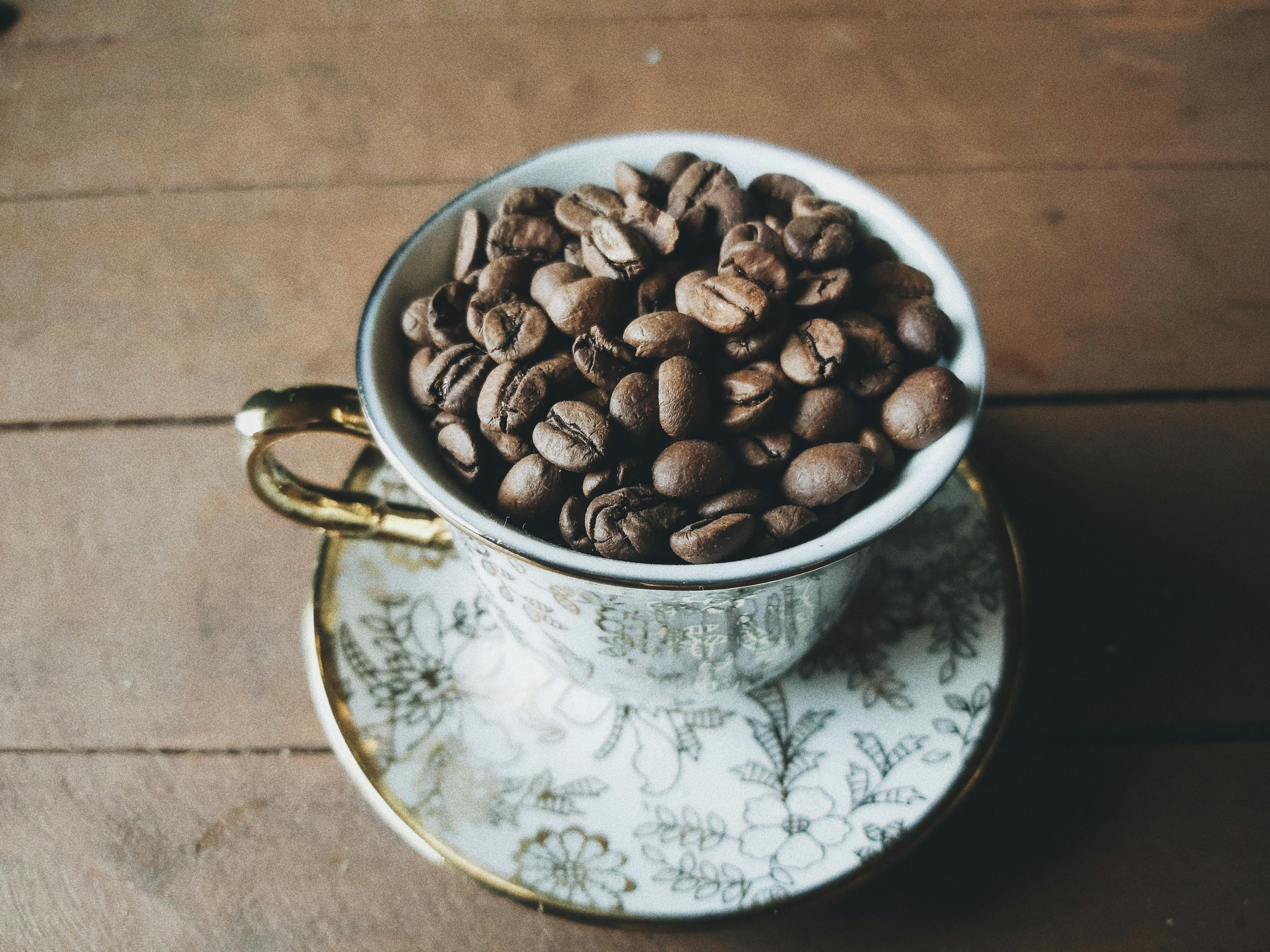
Coffee shortages and import disruptions pushed some Canadians toward substitutes that would sound strange today. Roasted barley, rye, and chicory were brewed to imitate coffee's bitterness, color, and comforting warmth.
These drinks lacked true coffee's aroma and caffeine, but they delivered familiarity. A hot mug at breakfast still mattered, especially in households trying to preserve routines during years of uncertainty. Chicory had older roots in European traditions, while roasted grain beverages fit Canada's agricultural realities.
Advertisers and household columns often presented these drinks as respectable alternatives rather than inferior fakes. That framing was important. Wartime substitutions worked best when people could see them as adaptable and sensible, not embarrassing. In that sense, a cup of roasted barley became part of the national home-front effort.
Apples, Oats, and Potatoes Stretched Meat

Meat rationing and high demand forced Canadians to think beyond the roast as the center of every dinner. Cooks stretched small amounts of beef, pork, or sausage with fillers that were cheap, filling, and widely available.
Apples appeared in pork dishes, adding moisture and sweetness while reducing the amount of meat required. Oats were mixed into meatloaf, patties, and sausages, boosting volume and texture. Mashed potatoes also entered croquettes, hash, and casseroles, turning leftovers into substantial second meals.
This was one of rationing's most enduring habits. Stretching meat with plant ingredients did more than save coupons. It taught a generation how to build flavor from thrift, use leftovers intelligently, and create hearty meals from modest supplies, lessons many Canadian families carried long after the war ended.

Leave a Reply