
Dinner in Canada is changing quickly. What once felt like restaurant food is now weeknight cooking for millions of households.
Speed now matters as much as taste
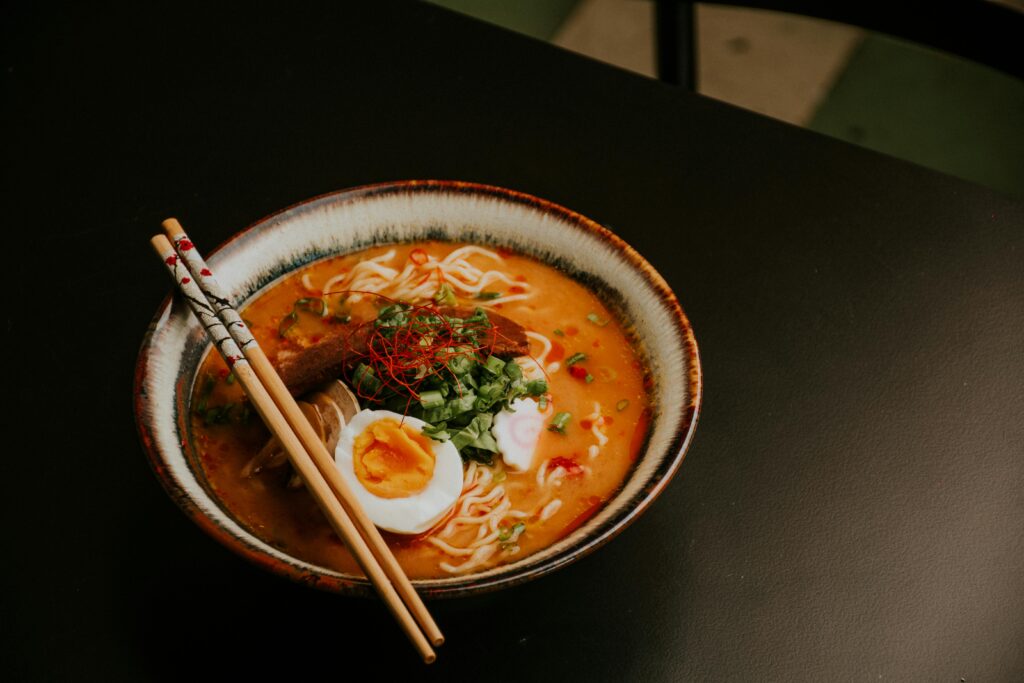
The strongest reason quick Asian-inspired meals are growing in Canadian kitchens is simple: they fit modern life. Households are busier, grocery costs are higher, and many people want meals that deliver strong flavor without demanding an hour of preparation. Stir-fries, noodle bowls, fried rice, ramen upgrades, Korean rice bowls, and quick curries answer that need in a way few other meal formats can.
These dishes are also naturally suited to efficient cooking. A hot pan, a pot of rice, a sauce, and a handful of vegetables or proteins can become dinner in 20 to 30 minutes. That timing matters for working parents, students, commuters, and remote workers trying to make a real meal between meetings. Unlike some traditional Western dinners built around long roasting or baking times, many Asian-inspired meals are designed around speed, sequencing, and high-heat cooking.
The economics are important too. A single tray of chicken thighs, tofu, eggs, ground pork, shrimp, or frozen dumplings can stretch across multiple meals when paired with rice, noodles, cabbage, mushrooms, carrots, green onions, or bok choy. Pantry staples like soy sauce, sesame oil, chili crisp, miso, gochujang, oyster sauce, curry paste, and rice vinegar create variety without requiring completely different shopping lists each week.
Industry patterns support the shift. Canadian grocers have expanded shelf space for ramen, sauces, frozen dumplings, kimchi, curry bases, and ready-to-cook kits because demand has become mainstream, not niche. Meal kit companies and supermarket private labels have also embraced teriyaki bowls, Thai-style coconut curries, and Korean-inspired beef because they sell well with consumers seeking convenience. The result is a feedback loop: the easier these foods are to buy, the more often people cook them, and the more normal they become in the weekly dinner rotation.
Canada's diversity has changed the national palate
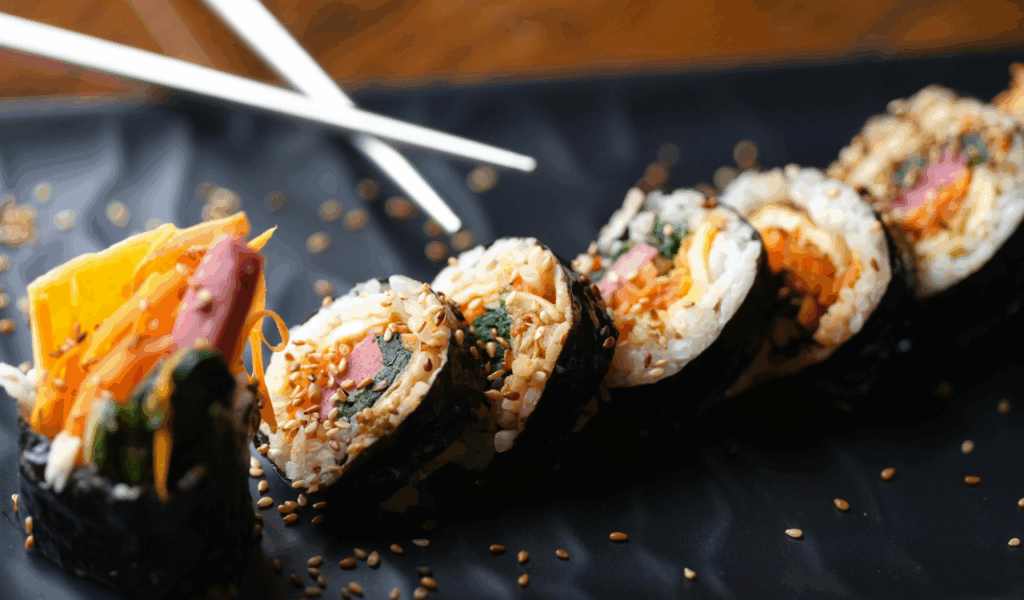
A major part of this story begins with Canada's multicultural population. Immigration has shaped how Canadians eat for generations, but the pace of exchange has accelerated. Foods rooted in Chinese, Japanese, Korean, Thai, Vietnamese, Filipino, Indian, and other Asian culinary traditions are now embedded in urban and suburban food culture, not limited to destination neighborhoods or special occasions.
This matters because familiarity reduces friction in home cooking. When children grow up eating sushi rice, butter chicken, pho, dumplings, banh mi, teriyaki salmon, or bibimbap from restaurants, school lunches, food courts, and family gatherings, those flavors stop feeling unfamiliar. They become cravings people want to recreate at home, especially when budgets push households to replace takeout with simpler homemade versions.
Canada's restaurant landscape has helped teach consumers what these flavor profiles are supposed to taste like. Casual chains, independent takeout counters, food halls, campus eateries, and fusion spots have introduced broad audiences to ingredients like lemongrass, miso, nori, gochugaru, hoisin, fish sauce, and yuzu. Even when a home-cooked version is adapted for speed, the baseline flavor memory already exists, making experimentation less intimidating.
The influence extends beyond large cities. In places where specialty dining options were once limited, major supermarkets now carry more Asian sauces, noodles, frozen snacks, and produce than they did a decade ago. That retail change has widened access in smaller communities and made it easier for non-specialist cooks to try dishes they may have first encountered while traveling, dining out, or watching cooking content online. In effect, multiculturalism has moved from restaurant exposure to household habit, and quick Asian-inspired meals are one of the clearest examples of that transition.
Grocery stores have made these meals easier to cook
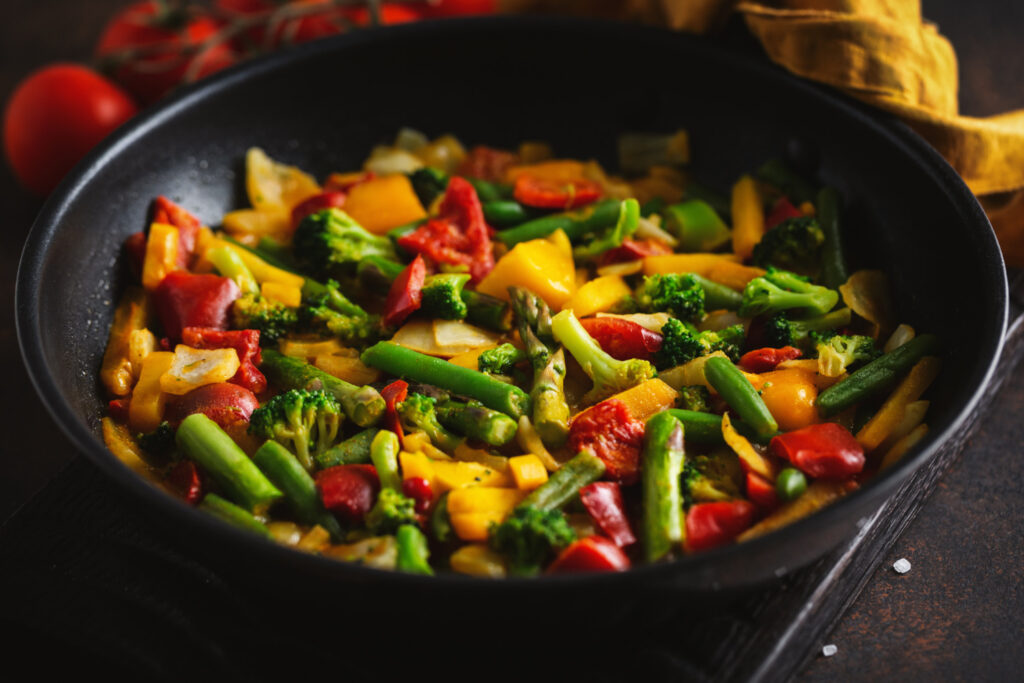
Availability often determines what people cook, and Canadian grocery retail has transformed this category. Ingredients that once required a trip to a specialty market are now common in mainstream stores. It is increasingly normal to find udon, rice noodles, dumplings, paneer, tofu puffs, curry paste, Japanese mayo, kimchi, seaweed snacks, and frozen bao in the same weekly shop as milk and cereal.
That accessibility changes behavior in practical ways. Home cooks are much more likely to make a noodle stir-fry or salmon rice bowl when the key ingredients are visible, affordable, and easy to understand. Packaging has also become more user-friendly, with products labeled around use cases such as "for stir-fry," "great for noodles," or "ready in 10 minutes." This lowers the knowledge barrier that once made some cuisines seem difficult.
Prepared and semi-prepared foods are another growth driver. Rotisserie chicken can become a quick sesame noodle bowl. Bagged slaw can be turned into a ginger stir-fry. Frozen edamame, pre-cut broccoli, microwavable rice, and bottled sauces shorten prep without eliminating the feeling of cooking. For many households, the ideal meal is not fully from scratch or fully premade, but a hybrid that saves time while preserving freshness and flexibility.
Retailers are responding to this exact pattern. More stores now use end-cap displays and flyer promotions for ramen multipacks, dumplings, hot pot ingredients, sushi kits, and Korean or Thai sauces because these products generate repeat purchases. Consumer packaged goods companies have noticed as well, launching milder and more broadly accessible versions of regional flavors for mainstream audiences. The end result is that cooking Asian-inspired food no longer requires expertise or an extra shopping trip. In many Canadian kitchens, it now requires only a basket, a stove, and 25 minutes.
Social media has turned weeknight cooking into a shared habit
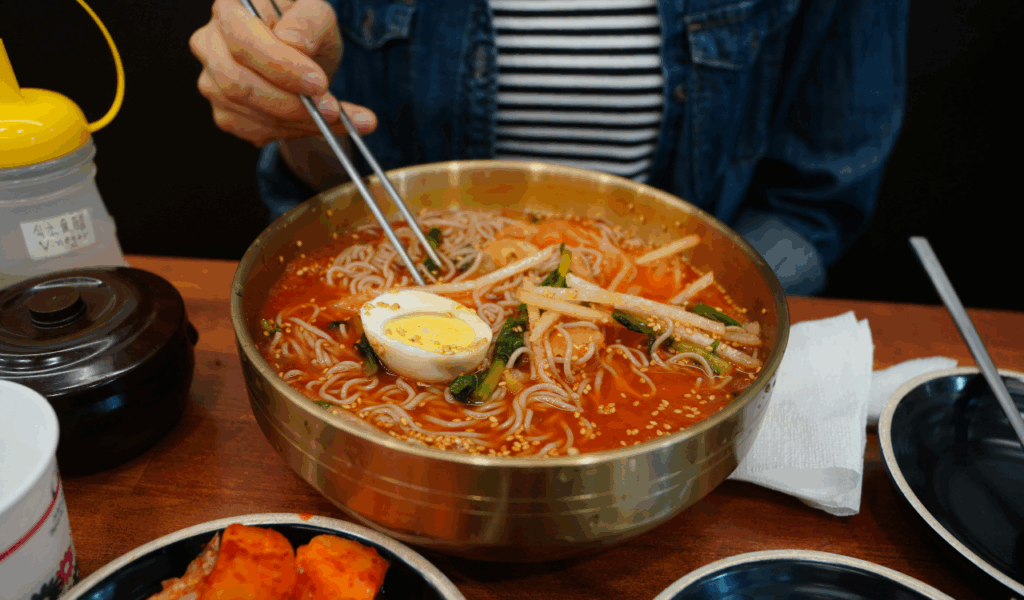
The digital food ecosystem has dramatically accelerated this trend. Platforms like TikTok, YouTube, and Instagram have made quick Asian-inspired meals highly visible, highly repeatable, and easy to customize. Viral dishes such as salmon rice bowls, spicy noodles, cucumber salads, crispy rice, miso pasta, Korean-inspired grain bowls, and instant ramen upgrades spread because they look achievable, not aspirational.
This visibility matters more than many people realize. A 20-second video can teach timing, texture, sauce ratios, and plating in a way a printed recipe often cannot. For beginner cooks, seeing someone build a meal from leftover rice, eggs, scallions, and chili oil reduces uncertainty. The format makes cooking feel less like formal instruction and more like a practical life skill shared between peers.
Influencers and chefs have also played a role in normalizing substitution. If a recipe calls for gai lan but the viewer only has broccoli, or asks for fresh noodles but the pantry holds spaghetti, many creators openly encourage adaptation. That flexibility is especially relevant in Canada, where ingredient availability and prices vary widely by region and season. It allows households to participate in flavor trends without feeling excluded by perfect-authenticity pressure.
There is also a community effect at work. People save recipes, compare brands of dumplings or chili crisp, swap air fryer shortcuts, and post their own versions. This turns a dinner idea into a repeatable routine. Once a household learns three or four reliable formulas, such as a curry, a stir-fry, a rice bowl, and a noodle soup, the category becomes part of ordinary meal planning. Social media did not create the appetite for these flavors, but it made the learning curve shorter and the habit easier to sustain.
Health, balance, and flexibility make the format appealing
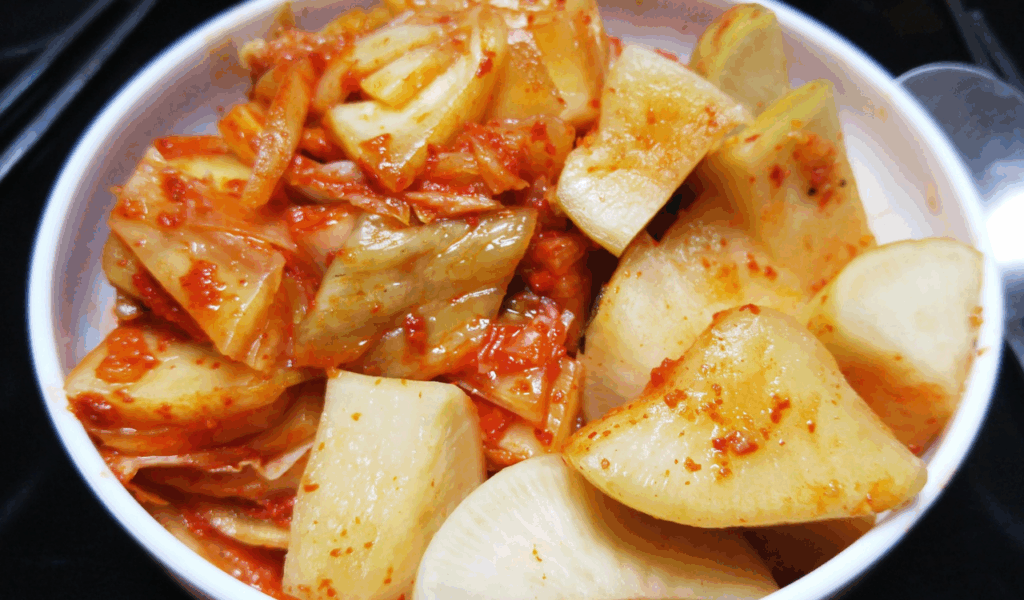
Another reason these meals are growing is that they match what many Canadians now want from everyday eating: balance without boredom. Quick Asian-inspired dishes often combine vegetables, protein, grains, and bold seasonings in one bowl or pan. That structure naturally supports portion control, variety, and satisfying texture, all while keeping meals interesting enough to repeat.
For health-conscious consumers, the appeal is not just that these dishes can be lighter. It is that they are adaptable. A stir-fry can lean plant-based with tofu and snap peas, high-protein with chicken and edamame, or comfort-focused with noodles and a richer sauce. A broth-based soup can be packed with greens, mushrooms, dumplings, soft-boiled eggs, and lean meat. This flexibility helps households serve different preferences without cooking separate dinners.
Plant-forward eating is especially relevant. Public health guidance and consumer research have shown rising interest in reducing meat consumption, even among people who do not identify as vegetarian. Asian-inspired meal formats make that transition easier because tofu, tempeh, lentils, mushrooms, and eggs already feel natural in many dishes rather than like afterthought substitutions. That lowers resistance for families trying to make affordable and sustainable choices.
The same is true for leftovers and meal prep. Cooked rice can become fried rice, kimchi rice, or a salmon bowl. Extra vegetables can go into noodle soup or curry. Roast chicken can be folded into a quick coconut broth or tossed with noodles and sesame dressing. These meals waste less because they are designed to absorb variation. In a period when food inflation remains a major concern for Canadians, that practical efficiency is a powerful reason the category keeps expanding.
The trend is likely to deepen, not fade

This is not a short-lived food fad driven only by novelty. Quick Asian-inspired meals are growing because they sit at the intersection of convenience, affordability, flavor, and cultural familiarity. Trends last when they solve real problems, and these meals solve several at once: what to cook on a busy night, how to stretch groceries further, how to eat more vegetables, and how to make homemade food feel exciting.
The commercial side of the market suggests staying power. Retail product development continues to expand around sauces, frozen appetizers, noodle kits, and ready-to-heat grains designed for this style of cooking. Restaurants are also feeding the cycle by introducing more fast-casual bowls, bento-style meals, handheld snacks, and regional specialties that customers later try to recreate at home. As those restaurant experiences widen, so does the home-cooking audience.
There is also a generational factor. Younger Canadians tend to approach cuisine with fewer rigid boundaries than earlier generations. They are comfortable mixing techniques, trying new condiments, and building meals from global pantry staples rather than following one inherited dinner template. For them, a week might include tacos, dal, miso noodles, roast chicken, and bibimbap-style rice bowls without any sense of contradiction. That mindset naturally supports the rise of Asian-inspired cooking as an everyday norm.
In the years ahead, the category will likely become even more specific and regional. Consumers who began with general stir-fry sauces often move on to distinct preferences such as Japanese curry, Thai basil dishes, Korean stews, Filipino adobo-inspired bowls, or Sichuan-style noodles. That deeper curiosity is a sign of maturity, not saturation. Canadian kitchens are not just adopting quick Asian-inspired meals because they are easy. They are keeping them because they deliver exactly what modern home cooking now demands.




Leave a Reply