
Quebec's dairy farms do not sit outside Canadian law. But in practice, they function inside a more controlled, more coordinated, and more politically defended system than farmers in many other provinces.
Quebec's dairy system starts with the same national framework
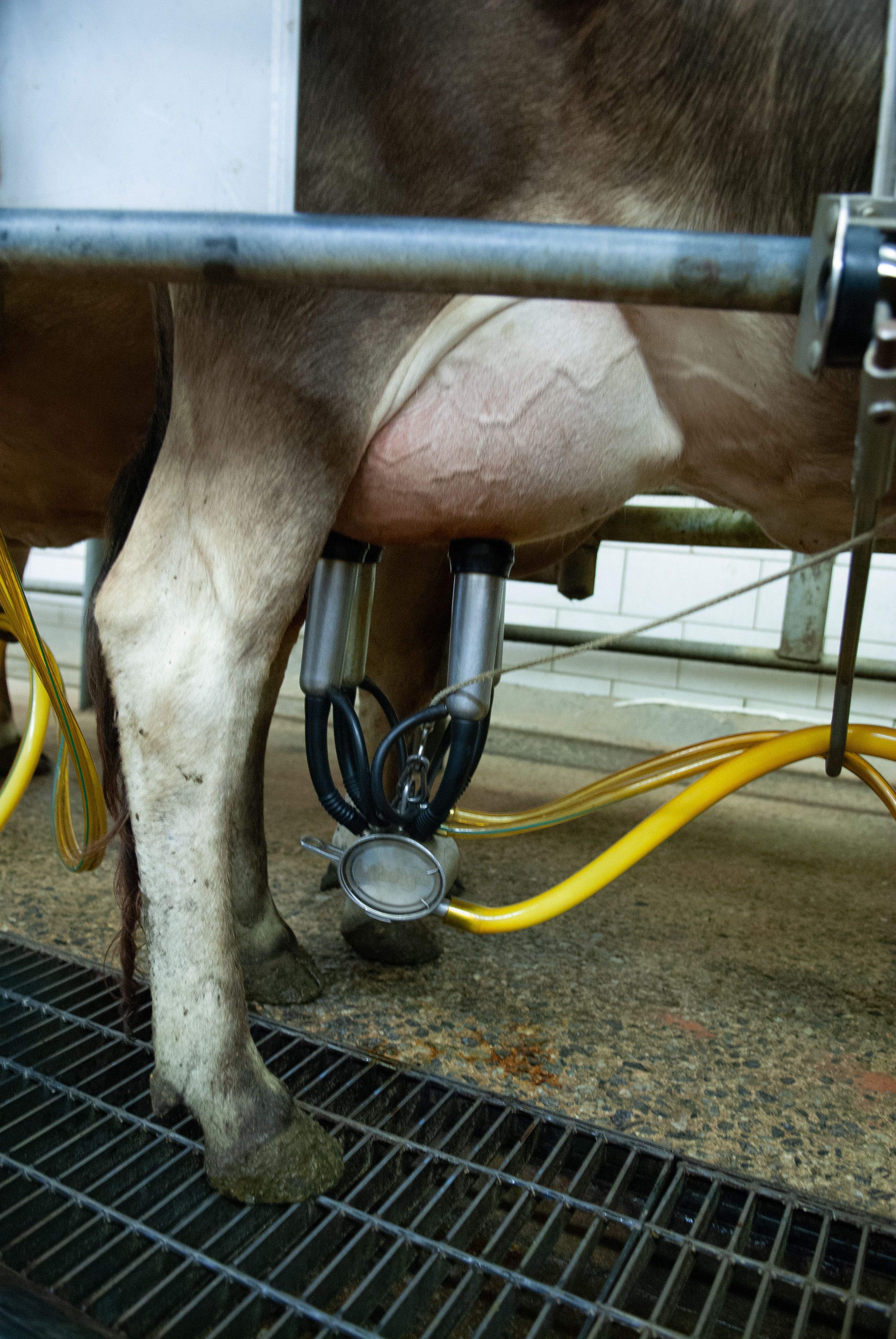
At first glance, Quebec dairy farmers follow the same big rulebook as everyone else in Canada. Milk production is governed by supply management, a national system that matches domestic output to consumer demand and shields farmers from extreme price swings. That means production quotas, administered pricing, and import controls apply in Quebec just as they do in Ontario, British Columbia, or Atlantic Canada.
What makes Quebec feel different is not the existence of a separate country-style system. It is the intensity of provincial coordination layered on top of the national model. Quebec has long treated dairy as a strategic farm sector, not simply one commodity among many. That political culture has shaped institutions that are more centralized and more assertive than in several other provinces.
Industry bodies, provincial marketing structures, and producer organizations in Quebec have historically worked in close alignment. For farmers, that can mean clearer collective rules, but also less room for individual experimentation outside established channels. In practical terms, the national framework is the same, yet the day-to-day operating environment often feels distinctively Quebecois.
A stronger provincial marketing culture changes how farmers operate
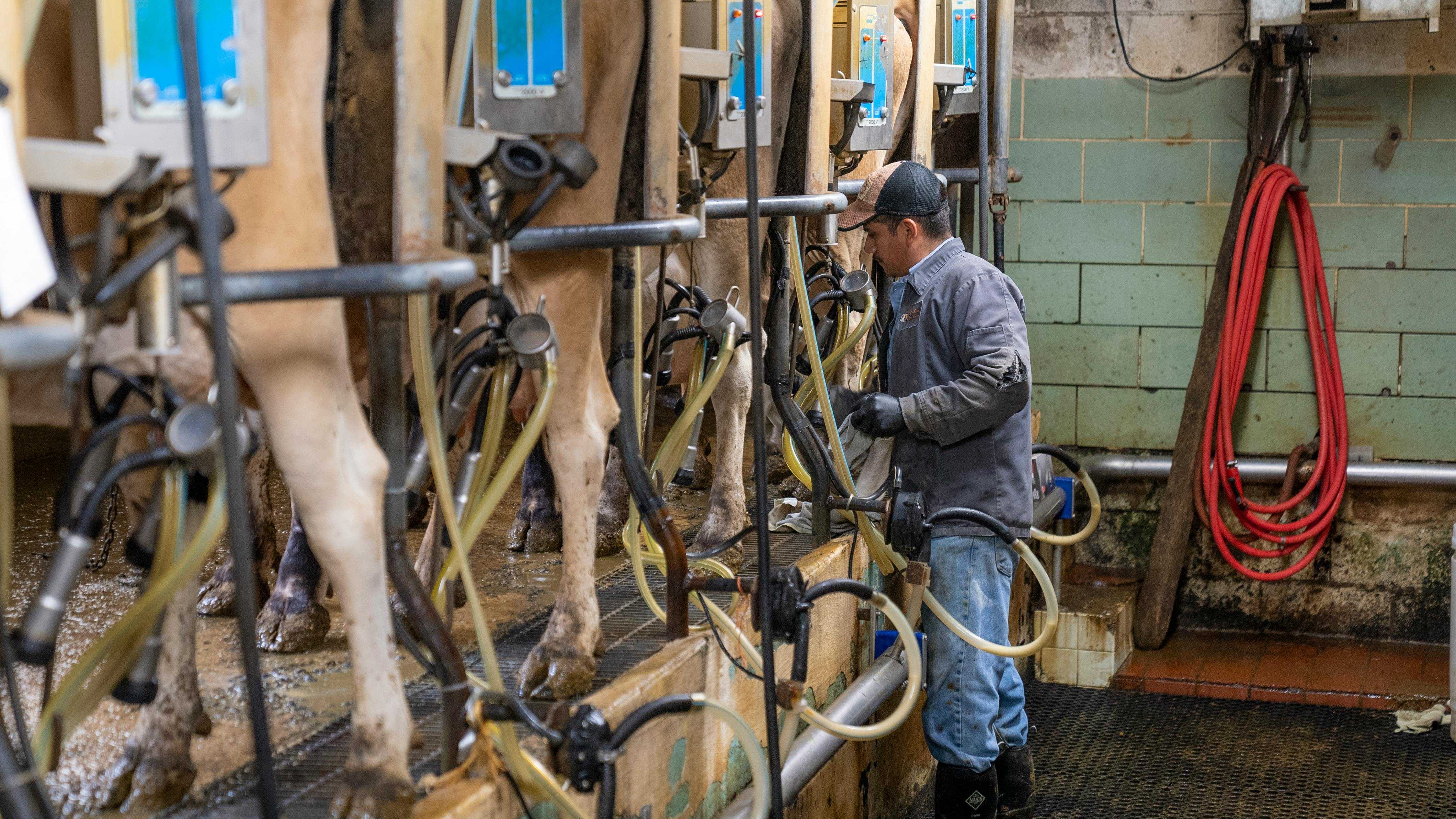
The first real difference appears in how Quebec organizes farm marketing and collective bargaining. The province has a long tradition of sector-wide coordination through powerful unions and marketing boards, especially in agriculture. In dairy, that has translated into tighter negotiation structures between producers and processors and a stronger expectation that farmers act collectively rather than individually.
The Union des producteurs agricoles, or UPA, has played an unusually central role in Quebec farm life. Unlike most other provinces, where multiple farm groups may compete for influence, Quebec's model has favored a single dominant voice. Supporters argue that this gives dairy farmers stronger leverage in pricing and policy fights. Critics say it can reduce flexibility and narrow debate.
That institutional strength affects ordinary business decisions. Farmers in Quebec often operate inside more formalized systems for transportation, milk pooling, and negotiations with processors. The result is a sector that can appear more uniform and rule-bound than elsewhere, even though the underlying goals of stability and fair returns are shared across Canada.
Quota economics matter more in Quebec because dairy is so central

One reason Quebec's rules feel different is simple scale. Quebec has the largest share of dairy farms in Canada and produces a major portion of the country's milk. Because the sector is so important to provincial agriculture, quota policy, transfer rules, and production discipline have enormous economic and political consequences for rural regions.
Quota is the right to produce a set amount of milk, and it is one of the most valuable assets on many dairy farms. In Quebec, where dairy dominates many local farm economies, provincial decisions about quota exchanges or transfer conditions can influence land values, borrowing, succession plans, and even whether younger farmers can enter the industry. Those ripple effects are especially strong in regions with dense dairy production.
That concentration has encouraged tighter oversight. Quebec policymakers have often been more willing to intervene to preserve family-farm structures and regional balance. In provinces with more dispersed dairy sectors or more diversified agricultural economies, the pressure to manage dairy with such precision can be less intense.
Farm size, language, and history also shape the province's approach
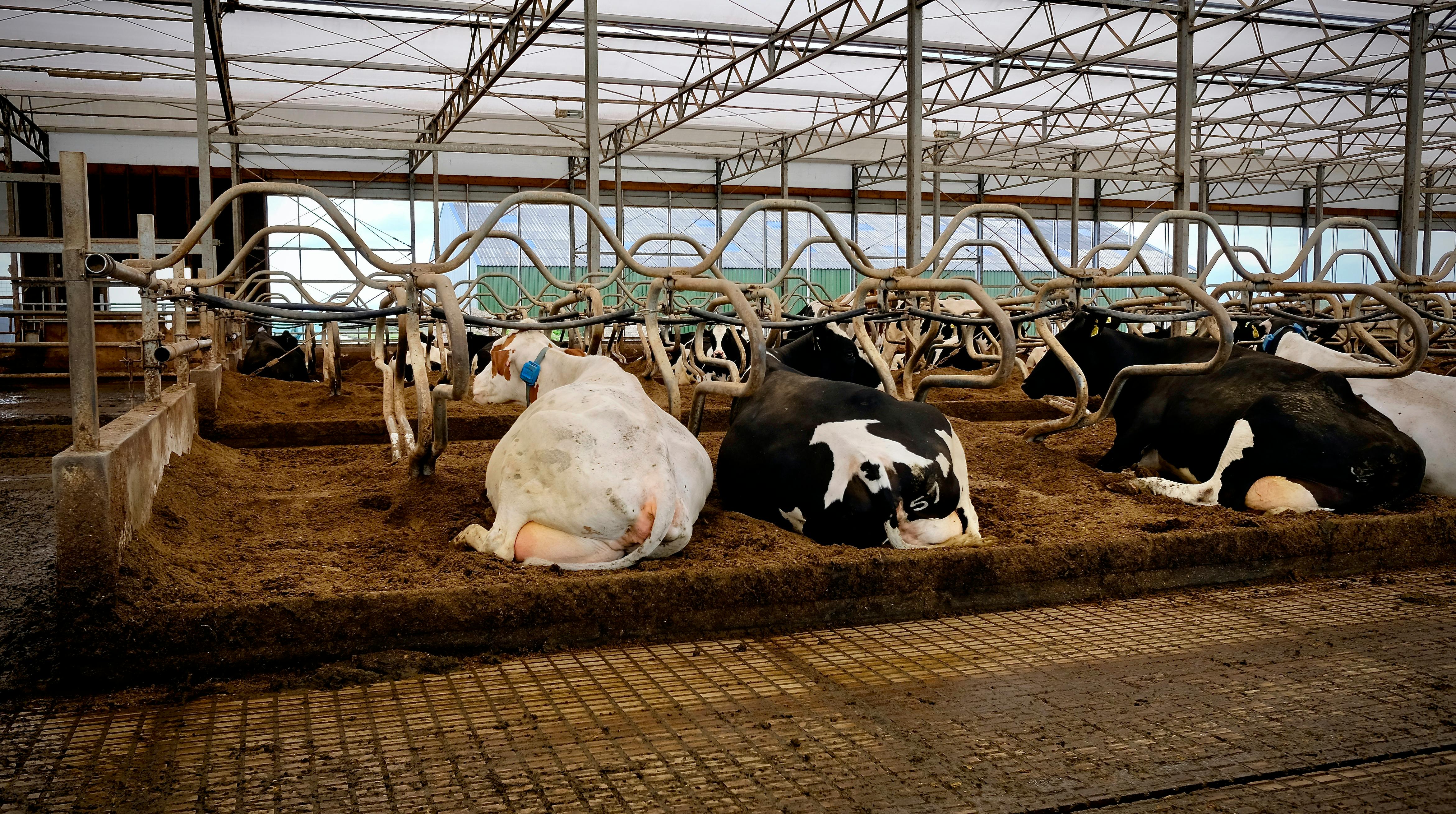
Quebec's dairy model is also rooted in history. The province developed around dense rural communities where small and medium-sized family farms remained politically and culturally important for longer than in some other regions. That history encouraged rules designed not only for efficiency, but also for social stability, local ownership, and the survival of village-based agriculture.
Language and legal culture matter too. Quebec's French-speaking farm institutions evolved with their own administrative traditions, policy debates, and cooperative networks. Those networks helped build a dairy sector with strong internal solidarity. They also reinforced the idea that agriculture should be managed collectively to protect producers from market power held by large processors or retailers.
This does not mean Quebec farms are old-fashioned or insulated from change. Many are highly productive, technologically advanced businesses using robotics, genetics, and data tools. But they often operate within a political culture that values coordinated protection more openly than many English Canadian markets typically do.
The biggest flashpoints involve processors, trade, and farm succession
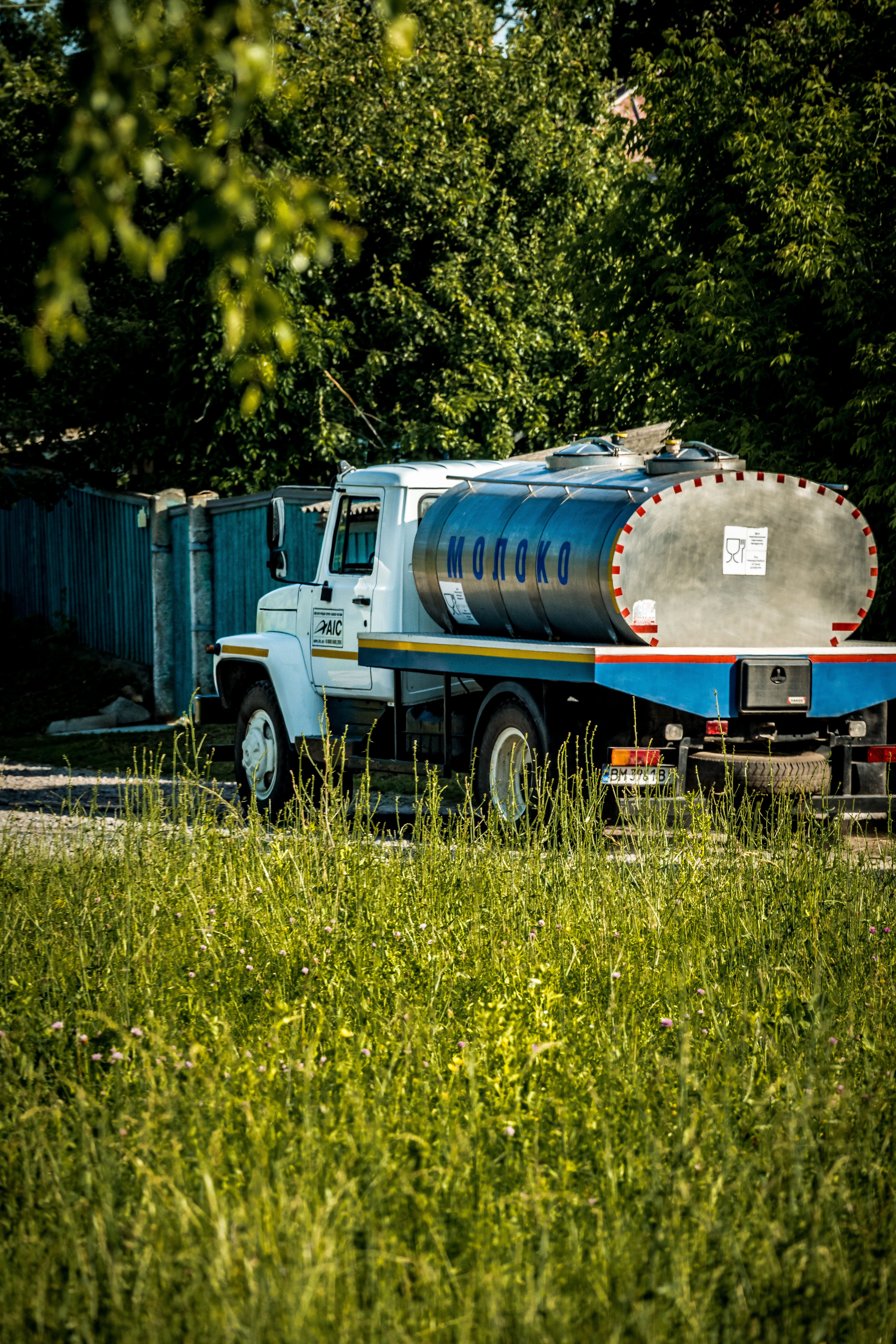
Where the differences become most visible is during conflict. Trade deals such as CETA, CPTPP, and CUSMA have opened slices of Canada's dairy market to foreign competitors, and Quebec has often reacted especially forcefully because it has the most to lose. Provincial leaders and producer groups have repeatedly pushed Ottawa for compensation, arguing that national concessions hit Quebec dairy farms disproportionately.
Relations with processors can also be tense. Farmers want stable prices and predictable pickup systems, while processors want flexibility, product innovation, and competitive input costs. In Quebec, the bargaining structure is often more formal and more political, which can make disputes highly visible. According to reporting by outlets such as Reuters and The Canadian Press, those tensions regularly spill into wider debates about rural livelihoods.
Succession is another pressure point. High quota values and capital costs make it difficult for new entrants everywhere in Canada, but the challenge is acute in Quebec because dairy farms are so numerous and deeply tied to family continuity. Rules are often judged not only on market efficiency, but on whether the next generation can realistically take over.
Quebec is different less because it is separate than because it is stricter
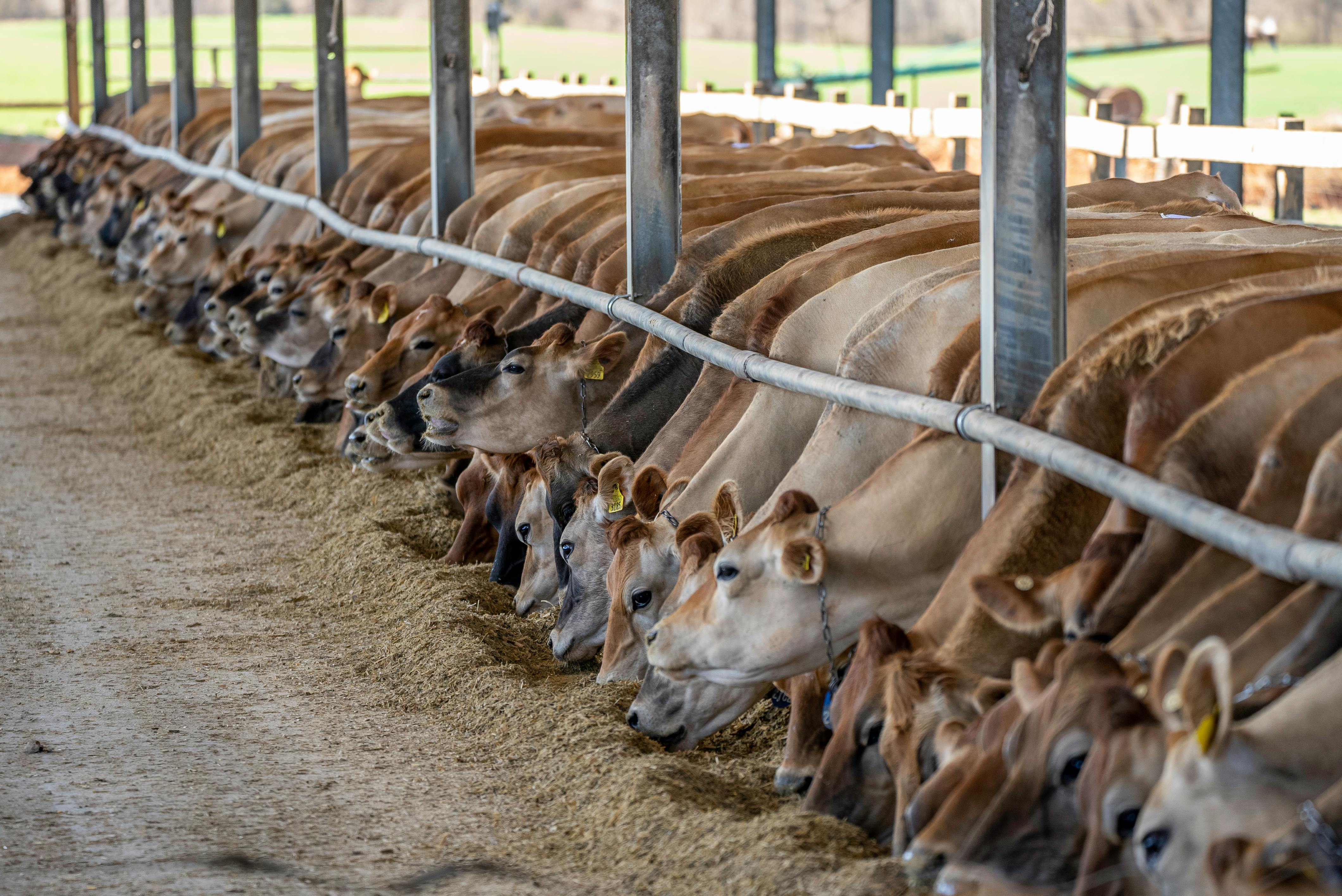
The clearest way to understand Quebec is this: it is not outside Canada's dairy system, but it tends to use that system more intensively. The province leans harder on collective bargaining, stronger producer institutions, and tighter administrative coordination. That makes the rules feel different on the ground, even when the legal foundations are national.
For consumers, this can seem abstract, yet it shapes the milk economy in visible ways. It influences who gets to farm, how quickly herds expand, how processors source supply, and how governments respond to trade pressure. It also helps explain why Quebec dairy politics are often louder, more organized, and more defensive than elsewhere in the country.
In the end, Quebec's dairy farmers operate under different practical conditions because dairy occupies a different place in Quebec society. It is an economic engine, a political constituency, and a cultural symbol all at once. When a sector carries that much weight, the rules around it are almost always going to be tighter.



Leave a Reply