
Canadians are rethinking what value really means at the grocery store. More often, that shift is leading them straight to private label shelves.
Rising food prices changed shopping habits
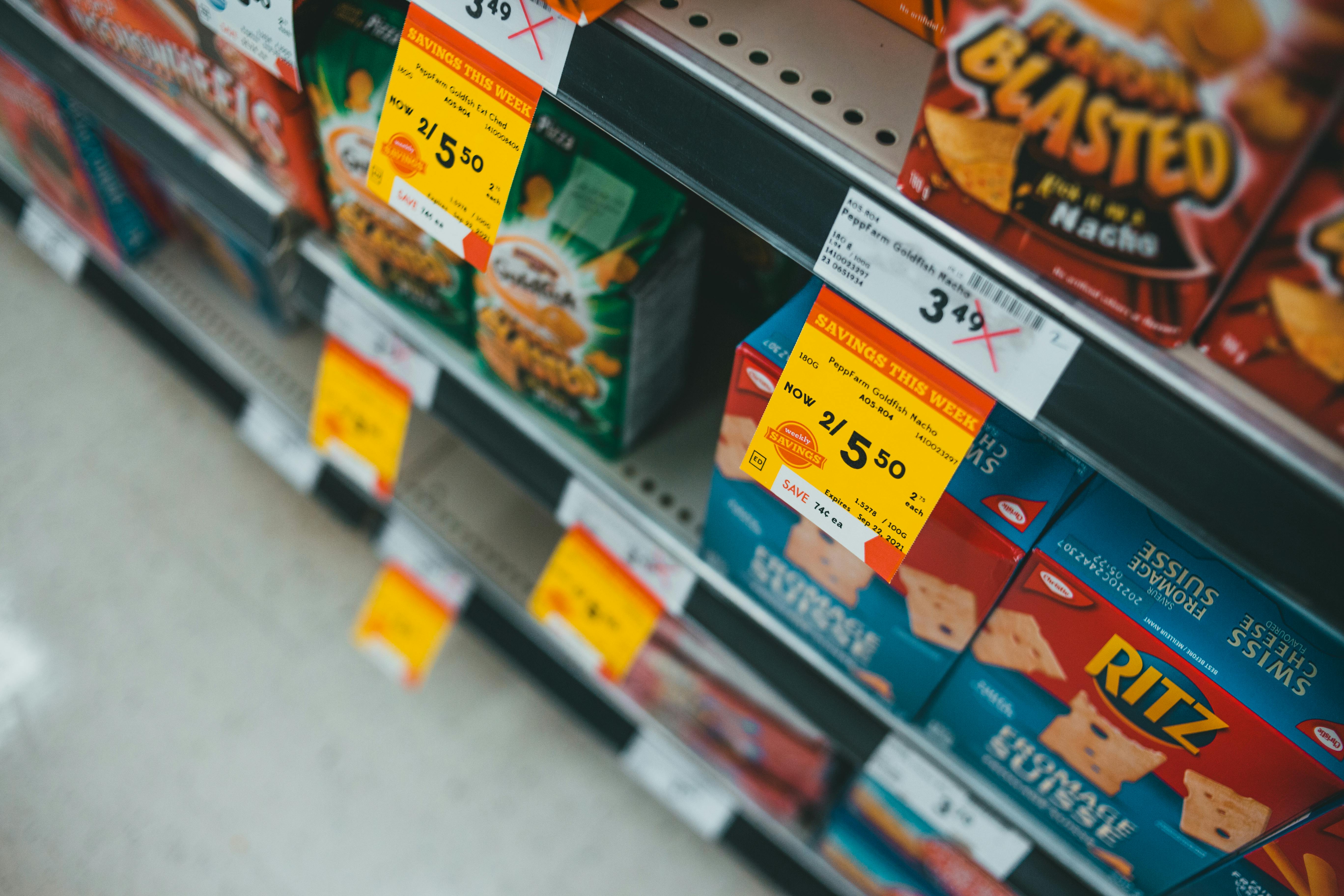
Sticker shock has done more than strain household budgets. It has permanently changed how many Canadians compare products, read labels, and decide what belongs in the cart.
Food inflation pushed shoppers to test lower-cost alternatives across pantry staples, dairy, frozen meals, and snacks. What began as a money-saving move quickly became a habit when many store-brand products delivered similar taste and quality for less.
According to major grocery market tracking in Canada, consumers have become far more deliberate about price per unit and promotional value. That has helped private label products move beyond recession-only appeal and into regular weekly purchasing.
Retailers have noticed the shift and expanded shelf space accordingly. When shoppers repeatedly see store brands beside premium national names, the lower-priced option feels less like a risk and more like a smart decision.
Quality perceptions have improved dramatically
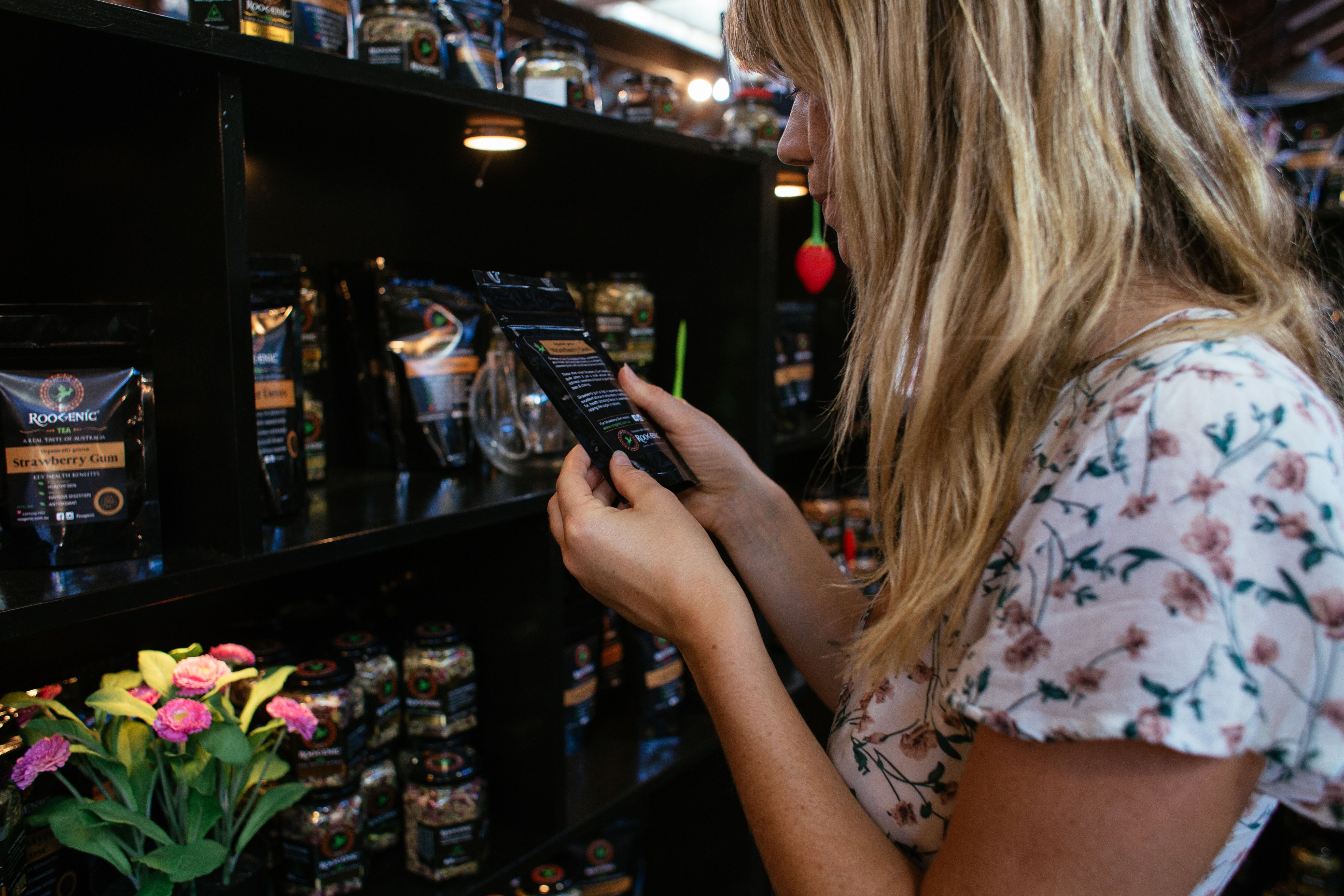
The biggest change is not just cost. It is confidence. Many Canadians now believe private label foods can match, and sometimes outperform, well-known brands in taste, ingredients, and consistency.
That perception did not appear overnight. Retailers spent years upgrading recipes, packaging, sourcing standards, and product testing to remove the old stigma that store brands were generic or inferior.
In categories like Greek yogurt, coffee, tortilla chips, pasta sauce, and frozen appetizers, private label lines increasingly look polished and modern. Some even target premium shoppers with organic, plant-based, gluten-free, or internationally inspired offerings.
Blind taste tests and repeat purchase data have reinforced that progress. Once consumers try a private label item and find little difference at the table, brand loyalty weakens quickly, especially when the savings are visible on every receipt.
Canadian retailers built stronger store brands
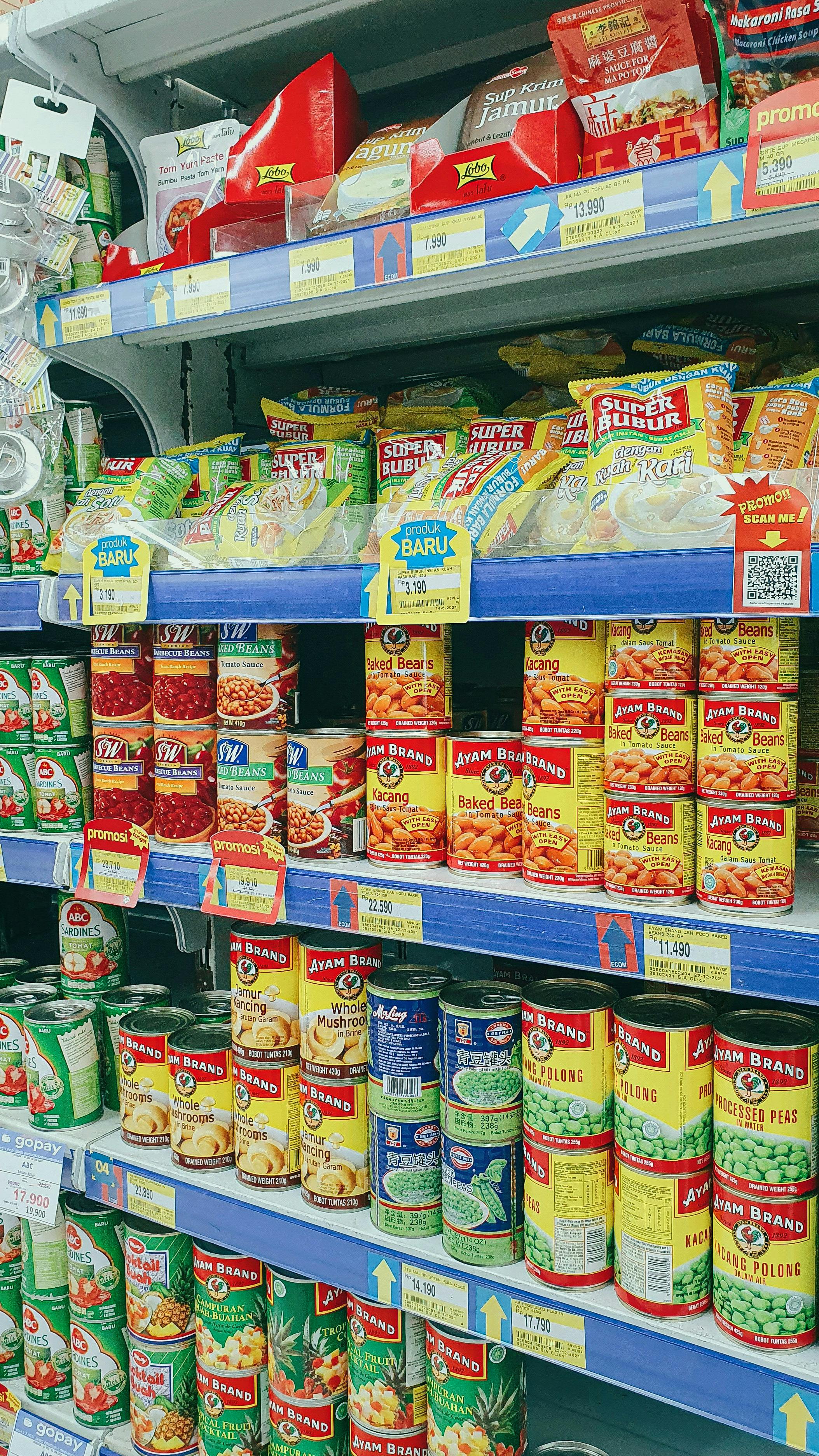
This momentum is also the result of strategy. Canada's biggest grocers have treated private label not as a side business, but as a core growth engine with distinct identities and broad category coverage.
Loblaw's President's Choice remains one of the clearest examples, long associated with innovation as much as affordability. No Name, by contrast, leans into simplicity and value, giving shoppers two very different reasons to stay within the retailer's own portfolio.
Sobeys, Metro, Walmart Canada, and Costco have also invested heavily in exclusive food lines that create trust and repeat traffic. Kirkland Signature, for example, has shown how a store brand can become a destination in itself.
These programs matter because they change the shopping experience. Instead of seeing private label as a backup, consumers increasingly recognize it as a curated brand family with familiar standards and dependable performance across categories.
Value now means more than the lowest price

Canadian shoppers are not only chasing the cheapest item. They are looking for a better balance of price, quality, convenience, and even nutrition, and private label has become well positioned to meet that broader definition of value.
Many store brands now offer cleaner ingredient lists, reduced sodium options, higher-protein snacks, and family-size formats. For busy households, that combination can be more persuasive than a national brand with heavier marketing but weaker everyday value.
Retailers also use private label to fill product gaps quickly. If shoppers want lactose-free soups, air-fryer sides, or affordable organic basics, store brands can often respond faster because the retailer controls assortment decisions more directly.
That flexibility helps private label feel current rather than secondary. It also aligns with what consumers increasingly want: practical food choices that solve real needs without forcing them to overpay for brand recognition alone.
Trust, familiarity, and loyalty are reinforcing growth

One quiet advantage of private label is repetition. When shoppers buy the same retailer's milk, cereal, crackers, and frozen fruit week after week, familiarity builds trust across the entire store-brand lineup.
That trust is reinforced by the shopping environment itself. Consumers see these products placed prominently, included in flyer promotions, and integrated into loyalty programs, making them feel central to the store rather than hidden alternatives.
Digital grocery platforms have strengthened this effect. On apps and retailer websites, private label products often appear first in search results, recommendation panels, and meal-planning suggestions, increasing visibility at the exact moment purchase decisions are made.
As confidence grows, hesitation falls. A shopper who once tested a store-brand can of tomatoes may soon buy the retailer's salad dressing, granola bars, and frozen pizza, creating a powerful chain of adoption across the basket.
Private label is becoming a lasting consumer choice

This is no short-term reaction. Even if inflation cools, many Canadians are unlikely to fully return to old buying patterns because private label has already proven its value under real household pressure.
History shows that once consumers switch and feel satisfied, a meaningful share stays put. That pattern has been visible in other mature grocery markets, and Canada appears to be following the same path with increasing speed.
For retailers, the payoff is larger margins, stronger differentiation, and more control over product development. For shoppers, the benefit is simpler: dependable food at prices that feel fair in an expensive era.
That is why private label foods are winning more Canadian shoppers than ever. They are not just cheaper substitutes anymore. They are credible, competitive, and increasingly preferred choices in the everyday business of feeding a household.



Leave a Reply