
A favorite food can feel strangely personal. Criticize it, and many people react as if you criticized them.
Food preferences are tied to identity
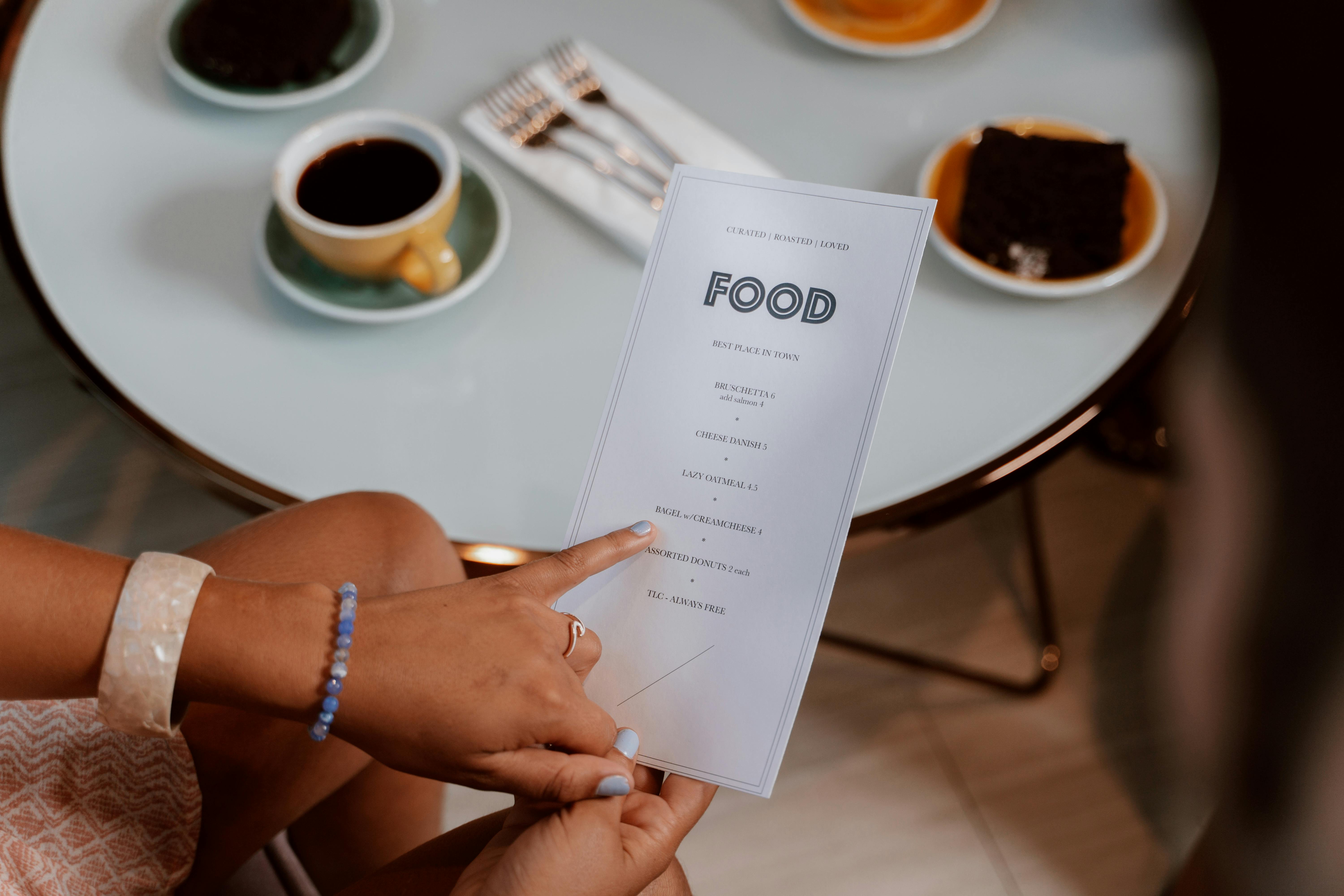
What we love to eat often becomes part of how we describe ourselves. Someone is not just a person who likes black coffee, extra-spicy noodles, or thin-crust pizza. Over time, those choices become signals of personality, background, and values. Psychologists have long noted that people use everyday preferences to build identity, and food is one of the clearest examples because it is repeated daily and displayed socially.
This is why a casual comment such as "that dish is overrated" can land harder than intended. To the listener, it may sound like a dismissal of their judgment, taste, or even the community they identify with. Research on self-concept shows that people naturally defend things that help define who they are. Favorite foods sit in that category more often than people realize.
The effect is especially strong when a food choice reflects more than flavor. Vegetarianism, regional barbecue styles, natural wine, specialty coffee, and traditional holiday dishes can all carry moral, cultural, or lifestyle meaning. Once food becomes symbolic, disagreement stops feeling neutral. It starts to feel personal, and defensiveness follows quickly.
Memory gives food emotional power
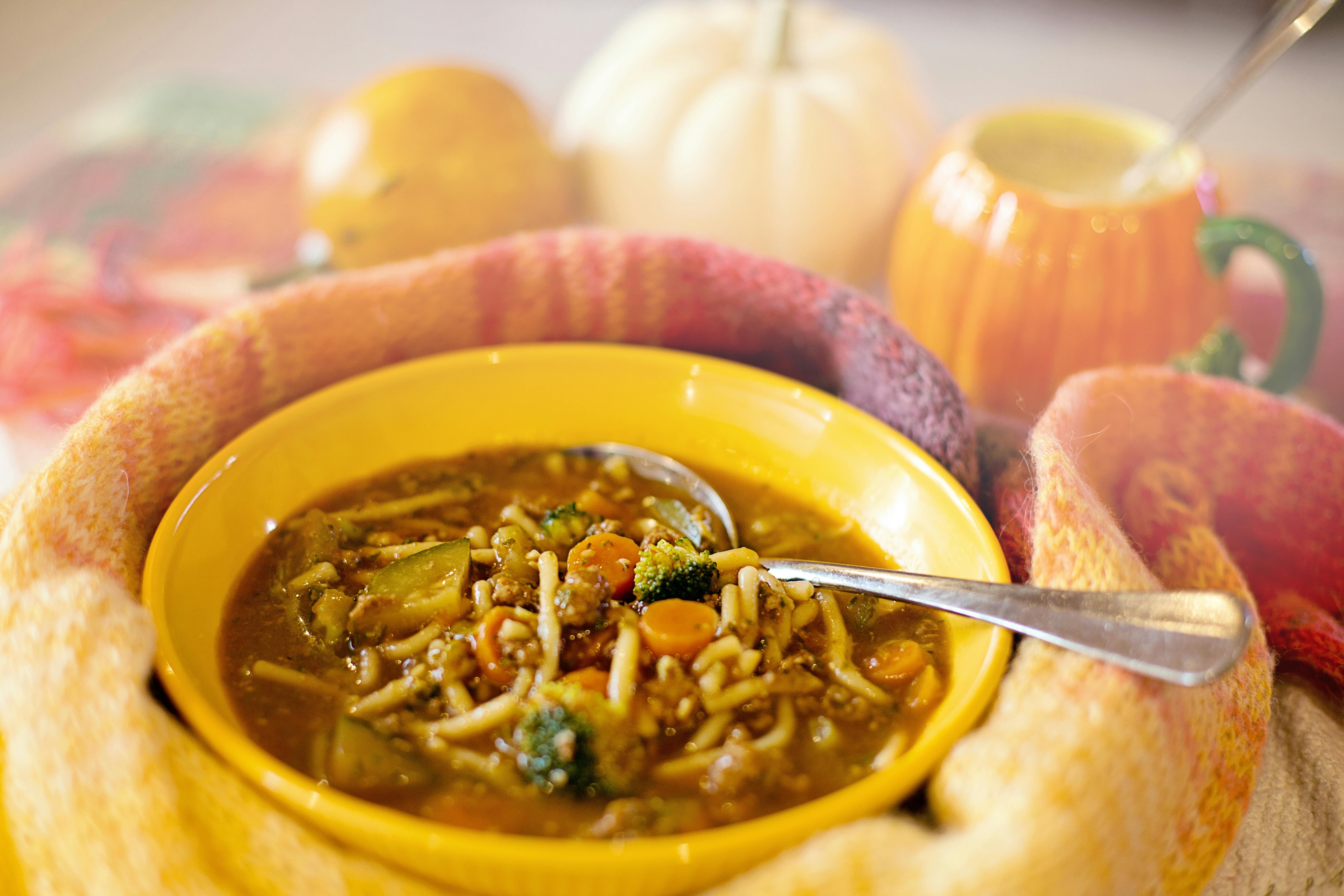
A beloved food is often loaded with memory long before anyone argues about it. The smell of a soup, the texture of a homemade bread, or the sweetness of a dessert can bring back childhood kitchens, family gatherings, and specific people. Neuroscience helps explain this. Smell and taste are closely linked to brain systems involved in emotion and memory, which is why food memories can feel immediate and intense.
Because of that connection, people are not always defending the food itself. They may be defending what the food represents. A person who fiercely insists that their grandmother's casserole is unmatched may actually be protecting a bond, a period of safety, or a family story. In that context, criticism can feel less like culinary disagreement and more like disrespect.
This is also why nostalgia can overpower objective judgment. Many adults admit that foods they loved as children are not technically the best versions available. Yet they still prefer them. Comfort matters more than precision. Defensiveness grows when emotional meaning is mistaken for a simple taste preference, because the response is coming from memory as much as from the palate.
Culture and belonging raise the stakes

Food is one of the strongest markers of group belonging. National dishes, regional specialties, religious foods, and immigrant cooking traditions often carry the weight of history. When people defend these foods, they may be defending a family lineage, a place, or a community that has had to fight to be respected. In multicultural societies, food can become a visible way of saying, "This is who we are."
That helps explain why debates over authenticity become so heated. Arguments about whether a dish is being made "correctly" are rarely just technical. They often involve power, recognition, and who gets to define a culture in public. A chef may call a version creative fusion, while members of the originating culture may see erasure or distortion.
There is also a long history of certain cuisines being mocked before later being celebrated. Working-class foods, immigrant foods, and strongly flavored regional foods have all been dismissed at one point and then adopted by mainstream audiences later. People remember that pattern. Defensiveness can therefore be a protective response shaped by past disrespect, not simple oversensitivity.
Social status turns taste into competition
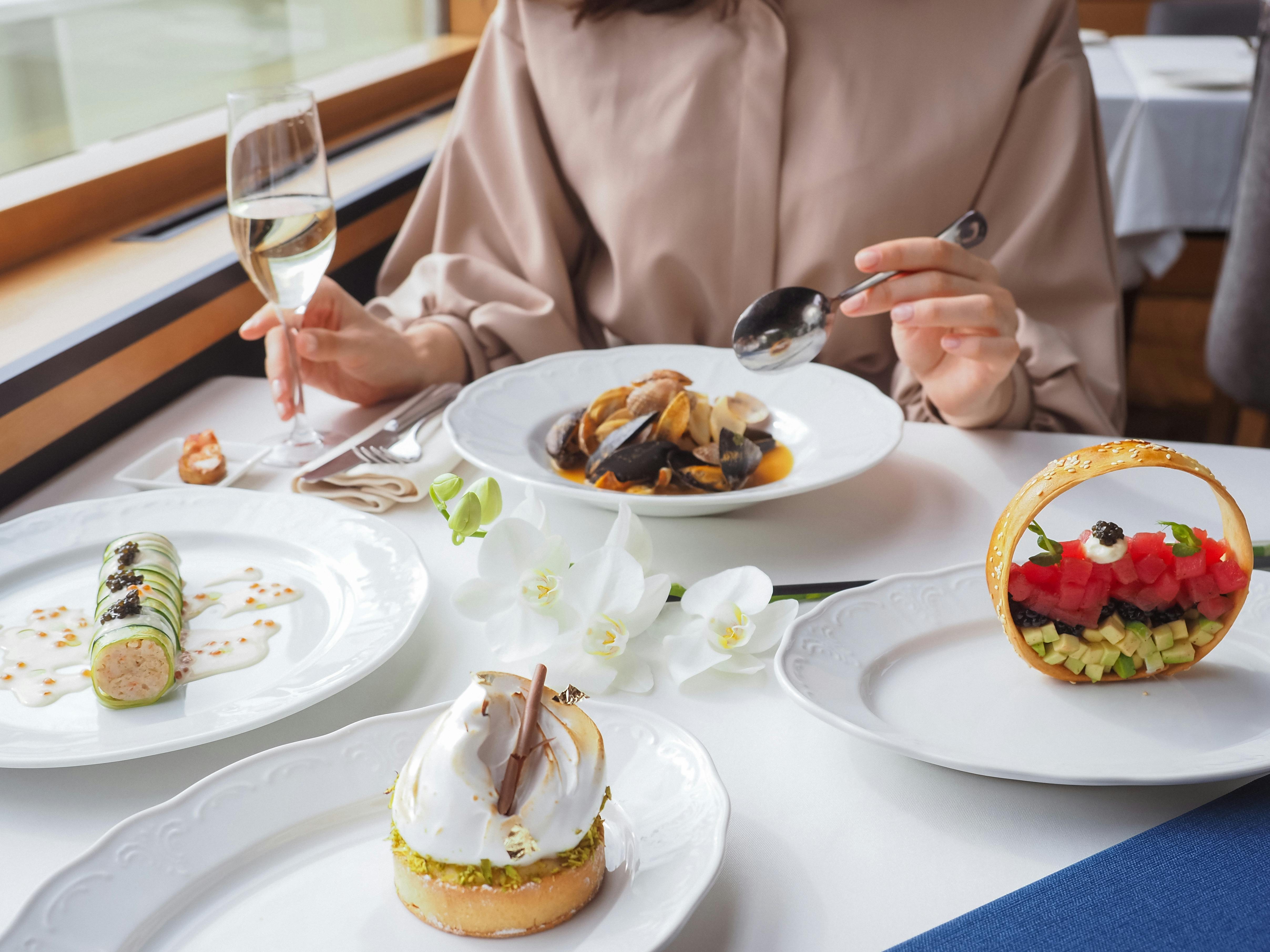
Food is also social currency. People signal sophistication, thrift, wellness, adventurousness, or authenticity through what they eat. In many settings, favorite foods become shorthand for education, class position, or lifestyle. That is why arguments about steak doneness, craft beer, wine, sushi, or fast food can become surprisingly tense. The disagreement is often about status as much as flavor.
Sociologists have studied how taste works as a marker of distinction. In practice, that means food preferences can become a subtle ranking system. If one person presents their choice as refined, ethical, informed, or superior, another person may feel pushed downward. Defensiveness is then a way of resisting that implied hierarchy and protecting self-respect.
Social media intensifies this dynamic. Platforms reward strong opinions, visual display, and identity signaling, so food conversations become performative very quickly. A viral post mocking pineapple on pizza or praising "real" barbecue is not just sharing a view. It invites people to take sides publicly. Once an audience is present, people often defend favorite foods more forcefully because they are also defending their social image.
The brain dislikes having its choices challenged

People like to believe their preferences are thoughtful and justified. When someone attacks a favorite food, it can trigger cognitive dissonance, the discomfort that appears when a cherished belief or choice is questioned. Instead of calmly reconsidering, the brain often looks for reasons to protect the existing preference. That response is common across politics, brands, sports teams, and food.
There is also a simple sunk-cost element. People spend years eating certain dishes, recommending them, learning to cook them, and attaching rituals to them. The more time and emotion invested, the harder it becomes to accept criticism without feeling foolish. Defending the food becomes a way to defend past choices and preserve a sense of consistency.
None of this means people are irrational for caring so much. It means favorite foods sit at the intersection of psychology and daily life. They involve habit, pleasure, memory, and belonging all at once. When a preference is reinforced over many years, even a small challenge can activate a larger protective response than the situation seems to deserve.
Better food conversations start with curiosity

The easiest way to lower defensiveness is to recognize that food opinions are rarely only about flavor. Asking why someone loves a dish often reveals family history, migration stories, holiday traditions, budget realities, or memories of comfort during difficult periods. Once that context is visible, the conversation changes. The food becomes less of a target and more of a story.
This is useful in homes, restaurants, and public debate alike. Instead of declaring that a dish is bad, it is more revealing to ask what makes it meaningful. That shift does not require fake agreement. It simply creates room for difference without contempt. Respecting a person's attachment to a food is not the same as pretending all foods are equal.
In the end, defensiveness around favorite foods makes sense because food is never just fuel. It is identity, memory, culture, and social meaning served on a plate. When people defend what they love to eat, they are often defending a deeper part of themselves. Understanding that does not end food arguments, but it makes them far more human.


Leave a Reply