
A dinner order can carry life-or-death consequences. That is exactly why false food allergy claims create so much tension in restaurants.
Why some diners say "allergy" when they mean preference

The easiest way to get a dish changed is often to use the strongest word available. In many restaurants, saying "I do not like onions" may lead to a suggestion, but saying "I am allergic to onions" triggers an immediate kitchen protocol. Diners notice that difference quickly.
Some people use the term because they want control, not drama. They may be avoiding gluten for lifestyle reasons, skipping dairy because it upsets their stomach, or following a diet they do not want to explain to a server. "Allergy" feels faster and more authoritative than listing a nuanced sensitivity or preference.
There is also confusion. Many people genuinely do not understand the difference between an allergy, an intolerance, and a dislike. A true allergy involves an immune response and can escalate rapidly. An intolerance may cause discomfort, but it usually does not require the same emergency precautions.
Why chefs react so strongly
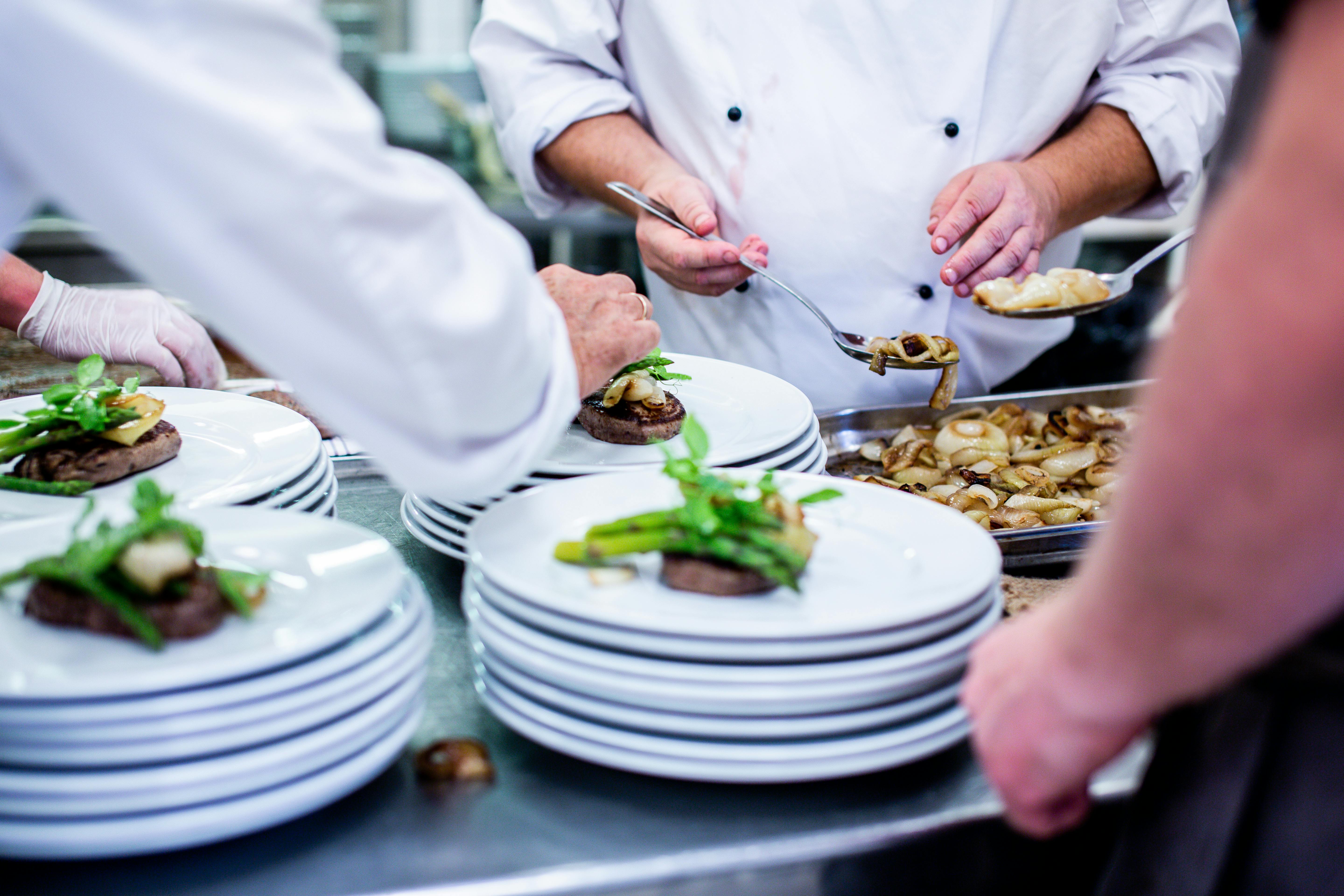
For chefs, an allergy ticket changes the whole flow of service. A cook may need to stop, sanitize a station, change gloves, use separate utensils, and double-check every ingredient in a sauce, garnish, or marinade. In a busy kitchen, that is not a small request.
The frustration comes when the claim falls apart at the table. Restaurant workers often describe guests who declare a severe dairy allergy, then order cheesecake, or insist on a shellfish allergy before asking whether fish sauce is really necessary. Those moments make cooks feel manipulated rather than trusted.
Chefs are not upset because they dislike accommodating medical needs. Most take genuine allergies very seriously because the stakes are high. What angers them is the casual misuse of language that turns a critical safety system into a convenience tool.
The real danger for people with genuine allergies

Trust is one of the most important ingredients in allergy-safe dining. When restaurant teams hear false claims repeatedly, skepticism can creep in, even if they know professionally they must treat every warning as real. That erosion of trust is dangerous for the people who cannot afford mistakes.
According to major public health agencies, food allergies affect millions of people and can trigger anaphylaxis, a severe reaction that may involve swelling, breathing trouble, and shock. Even trace exposure can matter. Cross-contact, not just visible ingredients, is often the main threat.
If staff become numb to allergy language because it is overused, the margin for error narrows. A real patient may sound, to a rushed server, like just another picky diner. That is the central ethical problem with pretending.
How restaurants are forced to respond
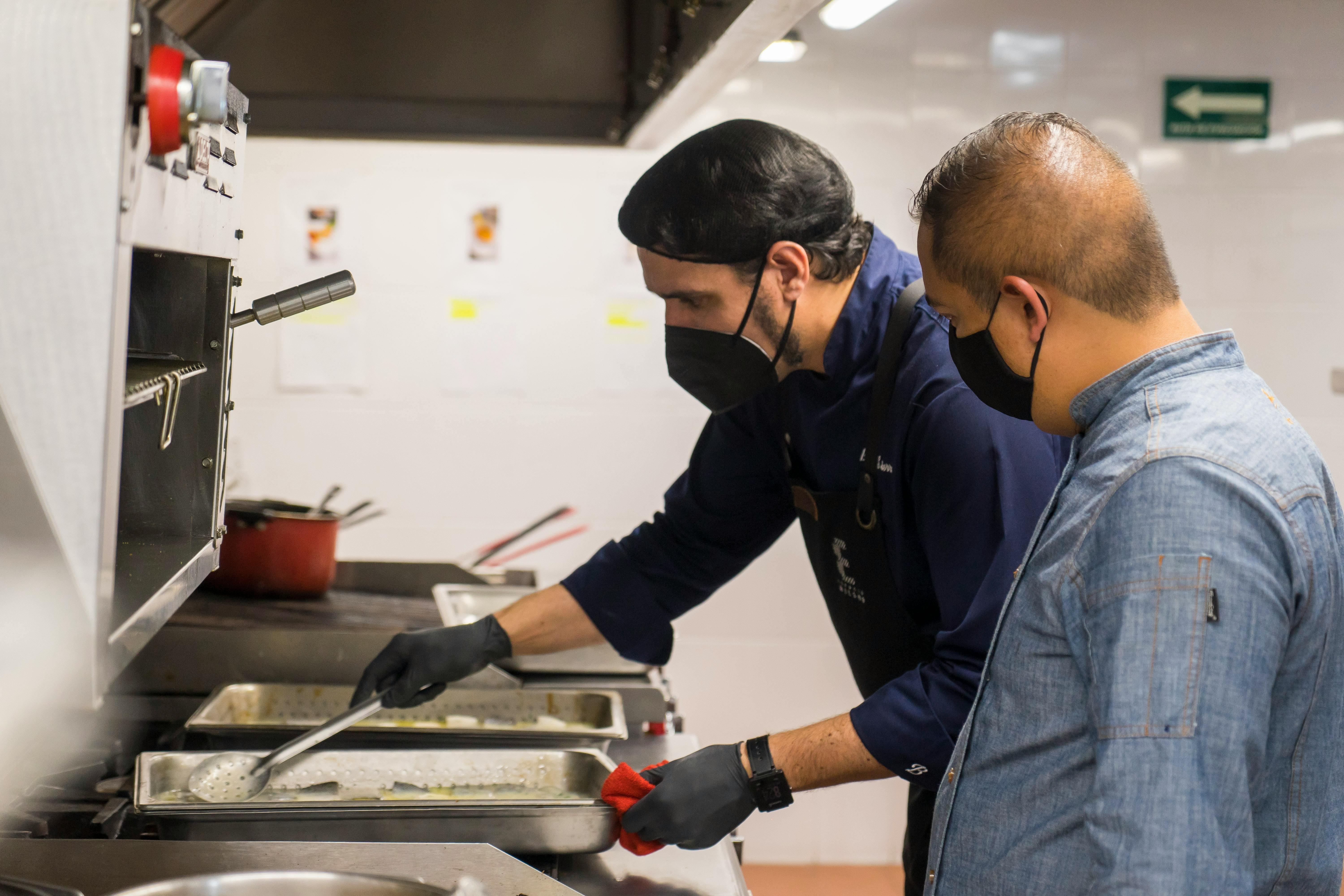
Many restaurants now build formal allergy procedures into daily operations. Staff training often includes ingredient verification, manager involvement, written allergy notes on tickets, and separate preparation steps. These systems are essential, but they also consume labor, time, and money.
For independent restaurants with small teams, one allergy order can affect multiple stations at once. Fryers may be shared, sauces may be pre-batched, and desserts may arrive from outside suppliers with long ingredient lists. Offering a safe meal sometimes means redesigning the plate entirely.
That pressure is one reason some businesses limit what they can promise. A bakery covered in flour dust may not guarantee a gluten-free environment. A seafood restaurant may warn that shellfish cross-contact is unavoidable. These are not excuses. They are practical risk assessments.
The social and cultural forces behind the trend

Food culture has changed dramatically over the past two decades. Ingredient scrutiny is common, wellness language is mainstream, and personalized eating has become part of identity. In that environment, medical wording can be borrowed casually, even by people who do not intend harm.
Social media has reinforced this behavior. Diners share menu "hacks," custom-order strategies, and ways to get restaurants to take requests more seriously. When people see that allergy language delivers results, the habit spreads, especially in settings where customers expect maximum flexibility.
At the same time, legitimate health conditions have become more visible. That is a good thing, but it can blur public understanding. Someone with celiac disease, someone with lactose intolerance, and someone avoiding carbs may all speak in similar shorthand, even though their needs differ greatly.
What diners should say instead

Clarity helps everyone. If an ingredient causes a true allergic reaction, say so plainly and mention the severity. If it is an intolerance, a religious restriction, or a simple dislike, explain that honestly too. Restaurants can often accommodate preferences better when they know the real issue.
Specific language matters. "I have a peanut allergy and cross-contact is a concern" is more useful than "I cannot have nuts." "Dairy makes me uncomfortable, but trace butter is okay" gives a kitchen room to answer accurately. Precision reduces confusion and improves safety.
Chefs generally want guests to enjoy their meal without fear. Most frustration disappears when diners are direct, informed, and respectful of kitchen limits. Pretending to have an allergy may seem harmless in the moment, but it burdens staff and can endanger the people who truly need protection.




Leave a Reply