
Food prices can feel local, but they rarely are. In Canada, one weak harvest can quickly echo from farm fields to checkout lanes.
A smaller crop means less food to sell
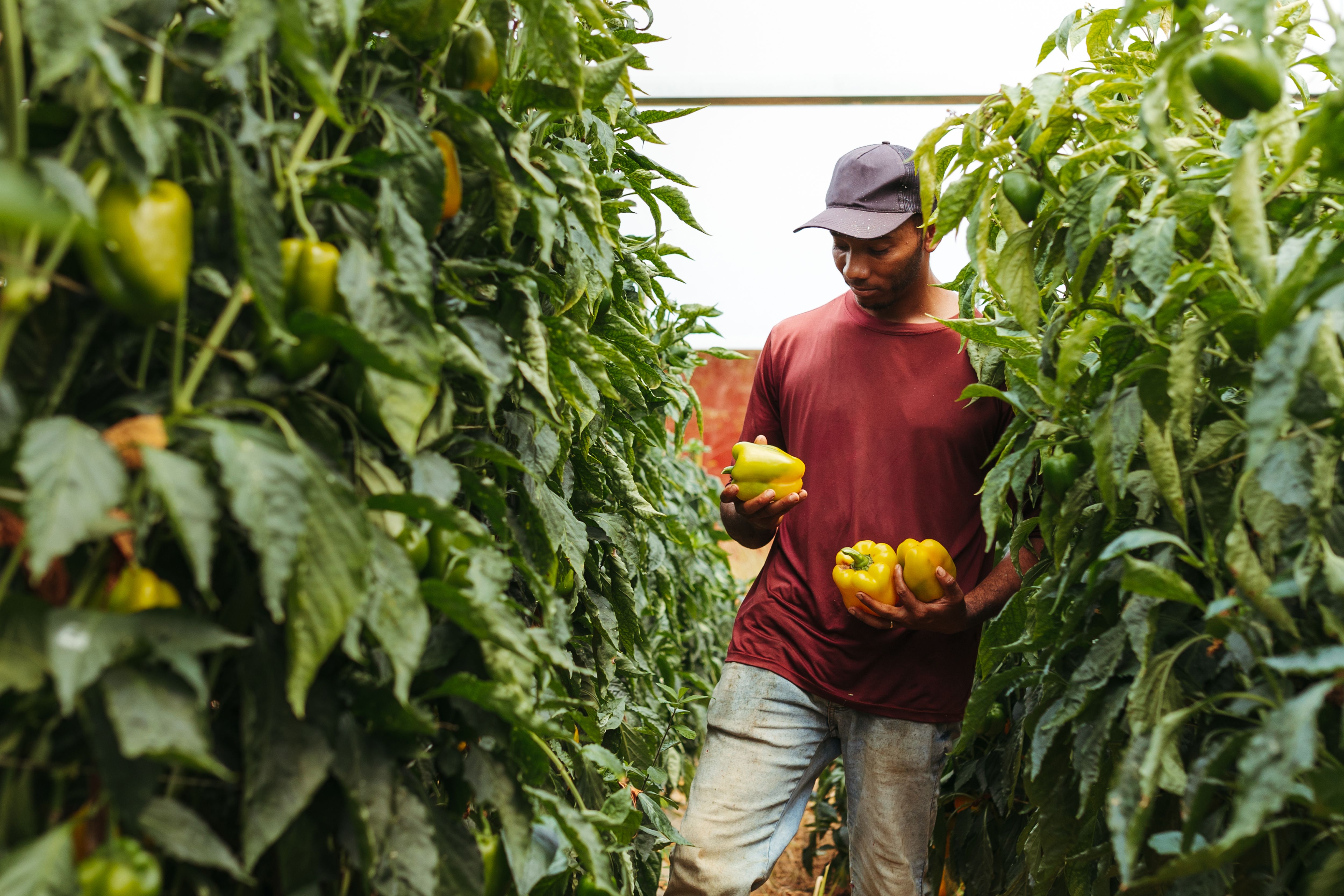
The most direct effect of a bad harvest is simple: there is less product available. When drought, flood, hail, heat, or early frost cuts yields, farmers bring fewer potatoes, onions, carrots, apples, grains, or berries to market, and buyers compete harder for what remains.
That tighter supply usually pushes wholesale prices up first. Grocery chains, processors, and food manufacturers often pay more to secure enough ingredients, especially when the crop loss affects staple foods with steady demand. Shoppers may not notice the jump immediately, but the pressure starts well before items reach the shelf.
Canada has seen this pattern repeatedly. Prairie droughts have reduced wheat and canola output, while extreme weather in British Columbia has hit fruit and vegetable growers. According to Statistics Canada and Agriculture and Agri-Food Canada, even one poor season in a major producing area can tighten supply enough to influence prices nationwide.
Canada depends on a connected food system

A bad harvest does not stay neatly contained inside one province. Canada's food system is tightly connected, so losses in one region often shift buying patterns, trucking routes, storage needs, and import demand across the country.
If Manitoba has a weak potato crop, buyers may turn to Alberta, Prince Edward Island, or U.S. suppliers. That sounds manageable, but alternative supplies are often more expensive because they travel farther or are already committed to other customers. The replacement product can also face packaging, grading, and timing constraints.
This is why grocery inflation often spreads beyond the farm that had the problem. Processors making fries, bread, cereal, soup, or baby food may all be competing for substitute inputs. Once several industries chase the same reduced pool of crops, the cost pressure broadens quickly.
Weather damage also raises farm and production costs
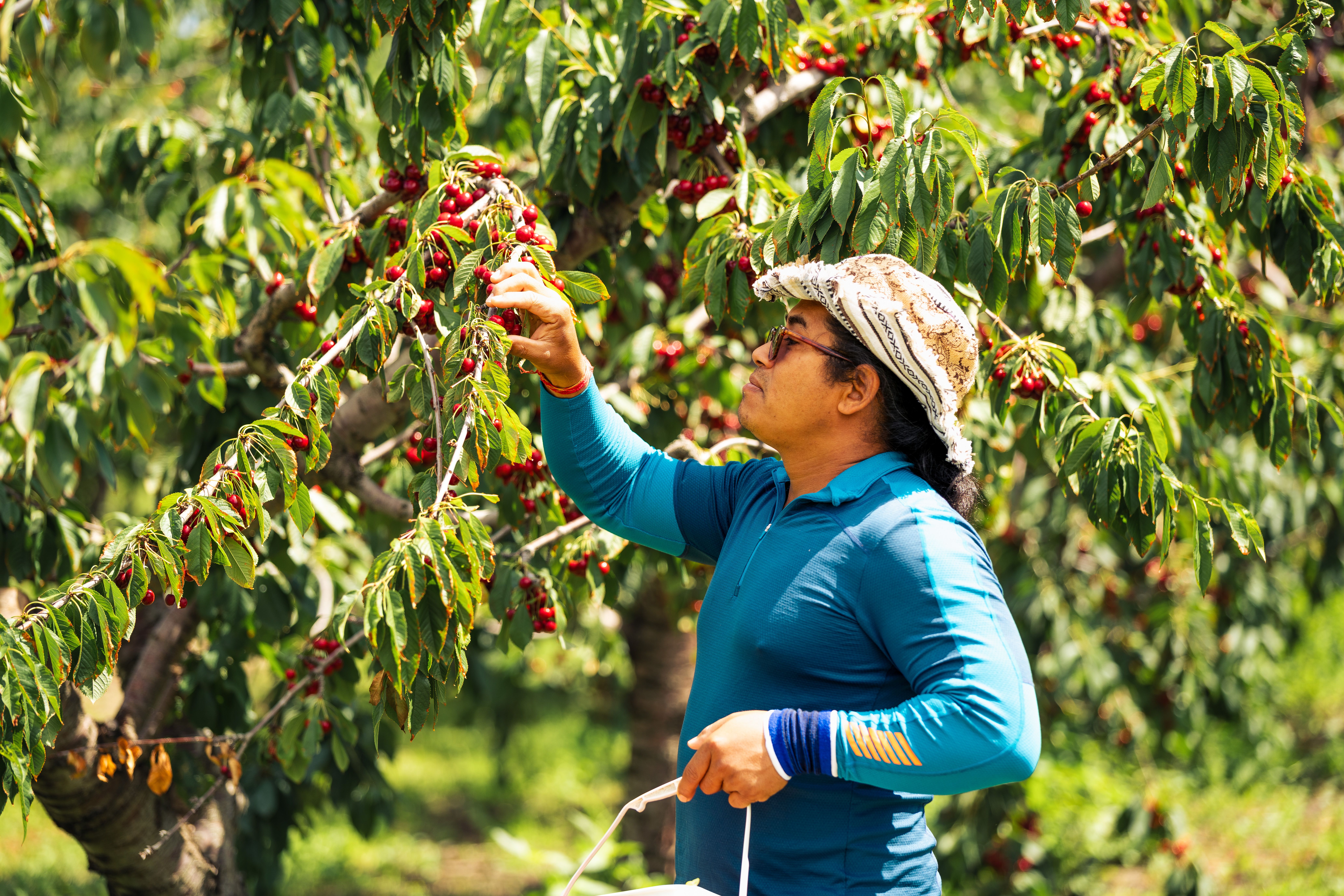
Poor harvests do more than shrink volumes. They often increase the cost of producing the next crop, which can keep prices elevated even after the immediate shortage eases.
Farmers facing drought may spend more on irrigation, livestock feed, crop insurance deductibles, fuel, and emergency inputs. Flooded fields can require replanting, drainage work, disease treatment, and extra labour. Heat stress can reduce quality as well as quantity, meaning more produce is rejected or sold into lower-value channels.
Those losses matter because farms operate on tight margins. If one bad season weakens farm finances, growers may scale back planting, delay equipment purchases, or exit certain crops entirely. Over time, reduced investment can make the next season less productive and prolong the effect on retail prices.
Imports help, but they are not always cheap

Canada imports a large share of its fruits and vegetables, particularly in winter, so replacing a failed domestic crop often means buying from abroad. That can soften shortages, but it does not guarantee lower prices.
Imported food comes with currency risk, freight charges, border logistics, and global competition. If the Canadian dollar is weak against the U.S. dollar, imported lettuce, berries, or citrus becomes more expensive before it even enters a distribution centre. Labour shortages and higher shipping costs can add another layer.
Global weather problems can make the situation worse. If California faces water shortages, Mexico deals with heat, or Europe loses grain output, Canadian buyers enter a crowded market. Reuters and major commodity analysts have repeatedly noted that simultaneous climate shocks in multiple regions can amplify food inflation far beyond any single farm failure.
Retail prices reflect more than the farmgate
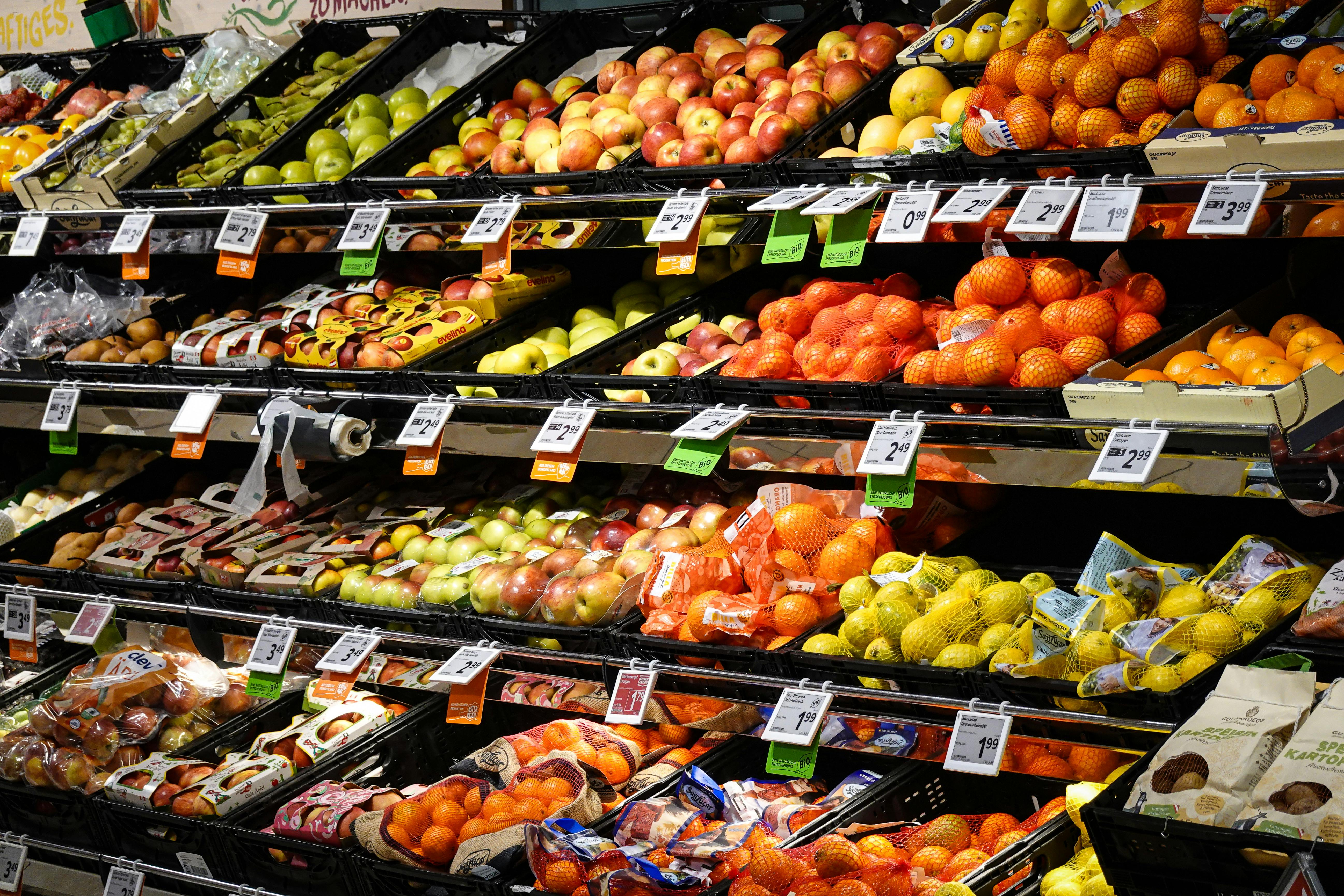
Many shoppers assume grocery prices rise only because farmers charge more. In reality, the farmgate price is just one part of the final bill, and every link in the chain can become more expensive after a bad harvest.
Food processors may need to sort lower-quality crops, source from multiple regions, or reformulate products to maintain output. Warehouses may handle smaller, less predictable deliveries. Trucking firms may travel longer distances to collect replacement supply, and retailers may face more spoilage on fragile produce.
That is why the shelf price of bread, chips, juice, or frozen vegetables can rise even when the farm share seems modest. Packaging, refrigeration, wages, insurance, and transportation all absorb the shock. By the time a product reaches consumers in Toronto, Winnipeg, or Halifax, the original harvest problem has multiplied into a broader cost increase.
Why Canadians are seeing this happen more often
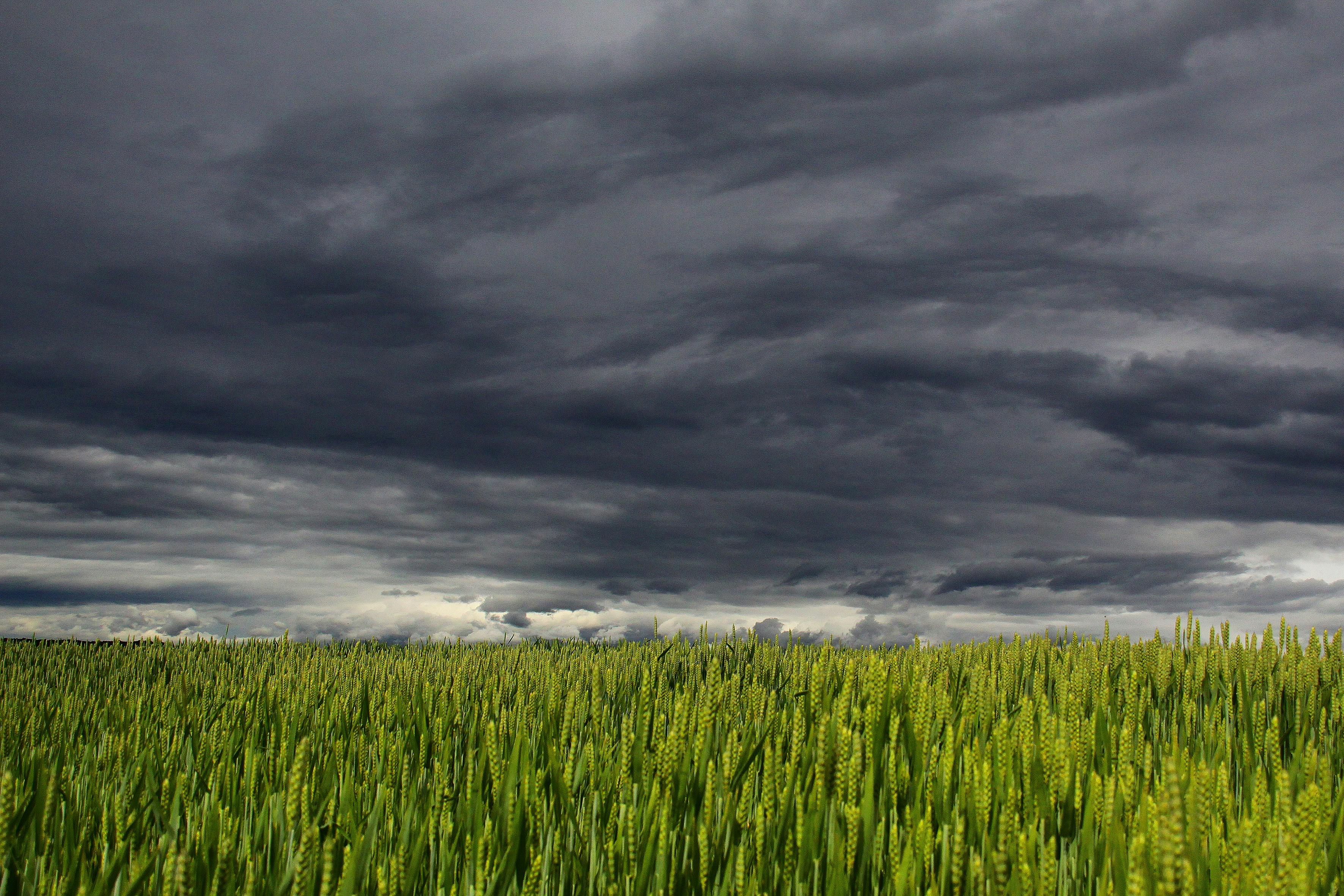
One bad harvest has always mattered, but climate volatility is making these episodes more frequent and more severe. Longer heat waves, heavier rainfall, wildfire smoke, and rapid temperature swings are creating more production risk for farmers across Canada and in the countries Canada relies on for imports.
That matters because food markets are efficient but not endlessly flexible. Inventories are lean, retailers aim to avoid waste, and just-in-time logistics leave less room for major disruptions. When a crop fails, there is often little slack in the system to absorb the blow without higher prices.
For Canadian households, the lesson is clear. Grocery inflation is not only about store policy or consumer demand. It is often the visible end of a long chain that begins with weather, harvest size, global trade, and the cost of keeping food moving from field to family table.




Leave a Reply