
That burst of fog over lettuce and herbs looks reassuring. But in most grocery stores, it is less about reviving produce and more about slowing visible loss.
Misting is really about moisture retention
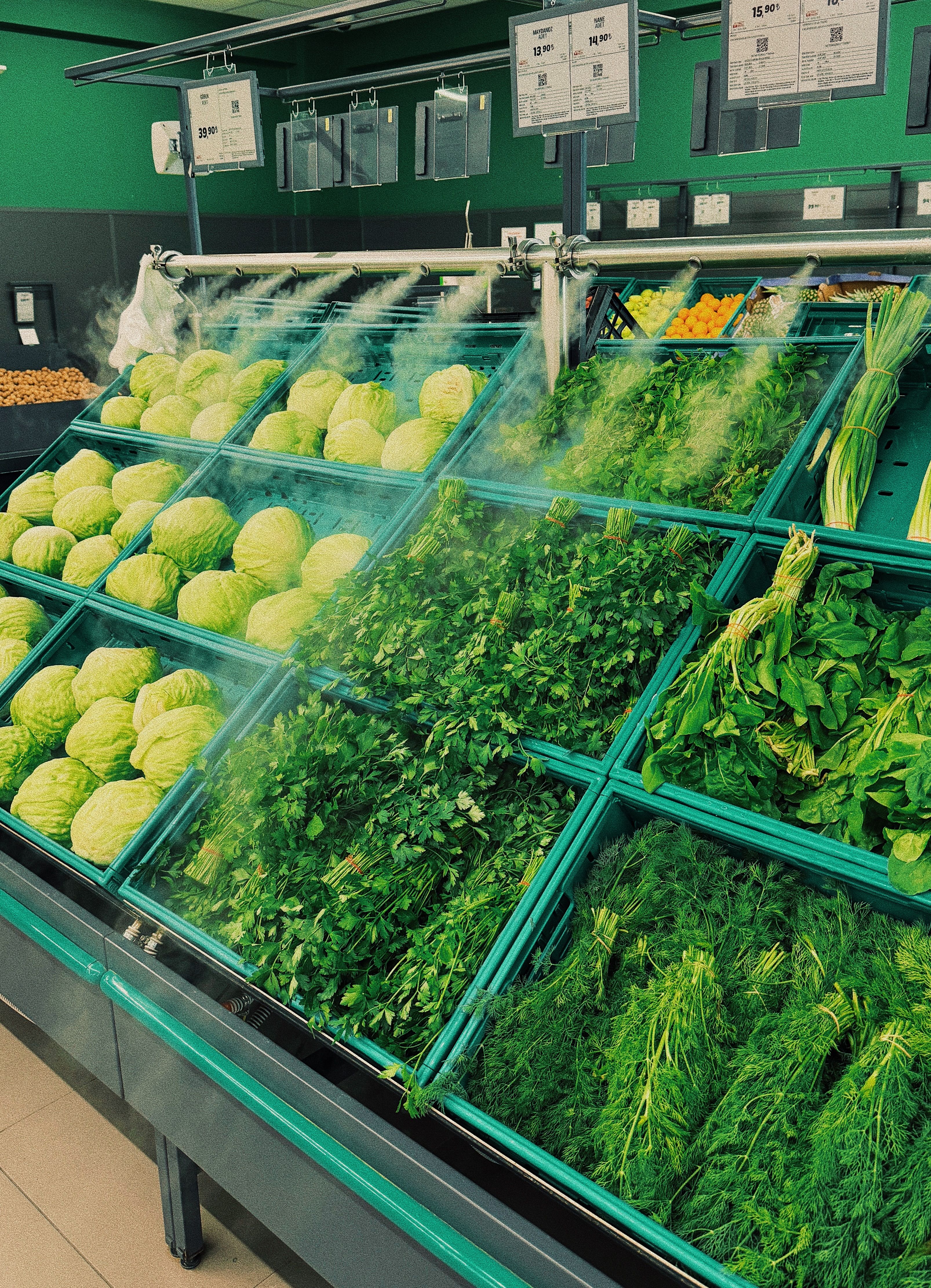
At its core, produce misting is a humidity-control tool. Leafy greens, broccoli, cabbage, and herbs lose water quickly once harvested, and that moisture loss shows up as wilting, limp leaves, and reduced crispness. Stores use misting systems to limit dehydration during display, especially under bright lights and moving air.
This matters because vegetables are still biologically active after harvest. They continue to respire, releasing moisture and gradually breaking down stored sugars. When the surrounding air is dry, that process speeds up the visible decline shoppers notice first.
In other words, mist does not make old vegetables fresh again. It helps slow the rate at which already-fresh produce loses water, structure, and marketable appearance while sitting in open refrigerated cases.
Weight loss is a business issue, not just a quality issue

One overlooked reason stores mist vegetables is simple economics. Produce sold by weight becomes less profitable when it dries out, because retailers paid for heavier inventory when it arrived. If bunches of greens or heads of broccoli lose water, they can lose measurable saleable weight too.
Industry guidance for produce handling has long emphasized shrink reduction, meaning losses from spoilage, dehydration, and unsold goods. A lightly misted display can reduce those losses by preserving water content in vegetables that are mostly water to begin with. Lettuce, for example, can be well over 90% water.
So the mist is not only protecting appearance. It is also helping stores protect margins by reducing dehydration-related shrink, a major concern in departments where profit can disappear quickly.
Some vegetables benefit, while others can be harmed
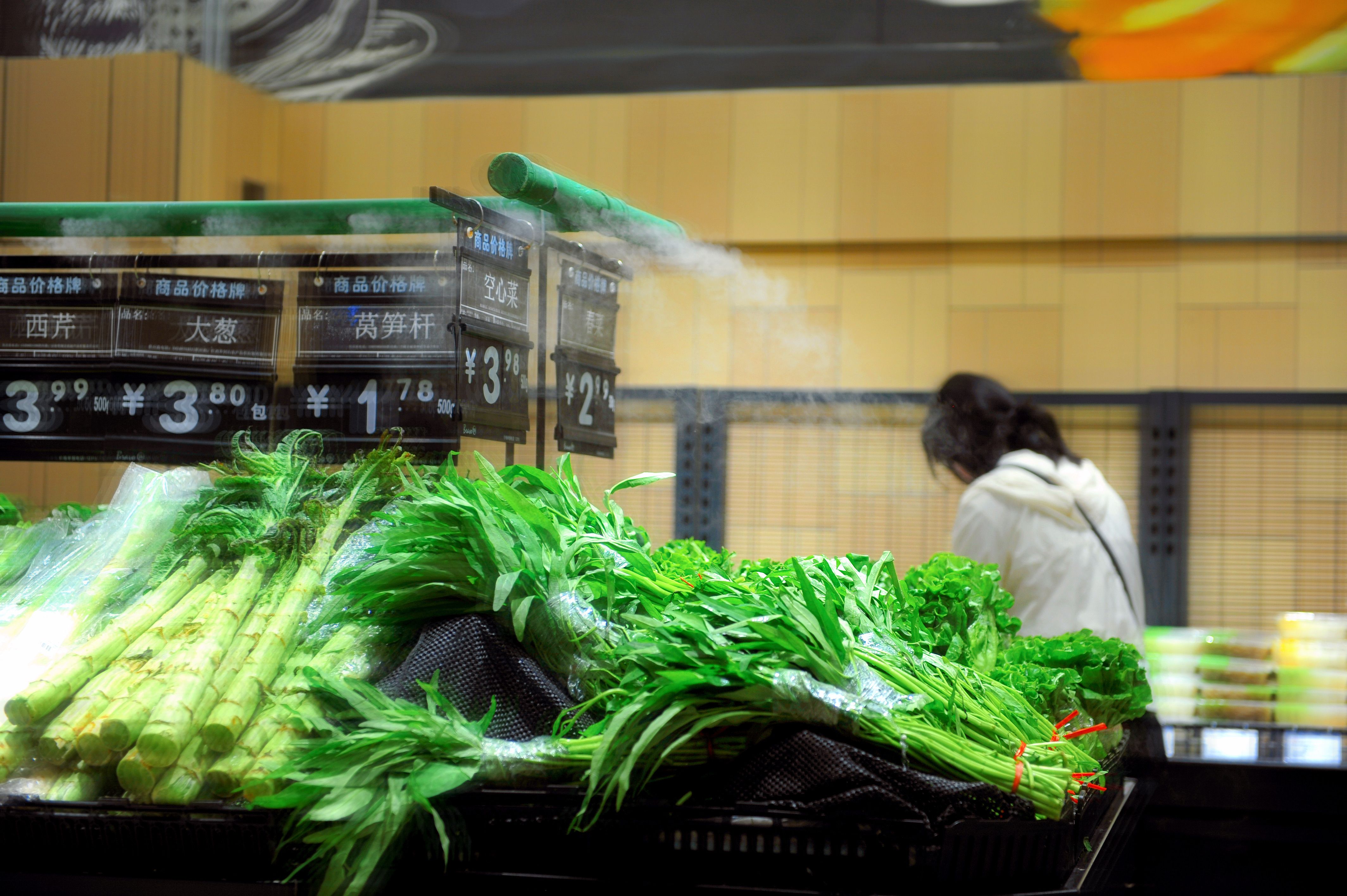
Not every vegetable belongs under a mister. Leafy items such as kale, parsley, cilantro, spinach, and romaine usually benefit from added humidity because they wilt fast and have large exposed surfaces. For them, moisture in the air can preserve turgor pressure, the cell-level firmness that makes produce feel crisp.
But vegetables like onions, garlic, potatoes, winter squash, and many tomatoes do poorly with direct misting. Too much surface moisture can encourage rot, mold, skin breakdown, or faster spoilage. Mushrooms are another category often handled carefully because they absorb water easily and can become slimy.
That is why supermarket produce sections are divided the way they are. The mister is usually targeted at high-humidity crops, while dry-storage produce is displayed elsewhere to avoid unnecessary moisture damage.
The visual effect is part of the strategy
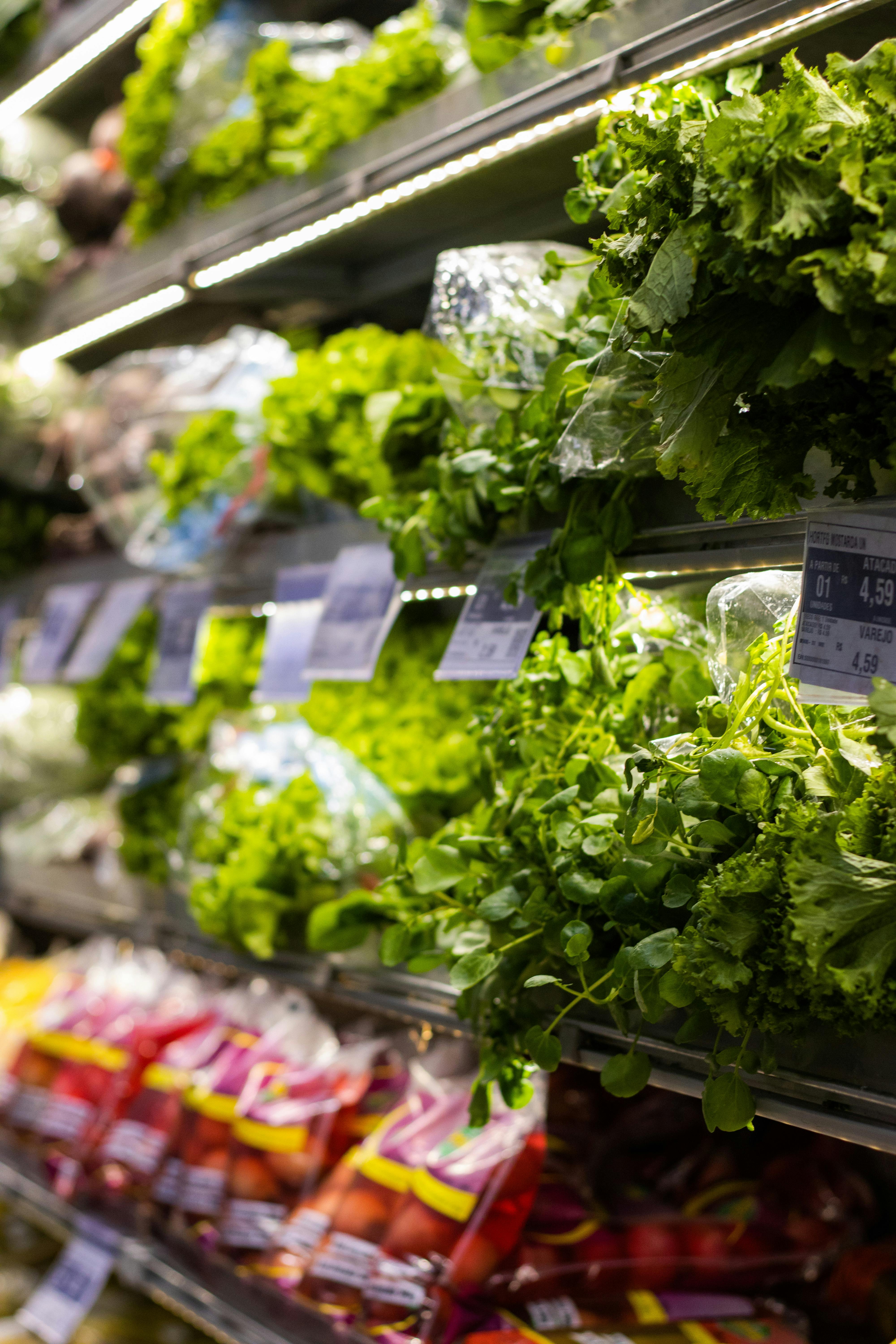
There is also a psychological layer to all this. A misting system signals abundance, care, and turnover, even if shoppers do not consciously think about it. The sound of the spray and the gleam of water on greens can make a display seem more alive and recently stocked.
Retail consultants and produce merchandisers have long recognized that shoppers buy with their eyes first. Bright color, firmness, and hydration cues strongly influence whether a customer believes produce is high quality. Misting helps reinforce those cues in a busy retail environment.
That does not mean stores are trying to deceive people. It means they are using a known presentation technique to keep vegetables visually appealing long enough for customers to choose them.
Food safety depends on how the system is maintained

Misting is not automatically a problem, but poorly maintained systems can create risk. If water lines, nozzles, or reservoirs are not cleaned correctly, bacteria can spread through standing water or contaminated equipment. Food safety experts stress that the benefit of humidity must be matched by sanitation.
That is why modern grocery operations typically pair misting with filtration, scheduled cleaning, and produce-specific handling rules. Trained staff also rotate stock, remove damaged leaves, and monitor temperatures, because mist alone cannot stop spoilage. It is only one part of a larger preservation system.
For shoppers, visible moisture is not a guarantee of quality. Crisp-looking produce can still be old, while dry-looking produce is not always inferior if it was stored properly.
What shoppers should actually look for
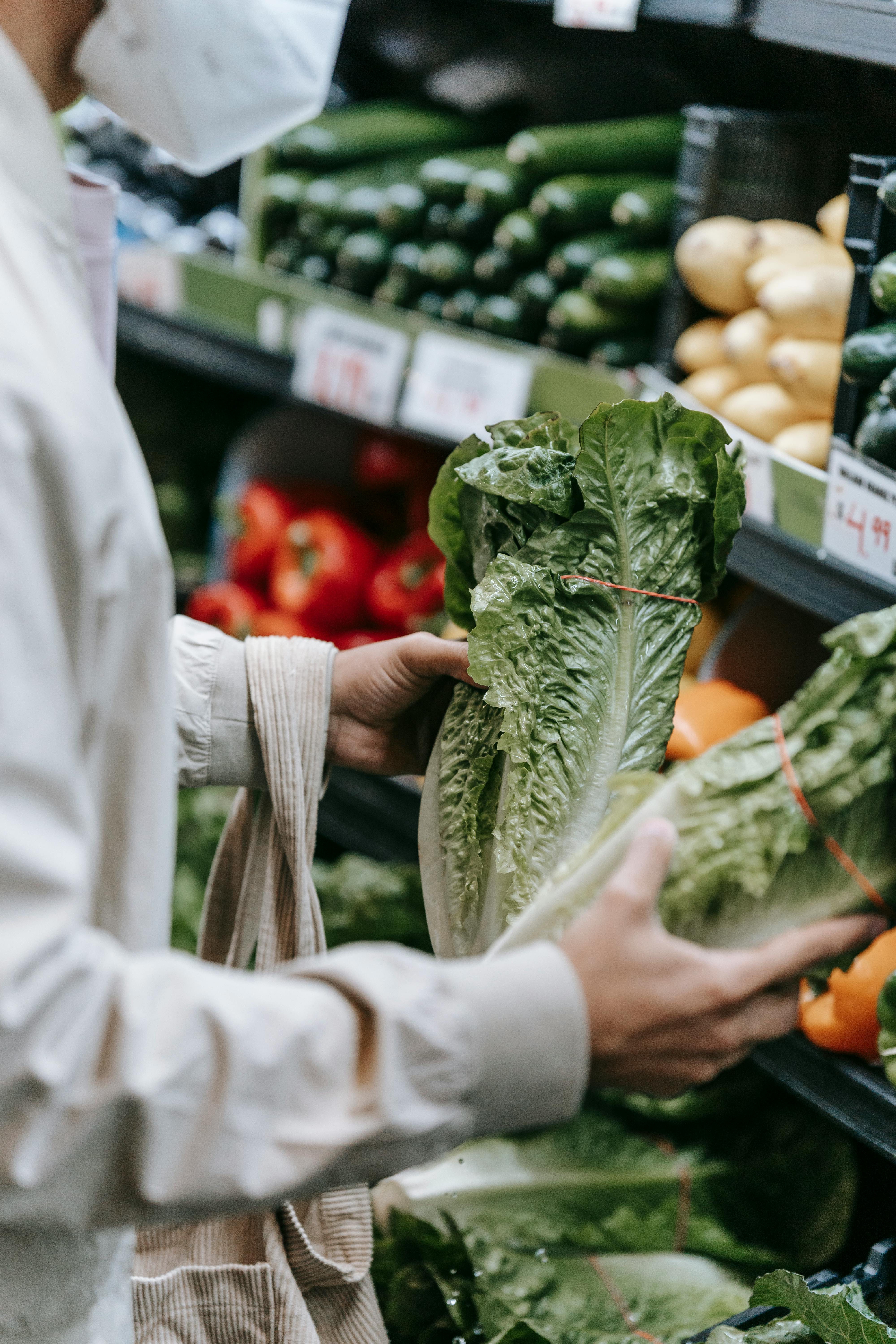
The best way to judge produce is not by the mist but by the vegetable itself. Look for firm texture, strong color, intact leaves, and minimal bruising or sliminess. Check the cut ends of bunches and stems too, because browning there often reveals age more clearly than surface moisture does.
It also helps to remember that water on the outside is different from freshness on the inside. A cucumber or head of lettuce can be sprayed regularly and still be nearing the end of its shelf life. Misting preserves condition, but it cannot reverse time or restore lost nutrients.
So the supermarket fog is mostly a holding tactic. It keeps the right vegetables from drying out, protects saleable weight, and improves presentation, all without magically making produce fresher than it already is.




Leave a Reply