
Canadian shoppers are watching every receipt more closely than ever. What happens next in the grocery aisle could have a real effect on household budgets this year.
Why this fight matters now

Food inflation is no longer an abstract economic story. It is a weekly frustration for families comparing flyers, trading down to store brands, and cutting extras from their carts.
The battle matters because Canada's grocery sector is unusually concentrated. Loblaw, Sobeys, Metro, Walmart, and Costco dominate sales in many regions, which means pricing decisions by a few companies can ripple through the entire market.
Pressure has also been building from Ottawa and provincial leaders. After years of public anger over food inflation, policymakers have pushed grocers to explain margins, promotions, and supplier relationships more clearly.
This year, the stakes are higher because inflation has cooled in some categories while sticker shock remains in others. That gap is forcing a bigger question: if costs are stabilizing, why do many shelf prices still feel stubbornly high?
The boycott that changed the conversation
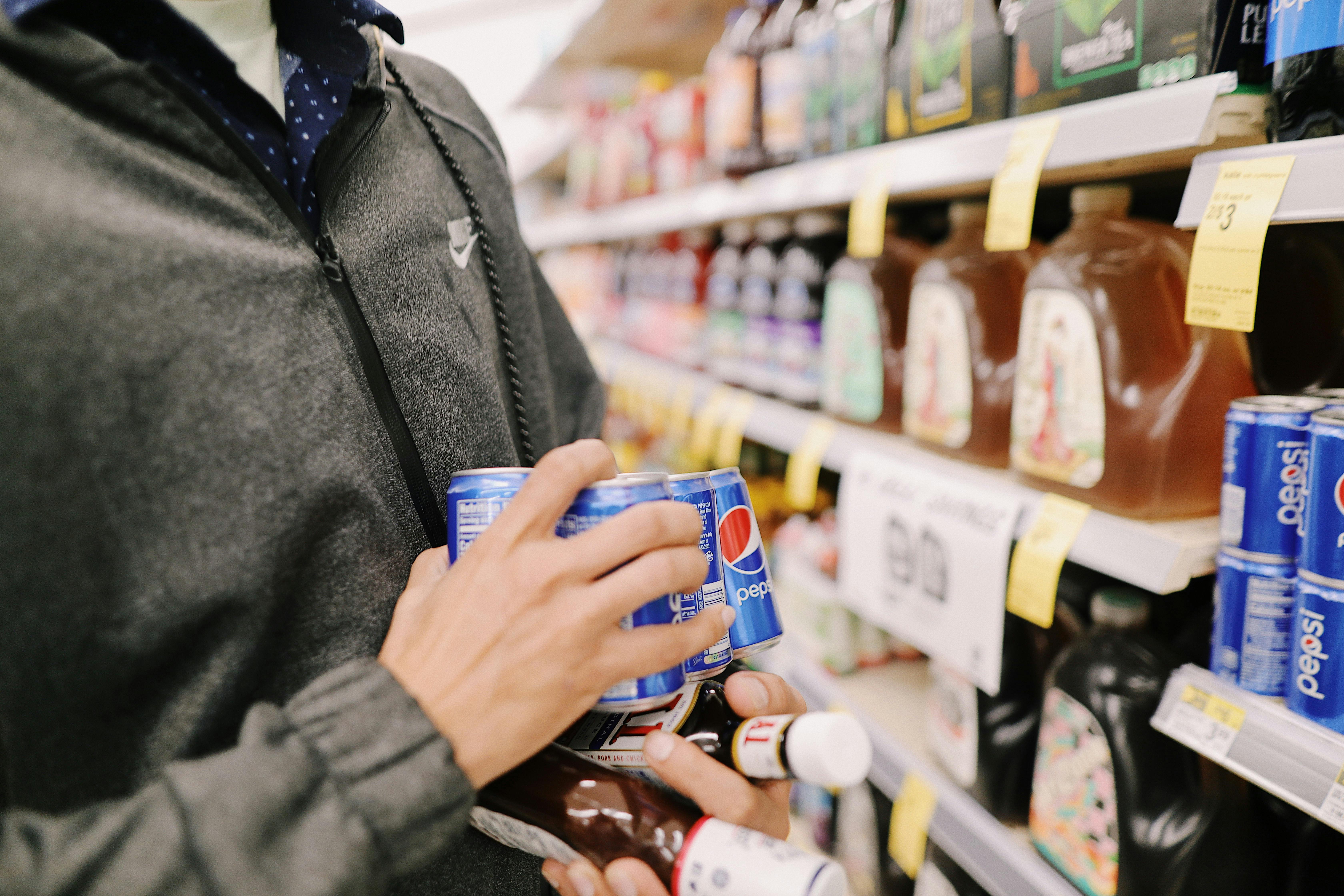
Public frustration found a focal point in the Loblaw boycott movement, which gained attention online and then spread into mainstream political debate. Even shoppers who did not fully participate helped amplify the message that consumers are tired of feeling powerless.
What made the boycott notable was not just lost sales, but lost trust. Critics argued that loyalty programs, shifting package sizes, and hard-to-compare promotions have made it harder for people to know when they are getting a fair deal.
Loblaw has defended its pricing and pointed to thin net margins, fierce competition, and supplier cost increases. Executives across the industry have repeatedly said grocers are not the only reason food became more expensive.
Still, the boycott changed the tone of the debate. It turned grocery pricing from a private annoyance into a national test of market fairness, transparency, and corporate accountability.
Discount chains are becoming the real battleground
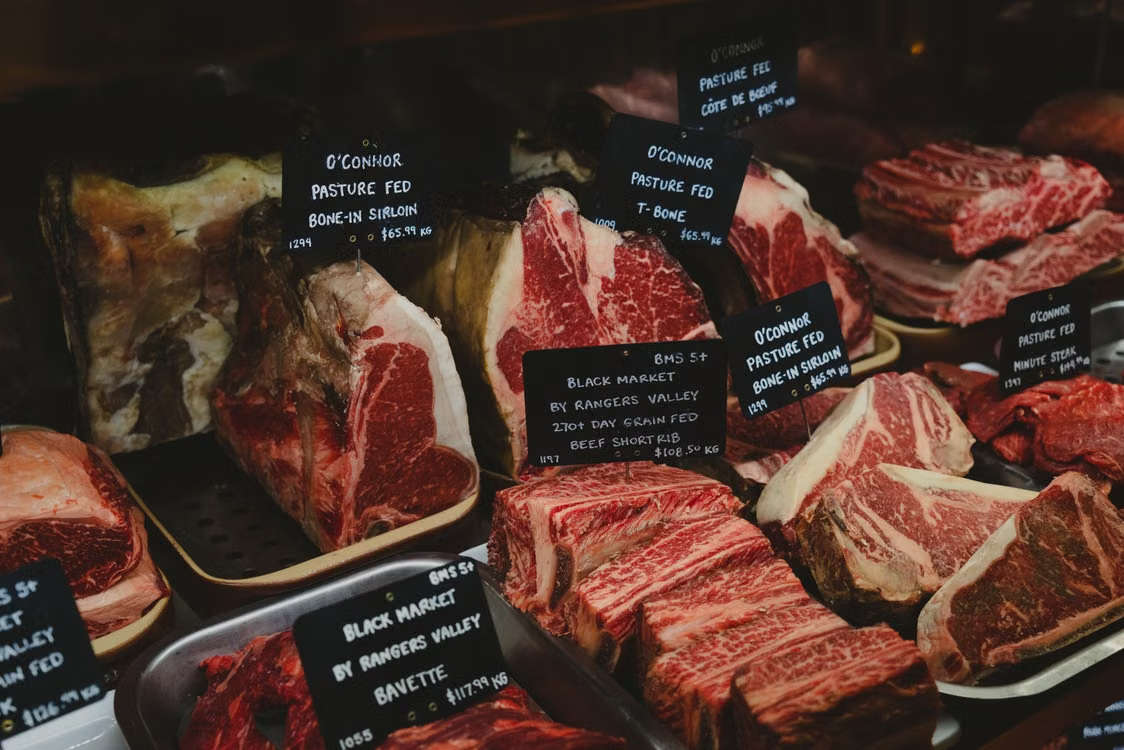
The most important competition may not be happening in premium supermarkets at all. It is happening in discount formats, where price-sensitive shoppers are driving traffic and forcing chains to sharpen their offers.
No Frills, FreshCo, Food Basics, Giant Tiger, and Walmart have become critical players in the fight for budget-conscious consumers. These stores are leaning harder on private-label goods, aggressive flyer specials, and simplified assortments to keep prices appealing.
That shift matters because discount growth can pressure the entire market. When more shoppers migrate to lower-cost banners, full-service chains often respond with sharper promotions, price freezes, or expanded value lines.
There is also a regional story here. In Western Canada, in Quebec, and in Atlantic markets, local competitive dynamics differ, which means price battles do not unfold the same way across the country.
Suppliers, fees, and the hidden cost struggle

A lot of the real conflict sits behind the shelf. Food manufacturers, farmers, and distributors have long argued that rising labour, transportation, packaging, and borrowing costs have squeezed them from every direction.
Suppliers have also complained about retailer fees, including penalties, listing charges, and promotional demands. Large grocers say such tools help manage inventory and keep stores efficient, but smaller suppliers often say the balance of power is one-sided.
That is why the grocery code of conduct has drawn so much attention. Supporters say a clearer framework could reduce disputes, improve negotiations, and create more predictable pricing relationships across the supply chain.
If that happens, shoppers may not see instant price cuts. But a fairer system could reduce sudden cost shocks, encourage product variety, and make future increases easier to trace and challenge.
What regulators and politicians are looking for

Governments are under pressure to prove they are doing more than holding hearings. The Competition Bureau has called for changes that would make it easier for new grocery rivals to enter the market and expand.
That includes closer scrutiny of property controls that can block competitors from opening nearby stores. Critics say restrictive leases and land agreements have, in some cases, limited consumer choice and protected incumbents from direct price competition.
Politicians are also watching merger activity, profits, and consumer complaints more closely. Even when no single move transforms prices overnight, stronger oversight can affect how confidently large chains push increases through the system.
The broader policy goal is simple: more competition, clearer pricing, and fewer barriers for smaller players. Whether that produces noticeable savings this year is the question shoppers care about most.
What Canadian shoppers should expect next

Do not expect a dramatic nationwide drop in grocery bills all at once. Food pricing is too complex, and many categories remain exposed to weather shocks, global commodity moves, and currency pressure.
What is more likely is a messy mix of outcomes. Some staples may see better promotions, more price matching, and stronger discount competition, while prepared foods and branded items may remain comparatively expensive.
Shoppers should also expect grocers to fight harder for loyalty. Better app offers, targeted discounts, and expanded private-label ranges are likely to be part of the strategy as chains try to hold market share.
The bigger change may be cultural rather than immediate. Consumers are more organized, regulators are more attentive, and grocers know pricing decisions now face far more public scrutiny than they once did.



Leave a Reply