
It is hard to imagine a modern kitchen without one. Yet the microwave oven came remarkably close to becoming a forgotten experiment.
A wartime accident started everything

The microwave oven began not in a home kitchen, but in an industrial lab tied to World War II radar research. In 1945, engineer Percy Spencer, working at Raytheon, noticed a candy bar in his pocket had melted while he stood near an active magnetron. That chance observation led him to test popcorn kernels and then an egg, confirming that microwave energy could heat food quickly.
What sounds obvious now was revolutionary then. Traditional ovens heated food from the outside inward, slowly transferring heat through hot air or metal. Microwaves excited water molecules inside food, dramatically shortening cooking time. According to Smithsonian accounts and company histories, Raytheon quickly understood the commercial potential.
Still, invention did not mean instant success. The earliest machines were huge, heavy, and designed for restaurants, ships, and institutional kitchens. They proved the science worked, but they were nowhere close to becoming an ordinary household appliance.
Early microwave ovens were too big and too expensive
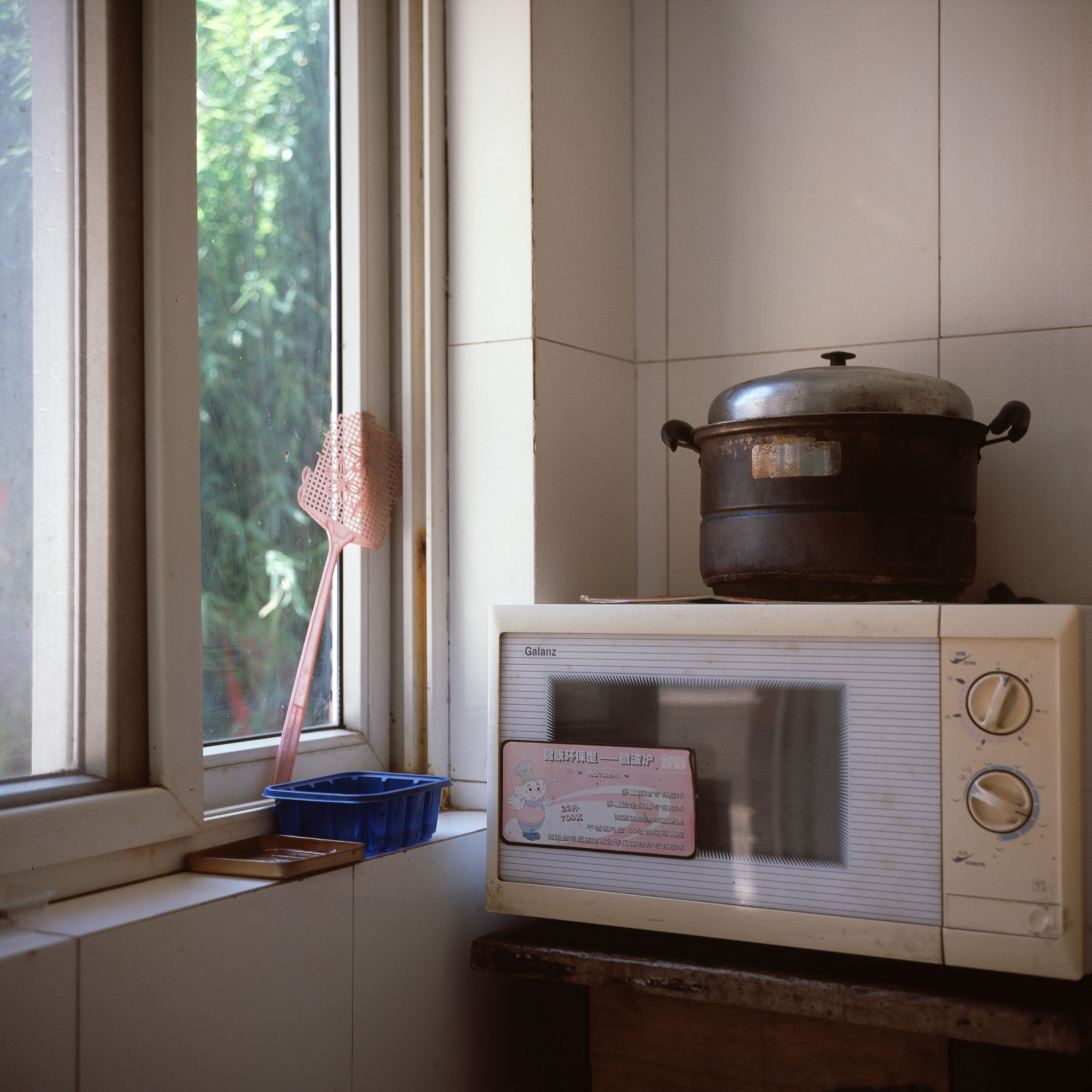
Here is where the story nearly broke down. Raytheon introduced the first commercial unit, the Radarange, in 1947, and it was nothing like the countertop microwave people know today. It stood about as tall as a refrigerator, weighed hundreds of pounds, and cost thousands of dollars, putting it far beyond the reach of typical families.
The machine also needed water cooling in some early versions, which made installation complicated. That limited its appeal mostly to hospitals, rail dining cars, and large food-service operations where speed mattered more than cost. In those settings, the microwave was useful, but hardly transformative for the public.
Consumer adoption stalled because the product was solving a problem most households did not yet feel urgently. Mid-century kitchens already relied on gas and electric ovens, and families were used to planning meals around them. Without affordability and convenience, the microwave looked less like a necessity and more like an expensive curiosity.
Public fear and confusion almost sank it

A second obstacle was cultural, and it was serious. Many consumers did not understand what microwaves were, and the word "radiation" triggered immediate concern. People worried the ovens would leak dangerous energy, alter food in harmful ways, or somehow make meals unnatural. Those anxieties spread faster because the technology felt invisible and unfamiliar.
Manufacturers had to spend years educating buyers. Regulatory standards improved confidence, and product testing showed that properly built ovens were safe when used as directed. Over time, government oversight and clearer engineering reduced leakage fears, but public trust did not appear overnight.
There was also a culinary problem. Early microwave cooking often produced uneven heating and odd textures if users treated the appliance like a conventional oven. Meat could turn rubbery, bread could toughen, and browning was limited. For many skeptical households, disappointing results seemed to confirm that the machine was a gimmick.
The turning point came when design caught up

The microwave's future changed in the late 1960s and especially the 1970s, when engineering improvements finally aligned with consumer needs. Amana, which Raytheon acquired, introduced a countertop model for home use in 1967. Smaller components, more practical dimensions, and lower prices made the appliance more realistic for suburban kitchens.
This was not just a technical shift. It matched a social one. More households had two working adults, frozen foods were expanding rapidly, and time-saving devices carried new appeal. The microwave fit a changing rhythm of life in which speed and convenience were no longer luxuries, but daily priorities.
Manufacturers also got better at marketing what the microwave actually did well. Reheating leftovers, defrosting meat, softening butter, and preparing simple meals were immediate, easy wins. Once families discovered those practical uses, the microwave stopped competing with the oven and started complementing it.
Frozen food helped turn the microwave into a habit
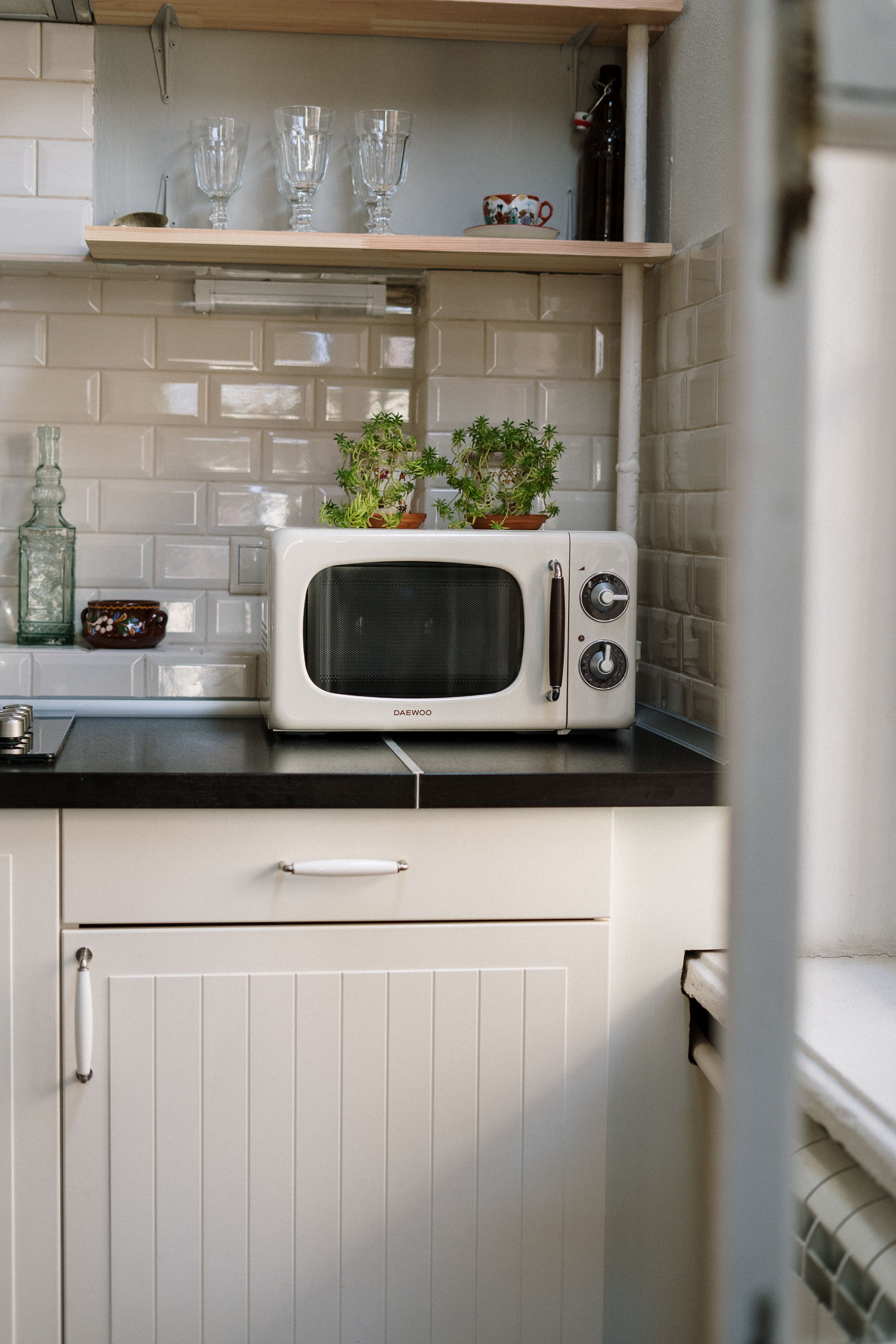
One of the smartest developments was the partnership, direct or indirect, between microwave makers and the frozen food industry. As food companies redesigned packaging and recipes for microwave heating, the appliance became easier to use successfully. That mattered because consumers judge tools by results, not by engineering elegance.
By the 1980s, microwave-safe containers, popcorn bags, and heat-and-eat meals gave households a clear reason to own one. Busy parents could warm dinner in minutes. Office workers could reheat lunch. College students could make simple meals with almost no equipment. The machine moved from novelty to routine.
Sales figures reflected that shift. By the late 1970s and into the 1980s, microwave ownership rose quickly across the United States, and similar patterns appeared in many other countries. What nearly failed in its first decades became one of the fastest-adopted kitchen technologies of the 20th century.
Why the microwave won its place for good
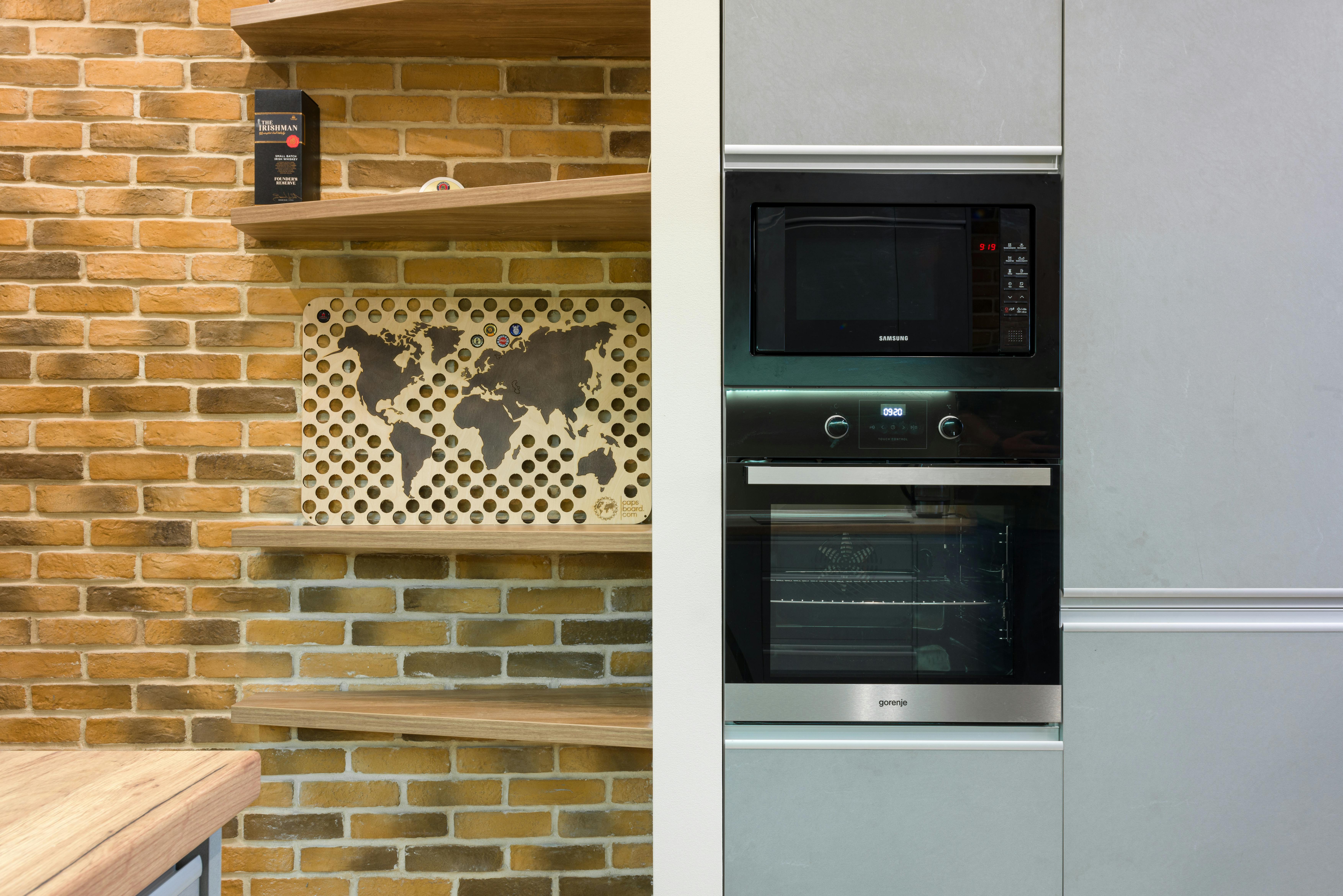
The microwave endured because it solved a real human problem better than rivals did. It did not replace every cooking method, and it was never ideal for everything. But for speed, convenience, and everyday reheating, it delivered consistent value that people could feel immediately in their schedules and food waste reduction.
Its rise also shows a larger truth about innovation. A technology can be scientifically brilliant and still fail if it arrives too early, costs too much, or frightens the public. The microwave survived because manufacturers improved size, safety, messaging, and usefulness until the product matched ordinary life.
Today, the microwave is so familiar that its difficult beginning is easy to forget. But its path from radar lab accident to global kitchen fixture remains one of the clearest examples of how consumer trust, practical design, and timing determine whether an invention disappears or takes over the home.




Leave a Reply