
Few supermarket items look more ordinary. Few are more strategically important.
Why the $4.99 chicken matters so much

At first glance, rotisserie chicken seems like a bargain designed simply to help families get dinner on the table. In reality, it is one of the clearest examples of a loss leader in modern retail. Stores often keep the price low, sometimes for years, even as feed, labor, packaging, and transport costs rise.
The reason is simple: shoppers rarely buy only the chicken. They also add salad kits, bread, drinks, side dishes, and desserts, turning one low-margin item into a much larger basket. According to retail analysts and supermarket executives, that secondary spending is where the economics begin to make sense.
Costco is the most famous case. The company has held its rotisserie chicken price at $4.99 for years and sells tens of millions annually, helping turn the bird into a symbol of member value. Its decision to protect that price, even through inflation, shows how powerful a single food item can be in shaping customer loyalty.
The supply chain is built for scale
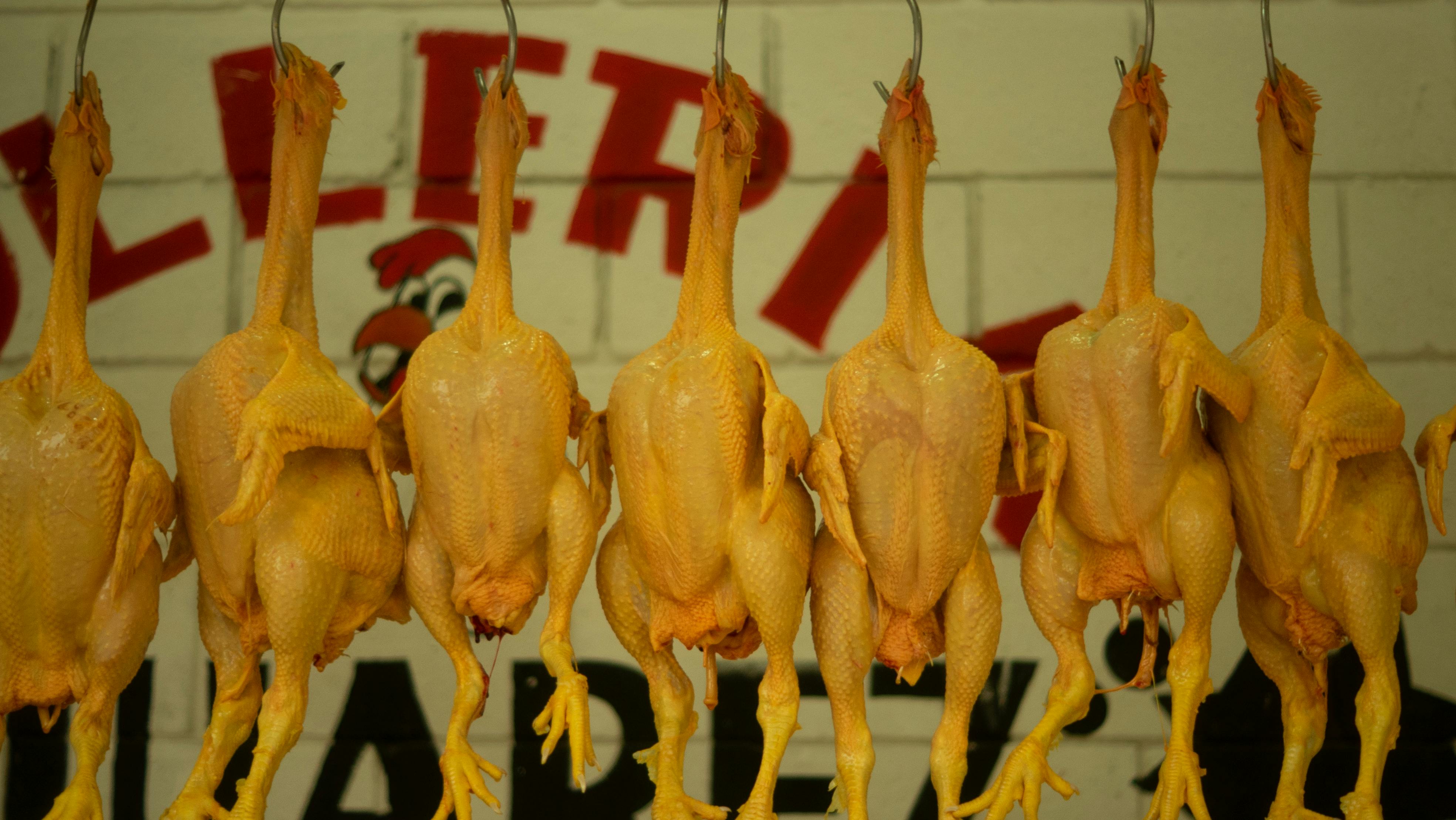
What looks like a simple cooked chicken at the deli counter is actually the end point of a highly engineered supply chain. Large retailers forecast demand by daypart, season, weather, and local shopping patterns, then coordinate deliveries of raw birds to individual stores with remarkable precision.
Some chains buy from major poultry processors, while others have invested more directly in production. Costco went further than most by backing its own poultry complex in Nebraska, a move widely reported as an effort to gain tighter control over cost, consistency, and supply.
That kind of vertical integration matters in a business where pennies count. If a retailer can reduce feed volatility, processing costs, or freight inefficiencies across millions of birds, the savings are substantial. The bird under the heat lamp may be inexpensive, but the machinery behind it is anything but casual.
Convenience is only part of the appeal
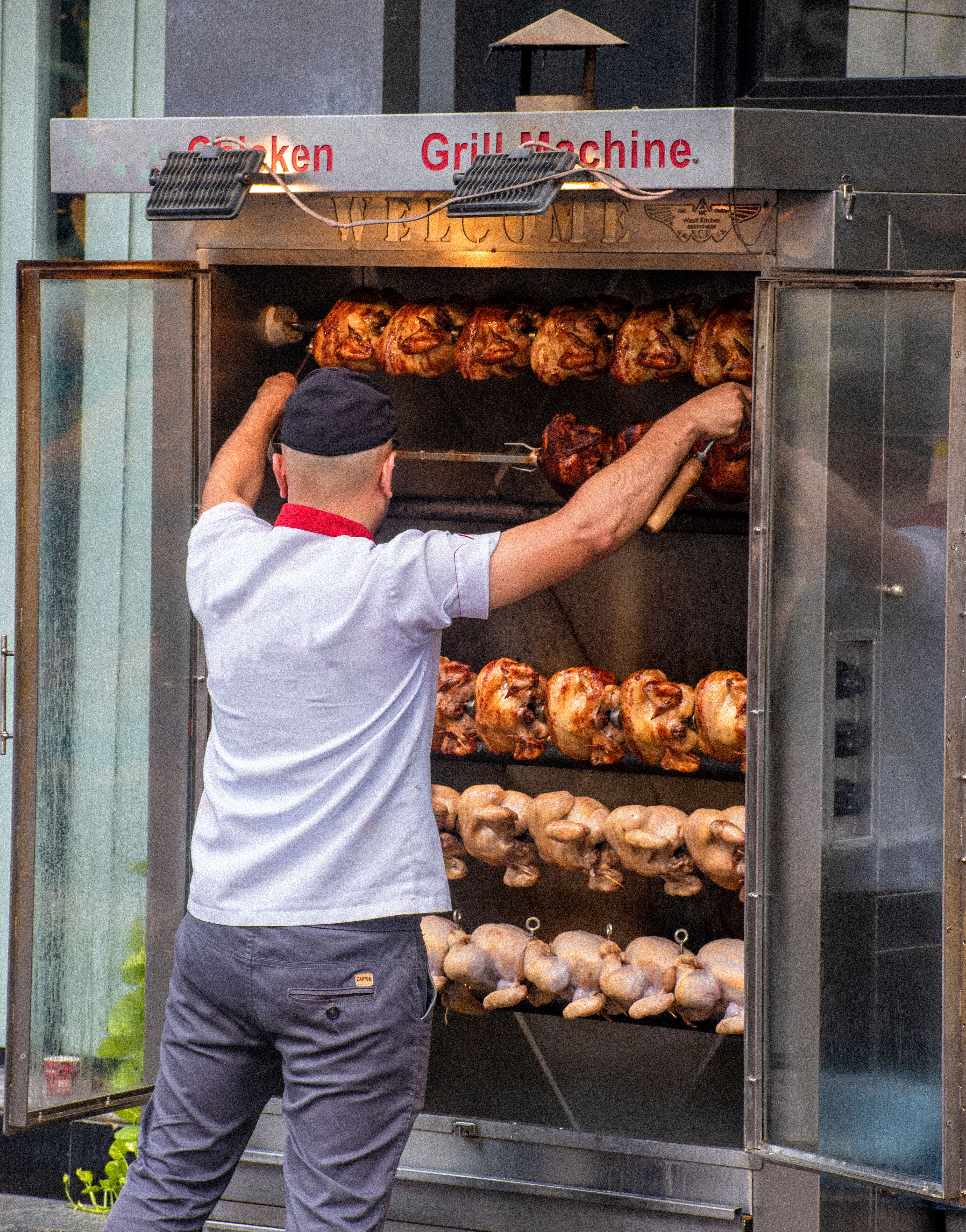
The success of rotisserie chicken is not just about price. It sits at the intersection of convenience, aroma, and perception. A hot, ready-to-eat meal solves an immediate problem for shoppers, especially working parents, commuters, and anyone trying to avoid takeout on a busy evening.
Placement inside the store is also deliberate. Many supermarkets position rotisserie chickens toward the back, encouraging shoppers to pass produce, packaged foods, and impulse items on the way. The smell from the deli area can act almost like live advertising, reinforcing freshness and appetite at the exact moment people are making dinner decisions.
There is also a psychological comfort factor. Rotisserie chicken feels more wholesome than many fast-food options and more affordable than restaurant meals. Even when margins on the bird itself are thin, the product strengthens the store's image as a practical place to solve everyday household needs.
Margins appear slim, but the model is powerful
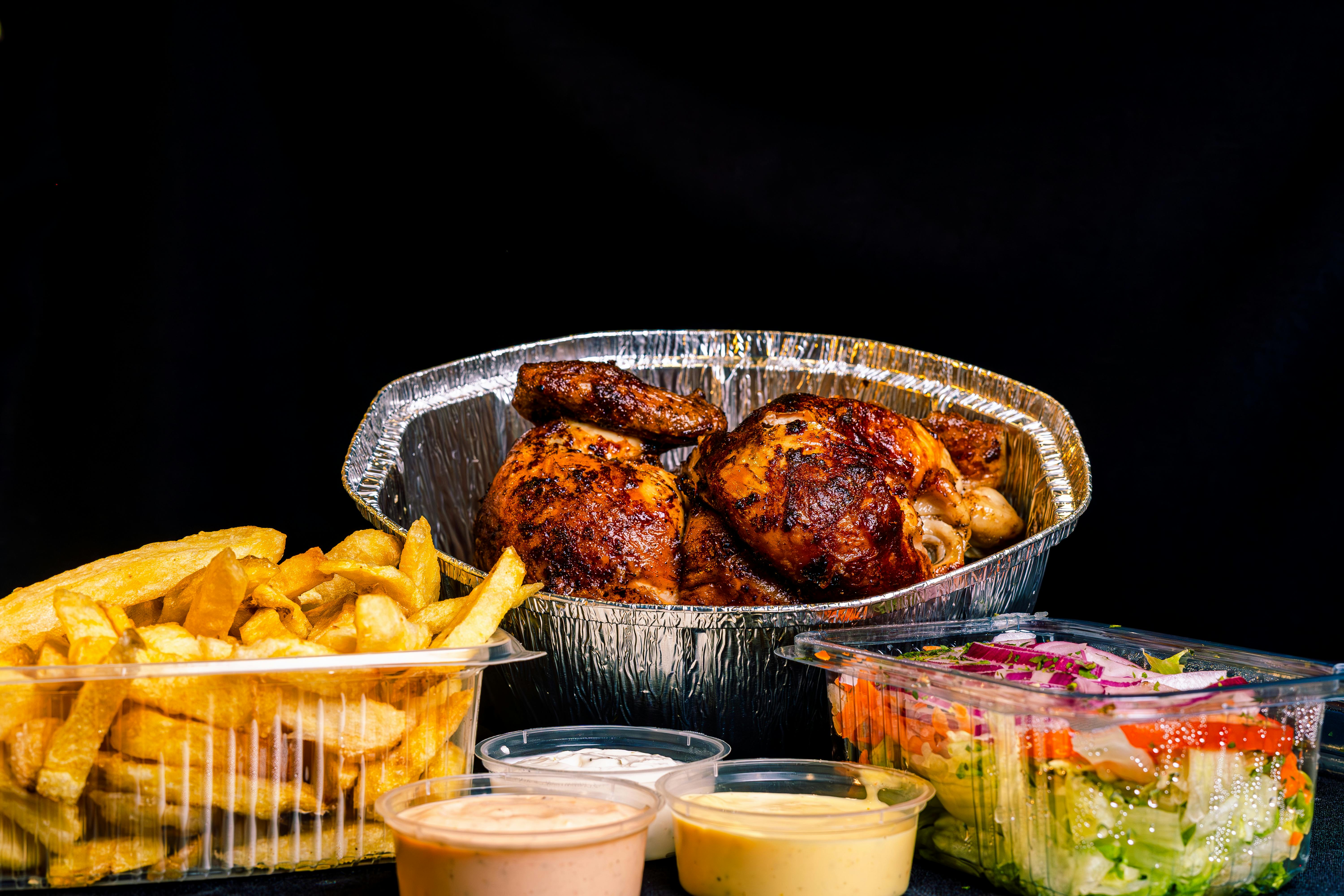
A single rotisserie chicken does not always produce a large direct profit. Raw poultry costs, seasoning, labor, cooking shrink, spoilage, containers, and energy all eat into the margin. Add credit card fees and food safety compliance, and the economics become even tighter.
Yet retailers do not evaluate the item in isolation. They measure halo effects such as larger average transaction values, more evening store visits, and stronger repeat traffic. In that sense, rotisserie chicken works more like a marketing tool that customers willingly carry to the checkout lane.
Prepared foods departments have become increasingly important as grocers compete with restaurants, meal kits, and delivery apps. Rotisserie chicken fits that shift perfectly because it can serve as dinner, lunch leftovers, sandwich filling, soup starter, or protein for multiple meals, making its value proposition unusually broad.
The hidden pressures behind every bird

There is a less visible side to this business. Poultry producers and retailers must manage animal health risks, labor shortages, refrigeration demands, and strict food safety standards. A disruption at any point, from hatcheries to trucking, can quickly affect availability and pricing.
Welfare and sourcing questions also shape the conversation. Consumers increasingly want to know how chickens are raised, what they are fed, and whether suppliers meet humane treatment standards. Retailers must balance those expectations with the relentless pressure to keep prices low and shelves full.
Waste is another challenge. Unsold birds have a short window of peak quality, so forecasting matters. Some stores repurpose leftovers into soups, salads, or chicken salad, improving yield and reducing shrink, but every step requires careful handling, labor, and compliance.
Why the business keeps growing
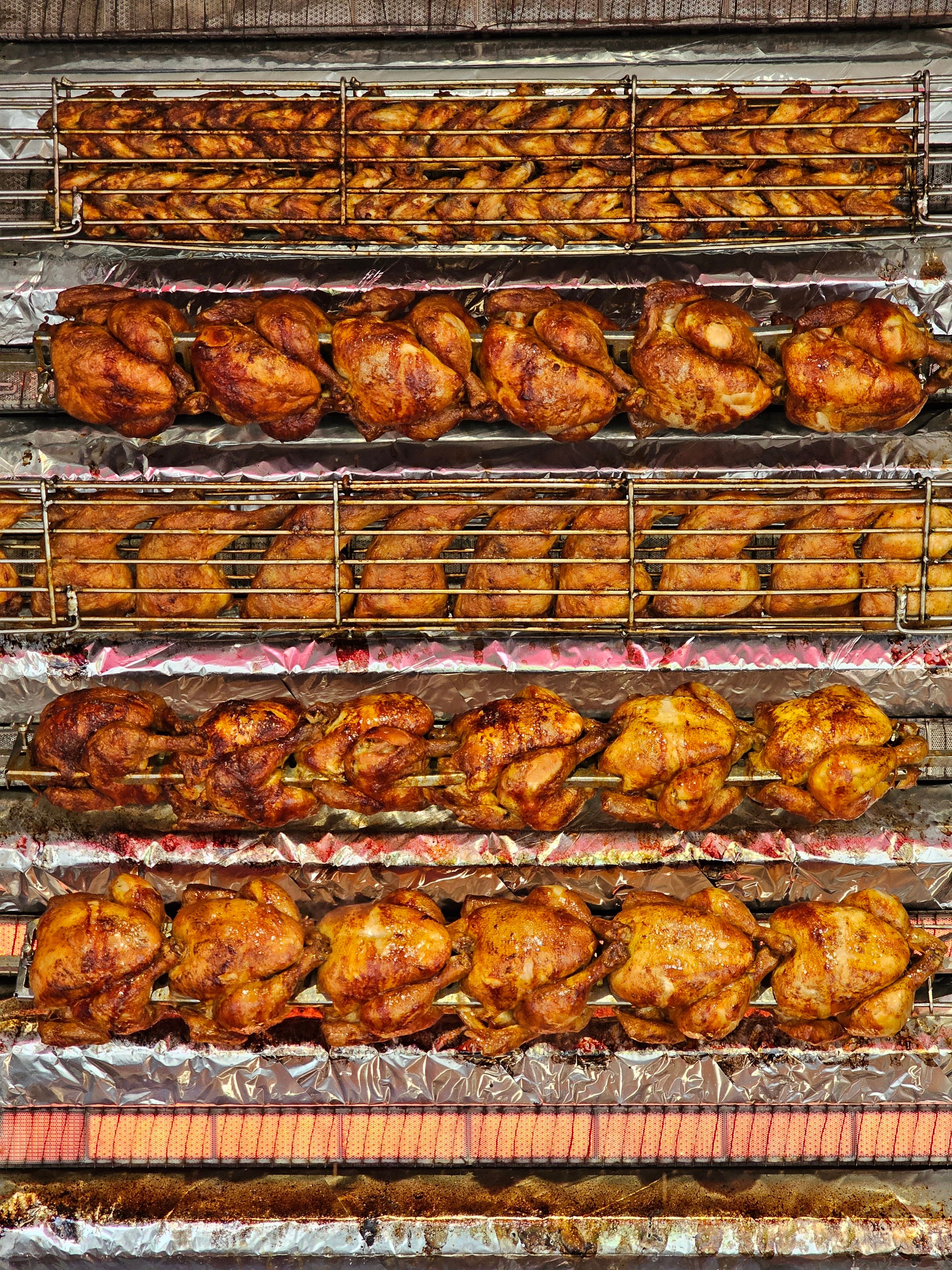
The rotisserie chicken business keeps expanding because it solves multiple retail problems at once. It drives traffic, signals value, supports prepared foods, and creates cross-selling opportunities. Few grocery items can claim that combination of emotional appeal and operational usefulness.
It also reflects a broader change in how supermarkets compete. Grocers are no longer just sellers of ingredients. They are meal providers, convenience operators, and brand managers trying to win dinner in a crowded market that includes restaurants, warehouse clubs, and delivery platforms.
That is why the glowing case of chickens near the deli remains such serious business. Behind each browned bird is a billion-dollar strategy built on scale, psychology, logistics, and repetition. The product may look simple, but its commercial logic is among the smartest in food retail.


Leave a Reply