
For many Canadians, the grocery store used to feel ordinary in the best possible way. Looking back at the 1990s, that ordinary experience now seems surprisingly rare.
Lower prices felt normal, not like a weekly victory

The first thing many shoppers remember is not décor or branding. It is the bill at the checkout and the sense that food costs stayed within reach for middle-income families.
In the 1990s, groceries took a smaller bite out of household budgets than they do for many families now. Statistics Canada data over time shows food inflation has become a much sharper public concern in recent years, especially after the pandemic and supply chain shocks. What people miss is not that food was always cheap, but that price spikes were less relentless and less visible.
There were also fewer premium layers built into the average shopping trip. Stores carried plenty of private-label basics, but they had not yet reorganized large sections around upscale convenience, wellness branding, and specialty imports that quietly push baskets higher. A routine trip for bread, milk, pasta, produce, and cereal felt more predictable.
Stores were simpler, and that made shopping easier
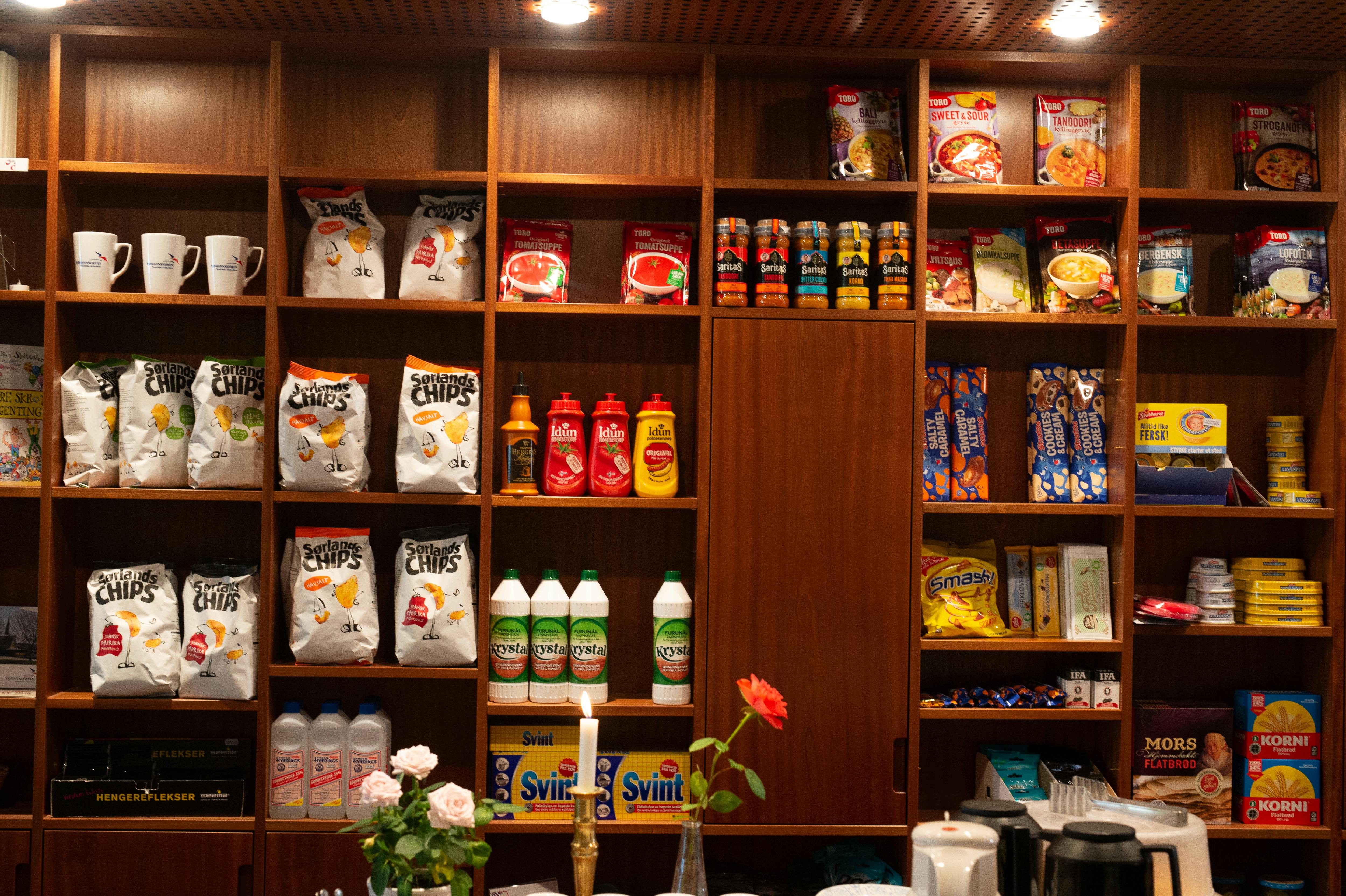
One overlooked reason for the nostalgia is layout. Many 1990s Canadian grocery stores were plainer, more direct, and less engineered to turn every visit into an extended retail experience.
Aisles were often narrower, signage was simpler, and product assortments were more limited. That may sound less appealing on paper, yet for busy shoppers it reduced decision fatigue. Behavioral researchers have long noted that too much choice can increase stress, and modern grocery stores often deliver exactly that problem.
The older model also made stores feel more local and less interchangeable. A Loblaws, Sobeys, IGA, or regional independent still followed broad retail rules, but many locations retained quirks in product mix and service. Today, highly standardized renovations can make multiple chains feel like versions of the same concept.
Staff knew customers, and service felt more personal

What many people miss is not just the store itself, but the human rhythm inside it. In the 1990s, grocery shopping more often involved repeated contact with the same cashiers, stock clerks, deli workers, and butchers.
That familiarity mattered. Smaller teams and steadier staffing created a sense that someone knew where an item was, remembered your usual order, or could suggest the best produce that day. Retail experts often point out that loyalty is built through repeated low-stakes trust, and grocery stores used to generate a lot of it.
The decline of that feeling has several causes, including labor cost pressures, self-checkout expansion, and higher employee turnover across retail. None of those changes are uniquely Canadian, but their effect is easy to feel. Efficiency improved in some ways, while warmth often disappeared.
Fresh departments once felt more like food markets

Another powerful memory centers on butcher counters, bakery sections, and produce displays. In many 1990s stores, these departments felt less like branded zones and more like working parts of a food market.
That did not mean quality was universally better. But it often felt more transparent. Meat cutters were visible, bread was baked with fewer marketing layers around it, and produce was presented more seasonally. Shoppers could see the limits of winter selection in Canada, which made summer abundance feel real rather than staged year-round.
This shift also reflects consolidation in food retail. As supply chains became more centralized, stores gained consistency but lost some individuality. The result is a modern shopping environment that may be operationally impressive, yet can feel detached from the food itself.
The store was part of neighbourhood life
For many Canadians, the 1990s grocery store sits in memory alongside video rentals, shopping malls, and community arenas. It was one of the routine places where neighbourhood life actually happened.
People ran into teachers, coaches, coworkers, and relatives in the aisles. Bulletin boards advertised babysitters, church suppers, and used furniture. Even small interactions at checkout helped reinforce a sense of local belonging. Urban sociologists often describe these familiar public routines as part of a community's social fabric.
Today, that fabric is thinner. Bigger stores, faster trips, online ordering, and pickup services save time, but they reduce casual contact. The loss is subtle, which is why it is often expressed as nostalgia rather than policy. Still, the social change is real.
Nostalgia matters because it reflects genuine change
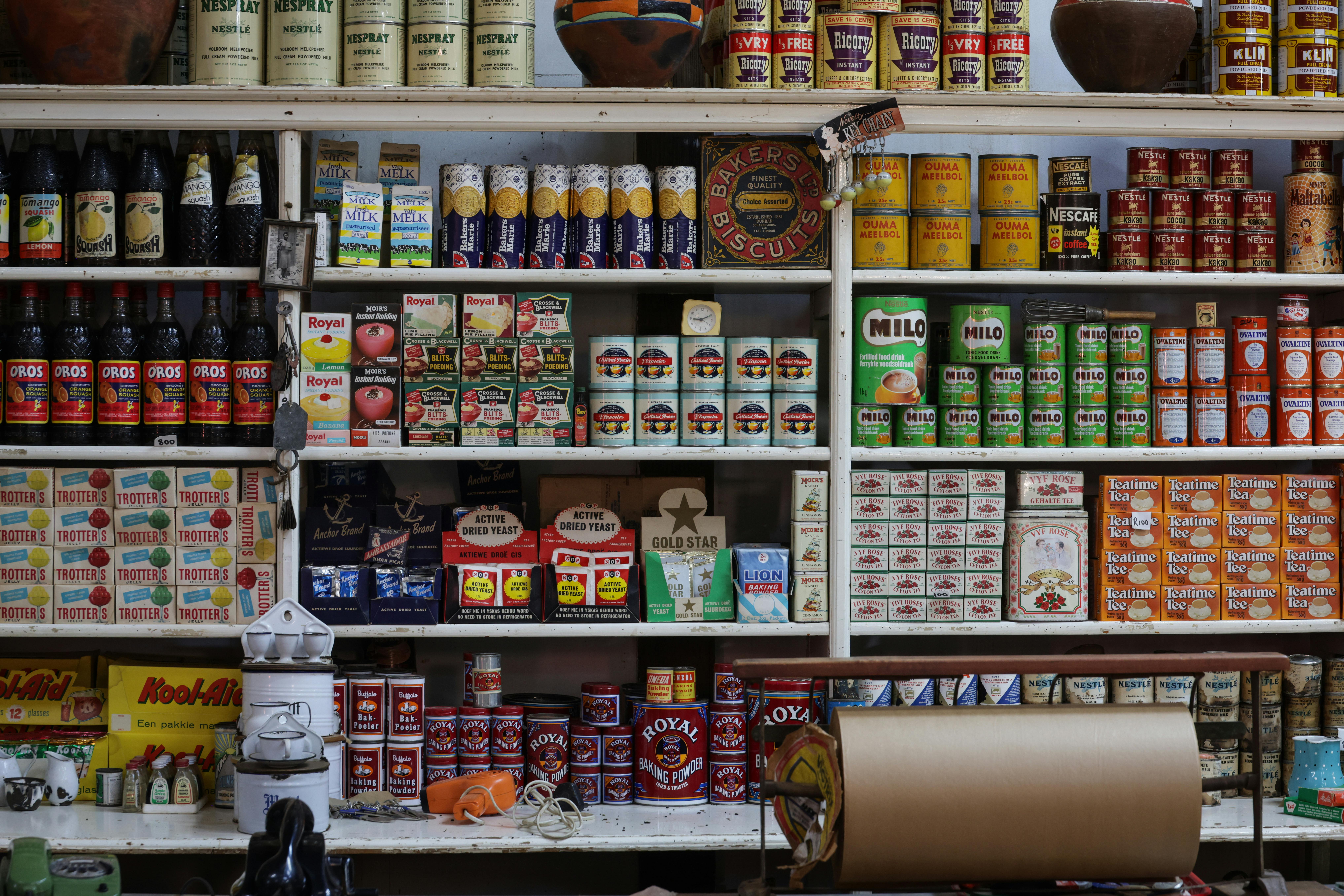
It is easy to dismiss all of this as rose-colored memory. The 1990s had long checkout lines, limited international foods, weaker nutrition labeling, and fewer accommodations for different diets.
Even so, nostalgia usually survives because it contains truth. Canadians miss grocery stores of that era not only because they were younger, but because the stores were less expensive, less optimized, and more human in their scale. They asked less from shoppers and often gave a clearer sense of value in return.
That is the deeper reason these memories endure. The longing is not simply for old logos or familiar aisle signs. It is for a style of everyday life that felt steadier, more personal, and easier to trust.




Leave a Reply