
A wedding meal used to be easy to forgive. Now it is one of the first things guests notice and one of the last things they discuss.
Social media turned dinner into part of the performance
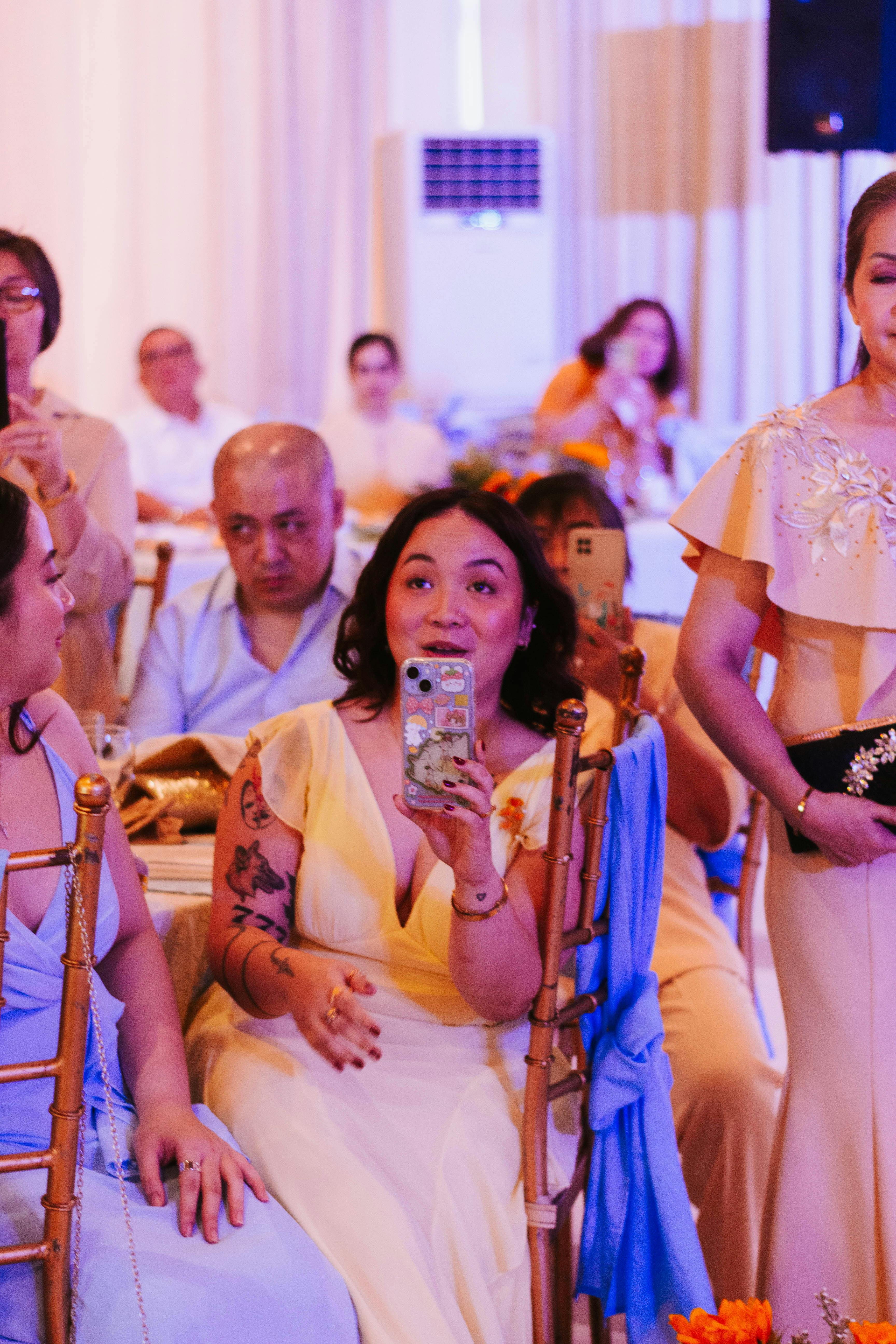
Food is no longer a background detail at weddings. It is photographed, filmed, compared, and posted in real time, often before the first dance even starts. A plated entrée, signature cocktail, or dessert display now travels far beyond the room, which raises pressure on couples and caterers alike.
That visibility changes how guests evaluate what they are served. A dry chicken breast or sparse vegetarian option does not stay a private disappointment. It becomes part of the event's public story, especially when guests have spent hours dressing, traveling, and waiting for a meal that looks as polished as the rest of the celebration.
Planners have noticed the shift. Across the industry, caterers report more requests for visually striking food stations, customized menus, and interactive elements that can hold up on camera. Guests may not use restaurant-critic language, but they absolutely react to presentation, originality, and whether the meal feels intentional.
Rising costs make value feel personal

Sticker shock has changed the way people think about weddings, including guests. Many know that modern weddings are expensive, and they also know that they themselves are spending more on travel, attire, childcare, and gifts. When people invest that much to attend, they naturally pay closer attention to what they receive in return.
The menu becomes a visible test of hospitality. Guests may not expect luxury, but they do expect competence, generosity, and enough food served at the right temperature. If dinner is delayed, portions are small, or dietary needs are ignored, frustration builds quickly because people connect those failures to the overall priorities of the couple and venue.
This does not mean guests are demanding caviar. In fact, many respond warmly to simpler food done well, such as regional specialties, family-style pasta, or a late-night comfort-food station. What they are judging most is whether the meal matches the event's tone and whether the spending appears thoughtful rather than purely decorative.
Guests now expect to be considered as individuals
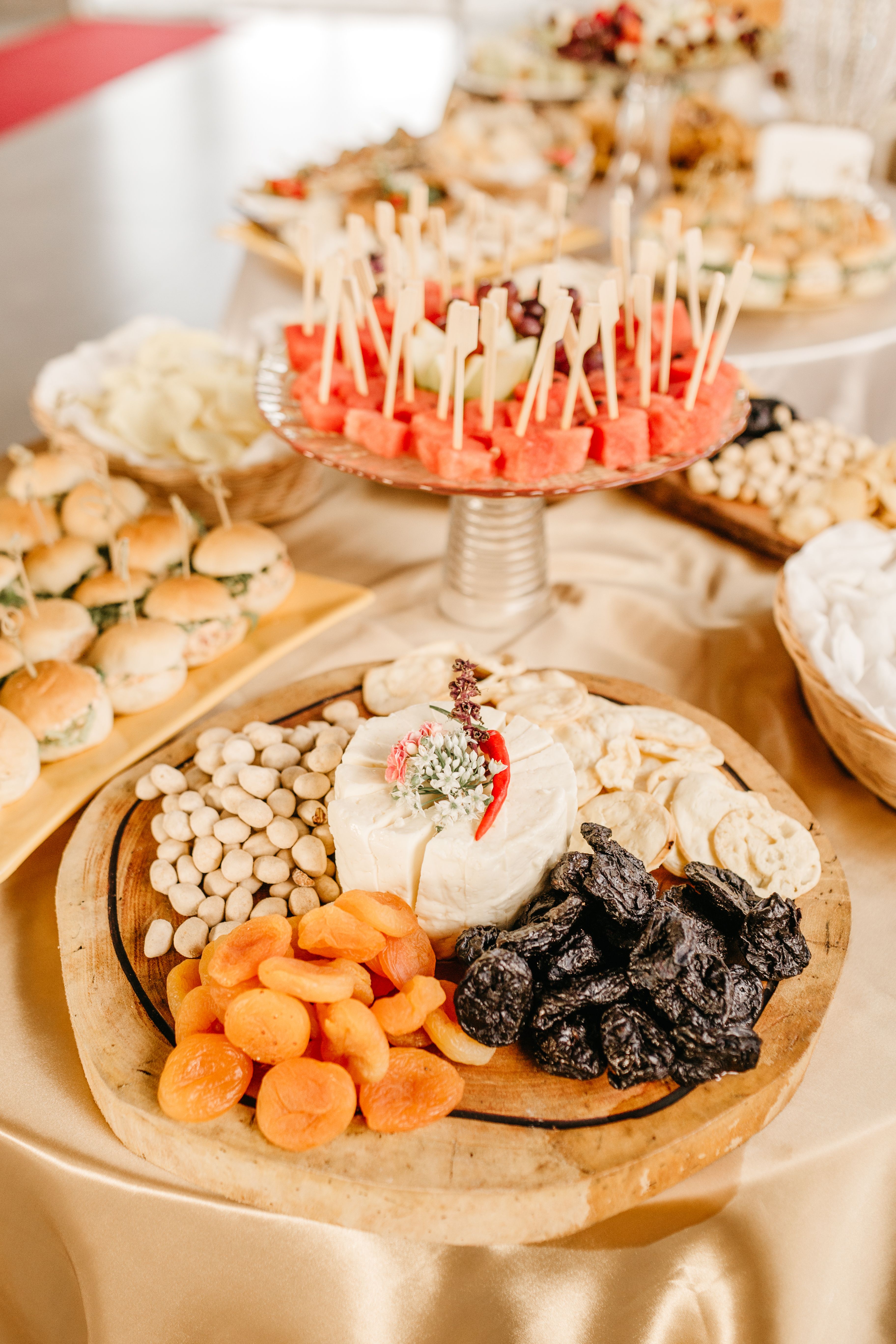
Personalization has spread across every part of wedding culture. Couples customize vows, playlists, welcome gifts, and seating displays, so guests increasingly expect the same care in the menu. A generic plate with no meaningful choice can feel out of step with an event that otherwise claims to celebrate community and connection.
Dietary restrictions are a major reason this matters more now. Gluten-free, dairy-free, vegetarian, vegan, halal, kosher, and allergy-aware meals are no longer rare edge cases. According to recent event industry surveys, couples are asking caterers about inclusive menu planning earlier in the process because one weak accommodation can leave a guest feeling forgotten for the entire night.
This is where judgment sharpens. Guests tend to be forgiving when limits are explained clearly and handled respectfully. They become critical when they feel like an afterthought, especially if the standard meal is lavish while the special meal is a bland substitute delivered late and without confidence.
Restaurant culture raised the baseline

People dine out with wider exposure than they did a generation ago. They follow chefs, watch cooking shows, read reviews, and understand the difference between fresh ingredients and banquet shortcuts. Even casual diners have developed stronger opinions about seasoning, texture, sourcing, and menu balance.
That broader food literacy carries into weddings. Guests may not expect a fine-dining experience for 150 people, but they do recognize when food tastes mass-produced or when every course feels dated. The old formula of overcooked protein, starch, and limp vegetables is judged against a modern dining culture that prizes flavor and relevance.
Couples are responding by borrowing from restaurants. Shared plates, local produce, wood-fired pizza, raw bars, craft desserts, and culturally specific menus are increasingly common. These choices often earn praise because they feel memorable and honest, not because they are expensive, but because they reflect current tastes and a clearer point of view.
The menu now signals the couple's priorities

Guests read meaning into food. A wedding menu can suggest whether the couple cared more about a dramatic floral installation than guest comfort, or whether they built the experience around actual hospitality. Fair or not, dinner often becomes shorthand for how well the event was thought through.
This is especially true when the timeline is long. If guests sit through a lengthy ceremony, cocktail hour stretches, and speeches run on, the meal carries more emotional weight. At that point, good food can restore goodwill, while bad food confirms every earlier irritation and becomes the detail people repeat on the ride home.
Menus also communicate identity. Some couples use food to honor heritage, showcase a hometown specialty, or tell a family story through favorite dishes. When that is done well, guests usually respond with enthusiasm because the meal feels rooted and sincere rather than copied from a standard banquet package.
Memorable weddings feed people well and wisely
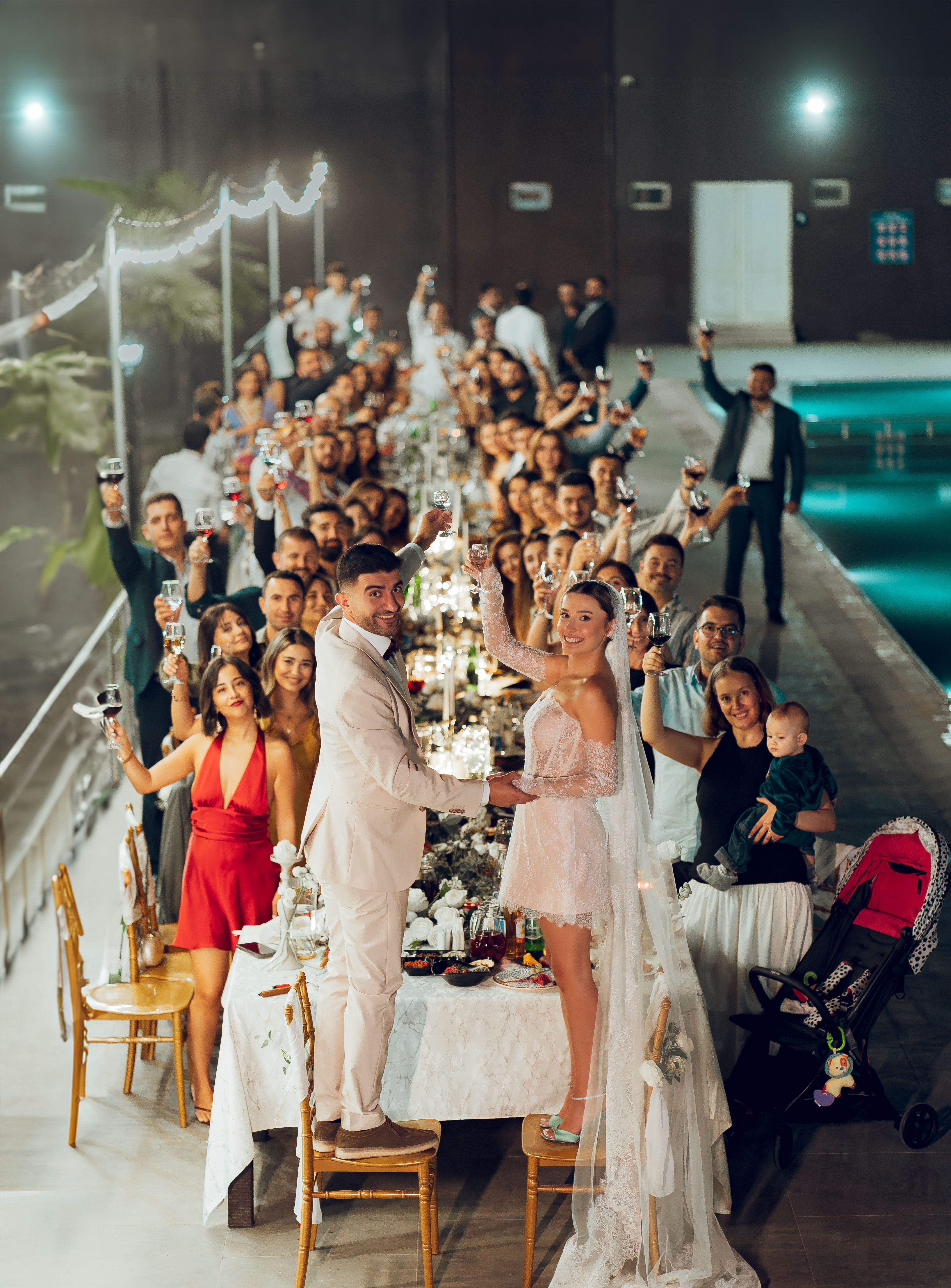
The strongest wedding menus succeed by solving practical problems first. They keep service moving, offer enough variety, accommodate dietary needs, and make sure guests are actually satisfied. Fancy ideas matter less if people are still hungry, confused, or waiting too long between courses.
Experts in event planning often stress that guests remember three things most clearly: how they were treated, whether the schedule flowed, and whether the food delivered. That makes the menu more than a catering line item. It is one of the clearest expressions of respect a couple can offer the people who showed up for them.
That is why judgment is sharper now. Guests are not simply being picky. They are responding to a wedding culture in which food is visible, symbolic, expensive, and deeply tied to comfort. In that environment, the menu has become a real measure of care, and people notice when it rises to the occasion.


Leave a Reply