
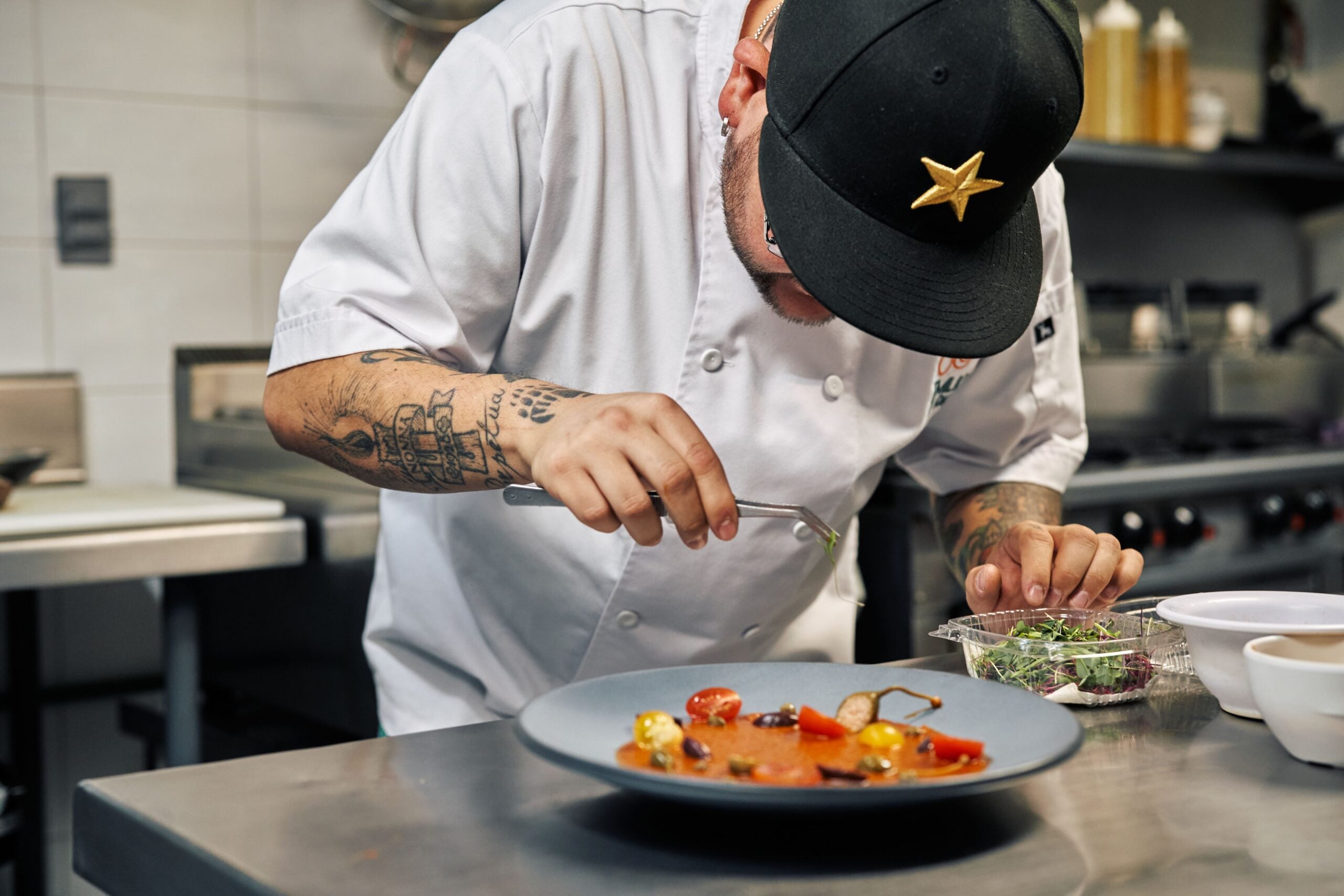
What chefs avoid in hotels is not always about snobbery. More often, it is about knowing which dishes are hardest to keep consistently fresh, safe, and worth the price.
Buffet scrambled eggs often raise the most suspicion
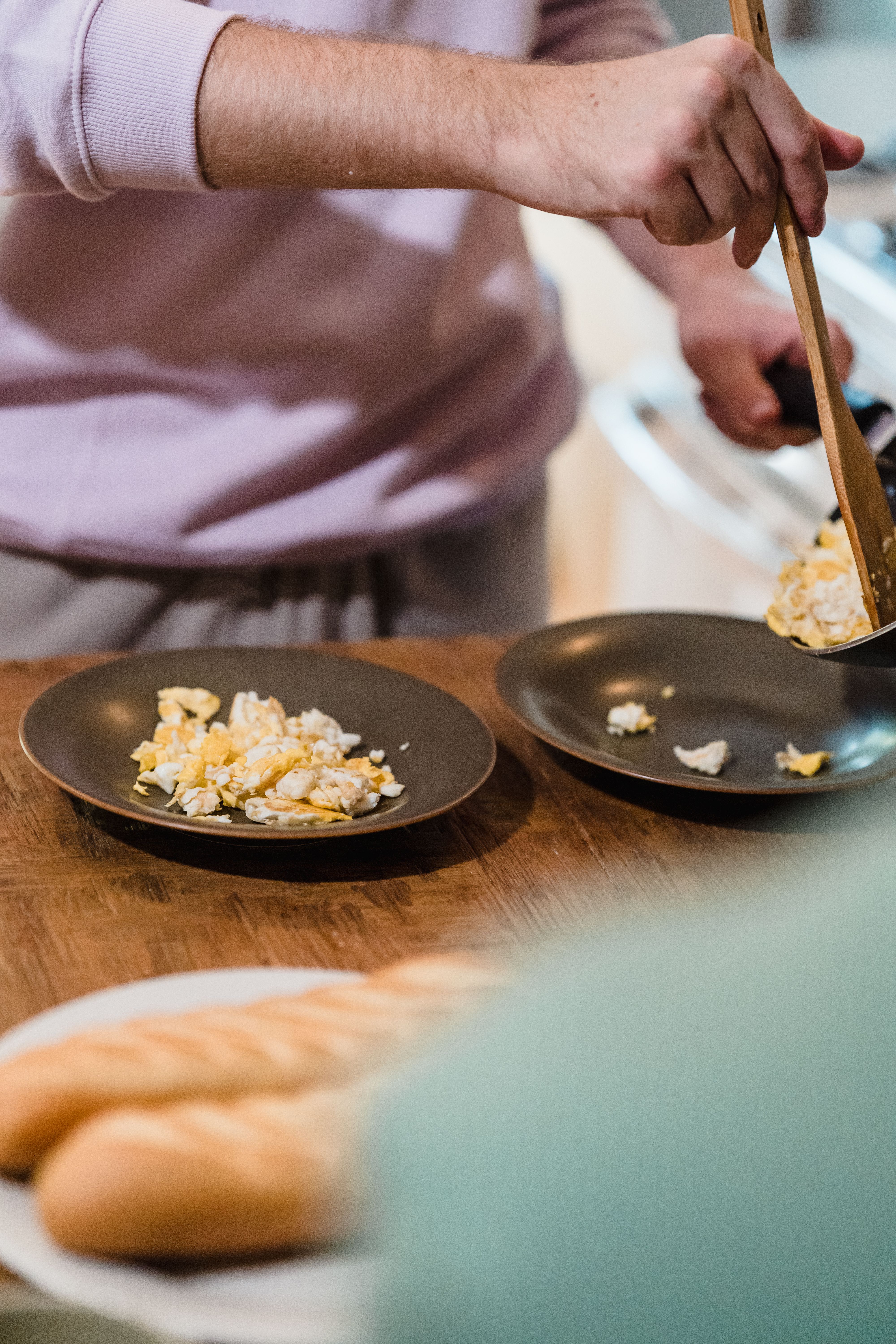
Many hotel chefs are wary of buffet scrambled eggs because they are one of the hardest breakfast items to hold well. Eggs continue cooking under heat lamps, so soft curds quickly turn rubbery. In large properties, batches may also be mixed with milk or powdered egg product to stretch volume and maintain color.
Texture is only part of the issue. Eggs on a buffet can sit in warming trays through the busiest service window, and every extra minute changes flavor and moisture. Food safety rules require proper holding temperatures, but chefs know that overholding can still produce a tired, sulfuric result even when the dish remains technically safe.
Some chefs make an exception when an omelet or egg station cooks to order. Freshly cracked eggs handled one pan at a time offer better control over doneness and temperature. In chef circles, that difference matters because eggs are simple, and simple foods reveal shortcuts immediately.
Cut fruit and pre-made salads can be a gamble
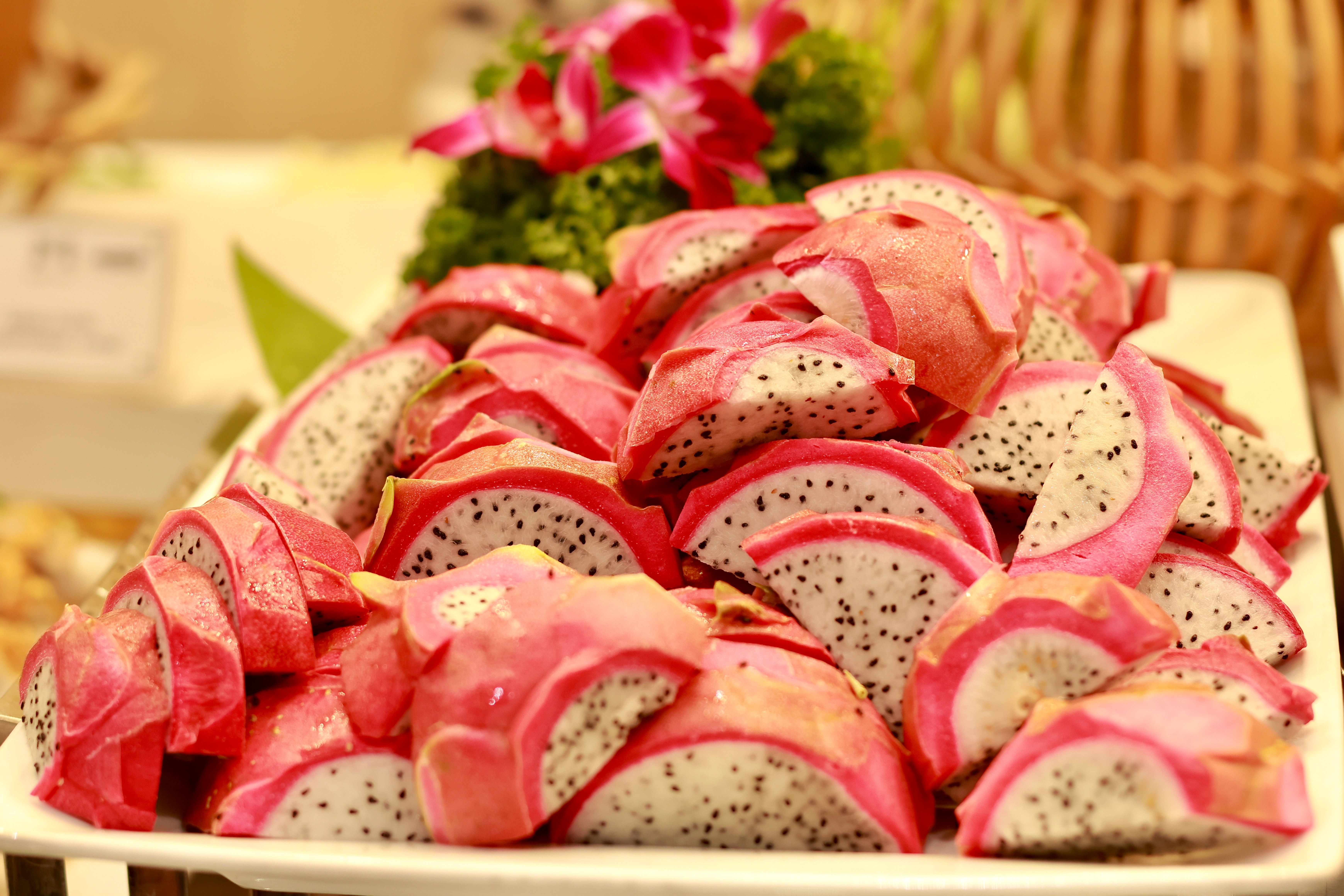
At first glance, fruit platters and ready-made salads seem like the safest option in the room. Chefs often see the opposite risk: these are high-handling foods with many touchpoints before service. Washing, peeling, slicing, chilling, and re-plating all create opportunities for quality loss if the kitchen is rushed.
Cut fruit starts degrading as soon as it is exposed to air. Melons and berries can turn watery, grapes wrinkle, and pineapple can pick up off flavors from nearby items in a cooler. If the tray is replenished by topping off older fruit instead of replacing the whole pan, freshness becomes uneven in a way diners cannot easily spot.
Pre-dressed salads draw similar skepticism. Delicate greens wilt fast, cucumbers release moisture, and tomatoes lose their clean texture after extended refrigeration. Chefs generally prefer whole fruit or salads assembled to order because they reveal less time in storage and more attention from the kitchen.
Fried seafood is one item chefs rarely order casually

Seafood demands precision, and hotel chefs know how quickly that precision can disappear in high-volume service. Fried fish, calamari, and shrimp are often skipped because batter can mask age, dryness, or previous freezing damage. A crisp coating may look appealing while concealing flesh that is bland, mushy, or overcooked.
Timing is another concern. Seafood has a narrow window between perfectly cooked and disappointing, especially under heat retention. Once fried items sit, steam trapped inside the crust softens the exterior and keeps cooking the protein. That leaves guests paying premium menu prices for a product that may no longer taste premium.
Chefs are far more likely to trust seafood when it is a signature item in a coastal hotel or a restaurant known for tight sourcing. In those cases, turnover is faster and buyers are usually more selective. But where seafood is just another banquet-friendly option, many insiders pass.
House specials can signal inventory management, not inspiration

A daily special sounds enticing because it suggests creativity and seasonality. Chefs know that sometimes it means exactly that, but not always. In many hotel kitchens, specials are also a practical tool for moving ingredients that are abundant, highly perishable, or approaching the end of their best selling window.
That does not make every special suspicious. Well-run kitchens use specials responsibly to reduce waste while serving excellent food, and that is standard professional practice. The caution comes from context: if a dish seems oddly disconnected from the restaurant's style, some chefs wonder whether the menu is solving a stock problem first.
This is why many chefs read specials carefully before ordering. They look for clues such as seasonal produce, a clear culinary theme, or techniques that fit the kitchen's strengths. When those signs are missing, they often choose proven staples instead of gambling on a one-night improvisation.
Sauce-heavy dishes can hide more than they reveal
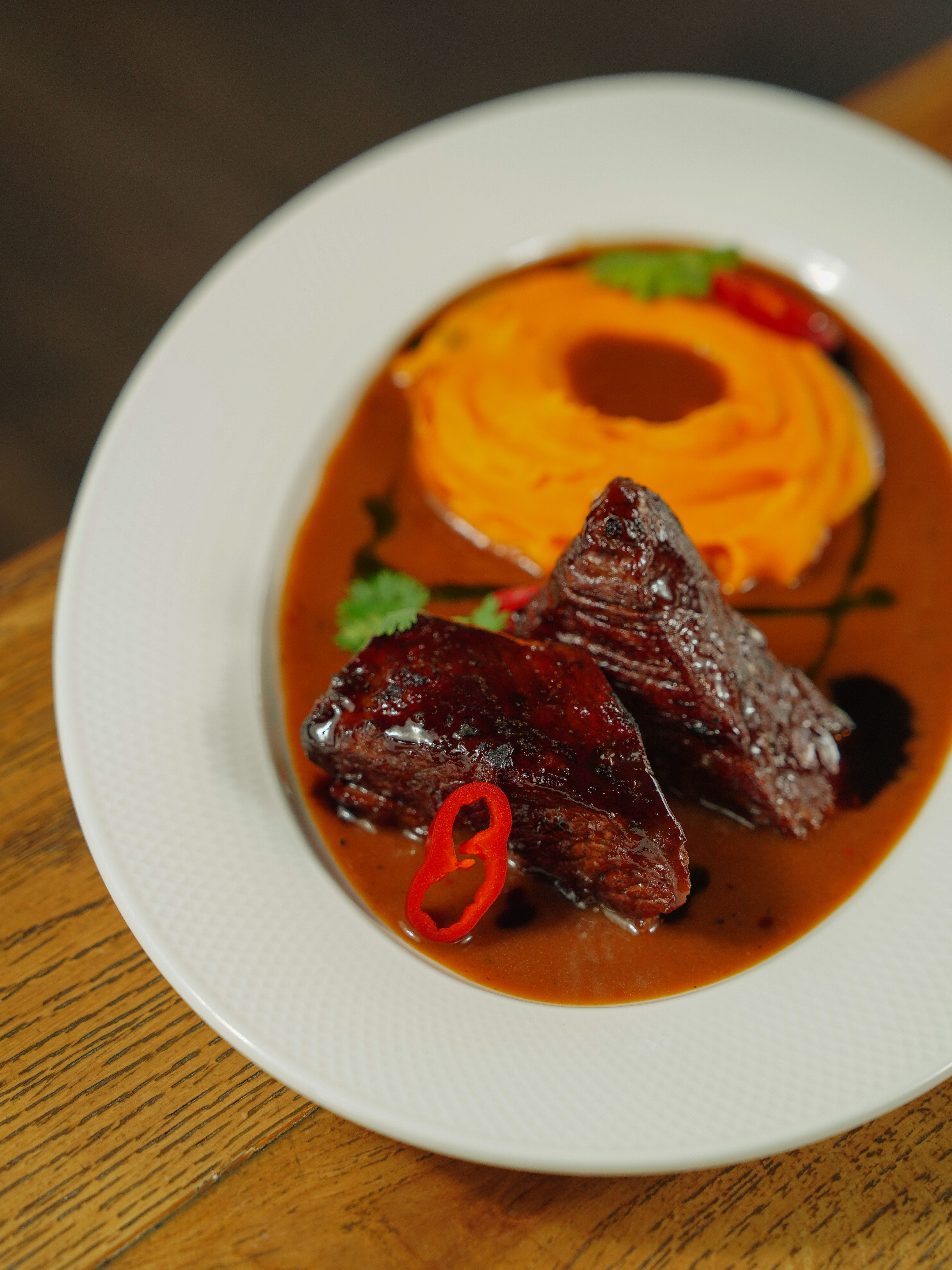
Experienced chefs often avoid heavily sauced hotel dishes because strong flavors can cover flaws. A thick glaze, cream sauce, or aggressive spice blend may be delicious, but it can also disguise overcooked meat, dry poultry, or ingredients that are no longer at peak freshness. In professional kitchens, concealment is always easier than correction.
This is especially true during room service and banquet production, where food may travel or wait before reaching the guest. Sauces help retain moisture and improve appearance, which is useful operationally. Still, chefs who know the system often prefer simpler preparations because they make quality visible rather than hiding it behind richness.
A plainly roasted chicken, grilled fish, or steamed vegetable side tells a more honest story about the kitchen. If those fundamentals are handled well, confidence rises quickly. If not, a glossy sauce will not fool the people who understand how a plate was built.
Late-night menu items get extra scrutiny from insiders
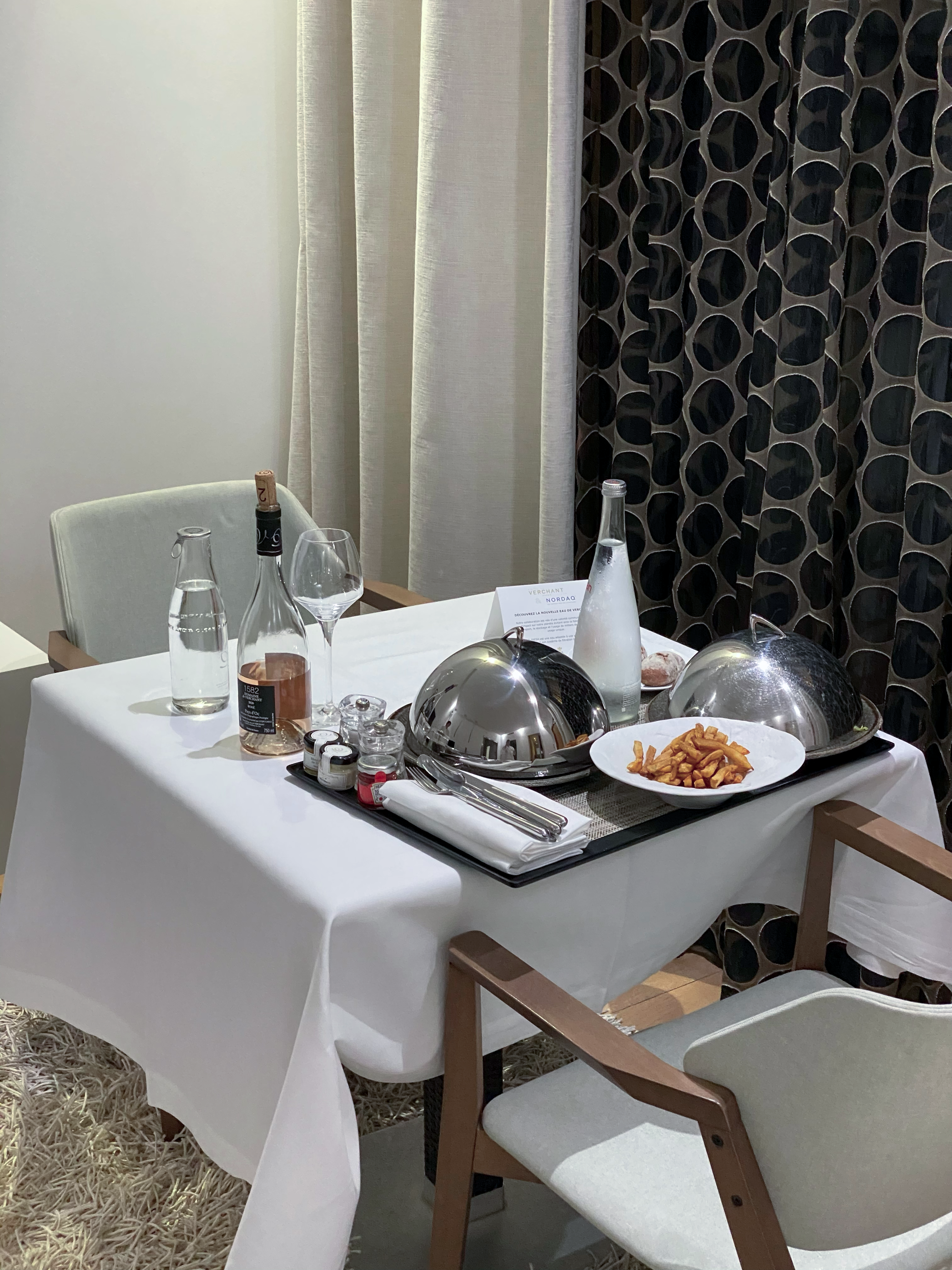
Late-night dining has its own realities, and hotel chefs are usually realistic about them. Smaller overnight teams, limited prep, and reduced vendor access can narrow what is truly fresh after hours. For that reason, many chefs avoid the broadest late-night offerings and stick to the few items a kitchen can execute consistently.
Foods with many components are the riskiest. Burgers loaded with toppings, club sandwiches, and elaborate pasta dishes depend on bread quality, crisp produce, hot proteins, and proper assembly at a time when staffing is thin. If one element is tired, the whole plate feels compromised.
Chefs who order late tend to keep it simple and strategic. They choose items with high turnover, minimal assembly, and clear holding standards, such as soup, plain pasta, or a basic breakfast made fresh. Their rule is straightforward: order the food the kitchen can still make confidently, not just the food the menu still lists.




Leave a Reply